
Himalayas, Nepal’s Stunning Peaks, Prayer Flags & Himalayan Hospitality (2025)
At 5:30 AM from Kala Patthar viewpoint, the first sun rays strike Everest’s summit at 29,032 feet while prayer flags snap in the icy wind carrying the scent of juniper incense. Sherpa guides murmur “Om mani padme hum” as thermoses of sweet milk tea steam in the -10°C air. This daily Himalayan awakening transforms stone and ice into liquid gold—a spectacle witnessed by fewer than 45,000 trekkers annually compared to Yellowstone’s 4 million visitors.
Why Himalayas, Nepal Stands Out

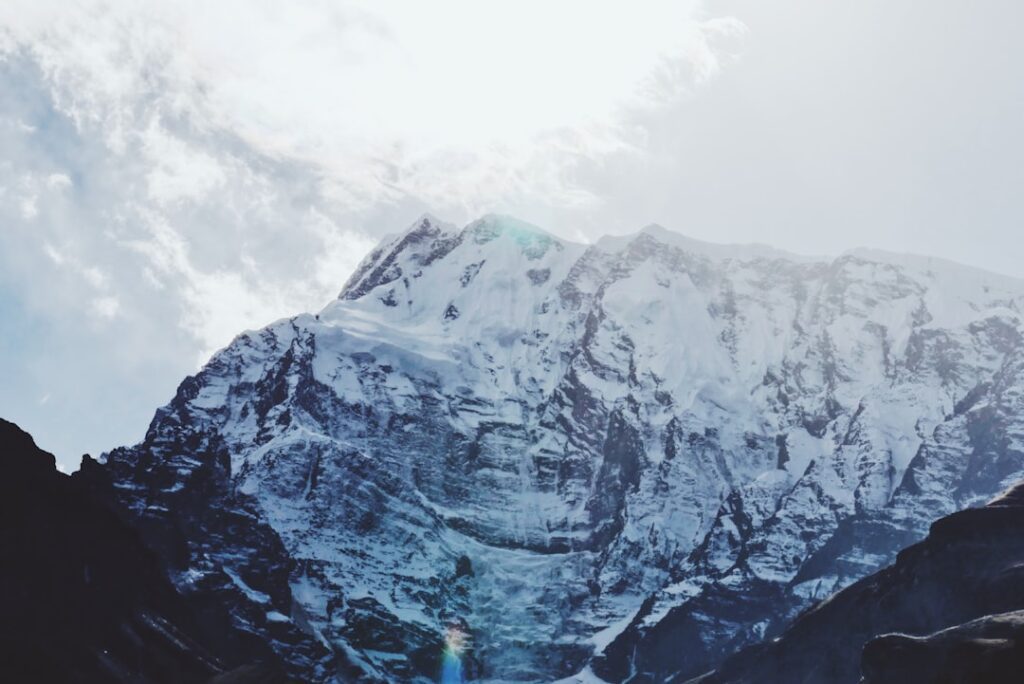
White fog on mountain during daytime, Himalayas, Nepal
- Historic Architecture: The 17th-century Nyatapola Temple in Bhaktapur stands five stories tall on five terraces, each guarded by increasingly powerful stone figures.
- Cultural Scene: During February’s Losar festival, Tibetan Buddhist monasteries perform Cham dances where masked lamas embody deities to cleanse the new year.
- Local Specialties: Thukpa—a steaming bowl of hand-pulled noodles, yak meat, and mountain vegetables that fuels trekkers at 3,500 meters.
Pro Tip: Visit during October’s final week when monsoon crowds have dispersed but winter snows haven’t yet closed high passes. Mornings at Everest Base Camp see 70% fewer visitors than mid-October peak season.
Map of Himalayas, Nepal
Use these interactive maps to explore Himalayas, Nepal and plan your route:
📍 View Himalayas, Nepal on OpenStreetMap
🗺️ Open Himalayas, Nepal in Google Maps
Planning Your Trip: Practical Essentials
Getting There and Around
- By Air: Tribhuvan International Airport (KTM) in Kathmandu serves as the gateway with Qatar Airways, Emirates, and Air India offering connections. Domestic flights to Lukla ($178 one-way) require booking months ahead during peak seasons. Book flights at Skyscanner for best deals.
- By Train: No direct rail service exists, but travelers can take India’s railway to border towns like Raxaul, then cross into Nepal by road. The journey from Delhi takes 36 hours. Reserve tickets at Trainline or the national railway website.
- By Car: The Friendship Highway connects Tibet to Nepal, but requires special permits. Within Nepal, hiring a 4WD with driver costs $60-80/day for mountain roads. Compare car rentals at RentalCars.com.
- Local Transport: Local buses cost $2-5 for intercity travel but are crowded. Tourist buses ($10-15) offer more comfort. In Kathmandu, taxis use meters starting at $0.50.
Best Time to Visit
The Himalayan seasons dramatically affect accessibility—spring brings rhododendron blooms while autumn offers crystal-clear mountain views. Monsoon season (June-August) makes many trails impassable.
| Season | Weather | Highlights |
|---|---|---|
| Summer (Jun–Aug) | 15-25°C with heavy rainfall, 80% humidity in valleys | Lower elevation treks only, lush landscapes, 50% fewer tourists |
| Winter (Dec–Feb) | -10 to 10°C, snow above 3,000 meters | Stunning snowy peaks, cultural tours, some high passes closed |
| Shoulder (Apr–May/Sep–Oct) | 10-20°C, clear skies, minimal precipitation | Prime trekking conditions, Everest Base Camp accessible, festival seasons |
Budgeting for Himalayas, Nepal

Snow-capped mountain, Himalayas, Nepal
| Category | Budget | Mid-range | Luxury |
|---|---|---|---|
| Accommodation | $5-15 (teahouses/guesthouses) | $25-50 (boutique hotels) | $150-500 (wilderness lodges) |
| Meals | $8-15 (local eateries) | $20-35 (restaurants) | $50-100 (fine dining) |
| Transport | $2-10 (local buses) | $15-40 (taxis/tourist buses) | $60-150 (private cars/flights) |
| Activities | $10-30 (temple entries) | $50-100 (guided day hikes) | $200-500 (helicopter tours) |
| Daily Total | $25-60 | $110-225 | $460-1,250 |
Top Attractions and Must-See Sights
| Attraction | Description | Hours | Entry Fee |
|---|---|---|---|
| Everest Base Camp Trek | 12-day journey through Sherpa villages to the foot of the world’s highest mountain | 24/7 access | $1,200-2,000 (guided) |
| Boudhanath Stupa | One of world’s largest spherical stupas where Tibetan Buddhists circle clockwise spinning prayer wheels | 5 AM-7 PM | $4 |
| Annapurna Circuit | 15-20 day trek crossing Thorong La Pass at 5,416m through diverse climate zones | 24/7 access | $800-1,500 (guided) |
| Patan Durbar Square | UNESCO site with 14th-century palace courtyards and intricate wood carvings | 9 AM-5 PM | $5 |
3-Day Itinerary: Himalayas, Nepal’s Highlights & Hidden Gems
Day 1: Kathmandu Valley Cultural Immersion
- Morning: 7 AM arrival at Swayambhunath Monkey Temple ($2 entry) to watch priests perform puja ceremonies while the city fog lifts. Climb the 365 steps before tourist buses arrive at 9 AM.
- Afternoon: 12 PM exploration of Patan’s Golden Temple and lunch at Cafe du Temple ($8) for authentic momo dumplings with sesame tomato chutney.
- Evening: 6 PM dinner at Bhojan Griha ($25) watching traditional Nepali dance in a restored 150-year-old mansion.
Day 2: Himalayan Foothills Adventure
- Morning: 5:30 AM scenic flight to Everest ($205) with Yeti Airlines—request left window seats for unobstructed peak views. Return by 8 AM for breakfast.
- Afternoon: 12 PM drive to Nagarkot (2 hours, $40 taxi) for mountain views and lunch at Club Himalaya ($15) with 180-degree Himalayan panorama.
- Evening: 5:30 PM sunset watching from Nagarkot Tower followed by dinner at traditional Sherpa kitchen House of Sapana ($12).
Day 3: Ancient Cities & Spiritual Sites
- Morning: 7 AM taxi to Bhaktapur ($15, 1 hour) to explore medieval squares before day trippers arrive. Don’t miss the 55-Window Palace.
- Afternoon: 1 PM woodcarving workshop with local artisans ($20) and lunch at Peacock Restaurant ($10) in a courtyard filled with temple bells.
- Evening: 5 PM return to Kathmandu for final dinner at Kaiser Cafe ($18) in the Garden of Dreams with pre-1950s Himalayan expedition ambiance.
Cultural Insights & Etiquette
- Language: Learn “Namaste” (hello), “Dhanyabad” (thank you), and “Kati bhayo?” (how much?). English works in tourist areas but rural villages speak Nepali.
- Customs: Always walk clockwise around stupas and temples. Never point feet at people or religious objects. Receive items with right hand.
- Tipping: Guides expect $10-15/day, porters $5-8/day. Restaurants don’t expect tips but rounding up is appreciated.
- Dress Code: Shoulders and knees covered in religious sites. Trekking gear acceptable on trails but change before entering villages.
- Business Hours: Shops open 10 AM-7 PM, temples dawn-dusk. Many businesses close Saturday (Nepal’s Sunday). Major festivals close everything.
Where to Eat: Himalayas, Nepal’s Best Bites
Nepali cuisine reflects its geographic diversity—Tibetan influences in the mountains, Indian flavors in the lowlands. Dal bhat (lentils and rice) forms the national staple, served twice daily in most households.
Must-Try Local Specialties
- Dal Bhat: The complete Nepali meal—lentil soup, rice, vegetable curry, pickles, and sometimes meat. Best at local “bhattis” (eateries) where it’s often served with free refills.
- Yak Cheese: Hard, salty cheese made from yak milk at high altitudes. Try it melted in sandwiches at Himalayan Java coffee shops.
- Juju Dhau: “King of Yogurt” from Bhaktapur—creamy, sweet yogurt in clay pots. Find authentic versions in Bhaktapur’s Durbar Square for $1.
Restaurant Recommendations by Budget
| Type | Restaurant | Specialty | Price Range |
|---|---|---|---|
| Budget | OR2K, Thamel | Middle Eastern-Nepali fusion with floor seating | $5-12 |
| Mid-range | Fire and Ice, Kathmandu | Authentic wood-fired pizzas since 1995 | $15-30 |
| Fine dining | Dwarika’s Hotel, Kathmandu | Newari feast in restored heritage courtyard | $50-100 |
Where to Stay
Accommodation ranges from $5 teahouses on trekking routes to $500 luxury wilderness lodges. Thamel offers the widest selection for tourists, while Pokhara provides lakeside tranquility. Compare prices and book at Booking.com or Airbnb for apartments.
Best Neighborhoods for Accommodation
- Thamel, Kathmandu: Tourist central with endless restaurants and gear shops—perfect for first-timers but noisy at night.
- Lakeside, Pokhara: Relaxed vibe with Annapurna views, ideal for pre/post-trek recovery with better air quality than Kathmandu.
- Bhaktapur: Medieval atmosphere in UNESCO heritage site—quieter than Kathmandu but limited dining options after dark.

Snow covered mountains under blue sky during daytime, Himalayas, Nepal
FAQs: Your Himalayas, Nepal Questions Answered
1. Is Himalayas, Nepal safe at night?
Generally safe, but take normal precautions. Kathmandu’s Thamel district remains lively until 10 PM, but avoid unlit alleys. On treks, teahouses secure premises at 9 PM. Petty theft occurs in crowded areas—leave passports in hotel safes.
2. What currency is used and are credit cards accepted?
Nepalese Rupee (NPR) is the currency. $1 ≈ 130 NPR. Credit cards work in upscale Kathmandu hotels and agencies, but cash dominates elsewhere. ATMs dispense maximum 35,000 NPR ($270) per transaction with $5 fees.
3. How do I get from the airport to the city center?
Pre-booked hotels often offer free pickup. Taxis cost $5-7 to Thamel (30-60 minutes). Avoid touts offering rides—use the prepaid taxi counter in arrivals. Book airport transfers at GetYourGuide for convenience.
4. Do I need to speak the local language?
English suffices in tourist areas and on popular treks where guides speak English. Learn basic Nepali greetings to connect with locals—even “namaste” earns smiles. Remote villages may have limited English.
5. What’s the appropriate dress code?
Modest clothing for temples (covered shoulders/knees). On treks, technical layers work best—merino wool base layers, down jackets, and waterproof shells. Bring one “nice” outfit for better restaurants in cities.
Final Thoughts: Himalayas, Nepal Awaits
The Himalayas offer more than mountain vistas—they provide perspective. Where else can you share trails with yak caravans carrying supplies to remote monasteries, then return to centuries-old cities where craftsmen practice traditions unchanged for generations? Savvy travelers know the real magic happens when you slow down—sipping butter tea with Sherpa families, learning that the journey matters more than the summit. Your best bet: skip the rushed itineraries and allow at least two weeks to properly experience Nepal’s rhythm. As the Sherpas say: “Bistari bistari”—slowly, slowly.
Related Guides
Explore more destinations similar to Himalayas:
- Kenge, Democratic Republic of the Congo
- Waingapu, Indonesia’s Best Ikat Textiles, Savanna Sunsets & Sumba’s Soul (2026)
- Sarmizegetusa Regia, Romania: Essential Ancient Mysteries, Mountain Majesty & Dacian Heritage (2025)
- Is Kraków’s Salt Cathedral the World’s Strangest Church?
{“@context”: “https://schema.org”, “@type”: “FAQPage”, “mainEntity”: [{“@type”: “Question”, “name”: “What is the best time to visit Himalayas?”, “acceptedAnswer”: {“@type”: “Answer”, “text”: “The best time to visit Himalayas depends on your preferences. Generally, the dry season offers the most pleasant weather for sightseeing and outdoor activities.”}}, {“@type”: “Question”, “name”: “How many days do I need in Himalayas?”, “acceptedAnswer”: {“@type”: “Answer”, “text”: “Most travelers spend 3-5 days in Himalayas to see the main attractions. A week allows for a more relaxed pace and day trips.”}}, {“@type”: “Question”, “name”: “Is Himalayas expensive to visit?”, “acceptedAnswer”: {“@type”: “Answer”, “text”: “Himalayas can be visited on various budgets. Accommodation ranges from hostels to luxury hotels, and local restaurants offer affordable dining.”}}]}

