
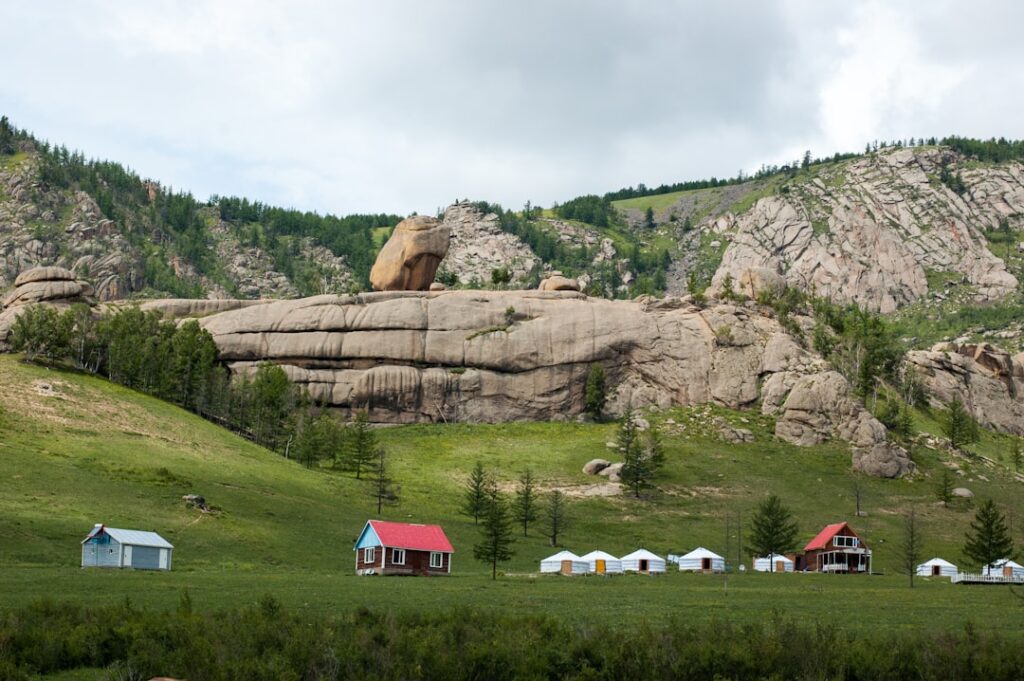
Ulaanbaatar, Mongolia: Best Nomadic Heritage, Buddhist Treasures & Wild Landscapes (2025)
What if a capital city existed where traditional gers outnumbered high-rises and eagle hunters still roam the surrounding wilderness? Ulaanbaatar proves this reality exists just 15 kilometers from its city center, where the vast Mongolian steppe begins. At dawn, you’ll hear monks chanting at Gandan Monastery while the scent of mutton stew wafts from roadside cafes. This is Asia’s most surprising capital – where ancient nomadic traditions thrive alongside a rapidly modernizing urban center.
Why Ulaanbaatar, Mongolia Stands Out

Man standing on stair near on wall, Ulaanbaatar, Mongolia
- Historic Architecture: Gandan Khiid Monastery’s 26.5-meter-high Migjid Janraisig statue, built in 1911, represents Mongolia’s Buddhist revival after communist suppression.
- Cultural Scene: The Naadam Festival each July features the “Three Manly Games” of wrestling, archery, and horse racing dating back to Genghis Khan’s era.
- Local Specialties: Buuz steamed dumplings filled with mutton and onion, traditionally eaten during Lunar New Year celebrations.
Pro Tip: Visit during the shoulder months of May or September when the weather is mild, tourist crowds are minimal, and you’ll catch cultural festivals without the summer rush. Avoid January-February when temperatures can drop to -30°C.
Map of Ulaanbaatar, Mongolia
Use these interactive maps to explore Ulaanbaatar, Mongolia and plan your route:
📍 View Ulaanbaatar, Mongolia on OpenStreetMap
🗺️ Open Ulaanbaatar, Mongolia in Google Maps
Planning Your Trip: Practical Essentials
Getting There and Around
- By Air: Chinggis Khaan International Airport (ULN) serves as the main gateway with direct flights from Seoul, Beijing, Moscow, and Istanbul. Book flights at Skyscanner for best deals.
- By Train: The Trans-Mongolian Railway connects to Moscow (4 days) and Beijing (30 hours) with comfortable sleeper cabins. Reserve tickets at Trainline or the national railway website.
- By Car: Driving from Russia or China requires special permits and 4WD vehicles for rough terrain. Compare car rentals at RentalCars.com.
- Local Transport: Public buses cost 500 MNT per ride, while taxis start at 1500 MNT per kilometer. Check official city transport websites for passes and schedules.
Best Time to Visit
Ulaanbaatar’s continental climate means extreme seasons – warm summers and brutally cold winters. Savvy travelers time their visit for optimal weather and cultural experiences.
| Season | Weather | Highlights |
|---|---|---|
| Summer (Jun–Aug) | 15-25°C, occasional rain | Naadam Festival, ideal for day trips to Terelj National Park, crowded with tourists |
| Winter (Dec–Feb) | -15 to -30°C, heavy snow | Ice Festival, lower prices, authentic local experience with fewer tourists |
| Shoulder (Apr–May/Sep–Oct) | 5-15°C, crisp and clear | Best value, comfortable exploring, cultural events without summer crowds |
Budgeting for Ulaanbaatar, Mongolia

Shadow depth of field photography of sailboat miniature, Ulaanbaatar, Mongolia
| Category | Budget | Mid-range | Luxury |
|---|---|---|---|
| Accommodation | $15-25 (hostels/guesthouses) | $50-80 (3-4 star hotels) | $120-200+ (5 star hotels) |
| Meals | $5-10 (street food/local cafes) | $15-25 (restaurants) | $40-60+ (fine dining) |
| Transport | $2-5 (public transport) | $10-20 (taxis/day) | $50+ (private driver) |
| Activities | $5-15 (museums/temples) | $30-50 (day tours) | $100+ (private guided experiences) |
| Daily Total | $30-50 | $100-150 | $250+ |
Top Attractions and Must-See Sights
| Attraction | Description | Hours | Entry Fee |
|---|---|---|---|
| Gandan Monastery | Mongolia’s most important Buddhist center with stunning gold-leafed statues and daily ceremonies | 9 AM-6 PM daily | 5,000 MNT |
| National Museum of Mongolia | Comprehensive history from prehistoric times to Genghis Khan’s empire and modern democracy | 9:30 AM-5:30 PM (closed Mon) | 8,000 MNT |
| Genghis Khan Statue Complex | 40-meter-tall stainless steel equestrian statue with museum showcasing 13th-century Mongol life | 9 AM-8 PM daily | 12,000 MNT |
| Zaisan Memorial | Soviet-era hilltop monument with panoramic city views and fascinating socialist realism murals | 24 hours | Free |
3-Day Itinerary: Ulaanbaatar, Mongolia’s Highlights & Hidden Gems
Day 1: Urban Exploration & Buddhist Heritage
- Morning: 7-9 AM witness morning prayers at Gandan Monastery when the light illuminates the golden Buddha. Arrive early to avoid tourist groups.
- Afternoon: 12-3 PM explore the National Museum’s Genghis Khan exhibits then lunch at Modern Nomads (Sükhbaatar Square) for authentic khuushuur fried dumplings.
- Evening: 6-8 PM climb Zaisan Hill for sunset city views followed by dinner at Hazara Indian Restaurant featuring unique Mongolian-Indian fusion.
Day 2: History & Traditional Culture
- Morning: 8 AM $15 taxi to Genghis Khan Statue Complex (1 hour) – climb inside the horse’s head for breathtaking steppe views.
- Afternoon: Mongolian Traditional Art Gallery and lunch at BD’s Mongolian BBQ where you can create your own stir-fry bowl.
- Evening: Tumen Ekh Ensemble folk performance at the National Drama Theater featuring throat singing and traditional dance.
Day 3: Day Trip to Wilderness
- Morning: 7 AM $25 round-trip bus to Gorkhi-Terelj National Park (90 minutes) to hike among stunning rock formations and visit Turtle Rock.
- Afternoon: Visit a nomadic family ger camp for authentic airag (fermented mare’s milk) and lunch at Terelj Hotel restaurant.
- Evening: Return to city for farewell dinner at Bull Hot Pot featuring Mongolian-style communal dining experience.
Cultural Insights & Etiquette
- Language: Learn “sain bain uu” (hello), “bayarlalaa” (thank you), and “okh” (yes) – locals appreciate the effort immensely
- Customs: Always receive items with your right hand, never point your feet at people, and avoid stepping on door thresholds
- Tipping: Not expected but appreciated (5-10% in restaurants); round up taxi fares
- Dress Code: Modest clothing for temples; warm layers essential year-round due to temperature fluctuations
- Business Hours: Most shops 9 AM-6 PM, museums often closed Mondays, banks close early afternoon
Where to Eat: Ulaanbaatar, Mongolia’s Best Bites
Mongolian cuisine revolves around meat and dairy with surprising depth – from hearty nomadic dishes to Russian and Chinese influences. Don’t expect vegetarian options everywhere, as traditional meals celebrate the pastoral lifestyle.
Must-Try Local Specialties
- Khorkhog: Mutton and vegetables cooked with hot stones in a sealed container – best experienced at countryside ger camps
- Buuz: Steamed dumplings traditionally prepared for Tsagaan Sar (Lunar New Year) – find excellent versions at Khan Buuz chain
- Aaruul: Dried curd cheese that’s surprisingly addictive – purchase fresh from State Department Store’s food hall
Restaurant Recommendations by Budget
| Type | Restaurant | Specialty | Price Range |
|---|---|---|---|
| Budget | Luna Blanca (Vegetarian) | Mongolian vegan interpretations | $5-8 per dish |
| Mid-range | Modern Nomads (Multiple locations) | Traditional Mongolian classics | $10-20 per person |
| Fine dining | Veranda (Blue Sky Hotel) | International with Mongolian touches | $40-60 per person |
Where to Stay
Accommodation ranges from Soviet-era hotels to modern international chains and traditional ger camps. The city center offers convenience, while surrounding areas provide more authentic experiences. Compare prices and book at Booking.com or Airbnb for apartments.
Best Neighborhoods for Accommodation
- Sükhbaatar District: Central location near main attractions, best for first-time visitors wanting walkable access to sights
- Bayanzürkh District: Residential area with more local flavor, ideal for longer stays and experiencing daily Mongolian life
- Terelj Area: National park ger camps, perfect for nature lovers wanting wilderness access while staying near the city

Woman using smartphone, Ulaanbaatar, Mongolia
FAQs: Your Ulaanbaatar, Mongolia Questions Answered
1. Is Ulaanbaatar, Mongolia safe at night?
Generally safe, but exercise normal precautions – avoid poorly lit areas, don’t display valuables, and use registered taxis after dark. Petty theft can occur in crowded areas.
2. What currency is used and are credit cards accepted?
Mongolian Tugrik (MNT) is the official currency. Credit cards work in hotels and upscale restaurants, but carry cash for markets, taxis, and smaller establishments.
3. How do I get from the airport to the city center?
Airport shuttle buses cost 5,000 MNT (45 minutes), while taxis charge 25,000-30,000 MNT (30 minutes). Book airport transfers at GetYourGuide for convenience.
4. Do I need to speak the local language?
English is limited outside tourist areas – learn basic Mongolian phrases. Younger generations often understand some English, while Russian remains widely spoken.
5. What’s the appropriate dress code?
Layered clothing works best due to temperature changes. Cover shoulders and knees for temple visits. Sturdy walking shoes essential for uneven pavements and countryside exploration.
Final Thoughts: Ulaanbaatar, Mongolia Awaits
Ulaanbaatar offers one of Asia’s most authentic travel experiences – a city where ancient traditions aren’t performed for tourists but remain integral to daily life. From the haunting chants at Gandan Monastery to the vast emptiness of the surrounding steppe just beyond the city limits, this destination challenges conventional expectations of what a capital city should be. Travelers often discover that Ulaanbaatar’s greatest gift is its ability to transport you between centuries within a single day. Don’t miss the early morning produce market near the Dragon Center – where nomadic herders sell their dairy products alongside modern supermarkets, creating a perfect snapshot of Mongolia’s unique position between past and future.
Related Guides
Explore more destinations similar to Ulaanbaatar:

