
Huancayo, Peru’s Incredible Markets, Mountain Scenery & Living Andean Culture (2025)
At 6 AM on Sunday, the air in Huancayo fills with the scent of roasting cuy and the sounds of Quechua bargaining as South America’s largest open-air market springs to life. Over 3,000 vendors transform the city into a kaleidoscope of woven textiles, medicinal herbs, and artisanal crafts stretching nearly 2 kilometers along Avenida Huancavelica. While most tourists head straight to Cusco, you’ll discover Huancayo offers authentic Andean culture without the crowds – just 8 hours by scenic train from Lima through the world’s second-highest railway pass at 4,818 meters.
Why Huancayo, Peru Stands Out

A group of people dressed in mexican costumes, Huancayo, Peru
- Historic Architecture: The 18th-century Capilla La Merced, where Peru’s 1839 constitution was signed, features stunning baroque altarpieces and colonial-era religious art.
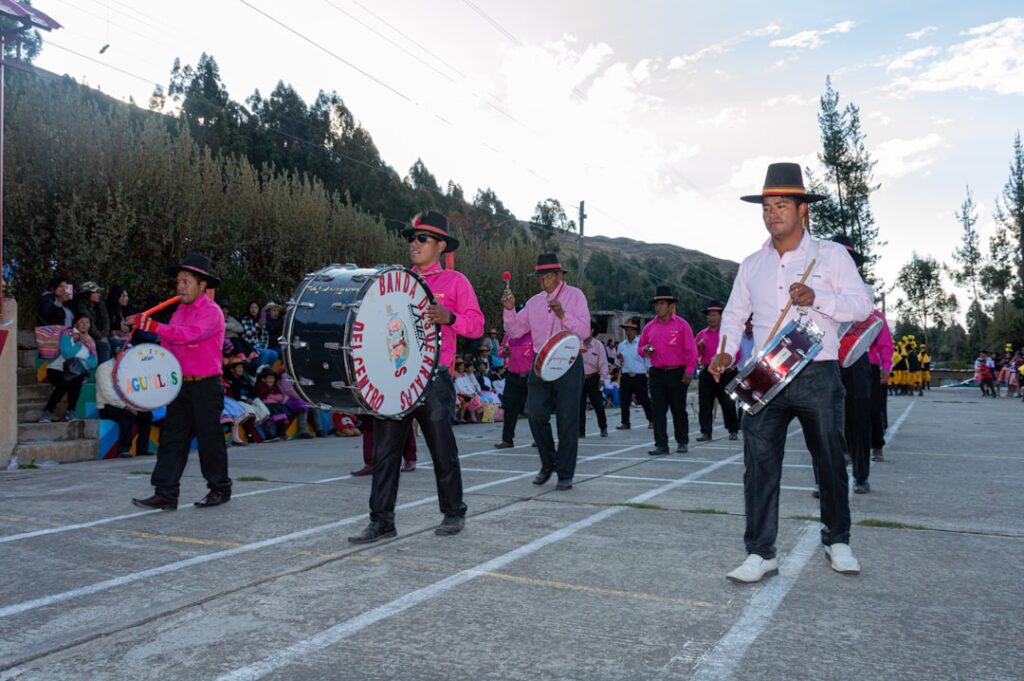
- Cultural Scene: The Santiago Festival each July transforms the city with vibrant dances, traditional music, and the famous “Toro Mata” bullfighting celebrations dating back centuries.
- Local Specialties: Pachamanca – meats and vegetables slow-cooked in underground stone ovens using pre-Columbian techniques passed down through generations.
Pro Tip: Visit between May and October for dry season hiking, but arrive on Saturday to experience the full Sunday market setup – vendors begin arriving at dawn, and you’ll beat the midday crowds while catching the freshest produce and best artisan selections.
Map of Huancayo, Peru
Use these interactive maps to explore Huancayo, Peru and plan your route:
📍 View Huancayo, Peru on OpenStreetMap
🗺️ Open Huancayo, Peru in Google Maps
Planning Your Trip: Practical Essentials
Getting There and Around
- By Air: Fly to Jauja’s Francisco Carle Airport (JAU), 45 minutes from Huancayo, with LATAM and Sky Airline flights from Lima. Shared colectivos cost 10 soles to downtown. Book flights at Skyscanner for best deals.
- By Train: The Ferrocarril Central Andino from Lima offers one of world’s most spectacular rail journeys through 69 bridges and 61 tunnels, running April-November. Reserve tickets at Trainline or the national railway website.
- By Car: The Central Highway from Lima takes 7-8 hours with stunning mountain views. Parking is limited downtown; your best bet is secured hotel parking. Compare car rentals at RentalCars.com.
- Local Transport: Combis (minibuses) cost 1-2 soles for city routes, while taxis charge 5-8 soles within central areas. Look for licensed yellow taxis with registration numbers displayed.
Best Time to Visit
Dry season (May-October) offers optimal hiking conditions and clear mountain views, while rainy season brings lush landscapes but challenging trekking. Shoulder months provide the perfect balance of good weather and fewer visitors.
| Season | Weather | Highlights |
|---|---|---|
| Summer (Jun–Aug) | 55-70°F, sunny days, cold nights | Peak festival season, ideal hiking, bustling markets |
| Winter (Dec–Feb) | 45-65°F, daily rain showers | Emerald-green landscapes, intimate cultural experiences |
| Shoulder (Apr–May/Sep–Oct) | 50-68°F, occasional showers | Perfect photography light, comfortable exploring weather |
Budgeting for Huancayo, Peru

A group of people walking down a street, Huancayo, Peru
| Category | Budget | Mid-range | Luxury |
|---|---|---|---|
| Accommodation | 40-80 soles/night hostels | 120-200 soles/night hotels | 300+ soles/night boutique |
| Meals | 8-15 soles market meals | 25-45 soles restaurants | 60+ soles fine dining |
| Transport | 5-10 soles daily combis | 20-30 soles taxis | 150+ soles private driver |
| Activities | Free hiking, market browsing | 30-80 soles tours | 150+ soles private guides |
| Daily Total | 80-120 soles ($20-30) | 200-350 soles ($50-85) | 600+ soles ($150+) |
Top Attractions and Must-See Sights
| Attraction | Description | Hours | Entry Fee |
|---|---|---|---|
| Cerro de la Libertad | Hilltop park with panoramic city views, artisan workshops, and traditional peña music venues | 8 AM-6 PM daily | 2 soles |
| Sunday Feria Dominical | South America’s largest outdoor market with 3,000+ vendors spanning 2 kilometers | 6 AM-4 PM Sundays | Free |
| Torre Torre Geological Formations | Otherworldly eroded clay towers creating a natural sculpture garden just outside town | 24 hours | Free |
| Wari Willka Archaeological Site | Pre-Inca ceremonial center from the Wari civilization featuring ancient stone chambers | 9 AM-5 PM daily | 10 soles |
3-Day Itinerary: Huancayo, Peru’s Highlights & Hidden Gems
Day 1: Historic Heart & Market Immersion
- Morning: 7-9 AM at Cerrito de la Libertad for sunrise photography over the Mantaro Valley. The morning light illuminates the city perfectly, and you’ll have the park mostly to yourself.
- Afternoon: 12-3 PM exploring the Feria Dominical market and lunch at El Tambo (their pachamanca for 35 soles serves two people). Don’t miss the woolen textiles near block 12 of Huancavelica Avenue.
- Evening: 6-8 PM folk music experience at Peña Usha Usha followed by dinner at La Cabaña for traditional trout dishes (28-40 soles).
Day 2: Geological Wonders & Artisan Villages
- Morning: Early taxi (25 soles round trip) to Torre Torre geological formations – the morning sun creates dramatic shadows across the 30-meter tall clay towers. Bring water and good walking shoes.
- Afternoon: Colectivo to San Jerónimo de Tunán village (8 soles) for silver filigree workshops and lunch at Hacienda Santa Rosa featuring lake trout with local herbs.
- Evening: Cooking class at Mistura Peruana (65 soles) learning to prepare papa a la huancaína and other regional specialties.
Day 3: Mountain Escape & Cultural Legacy
- Morning: Shared taxi to Huaytapallana Glacier (50 soles per person) for high-altitude hiking. Acclimate properly – the glacier sits at 5,200 meters above sea level.
- Afternoon: Wari Willka archaeological site exploration and late lunch at El Olímpico known for their massive portions of lomo saltado (22 soles).
- Evening: Final market shopping for last-minute handicrafts and farewell dinner at La Carreta with live Andean music performances.
Cultural Insights & Etiquette
- Language: Spanish predominates, but Quechua phrases like “Allillanchu” (hello) and “Yusulpayki” (thank you) earn immediate respect. English is limited outside tourist hotels.
- Customs: Always greet shopkeepers before browsing. When photographing locals, especially in traditional dress, always ask permission first – many expect small compensation (1-2 soles).
- Tipping: Restaurants: 10% for good service. Tour guides: 15-20 soles per day. Taxis: rounding up the fare is appreciated.
- Dress Code: Conservative casual works everywhere. Evenings require layers – temperatures drop significantly after sunset at this altitude.
- Business Hours: Shops: 9 AM-7 PM with 2-4 PM lunch break. Museums: 9 AM-5 PM, often closed Mondays. Sunday is market day, with many other businesses closed.
Where to Eat: Huancayo, Peru’s Best Bites
Huancayo’s culinary scene reflects its agricultural heartland location with emphasis on fresh potatoes, corn, trout, and cuy (guinea pig). Family-run picanterías serve generous portions, while upscale restaurants reinterpret traditional recipes with modern techniques.
Must-Try Local Specialties
- Pachamanca: Meats, potatoes, and beans slow-cooked in underground stone ovens. Best experienced at weekend family gatherings or El Tambo restaurant.
- Cuy Colorado: Roasted guinea pig marinated in spices and peppers. Head to Mercado Modelo’s food court for the most authentic versions.
- Patachi: Hearty wheat and bean stew perfect for cold mountain evenings. Look for it at market food stalls for 8-12 soles.
Restaurant Recommendations by Budget
| Type | Restaurant | Specialty | Price Range |
|---|---|---|---|
| Budget | Mercado Central Food Court | Traditional daily specials | 8-15 soles |
| Mid-range | La Carreta (Giráldez 150) | Modern Andean fusion | 25-50 soles |
| Fine dining | El Olímpico (Real 543) | Upscale Peruvian classics | 60-120 soles |
Where to Stay
Accommodation ranges from basic hostels near the market to comfortable hotels in the El Tambo district. For authentic experiences, consider family-run guesthouses in nearby artisan villages. Compare prices and book at Booking.com or Airbnb for apartments.
Best Neighborhoods for Accommodation
- Central Historic District: Walking distance to markets and museums, but can be noisy – perfect for market enthusiasts and short stays.
- El Tambo: Residential area with better hotels and restaurants, 15-minute walk to center – ideal for families and comfort-seeking travelers.
- San Carlos: Quiet university district with budget options and local flavor – best for backpackers and longer-term visitors.

A group of people standing next to each other, Huancayo, Peru
FAQs: Your Huancayo, Peru Questions Answered
1. Is Huancayo, Peru safe at night?
Central areas are generally safe until 10 PM, but take registered taxis after dark and avoid poorly lit side streets. Like any city, keep valuables concealed and stay aware of your surroundings, especially in market areas.
2. What currency is used and are credit cards accepted?
Peruvian soles are the local currency. Credit cards work in hotels and upscale restaurants, but you’ll need cash for markets, taxis, and smaller establishments. ATMs are widely available but charge 15-20 soles per withdrawal.
3. How do I get from the airport to the city center?
Shared colectivos wait outside Jauja Airport (JAU) and charge 10 soles for the 45-minute ride to Huancayo. Private taxis cost 40-50 soles. Book airport transfers at GetYourGuide for convenience.
4. Do I need to speak the local language?
Basic Spanish greatly enhances your experience, as English isn’t widely spoken outside tourist hotels. Learn key phrases for ordering food and bargaining in markets – locals appreciate the effort.
5. What’s the appropriate dress code?
Layered clothing works best due to temperature swings. Bring warm layers for evenings, comfortable walking shoes for cobblestone streets, and rain gear if visiting December-March. Dress modestly when visiting churches.
Final Thoughts: Huancayo, Peru Awaits
Huancayo offers what many travelers seek but rarely find – authentic Andean culture unchanged by mass tourism. Here, ancient traditions thrive in weekly markets, family recipes pass through generations, and mountain landscapes remain breathtakingly pristine. Savvy visitors know the real magic happens beyond the main squares, in the artisan workshops of surrounding villages and during impromptu music sessions in local peñas. Don’t leave without experiencing a proper pachamanca feast – it’s not just a meal, but a culinary tradition connecting you directly to Peru’s living heritage. Your adventure through the heart of the Andes begins where the crowds end.
Related Guides
Explore more destinations similar to Huancayo:
- Jericoacoara, Brazil’s Essential Dunes, Kitesurfing & Sunset Magic (2025)
- The Ultimate Ksar of Ouadane, Mauritania Guide (2025)
- Vanadzor, Armenia’s Best Soviet Architecture, Forest Trails & Artisan Culture (2025)
- Gongju, South Korea: Essential Ancient Capitals, Royal Tombs & Riverside Serenity (2025)

