
Santo Domingo, Dominican Republic: Amazing Colonial History, Caribbean Rhythms & Authentic Flavors (2025)
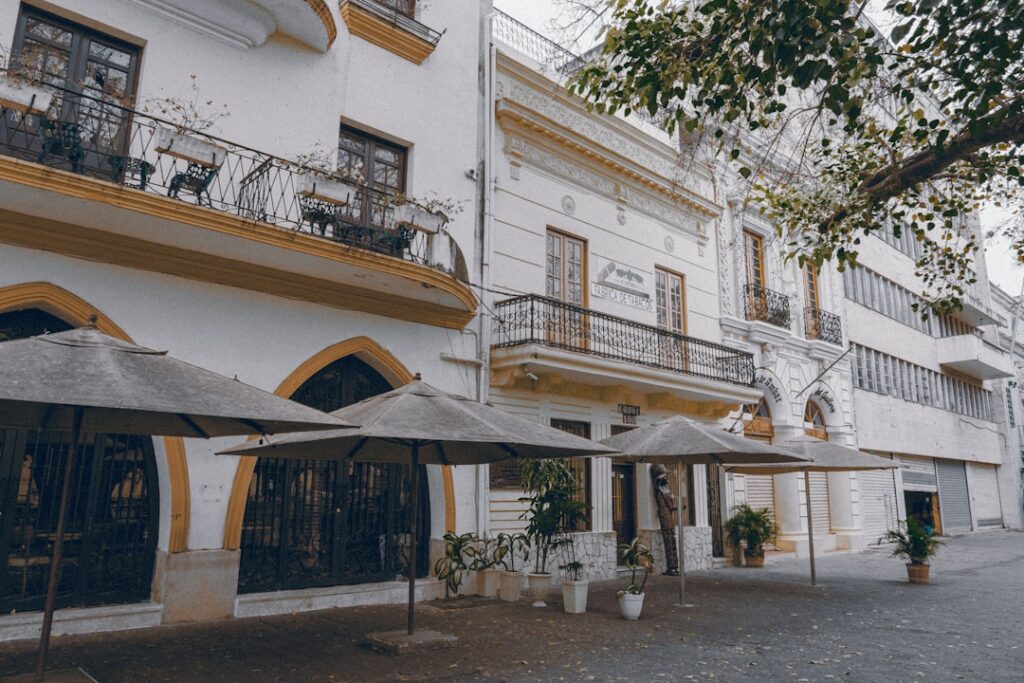
At 6 AM in the Zona Colonial, the cobblestone streets echo with the rhythmic scrape of brooms as shopkeepers prepare for another day in the Americas’ oldest continuously inhabited European settlement. The scent of freshly brewed café de olla mingles with salty sea air drifting from the Ozama River, where the first Spanish galleons arrived in 1496. This UNESCO World Heritage site contains over 300 historical monuments within just 5 square kilometers, offering travelers a living museum where history literally walks beside you.
Why Santo Domingo, Dominican Republic Stands Out

People walking on pedestrian lane near green trees during daytime, Santo Domingo, Dominican Republic
- Historic Architecture: Alcázar de Colón (1510-1514) – Diego Columbus’s palace featuring the first European royal residence in the Americas with original Mudéjar ceilings.
- Cultural Scene: February Carnival features elaborate diablo cojuelo (limping devil) masks and vibrant parades celebrating Dominican independence since 1844.
- Local Specialties: Mangú – breakfast staple of mashed plantains with fried cheese, salami, and eggs that locals call “los tres golpes” (the three hits).
Pro Tip: Visit between mid-January and March when temperatures average 79°F with minimal rainfall, avoiding both hurricane season and the intense summer humidity. Arrive at major attractions like Cathedral of Santa María la Menor right at 9 AM opening to experience them before cruise ship crowds descend around 11 AM.
Map of Santo Domingo, Dominican Republic
Use these interactive maps to explore Santo Domingo, Dominican Republic and plan your route:
📍 View Santo Domingo, Dominican Republic on OpenStreetMap
🗺️ Open Santo Domingo, Dominican Republic in Google Maps
Planning Your Trip: Practical Essentials
Getting There and Around
- By Air: Las Américas International Airport (SDQ) serves major carriers including American, Delta, and JetBlue with direct flights from Miami (2 hours), New York (3.5 hours), and Madrid (8 hours). Book flights at Skyscanner for best deals.
- By Train: No international rail connections exist, but the Santo Domingo Metro provides efficient urban transport with two lines crossing the city. Reserve tickets at Trainline or the national railway website.
- By Car: Highway DR-3 connects Santo Domingo to eastern beach towns, while renting from companies like Nelly Rent a Car offers flexibility for day trips. Compare car rentals at RentalCars.com.
- Local Transport: Metro fares cost RD$20 ($0.35), while Uber operates throughout the city with typical Zona Colonial to Malecón rides costing RD$250-350 ($4-6). Check official city transport websites for passes and schedules.
Best Time to Visit
Santo Domingo’s tropical climate means warm temperatures year-round, but savvy travelers time their visits around rainfall patterns and cultural events for the optimal experience.
| Season | Weather | Highlights |
|---|---|---|
| Summer (Jun–Aug) | 85-90°F, high humidity, afternoon thunderstorms | Beach weather, merengue festivals, lower hotel rates but hurricane risk increases |
| Winter (Dec–Feb) | 75-82°F, low humidity, minimal rainfall | Perfect walking weather, Christmas festivities, Carnival preparations, peak pricing |
| Shoulder (Apr–May/Sep–Oct) | 80-85°F, moderate humidity, occasional showers | Best value, fewer crowds, ideal for museum hopping and outdoor dining |
Budgeting for Santo Domingo, Dominican Republic

Red and white roses bouquet, Santo Domingo, Dominican Republic
| Category | Budget | Mid-range | Luxury |
|---|---|---|---|
| Accommodation | $25-45/night (hostels, guesthouses) | $80-150/night (boutique hotels) | $200-400/night (5-star resorts) |
| Meals | $3-7 (comedores, street food) | $12-25 (restaurants) | $40-75 (fine dining) |
| Transport | $2-5 (metro, public buses) | $10-20 (taxis/Uber daily) | $50-100 (private driver) |
| Activities | $0-15 (free walking tours, parks) | $20-40 (museums, guided tours) | $75-150 (private guides, special access) |
| Daily Total | $35-70 | $125-235 | $365-725 |
Top Attractions and Must-See Sights
| Attraction | Description | Hours | Entry Fee |
|---|---|---|---|
| Cathedral of Santa María la Menor | Oldest cathedral in the Americas (1540) with Gothic-Plateresque architecture housing alleged Columbus remains | 9 AM-4:30 PM daily | RD$60 ($1) |
| Alcázar de Colón | 16th-century viceregal palace with original furnishings and stunning river views from the strategic hilltop location | 9 AM-5 PM Tue-Sun | RD$100 ($1.75) |
| Museo de las Casas Reales | Former royal court building showcasing colonial history through weapons, navigation tools, and Taíno artifacts | 9 AM-5 PM Tue-Sun | RD$100 ($1.75) |
| Los Tres Ojos National Park | Underground limestone caves with four crystal-clear freshwater lakes and ancient Taíno petroglyphs | 9 AM-5:30 PM daily | RD$100 ($1.75) |
3-Day Itinerary: Santo Domingo, Dominican Republic’s Highlights & Hidden Gems
Day 1: Colonial Heart & Caribbean Rhythms
- Morning: 7:30 AM guided walking tour through Zona Colonial’s empty streets (free with tip) starting at Parque Colón. Your best bet is hiring one of the certified guides wearing official badges near the cathedral.
- Afternoon: 12 PM exploration of Calle Las Damas, the Americas’ first paved street, followed by lunch at Pat’e Palo European Brasserie (the oldest tavern in the New World) for their mero al ajillo (garlic seabass) overlooking Plaza España.
- Evening: 6 PM sunset drinks at El Conde Restaurant’s rooftop terrace, then 8 PM dinner at Buche Perico for authentic Dominican criollo cuisine before catching live merengue at Jet Set Club.
Day 2: History, Art & Local Markets
- Morning: 8 AM visit to Museo de las Casas Reales (RD$100) before crowds arrive – don’t miss the original 1512 Santo Domingo city map showing the first urban planning in the Americas.
- Afternoon: 1 PM shopping at Mercado Modelo for amber jewelry and larimar stones (bargain to 40% of initial asking price), then lunch at Adrian Tropical for their legendary sancocho (seven-meat stew).
- Evening: 6:30 PM cultural performance at Palacio de Bellas Artes (check schedule for RD$200 ballet or theater shows), followed by dinner at Mesón de Bari in the Gazcue neighborhood for family-style Dominican classics.
Day 3: Natural Wonders & Modern Santo Domingo
- Morning: 8 AM Uber to Los Tres Ojos (RD$350 each way, 25 minutes). The underground lakes maintain a constant 72°F year-round – bring swimwear for the designated swimming area.
- Afternoon: 1 PM return to city for lunch at SBG Santo Domingo with stunning Malecón views, then 3 PM visit to the modern Plaza de la Cultura museums focusing on Dominican art and natural history.
- Evening: 6 PM stroll along the Malecón seaside promenade as locals gather for evening socializing, then final dinner at upscale Mitre Restaurant & Wine Bar for fusion Dominican-Italian cuisine.
Cultural Insights & Etiquette
- Language: Spanish dominates, but tourism workers speak English; learn “buen provecho” (enjoy your meal) and “qué lo que” (what’s up – local slang)
- Customs: Dominicans value personal connections – brief friendly conversation before business is expected, and directness can be perceived as rude
- Tipping: 10% service charge usually included, but add 5-10% extra for excellent service; RD$20-50 for baggers, bathroom attendants
- Dress Code: Resort casual acceptable most places, but cover shoulders/knees in churches; evening venues often require collared shirts, no shorts
- Business Hours: Typically 8 AM-6 PM with 12-2 PM lunch break; most shops close Sunday, major holidays include January 26 (Duarte Day) and February 27 (Independence Day)
Where to Eat: Santo Domingo, Dominican Republic’s Best Bites
Dominican cuisine reflects the island’s Taíno, Spanish, and African roots with bold flavors centered around rice, beans, plantains, and slow-cooked meats. Travelers often discover that the most authentic meals come from humble comedores (local eateries) rather than fancy restaurants.
Must-Try Local Specialties
- La Bandera Dominicana: The national lunch of white rice, red beans, meat (usually chicken or beef), and salad – find the best versions at El Conuco
- Mofongo: Mashed fried plantains with garlic, pork cracklings, and your choice of protein – locals swear by Mofongo Hainamosa in the Zona Colonial
- Pastelitos: Flaky fried turnovers filled with meat or cheese – street vendors along El Conde sell them fresh for RD$30 ($0.50) each
Restaurant Recommendations by Budget
| Type | Restaurant | Specialty | Price Range |
|---|---|---|---|
| Budget | Comedor Criollo La Cuchara (Zona Colonial) | Home-style daily specials with fresh juices | $4-8 per meal |
| Mid-range | Boca Marina (Sans Souci) | Fresh seafood with ocean views | $15-30 per person |
| Fine dining | Travesías (Piantini) | Modern Dominican tasting menus | $50-80 per person |
Where to Stay
Santo Domingo offers diverse accommodation from historic colonial conversions to modern beachfront resorts. The Zona Colonial provides atmospheric stays within walking distance of major sights, while the Malecón offers ocean views and modern amenities. Compare prices and book at Booking.com or Airbnb for apartments.
Best Neighborhoods for Accommodation
- Zona Colonial: Historic charm, walkable to attractions, but can be noisy at night – perfect for history buffs and first-time visitors
- Gazcue: Quiet residential area with beautiful old homes, close to museums – ideal for families and longer stays
- Malecón: Modern hotels with ocean views, nightlife access – best for beach lovers and those preferring contemporary comforts

A row of parked cars on a city street, Santo Domingo, Dominican Republic
FAQs: Your Santo Domingo, Dominican Republic Questions Answered
1. Is Santo Domingo, Dominican Republic safe at night?
The Zona Colonial and Malecón areas remain generally safe with normal precautions – stick to well-lit main streets, avoid displaying valuables, and use Uber/taxis after dark. Some neighborhoods outside the tourist areas require more caution, so consult your accommodation for specific area advice.
2. What currency is used and are credit cards accepted?
Dominican pesos (RD$) are the official currency, though US dollars are widely accepted in tourist areas. Credit cards work at most hotels and restaurants, but carry cash for markets, taxis, and smaller establishments. ATMs dispense pesos with typical withdrawal limits of RD$10,000-20,000 ($175-350).
3. How do I get from the airport to the city center?
Las Américas Airport (SDQ) sits 30 minutes from the Zona Colonial. Official taxis charge fixed RD$1,500 ($26), Uber costs RD$800-1,200 ($14-21), or take the Caribe Tours bus to downtown for RD$250 ($4.40). Book airport transfers at GetYourGuide for convenience.
4. Do I need to speak the local language?
While Spanish is official, tourism workers typically speak English in main areas. Learning basic greetings and menu terms enhances your experience significantly. Locals appreciate attempts at Spanish, even simple “por favor” and “gracias” go a long way in building rapport.
5. What’s the appropriate dress code?
Lightweight casual clothing works for most situations, but bring a light jacket for air-conditioned spaces. Beachwear belongs only at the beach – cover up when leaving coastal areas. Evening venues often enforce smart casual dress codes, so pack at least one nicer outfit.
Final Thoughts: Santo Domingo, Dominican Republic Awaits
Santo Domingo delivers an authentic Caribbean experience where history feels present in every cobblestone and modern Dominican culture thrives in vibrant neighborhoods beyond the colonial core. Travelers often discover that the city’s true magic emerges in spontaneous moments – joining a domino game in the park, dancing to impromptu merengue, or sharing stories with locals who proudly preserve their heritage. For your most memorable experience, venture beyond the guidebook highlights to find the living culture in family-run comedores and neighborhood colmados. The first city of the Americas continues to welcome visitors with the same warmth that greeted Spanish explorers over five centuries ago, now blended with contemporary Caribbean energy that makes every visit uniquely rewarding.
Explore More Destinations
- Jozani, Tanzania on a Budget: an Ancient Forest for $35/Day (2026)
- Nsumbu, Zambia on a Budget: Wild Africa for $40/Day (2026)
- Semporna, Malaysia on a Budget: Paradise for $35/Day (2026)
- Khuzestan, Iran on a Budget: Ancient Empires for $30/Day (2026)
- Ngerulmud, Palau on a Budget: Island Majesty for $45/Day (2026)
Ready to Visit Santo Domingo?
Start planning your trip today. Compare hotels, find the best tours, and get insider tips.
Your adventure in Santo Domingo starts here →
Related Guides
Explore more destinations similar to Santo Domingo:
- Mawlamyine, Myanmar: Ultimate Colonial Heritage, Golden Pagodas & Riverfront Charm (2025)
- Kalanggaman Island, Philippines on a Budget: How to Live Like a King for $35/Day (2026)
- Mosul, Iraq’s Hidden Resilience, Ruins & Reviving Culture (2026)
- Banff National Park’s Ultimate Peaks, Glaciers & Alpine Majesty (2025)

