
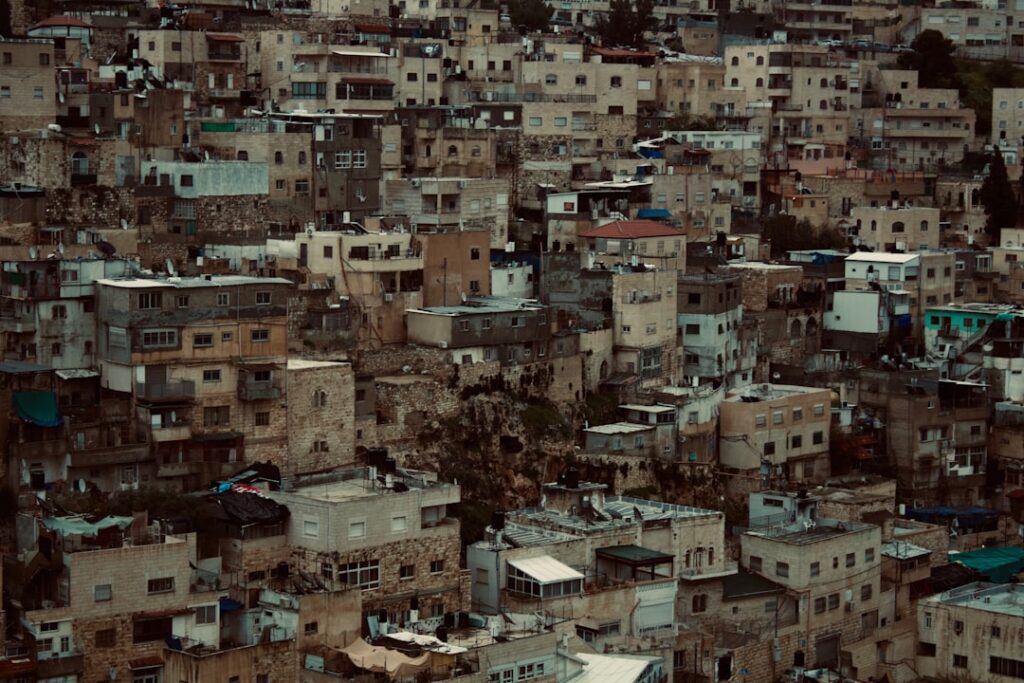
Beit Sahour, Palestine: Stunning Biblical Heritage, Olive Oil Craft & Shepherd Culture (2025)
Sunrise over the Shepherd’s Field reveals ancient olive groves where generations have pressed oil using 2,000-year-old methods, the scent of za’atar and woodsmoke drifting through valleys where biblical shepherds once watched their flocks. While crowds queue for hours at Bethlehem’s Church of the Nativity just 2 kilometers away, here you’ll find Franciscan and Greek Orthodox chapels marking the same sacred story with peaceful courtyards and local families maintaining traditions unchanged for centuries. This is where Palestinian Christian culture thrives authentically, beyond the tourist track.
Why Beit Sahour, Palestine Stands Out

White and brown concrete building, Beit Sahour, Palestine
- Historic Architecture: The Greek Orthodox Chapel of the Shepherds (1972) features stunning Byzantine-style mosaics depicting the angelic announcement to local shepherds.
- Cultural Scene: Annual Olive Harvest Festival each October transforms the town with traditional pressing demonstrations and folk dancing.
- Local Specialties: Maftoul, hand-rolled Palestinian couscous served with chicken and chickpeas, represents generations of culinary craftsmanship.
Pro Tip: Visit between 2-4 PM when most tour groups have returned to Jerusalem, leaving the Shepherd’s Field sites nearly empty – perfect for contemplative visits and photography without crowds.
Map of Beit Sahour, Palestine
Use these interactive maps to explore Beit Sahour, Palestine and plan your route:
📍 View Beit Sahour, Palestine on OpenStreetMap
🗺️ Open Beit Sahour, Palestine in Google Maps
Planning Your Trip: Practical Essentials
Getting There and Around
- By Air: Ben Gurion Airport (TLV) in Tel Aviv serves as the main international gateway, with shared taxis (45₪) or private transfers (250₪) to Beit Sahour taking 1.5 hours. Book flights at Skyscanner for best deals.
- By Train: No direct rail service to Beit Sahour; the nearest station is Jerusalem Malha, then take a 25-minute taxi (70₪). Reserve tickets at Trainline or the national railway website.
- By Car: Route 60 connects Jerusalem to Beit Sahour in 30 minutes; parking costs 10₪/hour near Manger Square. Compare car rentals at RentalCars.com.
- Local Transport: Shared taxis (servees) run frequently to Bethlehem (5₪) and Jerusalem (12₪); private taxis cost 40-60₪ within town. Check official city transport websites for passes and schedules.
Best Time to Visit
Spring and autumn deliver perfect conditions for exploring Beit Sahour’s outdoor sites and participating in cultural activities, with comfortable temperatures and vibrant seasonal celebrations.
| Season | Weather | Highlights |
|---|---|---|
| Summer (Jun–Aug) | 25-32°C, dry and sunny | Evening cultural events, but crowded with pilgrimage groups |
| Winter (Dec–Feb) | 8-15°C, occasional rain | Christmas celebrations, intimate visits to religious sites |
| Shoulder (Apr–May/Sep–Oct) | 18-25°C, mild and clear | Olive harvest activities, ideal walking weather, fewer tourists |
Budgeting for Beit Sahour, Palestine

Beige high-rise buildings, Beit Sahour, Palestine
| Category | Budget | Mid-range | Luxury |
|---|---|---|---|
| Accommodation | 150-250₪ hostel/guesthouse | 350-500₪ boutique hotel | 600-900₪ luxury suites |
| Meals | 40₪ street food & bakeries | 80-120₪ local restaurants | 200₪+ fine dining |
| Transport | 20₪ shared taxis | 60₪ private taxis | 150₪ private driver |
| Activities | Free religious sites | 50₪ museum entries | 200₪ private tours |
| Daily Total | 210-330₪ | 540-730₪ | 1150-1400₪ |
Top Attractions and Must-See Sights
| Attraction | Description | Hours | Entry Fee |
|---|---|---|---|
| Shepherd’s Field Chapel | Franciscan chapel marking where angels announced Jesus’ birth to local shepherds | 8 AM-5 PM daily | Free |
| Greek Orthodox Shepherd’s Field | Byzantine-style church with cave network where shepherds sheltered | 8 AM-4 PM daily | Free |
| Baituna al-Talhami Museum | Traditional Palestinian home showcasing daily life from Ottoman period | 9 AM-3 PM Mon-Sat | 15₪ |
| Ancient Olive Presses | 2,000-year-old stone presses still used during October harvest | Always accessible | Free |
3-Day Itinerary: Beit Sahour, Palestine’s Highlights & Hidden Gems
Day 1: Biblical Heritage & Local Crafts
- Morning: 7:30 AM arrival at Shepherd’s Field Chapel before crowds – the morning light through stained glass creates breathtaking photography opportunities.
- Afternoon: 12 PM olive wood carving workshop (50₪) at Holy Land Olive Wood and lunch at Afteem Restaurant for their legendary maftoul with chicken (45₪).
- Evening: 6 PM stroll through the old city markets followed by dinner at Al Andalus for authentic musakhan (65₪).
Day 2: Cultural Immersion & Ancient Traditions
- Morning: 8 AM olive harvest experience (free during October) at family-owned groves – learn traditional picking methods passed through generations.
- Afternoon: Baituna al-Talhami Museum and lunch at Dar Jacir for their famous makloubeh served family-style (55₪ per person).
- Evening: Traditional music performance at the Peace Center (30₪) featuring local Palestinian instruments and folk songs.
Day 3: Spiritual Sites & Scenic Views
- Morning: Shared taxi (5₪) to Greek Orthodox Shepherd’s Field – explore the ancient cave systems where shepherds historically sheltered their flocks.
- Afternoon: Embroidery workshop at Palestinian Heritage Center (40₪) and lunch at Stars & Bucks Cafe for their excellent falafel plates (35₪).
- Evening: Sunset viewing from the hills overlooking Bethlehem followed by farewell dinner at Hosh Al Syrian (85₪) for their exceptional lamb dishes.
Cultural Insights & Etiquette
- Language: Arabic predominates; learn “Marhaba” (hello), “Shukran” (thank you), and “Yalla” (let’s go) – English works in tourist areas
- Customs: Remove shoes before entering homes; always accept coffee when offered as it signifies hospitality
- Tipping: 10-15% in restaurants; round up taxi fares; 5-10₪ for guides
- Dress Code: Modest clothing for religious sites (covered shoulders/knees); casual elsewhere
- Business Hours: Shops open 9 AM-6 PM (closed 1-3 PM Friday for prayers); many close Sunday
Where to Eat: Beit Sahour, Palestine’s Best Bites
Beit Sahour’s culinary scene reflects its agricultural heritage, with family-owned restaurants serving recipes unchanged for generations and olive oil pressed from local groves.
Must-Try Local Specialties
- Maftoul: Hand-rolled giant couscous cooked with chicken, chickpeas, and caramelized onions – best at family kitchens during olive harvest season
- Musakhan: Sumac-spiced chicken on taboon bread with pine nuts and onions – Al Andalus prepares the most authentic version
- Knafeh: Sweet cheese pastry soaked in syrup – find the best at small bakeries near the old market
Restaurant Recommendations by Budget
| Type | Restaurant | Specialty | Price Range |
|---|---|---|---|
| Budget | Abu Shanab (Old City) | Fresh falafel and hummus plates | 25-40₪ |
| Mid-range | Dar Jacir (Main Street) | Traditional makloubeh and stuffed vegetables | 55-80₪ |
| Fine dining | Hosh Al Syrian (Garden District) | Lamb mansaf and meze spreads | 85-150₪ |
Where to Stay
Accommodation ranges from family-run guesthouses offering authentic experiences to comfortable hotels with modern amenities, most within walking distance of major sites. Compare prices and book at Booking.com or Airbnb for apartments.
Best Neighborhoods for Accommodation
- Old City Center: Traditional stone buildings, walking distance to all sites, can be noisy – perfect for culture seekers
- Shepherd’s Field Area: Quiet residential streets, beautiful views, limited dining – ideal for peaceful retreats
- Main Commercial District: Modern amenities, good transport links, less character – suits practical travelers

Aerial view of city buildings during daytime, Beit Sahour, Palestine
FAQs: Your Beit Sahour, Palestine Questions Answered
1. Is Beit Sahour, Palestine safe at night?
Yes, Beit Sahour maintains excellent safety records with low crime rates. The Christian-majority community is welcoming, though standard precautions like avoiding poorly lit areas apply. Families often stroll main streets until late evening.
2. What currency is used and are credit cards accepted?
Israeli Shekels (₪) are the primary currency, though US dollars are sometimes accepted. Credit cards work in hotels and larger restaurants, but carry cash for markets, taxis, and smaller establishments.
3. How do I get from the airport to the city center?
From Ben Gurion Airport, take a shared taxi (45₪, 1.5 hours) or private transfer (250₪) directly to Beit Sahour. Public buses require changing in Jerusalem. Book airport transfers at GetYourGuide for convenience.
4. Do I need to speak the local language?
Arabic is the main language, but English is widely spoken in tourist areas. Learning basic Arabic greetings will earn warm responses from locals who appreciate the effort.
5. What’s the appropriate dress code?
Modest clothing (covered shoulders and knees) is essential for religious sites. Elsewhere, casual Western attire is acceptable, though conservative dress shows cultural respect, especially when visiting local homes.
Final Thoughts: Beit Sahour, Palestine Awaits
Beit Sahour offers what many travelers seek but rarely find: authentic cultural immersion where ancient traditions continue uninterrupted. Beyond the biblical significance, you’ll discover a living community maintaining olive cultivation methods from Roman times and hospitality that makes visitors feel like honored guests. Savvy travelers know the real magic happens in the quiet moments – sharing coffee with local families, learning olive harvesting techniques, or simply watching sunset over the same fields that inspired stories millennia ago. Don’t miss the early morning hours at Shepherd’s Field, when the light transforms ordinary moments into something extraordinary.
Related Guides
Explore more destinations similar to Beit Sahour:
- Cape Town’s Amazing Mountains, Wine & Coastal Majesty (2025)
- Nukutavake, French Polynesia’s Essential Solitude, Seamanship & Sacred Atolls (2025)
- Bukavu, Democratic Republic of the Congo: Best Lakes, Legends & Lush Highlands (2025)
- Jakarta, Indonesia: Ultimate Megacity Energy, Culinary Feasts & Living History (2025)

