
Baha, Saudi Arabia: Essential Ancient Forts, Mountain Trails & Tribal Heritage (2025)
At dawn in Baha’s Raghadan Forest, sunlight filters through ancient juniper trees as the morning call to prayer echoes across the Al-Soudah mountains. The air carries the scent of wild herbs and the distant sound of goat bells from nearby villages. This is Saudi Arabia’s “Green Mountain” region, where elevations reach 2,500 meters above sea level and temperatures rarely exceed 25°C even in summer—creating an unexpected alpine escape in the heart of the Arabian Peninsula that most international travelers completely overlook.
Why Baha, Saudi Arabia Stands Out

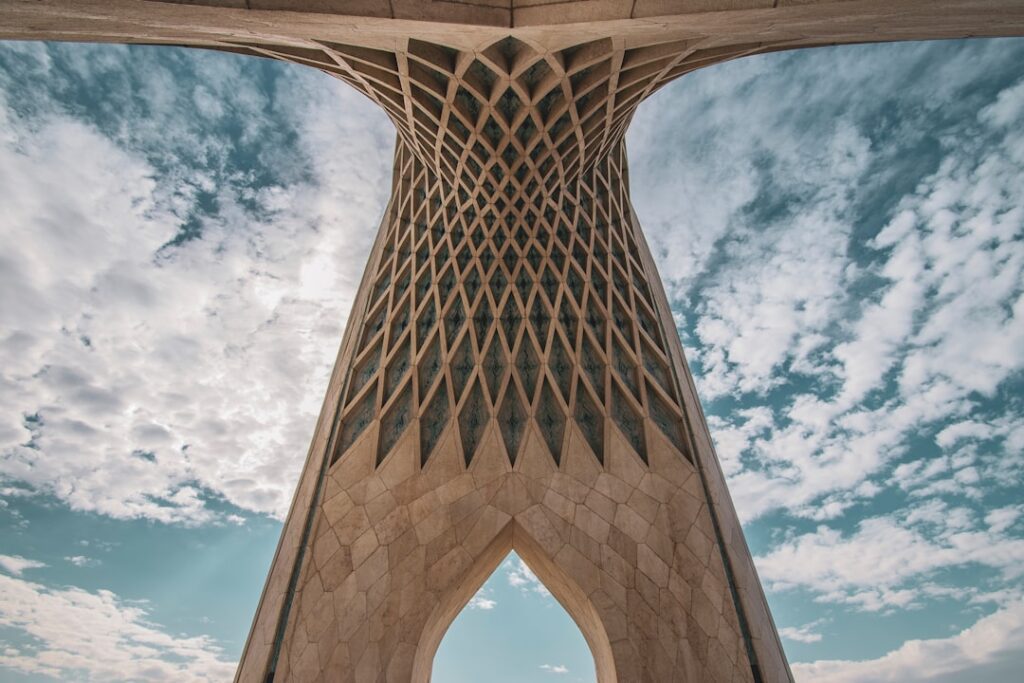
Concrete building during daytime, Baha, Saudi Arabia
- Historic Architecture: Dhee Ayn Village’s 400-year-old marble stone houses built directly into the mountain showcase remarkable pre-Islamic construction techniques.
- Cultural Scene: The annual Baha Summer Festival transforms the city with traditional Ghamdi dances, camel races, and heritage crafts markets each July.
- Local Specialties: Don’t leave without trying Ma’asoub—a sweet banana bread topped with honey, cream, and sesame seeds that locals eat for breakfast.
Pro Tip: Visit between October and April when daytime temperatures average 18-22°C—perfect for hiking. Arrive at popular sites like Dhee Ayn before 9 AM to avoid Saudi weekend crowds and capture the best morning light for photography.
Map of Baha, Saudi Arabia
Use these interactive maps to explore Baha, Saudi Arabia and plan your route:
📍 View Baha, Saudi Arabia on OpenStreetMap
🗺️ Open Baha, Saudi Arabia in Google Maps
Planning Your Trip: Practical Essentials
Getting There and Around
- By Air: Baha Regional Airport (ABT) receives daily Saudia flights from Riyadh (1.5 hours) and Jeddah (1 hour). Taxis to city center cost 50-70 SAR. Book flights at Skyscanner for best deals.
- By Train: No direct rail service—nearest station is in Al Bahah (2 hours by road). Reserve tickets at Trainline or the national railway website.
- By Car: Scenic 4-hour drive from Jeddah via Highway 55 with stunning mountain views. Rental cars average 150-250 SAR/day. Compare car rentals at RentalCars.com.
- Local Transport: Taxis are primary transport (20-50 SAR per trip). No ride-sharing apps operate here yet—hotels can arrange reliable drivers.
Best Time to Visit
Baha’s mountain climate offers relief from Saudi Arabia’s desert heat, with the greenest landscapes appearing after winter rains and comfortable temperatures lasting through spring.
| Season | Weather | Highlights |
|---|---|---|
| Summer (Jun–Aug) | 18-28°C, occasional afternoon showers | Baha Summer Festival, lush greenery, moderate crowds |
| Winter (Dec–Feb) | 5-15°C, crisp mountain air | Foggy mountain views, cozy local cafes, lowest hotel rates |
| Shoulder (Apr–May/Sep–Oct) | 15-25°C, sunny days | Ideal hiking conditions, wildflower blooms, fewer visitors |
Budgeting for Baha, Saudi Arabia

White and brown concrete building during nighttime, Baha, Saudi Arabia
| Category | Budget | Mid-range | Luxury |
|---|---|---|---|
| Accommodation | 150-250 SAR/night (local hotels) | 350-600 SAR/night (4-star) | 800-1,200 SAR/night (resorts) |
| Meals | 40-80 SAR/day (local eateries) | 100-180 SAR/day (restaurants) | 250+ SAR/day (hotel dining) |
| Transport | 60 SAR/day (taxis) | 150 SAR/day (rental car) | 300+ SAR/day (private driver) |
| Activities | Free (hiking, village visits) | 50-100 SAR (guided tours) | 200+ SAR (private guides) |
| Daily Total | 250-390 SAR | 650-1,030 SAR | 1,550+ SAR |
Top Attractions and Must-See Sights
| Attraction | Description | Hours | Entry Fee |
|---|---|---|---|
| Dhee Ayn Village | Ancient marble village clinging to white mountain with 35 preserved stone houses | Sunrise to sunset | Free |
| Raghadan Forest Park | Juniper and acacia forest with hanging bridge and panoramic mountain views | 8 AM-10 PM | 15 SAR |
| Al-Soudah Viewpoint | Saudi Arabia’s highest peak at 3,015 meters with cable car rides | 6 AM-8 PM | Free (cable car 75 SAR) |
| Baha Regional Museum | Comprehensive display of Ghamdi and Zahrani tribal heritage and artifacts | 9 AM-9 PM (closed Mondays) | 10 SAR |
3-Day Itinerary: Baha, Saudi Arabia’s Highlights & Hidden Gems
Day 1: Ancient Villages & Mountain Views
- Morning: 7:30 AM start at Dhee Ayn Village (free) to explore before crowds arrive. The marble construction naturally cools interiors by 10°C—notice how ancient builders used geology for climate control.
- Afternoon: 12:30 PM traditional lunch at Al-Masameer Restaurant (try their signature Madfoon chicken for 45 SAR) followed by 2 PM visit to Prince Hussam Park for panoramic city views.
- Evening: 6 PM stroll through Baha Date Market as vendors close, then dinner at Al-Joud Restaurant for authentic Mandi rice dishes (65 SAR).
Day 2: High Altitude Adventures
- Morning: 6 AM sunrise drive to Al-Soudah peak (free) for spectacular morning views, then 9 AM cable car ride (75 SAR) across deep valleys—the highest in Saudi Arabia at 70 meters above ground.
- Afternoon: 12 PM picnic lunch from local bakeries at Raghadan Forest (25 SAR), followed by 2 PM hike through juniper trails to spot baboons and rare Arabian leopards.
- Evening: 6:30 PM visit to traditional sword-making workshop in Baljurashi district, then dinner at Sahab Hotel’s rooftop restaurant with live traditional music (120 SAR).
Day 3: Cultural Immersion
- Morning: 8 AM taxi to Baha Regional Museum (10 SAR entry) to understand tribal history, then 10:30 AM coffee ceremony experience at a local family’s home (arranged through hotels, 50 SAR).
- Afternoon: 1 PM hands-on cooking class for Ma’asoub at Baha Culinary Center (90 SAR), then 3:30 PM shopping for authentic Ghamdi textiles at Al-Meftaha Village crafts market.
- Evening: 6 PM farewell dinner at Al-Nakheel Restaurant’s garden setting (85 SAR) specializing in grilled meats, then 8 PM traditional Ardah dance performance at King Fahd Cultural Center (free on Thursday nights).
Cultural Insights & Etiquette
- Language: Arabic essential—learn “Marhaba” (hello), “Shukran” (thank you), and “Kaif al-ard?” (how’s the land?—local greeting). English limited outside hotels.
- Customs: Always accept coffee when offered—declining is considered rude. Friday prayers (11:30 AM-1 PM) mean everything closes.
- Tipping: Not expected but appreciated—round up taxi fares, 10-15% in restaurants if service charge not included.
- Dress Code: Conservative attire required—women should wear abaya in public (available for purchase at airport), men should avoid shorts.
- Business Hours: Government: 7:30 AM-2:30 PM; Shopping: 9 AM-12 PM, 4-10 PM; Everything closed during prayer times (5 daily, 20 minutes each).
Where to Eat: Baha, Saudi Arabia’s Best Bites
Baha’s cuisine reflects its mountain environment with hearty grains, free-range meats, and wild honey. Dining is predominantly traditional—you’ll find international options only at major hotels.
Must-Try Local Specialties
- Ma’asoub: Sweet banana flatbread topped with cream, honey and sesame—best at Al-Areedh Bakeries in central market
- Madfoon: Chicken or lamb slow-cooked in underground clay ovens—Al-Masameer Restaurant masters this technique
- Jareesh: Crushed wheat simmered with lamb—look for the Friday special at family-run Al-Murooj Restaurant
Restaurant Recommendations by Budget
| Type | Restaurant | Specialty | Price Range |
|---|---|---|---|
| Budget | Al-Taybah (City Center) | Fresh breads and local breakfast spreads | 25-45 SAR |
| Mid-range | Al-Joud (Prince Sultan Road) | Traditional Mandi and grilled meats | 60-100 SAR |
| Fine dining | Sahab Hotel Restaurant (Al-Soudah) | International with Saudi fusion, mountain views | 150-250 SAR |
Where to Stay
Accommodation ranges from city-center hotels to mountain resorts, with traditional hospitality defining even budget options. Book early during summer festival (July) when availability tightens. Compare prices and book at Booking.com or Airbnb for apartments.
Best Neighborhoods for Accommodation
- City Center: Walking distance to markets and museums, but can be noisy—ideal for short stays and budget travelers
- Al-Soudah District: Mountain resorts with cooler temperatures and stunning views, though 30 minutes from city—perfect for nature lovers
- Prince Sultan Road: Modern hotels with best restaurants nearby—excellent balance of convenience and comfort

A large white building with arches and arches around it, Baha, Saudi Arabia
FAQs: Your Baha, Saudi Arabia Questions Answered
1. Is Baha, Saudi Arabia safe at night?
Extremely safe—Saudi Arabia has one of the world’s lowest crime rates. You can comfortably walk in city centers until midnight. Mountain areas lack lighting, so carry a flashlight after dark.
2. What currency is used and are credit cards accepted?
Saudi Riyal (SAR) is the currency (1 USD ≈ 3.75 SAR). Credit cards accepted at hotels and larger restaurants, but carry cash for markets, taxis, and smaller establishments.
3. How do I get from the airport to the city center?
Official airport taxis cost 50-70 SAR for the 25-minute ride. No public transport available—hotels can arrange pickups for similar rates. Book airport transfers at GetYourGuide for convenience.
4. Do I need to speak the local language?
Arabic is essential outside major hotels. Download a translation app and learn basic greetings—locals appreciate the effort and become more helpful.
5. What’s the appropriate dress code?
Women must wear abayas in public (available at airport for 80-150 SAR). Men should wear long pants—shorts are unacceptable. Dress codes relax somewhat at mountain resorts but remain conservative.
Final Thoughts: Baha, Saudi Arabia Awaits
Baha offers what seasoned travelers seek most: authentic experiences untouched by mass tourism. Here, you’ll discover Saudi Arabia beyond the deserts—where ancient villages cling to marble mountains, where tribal traditions thrive in modern times, and where cool mountain air provides respite from the Arabian heat. The region’s true magic lies in its people’s hospitality and landscapes that defy expectations. Savvy visitors know to schedule extra days for spontaneous invitations to coffee in village homes—these unplanned moments often become your most cherished memories. Before tourism discovers this mountain gem fully, now is your moment to experience Baha’s timeless beauty.
Related Guides
Explore more destinations similar to Baha:

