
Bale Mountains, Ethiopia: Epic Afro-Alpine Wilderness, Rare Wildlife & Ancient Forests (2025)
While crowds flock to Ethiopia’s northern historical circuit, Bale Mountains National Park offers Africa’s most accessible high-altitude wilderness with just 5,000 annual visitors. Here you’ll find the continent’s largest Afro-alpine habitat spanning 2,200 square kilometers, home to more Ethiopian wolves than anywhere else on Earth. This UNESCO-inscribed biosphere reserve delivers pristine hiking through surreal landscapes where you’re more likely to encounter endemic wildlife than other tourists.
Why Bale Mountains, Ethiopia Stands Out

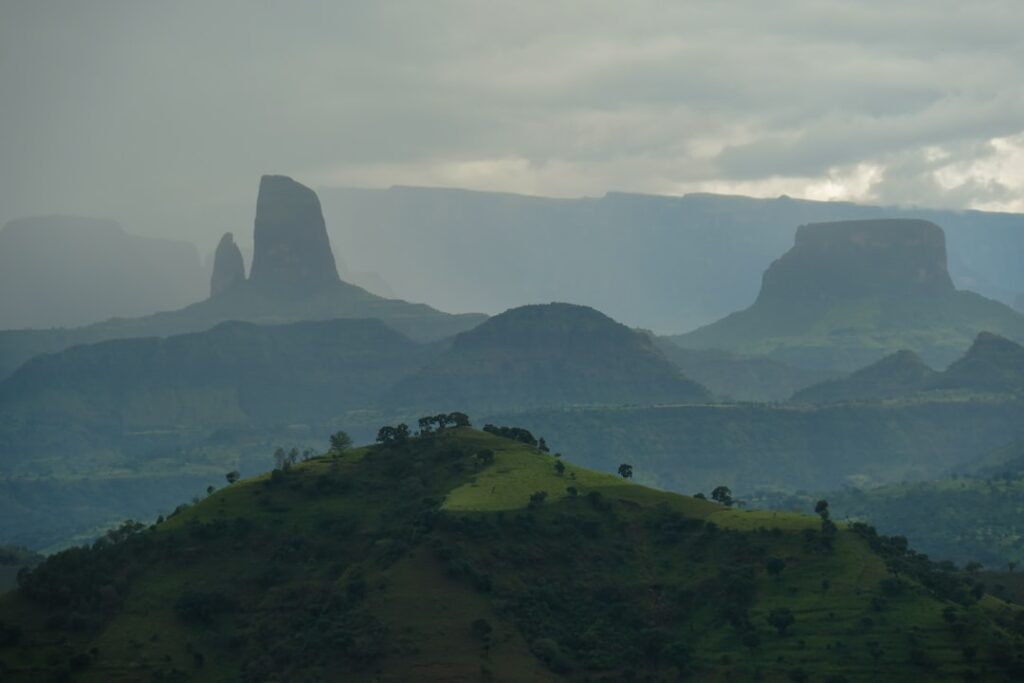
Rock formations, Bale Mountains, Ethiopia
- Historic Architecture: The 19th-century Goba Ras Hotel, built during Emperor Menelik II’s reign, showcases traditional Ethiopian stone architecture and serves as the gateway to the mountains.
- Cultural Scene: The Oromo people’s Irreecha thanksgiving festival each September features vibrant traditional dress and ceremonies at mountain lakes.
- Local Specialties: Don’t miss kitfo – minced raw beef seasoned with mitmita spice blend, served with ayib cheese and kocho bread.
Pro Tip: Visit during the dry season from October to March when wildlife viewing peaks and roads remain accessible; start hikes before 7 AM to catch Ethiopian wolves during their most active hunting hours.
Map of Bale Mountains, Ethiopia
Use these interactive maps to explore Bale Mountains, Ethiopia and plan your route:
📍 View Bale Mountains, Ethiopia on OpenStreetMap
🗺️ Open Bale Mountains, Ethiopia in Google Maps
Planning Your Trip: Practical Essentials
Getting There and Around
- By Air: Fly to Addis Ababa Bole International Airport (ADD), then take Ethiopian Airlines’ 45-minute flight to Robe Airport in Goba. Book flights at Skyscanner for best deals.
- By Train: No direct rail service to Bale Mountains; the nearest major station is in Addis Ababa. Reserve tickets at Trainline or the national railway website for travel within Ethiopia.
- By Car: The 430km drive from Addis Ababa takes 7-8 hours via the Bale Mountains Road; 4WD vehicles are essential for park access. Compare car rentals at RentalCars.com.
- Local Transport: Shared minibuses connect Goba to park entrances (50-100 ETB); guided tours with 4WD vehicles are recommended for park exploration.
Best Time to Visit
The optimal window for visiting Bale Mountains spans the dry months when wildlife congregates around water sources and hiking trails remain accessible. Travelers often discover that shoulder months offer the perfect balance of comfortable temperatures and manageable visitor numbers.
| Season | Weather | Highlights |
|---|---|---|
| Summer (Jun–Aug) | 10-18°C, heavy rainfall | Lush green landscapes, fewer tourists, challenging road conditions |
| Winter (Dec–Feb) | 5-15°C, dry and clear | Prime wildlife viewing, excellent hiking conditions, busy season |
| Shoulder (Apr–May/Sep–Oct) | 8-20°C, occasional showers | Wildflowers blooming, moderate crowds, ideal photography conditions |
Budgeting for Bale Mountains, Ethiopia

Green mountain under white clouds during daytime, Bale Mountains, Ethiopia
| Category | Budget | Mid-range | Luxury |
|---|---|---|---|
| Accommodation | 300-600 ETB camping/local guesthouses | 800-1,500 ETB lodges | 2,500+ ETB luxury eco-lodges |
| Meals | 100-200 ETB local eateries | 250-400 ETB restaurant meals | 500+ ETB fine dining |
| Transport | 50-100 ETB shared minibuses | 1,500-2,500 ETB private 4WD | 3,000+ ETB guided tours |
| Activities | 50 ETB park entry + guide fees | 200-500 ETB guided hikes | 800+ ETB private wildlife tours |
| Daily Total | 500-950 ETB | 2,750-4,900 ETB | 6,800+ ETB |
Top Attractions and Must-See Sights
| Attraction | Description | Hours | Entry Fee |
|---|---|---|---|
| Sanetti Plateau | Africa’s highest paved road traversing otherworldly alpine landscape at 4,000m | 6 AM-6 PM | 50 ETB park fee |
| Harenna Forest | Dense cloud forest hiding wild coffee, giant lobelias, and colobus monkeys | 7 AM-5 PM | 50 ETB park fee |
| Bale Mountains National Park Headquarters | Essential stop for permits, expert guides, and wildlife viewing information | 8 AM-5 PM daily | Free |
| Dinsho Wildlife Sanctuary | Perfect introduction to park’s ecosystems with easy wildlife spotting trails | 6 AM-6 PM | 50 ETB park fee |
3-Day Itinerary: Bale Mountains, Ethiopia’s Highlights & Hidden Gems
Day 1: Wildlife Introduction & Alpine Exploration
- Morning: 7 AM guided walk through Dinsho Wildlife Sanctuary (200 ETB) to spot mountain nyala and Menelik’s bushbuck before the heat sets in.
- Afternoon: Drive up to Sanetti Plateau for lunch at 3,500m elevation and Ethiopian wolf sightings, then visit the stunning Gaysay Plains.
- Evening: Sunset photography at Web Valley followed by dinner at Goba Ras Hotel featuring traditional kitfo (350 ETB).
Day 2: Harenna Forest Immersion
- Morning: 6:30 AM descent into Harenna Forest (guide required, 300 ETB) to track Bale monkeys and wild coffee plants with local experts.
- Afternoon: Picnic lunch at spectacular Sof Omar Cave entrance followed by exploration of the forest’s waterfall circuits.
- Evening: Return to lodge for hot showers and dinner while sharing wildlife sightings with other travelers.
Day 3: High-Altitude Adventure
- Morning: 5:30 AM start for Tullu Dimtu summit hike (4,377m) with packed breakfast, reaching Africa’s second-highest road point by 9 AM.
- Afternoon: Descend to Rira village for authentic Oromo lunch at local family home (arranged through guide, 150 ETB).
- Evening: Farewell coffee ceremony at your accommodation before early departure planning.
Cultural Insights & Etiquette
- Language: Learn basic Oromo phrases: “Akkam jirta?” (How are you?), “Galatoomi” (Thank you); English is limited outside main towns
- Customs: Always accept coffee when offered; removing shoes before entering homes shows respect; ask permission before photographing people
- Tipping: Guides expect 10-15% of tour cost; restaurant tipping isn’t customary but appreciated for exceptional service
- Dress Code: Modest clothing preferred; layers essential for rapid weather changes; sturdy hiking boots mandatory
- Business Hours: Government offices 8:30 AM-5:30 PM; shops close for lunch 12-1 PM; Sunday is rest day with limited services
Where to Eat: Bale Mountains, Ethiopia’s Best Bites
Bale Mountains dining revolves around hearty Ethiopian cuisine designed to fuel high-altitude adventures. You’ll find that local eateries serve generous portions of traditional dishes, while lodges often incorporate international options for diverse palates.
Must-Try Local Specialties
- Kitfo: Finely minced raw beef seasoned with mitmita and served with ayib cheese; best at Goba Ras Hotel’s restaurant
- Tihlo: Barley dough balls dipped in spicy meat sauce; seek out local women selling this specialty in Dinsho village
- Buna: Traditional coffee ceremony experience with popcorn; arranged through most accommodations
Restaurant Recommendations by Budget
| Type | Restaurant | Specialty | Price Range |
|---|---|---|---|
| Budget | Dinsho Local Eatery near park headquarters | Fresh injera with various wots | 80-150 ETB |
| Mid-range | Goba Ras Hotel Restaurant | Traditional kitfo and tibs | 250-400 ETB |
| Fine dining | Bale Mountain Lodge restaurant | Fusion Ethiopian-European cuisine | 500-800 ETB |
Where to Stay
Accommodation ranges from basic camping to luxurious eco-lodges, with most options clustered around Goba and Dinsho. Savvy visitors know to book well in advance during peak season, as quality lodging fills quickly. Compare prices and book at Booking.com or Airbnb for apartments.
Best Neighborhoods for Accommodation
- Goba Town: Gateway to the mountains with varied accommodation and services; ideal for first-time visitors needing amenities
- Dinsho Area: Closest to park headquarters with excellent wildlife viewing; perfect for serious hikers and photographers
- Rira Village: Remote forest-edge location offering authentic cultural experiences; suits adventurous travelers seeking immersion

A scenic view of a mountain range with clouds in the sky, Bale Mountains, Ethiopia
FAQs: Your Bale Mountains, Ethiopia Questions Answered
1. Is Bale Mountains, Ethiopia safe at night?
Within park boundaries and main towns, safety concerns are minimal, though hiking after dark isn’t recommended due to wildlife. Always travel with a guide in remote areas and secure valuables at accommodations.
2. What currency is used and are credit cards accepted?
Ethiopian Birr (ETB) is the local currency; credit cards are rarely accepted outside major hotels in Goba. Carry sufficient cash in smaller denominations for park fees, guides, and local purchases.
3. How do I get from the airport to the city center?
From Robe Airport, shared taxis to Goba cost 100-150 ETB (30 minutes). Pre-arranged transfers through accommodations are more reliable. Book airport transfers at GetYourGuide for convenience.
4. Do I need to speak the local language?
While English is spoken at tourist facilities and by guides, learning basic Oromo phrases enhances interactions with local communities. Essential phrases include greetings and numbers for bargaining.
5. What’s the appropriate dress code?
Layered clothing is essential for rapid temperature changes. Modest dress respecting local customs is appreciated, with sturdy waterproof hiking boots being non-negotiable for trail exploration.
Final Thoughts: Bale Mountains, Ethiopia Awaits
The Bale Mountains offer one of Africa’s most extraordinary wilderness experiences, where you can witness ecological wonders found nowhere else on Earth. From tracking the rare Ethiopian wolf across lunar-like plateaus to exploring ancient forests dripping with wild coffee, this destination rewards adventurous spirits with unforgettable encounters. Travelers often discover that the mountains’ true magic lies not just in the spectacular landscapes, but in the warm hospitality of the Oromo communities who call this region home. Your best approach? Hire a knowledgeable local guide—they’ll transform your visit from a simple tour into a profound connection with one of Ethiopia’s most breathtaking regions. Don’t wait too long to experience this remarkable corner of Africa before the world discovers what you already know.
Related Guides
Explore more destinations similar to Bale Mountains:
- Mornington Island, Australia’s Best Culture, Country & Coastal Serenity (2025)
- Sheki, Azerbaijan’s Best Silk Road Palaces, Stained Glass & Mountain Cuisine (2025)
- Prince Edward Island, Canada: Essential Anne’s Legacy, Red Sands & Lobster Suppers (2025)
- Svaneti’s Ushguli Village, Georgia: Ultimate Towers, Trails & Timeless Culture (2026)

