
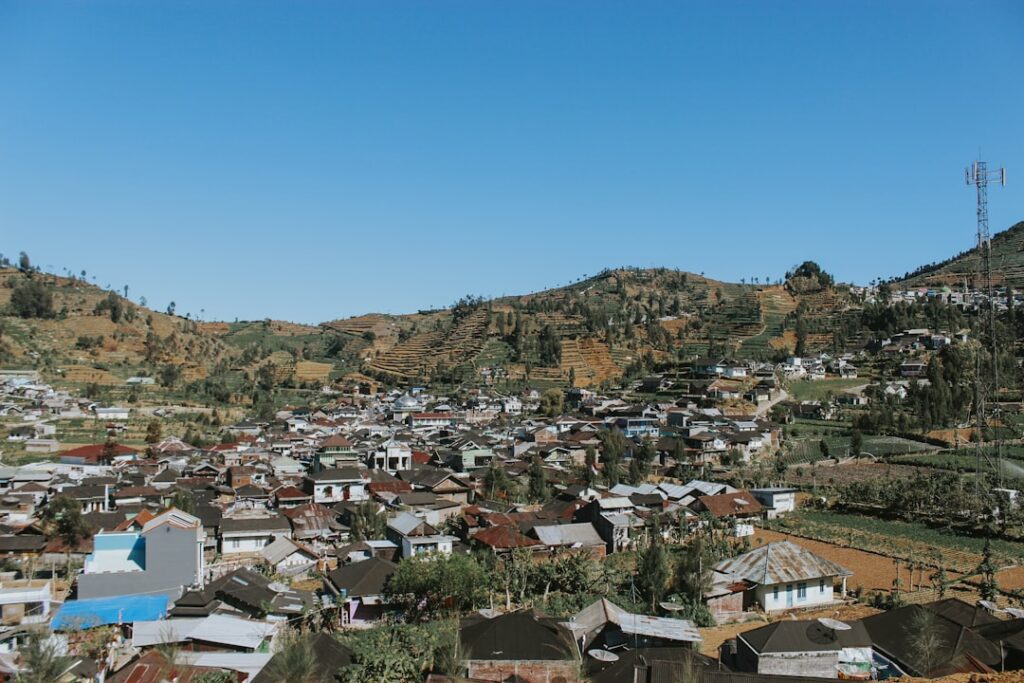
Lobamba, Eswatini: Stunning Royal Traditions, Cultural Spectacles & Mountain Adventures (2025)
Lobamba, Eswatini isn’t just a destination—it’s a living tapestry of Swazi heritage woven into the Ezulwini Valley. The rhythmic stomping of reed dancers’ bare feet echoes against royal kraals while the scent of braai meat sizzling over open fires fills the air. This is where ancient traditions meet modern Africa in the heart of the kingdom.
Why Lobamba, Eswatini Stands Out

A body of water with trees and hills in the background, Lobamba, Eswatini
- Historic Architecture: The Lobamba Royal Village, established in the 18th century, serves as the spiritual and political heart of the Swazi nation.
- Cultural Scene: The Umhlanga Reed Dance in August/September draws 50,000+ maidens in one of Africa’s most spectacular cultural festivals.
- Local Specialties: Sishwala, a thick maize porridge served with meat stew and seasonal vegetables, is the national dish every visitor must experience.
Pro Tip: Visit during the last week of August to catch the Umhlanga Reed Dance rehearsals with smaller crowds, then stay for the main event in early September when the King makes his appearance.
Map of Lobamba, Eswatini
Use these interactive maps to explore Lobamba, Eswatini and plan your route:
📍 View Lobamba, Eswatini on OpenStreetMap
🗺️ Open Lobamba, Eswatini in Google Maps
Planning Your Trip: Practical Essentials
Getting There and Around
- By Air: King Mswati III International Airport (SHO) is 25km away, served by Airlink from Johannesburg. Taxis cost E300 ($16) to Lobamba. Book flights at Skyscanner for best deals.
- By Train: No direct rail service to Lobamba; nearest station is in Matsapha (30km). Reserve tickets at Trainline or the national railway website.
- By Car: MR3 highway connects to Mbabane; parking available at major attractions. Compare car rentals at RentalCars.com.
- Local Transport: Kombi minibuses cost E10-20 per ride; taxis E50-100 within town. Check official city transport websites for passes and schedules.
Best Time to Visit
Lobamba offers distinct seasonal experiences, with cultural festivals dictating the optimal travel periods for different interests.
| Season | Weather | Highlights |
|---|---|---|
| Summer (Jun–Aug) | 15-25°C, dry and sunny | Umhlanga Reed Dance, perfect hiking weather, peak cultural season with moderate crowds |
| Winter (Dec–Feb) | 20-30°C, occasional rain | Incwala Ceremony (sacred kingship ritual), lush green landscapes, fewer tourists but limited ceremony access |
| Shoulder (Apr–May/Sep–Oct) | 18-28°C, mild and dry | Best for wildlife viewing at Mlilwane, comfortable exploration, lowest accommodation prices |
Budgeting for Lobamba, Eswatini

Cars are parked in a lot under a cloudy sky., Lobamba, Eswatini
| Category | Budget | Mid-range | Luxury |
|---|---|---|---|
| Accommodation | E350-600 ($18-32) backpackers | E800-1,500 ($42-79) guesthouses | E2,000+ ($105+) luxury lodges |
| Meals | E50-80 ($3-4) street food | E120-200 ($6-11) restaurants | E300+ ($16+) fine dining |
| Transport | E50 ($3) kombi daily | E200 ($11) taxi daily | E500 ($26) private driver |
| Activities | E100 ($5) museum entry | E250 ($13) cultural tours | E600 ($32) private guides |
| Daily Total | E550 ($29) | E1,370 ($72) | E3,400+ ($179+) |
Top Attractions and Must-See Sights
| Attraction | Description | Hours | Entry Fee |
|---|---|---|---|
| National Museum | Comprehensive history of Swazi culture with royal artifacts and traditional crafts | 8 AM-4 PM Mon-Fri | E50 ($3) |
| Mlilwane Wildlife Sanctuary | Eswatini’s first protected park with walking safaris among antelope and zebra | 6 AM-6 PM daily | E100 ($5) |
| King Sobhuza II Memorial Park | Resting place of Africa’s longest-reigning monarch with ceremonial grounds | 9 AM-5 PM daily | E30 ($2) |
| Swazi Cultural Village | Living museum with traditional homesteads and craft demonstrations | 8 AM-4 PM daily | E80 ($4) |
3-Day Itinerary: Lobamba, Eswatini’s Highlights & Hidden Gems
Day 1: Royal Heritage & Cultural Immersion
- Morning: 7:30 AM guided tour at National Museum (E150 including guide) to see the King Sobhuza II photographic collection before crowds arrive.
- Afternoon: 12 PM traditional lunch at Mbingo’s Restaurant for their famous sishwala with beef stew (E120) followed by Swazi Cultural Village craft workshops.
- Evening: 6 PM sunset viewing at King Sobhuza II Memorial Park followed by dinner at Malandela’s Restaurant for fusion Swazi-Italian cuisine (E250-400).
Day 2: Wildlife & Adventure
- Morning: 6:30 AM walking safari at Mlilwane Wildlife Sanctuary (E200 including guide) – early hours offer best animal sightings and cooler temperatures.
- Afternoon: 1 PM lunch at Mlilwane Rest Camp’s Hippo Haunt restaurant overlooking the watering hole, then mountain biking through the sanctuary (E150 bike rental).
- Evening: 7 PM traditional marimba music performance at Mantenga Cultural Village (E100 entry) with local beer tasting.
Day 3: Local Life & Crafts
- Morning: 8 AM kombi (E15) to Ezulwini Craft Market for authentic Swazi handicrafts – arrive early for best selection of wooden carvings and glassware.
- Afternoon: 12:30 PM cooking class at Gables Shopping Centre (E300) learning to prepare traditional dishes, followed by lunch enjoying your creations.
- Evening: 6 PM farewell dinner at The Gallery Restaurant for contemporary Swazi cuisine with panoramic valley views (E350-500).
Cultural Insights & Etiquette
- Language: Learn “Sawubona” (hello), “Ngiyabonga” (thank you), and “Yebo” (yes) – English is widely spoken in tourist areas.
- Customs: Always ask permission before photographing people, especially during ceremonies; use right hand for giving/receiving items.
- Tipping: 10% in restaurants is appreciated; round up taxi fares; E20-50 for guides depending on service quality.
- Dress Code: Modest clothing preferred, especially during cultural events; women should cover shoulders and knees at royal sites.
- Business Hours: Shops 8 AM-5 PM weekdays, 8 AM-1 PM Saturdays; closed Sundays; major holidays affect access to attractions.
Where to Eat: Lobamba, Eswatini’s Best Bites
Swazi cuisine centers around maize, meat, and seasonal vegetables with Portuguese and British influences from colonial history. Dining ranges from street food stalls to sophisticated restaurants in nearby Ezulwini Valley.
Must-Try Local Specialties
- Sishwala: Thick maize porridge served with meat stew and spinach – best at Mbingo’s Restaurant or local homestead tours
- Braai Meat: Flame-grilled beef and boerewors sausage – find the best at weekend markets and Butcher’s Grill
- Emasi: Fermented milk mixed with maize meal – traditional breakfast available at morning markets and B&B’s
Restaurant Recommendations by Budget
| Type | Restaurant | Specialty | Price Range |
|---|---|---|---|
| Budget | Lobamba Market Stalls | Fresh roasted maize and meat skewers | E20-50 ($1-3) |
| Mid-range | Malandela’s Restaurant | Swazi-Italian fusion pastas and grills | E150-300 ($8-16) |
| Fine dining | The Gallery Restaurant | Game meat platters with wine pairings | E400-600 ($21-32) |
Where to Stay
Accommodation ranges from royal-approved luxury lodges to backpacker hostels, with the Ezulwini Valley offering the highest concentration of quality options. Compare prices and book at Booking.com or Airbnb for apartments.
Best Neighborhoods for Accommodation
- Lobamba Central: Walking distance to royal sites and museums, limited dining options, ideal for culture-focused travelers
- Ezulwini Valley: 5km from Lobamba, resort-style accommodations with pools and restaurants, perfect for families and luxury seekers
- Mlilwane Area: Wildlife sanctuary adjacent, rustic chalets and camping, best for nature enthusiasts and adventurers

Aerial view of city during daytime, Lobamba, Eswatini
FAQs: Your Lobamba, Eswatini Questions Answered
1. Is Lobamba, Eswatini safe at night?
Lobamba is generally safe, but avoid walking alone after dark; use registered taxis (E50-100). During major festivals, increased police presence ensures security in crowded areas.
2. What currency is used and are credit cards accepted?
Swazi Lilangeni (E) pegged 1:1 with South African Rand; both accepted. Credit cards work at hotels and larger restaurants, but carry cash for markets and transport.
3. How do I get from the airport to the city center?
King Mswati III Airport taxis cost E300 ($16) for the 40-minute ride; pre-book through your accommodation. Book airport transfers at GetYourGuide for convenience.
4. Do I need to speak the local language?
English is official and widely spoken in tourism; learning basic SiSwati greetings will enhance your experience and show respect for local culture.
5. What’s the appropriate dress code?
Modest, comfortable clothing; women should cover shoulders and knees at cultural sites. During Umhlanga, traditional attire is welcomed but not required for visitors.
Final Thoughts: Lobamba, Eswatini Awaits
Lobamba offers an authentic African cultural experience unmatched in the region, where ancient traditions remain vibrantly alive alongside modern comforts. From the thunderous energy of the Reed Dance to the peaceful wildlife encounters at Mlilwane, this royal capital provides profound connections to Swazi heritage. Plan around the cultural calendar for maximum impact, embrace the slow pace of kingdom life, and prepare for hospitality that will linger in your memory long after you’ve returned home.
Keywords
Lobamba, Eswatini travel guide, Lobamba, Eswatini attractions, things to do in Lobamba, Eswatini, Lobamba, Eswatini itinerary, Lobamba, Eswatini restaurants, Lobamba, Eswatini hotels, visit Lobamba, Eswatini, Lobamba, Eswatini tourism, Lobamba, Eswatini vacation, Lobamba, Eswatini trip planning
Related Guides
Explore more destinations similar to Lobamba:

