
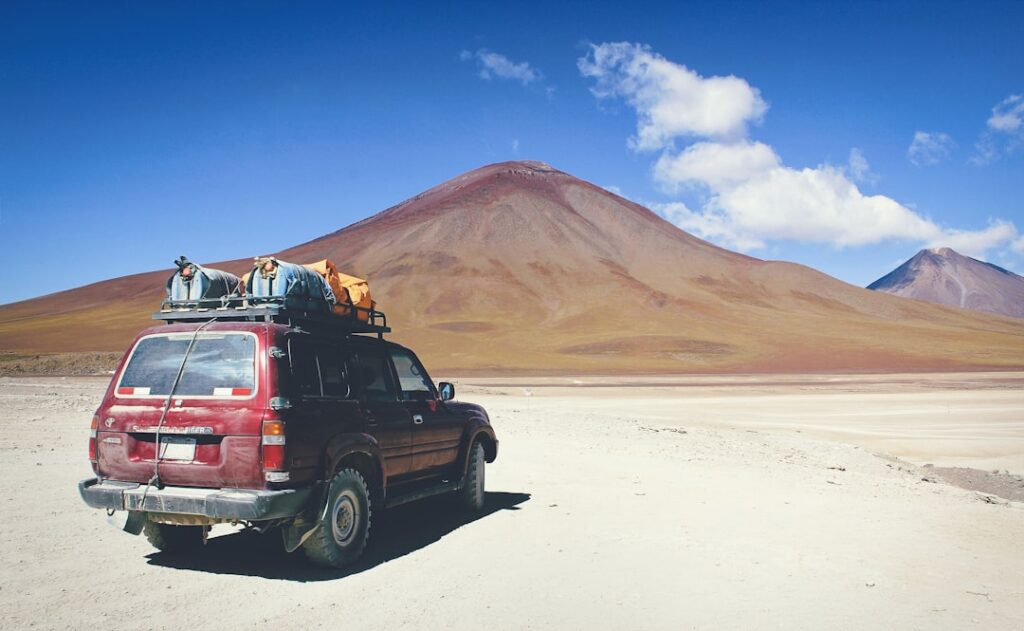
Altiplano, Bolivia: Hidden Salt Flats, Indigenous Culture & High-Altitude Adventures (2025)
Altiplano, Bolivia isn’t just a destination—it’s a high-altitude dreamscape where earth meets sky. The crisp morning air carries the scent of burning palo santo as Quechua women in colorful pollera skirts herd llamas across golden plains, their melodic Spanish blending with ancient Aymara phrases. This vast plateau offers a raw, unfiltered connection to South America’s indigenous soul.
Why Altiplano, Bolivia Stands Out

Body of water, Altiplano, Bolivia
- Historic Architecture: Tiwanaku’s Akapana Pyramid (600-1000 AD) showcases pre-Incan engineering with precisely cut stones aligned to celestial events.
- Cultural Scene: The Alasitas Festival in January features miniature offerings to Ekeko, the Aymara god of abundance, where locals buy tiny houses and cars hoping for real versions.
- Local Specialties: Sajta de Pollo, a spicy chicken stew with potatoes and yellow chili pepper, served with quinoa during Sunday family gatherings.
Pro Tip: Visit May through October for dry season conditions—the salt flats transform into perfect mirrors after rare rains in May, while July-August offers crystal-clear skies but freezing nights (bring thermal layers). Avoid November-March rainy season when roads become impassable.
Map of Altiplano, Bolivia
Use these interactive maps to explore Altiplano, Bolivia and plan your route:
📍 View Altiplano, Bolivia on OpenStreetMap
🗺️ Open Altiplano, Bolivia in Google Maps
Planning Your Trip: Practical Essentials
Getting There and Around
- By Air: El Alto International Airport (LPB) serves international flights from Miami, Madrid, and Lima plus domestic routes. Taxis to La Paz cost 80-100 BOB ($12-15). Book flights at Skyscanner for best deals.
- By Train: No passenger rail service currently operates in the Altiplano region—travel between cities via bus or private transport.
- By Car: Ruta Nacional 1 connects La Paz to Oruro with stunning mountain views. 4WD essential for salt flat tours. Compare car rentals at RentalCars.com.
- Local Transport: Microbuses (3 BOB/$0.45) and trufis (shared taxis, 5 BOB/$0.75) connect cities. For Uyuni salt flats, join tours (600 BOB/$90 for 3 days) or hire private 4×4 with driver (2000 BOB/$300 daily).
Best Time to Visit
The Altiplano’s extreme altitude (3,600-4,500m) creates dramatic seasonal variations. Dry season (May-Oct) offers optimal conditions for salt flat photography and hiking, while shoulder months provide fewer crowds.
| Season | Weather | Highlights |
|---|---|---|
| Summer (Jun–Aug) | Day: 15°C (59°F), Night: -10°C (14°F), Clear skies | Perfect salt flat photography, Inti Raymi festivals, crowded attractions |
| Winter (Dec–Feb) | Day: 18°C (64°F), Night: 5°C (41°F), Heavy rainfall | Lush landscapes, few tourists, many roads impassable |
| Shoulder (Apr–May/Sep–Oct) | Day: 16°C (61°F), Night: 0°C (32°F), Occasional showers | Mirror effect on salt flats, moderate crowds, lower prices |
Budgeting for Altiplano, Bolivia

A body of water with mountains in the background, Altiplano, Bolivia
| Category | Budget | Mid-range | Luxury |
|---|---|---|---|
| Accommodation | Hostels: 80-120 BOB ($12-18) | Hotels: 250-400 BOB ($37-60) | Lodges: 800+ BOB ($120+) |
| Meals | Market meals: 15-25 BOB ($2-4) | Restaurants: 40-80 BOB ($6-12) | Fine dining: 150+ BOB ($22+) |
| Transport | Local buses: 3-5 BOB ($0.45-0.75) | Taxis: 20-50 BOB ($3-7) | Private drivers: 500 BOB ($75) |
| Activities | Free hikes, plazas: 0 BOB | Museum entries: 20-40 BOB ($3-6) | Private tours: 800+ BOB ($120+) |
| Daily Total | 150 BOB ($22) | 450 BOB ($67) | 1200+ BOB ($180+) |
Top Attractions and Must-See Sights
| Attraction | Description | Hours | Entry Fee |
|---|---|---|---|
| Salar de Uyuni | World’s largest salt flat creating surreal mirror effects during rainy season | 24/7 access | 30 BOB ($4.50) park fee |
| Tiwanaku Ruins | Ancient spiritual capital with monolithic Gate of the Sun and underground temple | 9 AM-4 PM daily | 80 BOB ($12) foreign tourists |
| Moon Valley (Valle de la Luna) | Erosion-formed clay landscape resembling lunar surface near La Paz | 8 AM-5:30 PM | 15 BOB ($2.25) |
| Isla Incahuasi | Cactus-covered island in salt flats with panoramic views and fossil deposits | Sunrise-sunset | 30 BOB ($4.50) included in park fee |
3-Day Itinerary: Altiplano, Bolivia’s Highlights & Hidden Gems
Day 1: La Paz & Ancient Cultures
- Morning: 7 AM cable car ride (3 BOB/$0.45) from Estación Central to El Alto for breathtaking city views. Visit the Witches’ Market for traditional remedies and llama fetus ceremonies.
- Afternoon: Explore Plaza Murillo’s presidential palace and cathedral, then lunch at Ali Pacha (Calle Jaén 710) for innovative vegan Bolivian cuisine (85 BOB/$13 tasting menu).
- Evening: 6 PM folkloric show at Peña Marka Tambo (Calle Jaén 710) with traditional dances and dinner (120 BOB/$18 including pique macho dish).
Day 2: Salt Flats Adventure
- Morning: 5 AM start for Salar de Uyuni tour (600 BOB/$90 3-day group tour) – watch sunrise over salt flats and visit Train Cemetery with abandoned 19th-century locomotives.
- Afternoon: Perspective photography on salt flats and visit Colchani salt processing village. Lunch at salt hotel restaurant featuring traditional quinoa soup (25 BOB/$3.75).
- Evening: Stargazing on salt flats – some of the clearest skies in South America with Milky Way visible to naked eye. Overnight at Luna Salada Hotel made entirely of salt blocks.
Day 3: High-Altitude Wonders
- Morning: 4WD journey (included in tour) to Eduardo Avaroa Reserve – see geysers at 5000m elevation and flamingo-filled Laguna Colorada (red lagoon).
- Afternoon: Visit stone tree formation and lunch at remote desert shelter with llama steak (30 BOB/$4.50). Spot vicuñas and viscachas (rabbit-squirrel hybrids).
- Evening: Thermal bath soak at Polques hot springs (6 BOB/$0.90 entry) surrounded by mountain scenery before return to Uyuni.
Cultural Insights & Etiquette
- Language: Spanish and indigenous languages (Aymara, Quechua). Essential phrases: “Allillanchu” (Hello in Quechua), “Jallalla” (Cheers/to life), “Imaynalla?” (How are you?)
- Customs: Always ask permission before photographing locals (especially indigenous women). Remove shoes when entering homes. Never point with fingers – use lips instead.
- Tipping: 10% in restaurants only if service charge not included. Tour guides expect 40-60 BOB ($6-9) per day. Round up taxi fares.
- Dress Code: Conservative clothing recommended, especially at religious sites. Layers essential for temperature swings. Wide-brimmed hat for intense sun.
- Business Hours: Shops 9 AM-7 PM with 2-4 PM siesta. Government offices 8:30 AM-4 PM. Sunday everything closes except tourist areas.
Where to Eat: Altiplano, Bolivia’s Best Bites
Bolivian cuisine reflects indigenous traditions with Spanish influences—expect hearty stews, ancient grains, and unique high-altitude ingredients. Dining is social and leisurely, with lunch as the main meal.
Must-Try Local Specialties
- Salteñas: Baked empanadas with sweet-savory meat filling. Best at Salteñas Paceñas in La Paz (12 BOB/$1.80) served 9-11 AM only.
- Quinoa Soup: Nutrient-rich traditional soup with vegetables. Try at Hotel Rosario’s restaurant in Uyuni with views of salt flats (22 BOB/$3.25).
- Llama Steak: Lean, tender meat similar to beef. Find at Minuteman Pizza in Uyuni (surprisingly excellent, 45 BOB/$6.75) or higher-end La Cabaña in La Paz.
Restaurant Recommendations by Budget
| Type | Restaurant | Specialty | Price Range |
|---|---|---|---|
| Budget | Market stalls, Mercado Lanza, La Paz | Api con pastel (purple corn drink with cheese pastries) | 8-15 BOB ($1.20-2.25) |
| Mid-range | Angelo Colonial, Potosí | Traditional pique a lo macho with llama meat | 45-70 BOB ($6.75-10.50) |
| Fine dining | Gustu, La Paz (world-ranked) | Modern Bolivian tasting menu with Amazonian ingredients | 450+ BOB ($68+) |
Where to Stay
Accommodation ranges from basic salt hotels to luxury eco-lodges. Book well ahead for salt flat tours during peak season. Compare prices and book at Booking.com or Airbnb for apartments.
Best Neighborhoods for Accommodation
- La Paz Centro: Historic center with colonial architecture, close to attractions but noisy. Ideal for first-time visitors wanting walkable access.
- Uyuni Town: Basic but convenient salt flat tour departure point. Limited luxury options but best location for early starts to Salar.
- Sopocachi, La Paz: Upscale residential area with excellent restaurants and quieter streets. Perfect for travelers wanting comfort and local immersion.

Brown road during day time, Altiplano, Bolivia
FAQs: Your Altiplano, Bolivia Questions Answered
1. Is Altiplano, Bolivia safe at night?
Generally safe, but take precautions: avoid isolated areas after dark, use registered taxis (not street cabs), and don’t display expensive electronics. Petty theft occurs in crowded markets—keep valuables secure and be aware of distraction techniques.
2. What currency is used and are credit cards accepted?
Bolivian Boliviano (BOB). US dollars accepted at hotels and tour operators. Credit cards work in upscale establishments, but carry cash for markets, local restaurants, and rural areas. ATMs available in cities but often have withdrawal limits of 2000 BOB ($300).
3. How do I get from the airport to the city center?
From El Alto Airport to La Paz: official airport taxis cost 80-100 BOB ($12-15) for 30-minute ride. Microbuses (2 BOB/$0.30) available but challenging with luggage. Pre-book private transfers for 120 BOB ($18). Book airport transfers at GetYourGuide for convenience.
4. Do I need to speak the local language?
Basic Spanish essential outside tourist areas—English limited to hotels and tour operators. Learn key phrases: “Cuánto cuesta?” (How much?), “Dónde está…?” (Where is…?), “La cuenta, por favor” (Check please). Locals appreciate attempts at Aymara greetings.
5. What’s the appropriate dress code?
Layered clothing for extreme temperature changes. Sun protection essential at high altitude. Modest dress for churches and rural communities. Sturdy walking shoes for uneven terrain. Formal wear unnecessary except at top-end restaurants in La Paz.
Final Thoughts: Altiplano, Bolivia Awaits
The Altiplano offers one of South America’s most authentic and dramatic travel experiences—from the blinding white expanse of Salar de Uyuni to the living indigenous cultures that have thrived here for millennia. This isn’t a comfortable, polished destination, but rather a raw, breathtaking journey that will challenge your perceptions and reward you with unforgettable moments. Come prepared for altitude, embrace the slow pace of highland life, and you’ll discover why Bolivia’s heartland captures travelers’ hearts long after they descend to lower elevations.
Keywords
Altiplano, Bolivia travel guide, Altiplano, Bolivia attractions, things to do in Altiplano, Bolivia, Altiplano, Bolivia itinerary, Altiplano, Bolivia restaurants, Altiplano, Bolivia hotels, visit Altiplano, Bolivia, Altiplano, Bolivia tourism, Altiplano, Bolivia vacation, Altiplano, Bolivia trip planning
Related Guides
Explore more destinations similar to Altiplano:
- Tiraspol, Transnistria: Ultimate Soviet Nostalgia, Unrecognized Charm & Time-Capsule Culture (2025)
- Oranjestad, Aruba: Incredible Pastel Charm, Duty-Free Bliss & Caribbean Culture (2026)
- Whitsundays, Australia’s Ultimate Sailing, Sand & The Great Barrier Reef (2026)
- Koh Phangan Beach, Thailand: Best Full Moon Parties, Jungle Serenity & Secret Coves (2026)

