
Pantanal, Brazil’s Amazing Wildlife, Wetlands & Wild Adventures (2025)
Pantanal, Brazil isn’t just a destination—it’s a living, breathing tapestry of nature’s raw power. The scent of wet earth fills the air as capybaras graze near water hyacinths, while the distant roar of jaguars echoes across flooded plains. It’s the world’s largest tropical wetland teeming with biodiversity at every turn.
Why Pantanal, Brazil Stands Out

Green trees beside body of water during daytime, Pantanal, Brazil
- Historic Architecture: Porto Geral de Corumbá (1867) – the historic river port that served as gateway to the Pantanal during the rubber boom era.
- Cultural Scene: Festival de Inverno de Bonito – July winter festival celebrating Pantanal culture with traditional music, dance, and local crafts.
- Local Specialties: Caldo de Piranha – a bold fish soup made with the region’s infamous piranha, believed to have aphrodisiac properties.
Pro Tip: Visit during the dry season (July-September) when animals concentrate around shrinking water sources, making wildlife spotting dramatically easier. Book pousadas 6 months in advance for this peak period.
Map of Pantanal, Brazil
Use these interactive maps to explore Pantanal, Brazil and plan your route:
📍 View Pantanal, Brazil on OpenStreetMap
🗺️ Open Pantanal, Brazil in Google Maps
Planning Your Trip: Practical Essentials
Getting There and Around
- By Air: Fly into Campo Grande International (CGR) or Cuiabá International (CGB) with LATAM or Azul Airlines, then take 4-5 hour transfers to Pantanal lodges. Book flights at Skyscanner for best deals.
- By Train: No direct rail service to Pantanal; closest stations are in Campo Grande (4 hours away). Reserve tickets at Trainline or the national railway website.
- By Car: Transpantaneira Highway (MT-060) from Poconé offers best wildlife viewing; rent 4×4 vehicles from Localiza Rent a Car. Compare car rentals at RentalCars.com.
- Local Transport: Boat transfers between lodges ($50-100), guided safari trucks ($80-150/day), horseback riding ($40-70). Check official city transport websites for passes and schedules.
Best Time to Visit
The Pantanal transforms dramatically between wet and dry seasons, each offering unique wildlife experiences and accessibility challenges.
| Season | Weather | Highlights |
|---|---|---|
| Dry Season (Jun–Aug) | 25-32°C, minimal rain, low humidity | Peak jaguar spotting, concentrated wildlife at waterholes, excellent hiking conditions |
| Wet Season (Dec–Feb) | 30-35°C, heavy rainfall, high humidity | Lush landscapes, bird nesting season, boat-only access to flooded areas |
| Shoulder (Apr–May/Sep–Oct) | 28-33°C, moderate rainfall | Fewer crowds, lower prices, transitioning wildlife patterns |
Budgeting for Pantanal, Brazil

A large leopard laying on top of a sandy beach, Pantanal, Brazil
| Category | Budget | Mid-range | Luxury |
|---|---|---|---|
| Accommodation | $30-50/night (basic pousada) | $80-150/night (comfortable lodge) | $250-500/night (all-inclusive safari lodge) |
| Meals | $10-15/day (local restaurants) | $25-40/day (lodge dining) | $60-100/day (gourmet meals included) |
| Transport | $20/day (shared transfers) | $50/day (private transfers) | $150/day (private boat/vehicle) |
| Activities | $30/day (self-guided hikes) | $80/day (guided tours) | $200/day (private specialist guides) |
| Daily Total | $90-115 | $235-320 | $660-950 |
Top Attractions and Must-See Sights
| Attraction | Description | Hours | Entry Fee |
|---|---|---|---|
| Porto Jofre Jaguar Spotting | World’s best location for wild jaguar sightings along the Cuiabá River | 6 AM-6 PM (boat tours) | $120-200 (guided boat tour) |
| Transpantaneira Highway | 122 wooden bridges along 147km road offering unparalleled wildlife viewing from vehicle | 24 hours | Free (road access) |
| Sesc Porto Cercado Reserve | 26,000-hectare private reserve with guided hikes, canoeing, and wildlife observation towers | 7 AM-5 PM | $25 (day pass) |
| Meeting of the Waters State Park | Where the Cuiabá and Paraguay rivers converge, creating unique aquatic ecosystems | 8 AM-4 PM | $15 (park entry) |
3-Day Itinerary: Pantanal, Brazil’s Highlights & Hidden Gems
Day 1: Gateway to the Wetlands
- Morning: 7 AM pickup from Cuiabá airport for 4-hour transfer to Pousada Alegre ($60), stopping at Poconé wetlands for first capybara and caiman sightings.
- Afternoon: 12 PM check-in followed by 3-hour horseback safari through flooded fields and lunch at Pousada’s restaurant (try the Pintado fish stew – $18).
- Evening: 6 PM nocturnal spotlight safari to observe night-active animals like tapirs and owls, followed by traditional Brazilian barbecue dinner.
Day 2: River Adventures & Jaguar Quest
- Morning: 5:30 AM boat departure for Porto Jofre jaguar spotting ($180 including lunch) – bring binoculars and telephoto lens for best photos.
- Afternoon: 1 PM riverside lunch at Flutuante do Edson floating restaurant, then piranha fishing demonstration using raw meat as bait.
- Evening: 6 PM return to lodge for photography workshop on capturing Pantanal wildlife, followed by dinner featuring local Pacu fish.
Day 3: Cultural Immersion & Departure
- Morning: 7 AM transfer to traditional Pantaneiro cattle ranch ($40) for cowboy culture experience and cattle herding demonstration.
- Afternoon: 12 PM farewell lunch at Rancho da Gula in Cáceres featuring Carne Seca (sun-dried beef) then visit local artisan market for leather crafts.
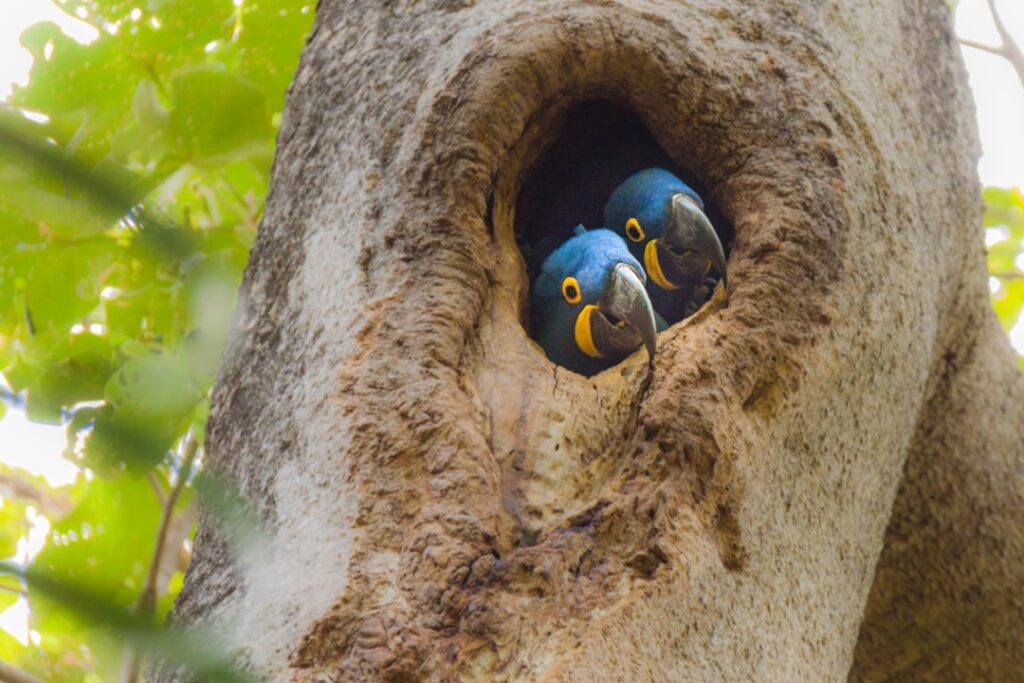
- Evening: 4 PM departure transfer to Cuiabá airport with stops at observation towers for final birdwatching (hyacinth macaws frequently spotted at dusk).
Cultural Insights & Etiquette
- Language: Portuguese essential; learn “Bom dia” (good morning), “Obrigado/a” (thank you), “Quanto custa?” (how much?)
- Customs: Always greet people before transactions; Pantaneiro cowboys value direct eye contact and firm handshakes
- Tipping: 10% in restaurants; $10-20/day for guides; $5-10 for drivers
- Dress Code: Lightweight neutral-colored clothing, sturdy waterproof boots, wide-brimmed hats for sun protection
- Business Hours: Shops 9 AM-6 PM, restaurants 11 AM-10 PM; many close 2-4 PM for siesta
Where to Eat: Pantanal, Brazil’s Best Bites
Pantanal cuisine reflects its cattle ranching heritage and abundant freshwater fish, with hearty portions to fuel long days of exploration.
Must-Try Local Specialties
- Caldo de Piranha: Spicy soup made with the infamous fish, believed to boost vitality; try at Flutuante do Lago in Porto Jofre
- Arroz Carreteiro: Traditional cowboy rice with dried meat and spices; best at Pousada Xaraés in Miranda
- Pintado na Telha: Tiger catfish baked in clay tiles with vegetables; authentic version at Restaurante Peixaria in Corumbá
Restaurant Recommendations by Budget
| Type | Restaurant | Specialty | Price Range |
|---|---|---|---|
| Budget | Mercado Municipal de Corumbá | Fresh fish plates and local snacks | $8-15 |
| Mid-range | Restaurante do Porto, Cáceres | Riverside dining with live music | $20-35 |
| Fine dining | Caiman Ecological Refuge Restaurant | Gourmet Pantanal fusion cuisine | $50-80 |
Where to Stay
Accommodation ranges from basic pousadas to luxury eco-lodges, with most offering all-inclusive packages. Compare prices and book at Booking.com or Airbnb for apartments.
Best Neighborhoods for Accommodation
- Northern Pantanal (Cuiabá River): Best for jaguar spotting, more developed infrastructure, ideal for first-time visitors
- Southern Pantanal (Corumbá): More remote, authentic cowboy culture, better for birdwatching and landscape photography
- Transpantaneira Road: Convenient wildlife viewing from lodging, easy access to multiple habitats, perfect for road trippers

Silhouette of trees during sunset, Pantanal, Brazil
FAQs: Your Pantanal, Brazil Questions Answered
1. Is Pantanal, Brazil safe at night?
Yes, within lodge compounds and guided activities. Avoid wandering alone after dark due to wildlife. Secure valuables and follow guide instructions strictly.
2. What currency is used and are credit cards accepted?
Brazilian Real (BRL); carry cash as remote lodges may not accept cards. ATMs available in gateway cities (Cuiabá, Campo Grande) but not in Pantanal interior.
3. How do I get from the airport to the city center?
Pre-book transfers through your lodge ($60-120) or take official airport taxis ($40-80 to Pantanal gateways). Book airport transfers at GetYourGuide for convenience.
4. Do I need to speak the local language?
Basic Portuguese helpful in remote areas; most guides speak English. Learn key phrases for market interactions and rural encounters.
5. What’s the appropriate dress code?
Neutral-colored quick-dry clothing, waterproof hiking boots, wide-brimmed hat. Avoid bright colors that disturb wildlife and perfumes that attract insects.
Final Thoughts: Pantanal, Brazil Awaits
The Pantanal offers one of the planet’s most accessible and spectacular wildlife experiences, where jaguars roam freely and biodiversity thrives in every corner. From the thrill of spotting your first giant otter to the cultural richness of Pantaneiro traditions, this destination delivers unforgettable moments. Plan carefully for seasonal variations, invest in quality guided experiences, and prepare for a journey that will redefine your connection with the natural world.
Keywords
Pantanal, Brazil travel guide, Pantanal, Brazil attractions, things to do in Pantanal, Brazil, Pantanal, Brazil itinerary, Pantanal, Brazil restaurants, Pantanal, Brazil hotels, visit Pantanal, Brazil, Pantanal, Brazil tourism, Pantanal, Brazil vacation, Pantanal, Brazil trip planning
Related Guides
Explore more destinations similar to Pantanal:

