
Sokcho, South Korea’s Essential Seafood, Seoraksan & Sunrise Views (2025)
Sokcho, South Korea isn’t just a destination—it’s a coastal symphony where mountains meet the sea. The scent of grilling squid mingles with salty sea air as fishing boats bob in the harbor against Seoraksan’s jagged silhouette. A city where nature’s grandeur and fishing village charm create unforgettable coastal magic.
Why Sokcho, South Korea Stands Out

Man in white long sleeve shirt and black pants sitting on white concrete wa…, Sokcho, South Korea
- Historic Architecture: Uisangdae Pavilion (7th century) perched on rocky cliffs, built by the Buddhist monk Uisang to watch for his beloved.
- Cultural Scene: Sokcho Cultural Festival every October featuring traditional mask dances, fishing competitions, and fireworks over the harbor.
- Local Specialties: Sokcho’s famous raw squid (hoe) served live and wriggling with spicy gochujang sauce.
Pro Tip: Visit mid-week in late September to early October for perfect hiking weather, minimal crowds, and the stunning autumn foliage at Seoraksan National Park—arrive at the park entrance by 7 AM to avoid the weekend queues that form by 9 AM.
Map of Sokcho, South Korea
Use these interactive maps to explore Sokcho, South Korea and plan your route:
📍 View Sokcho, South Korea on OpenStreetMap
🗺️ Open Sokcho, South Korea in Google Maps
Planning Your Trip: Practical Essentials
Getting There and Around
- By Air: Yangyang International Airport (YNY) 25 minutes away with flights from Jeju and Seoul; take local bus 9-1 (₩1,500) or taxi (₩25,000). Book flights at Skyscanner for best deals.
- By Train: No direct train service; take KTX to Gangneung then express bus (2.5 hours total from Seoul). Reserve tickets at Trainline or the national railway website.
- By Car: Seoul to Sokcho via Yeongdong Expressway (2.5 hours); parking at hotels costs ₩10,000-20,000 daily. Compare car rentals at RentalCars.com.
- Local Transport: City buses cost ₩1,300 per ride; Sokcho City Tour Bus (₩5,000 day pass) covers all major attractions. Check official city transport websites for passes and schedules.
Best Time to Visit
Sokcho offers distinct seasonal charms, with autumn being prime for hiking and spring for coastal walks without summer crowds.
| Season | Weather | Highlights |
|---|---|---|
| Summer (Jun–Aug) | 20-28°C, humid with monsoon rains in July | Beach activities at Sokcho Beach, crowded but vibrant night markets |
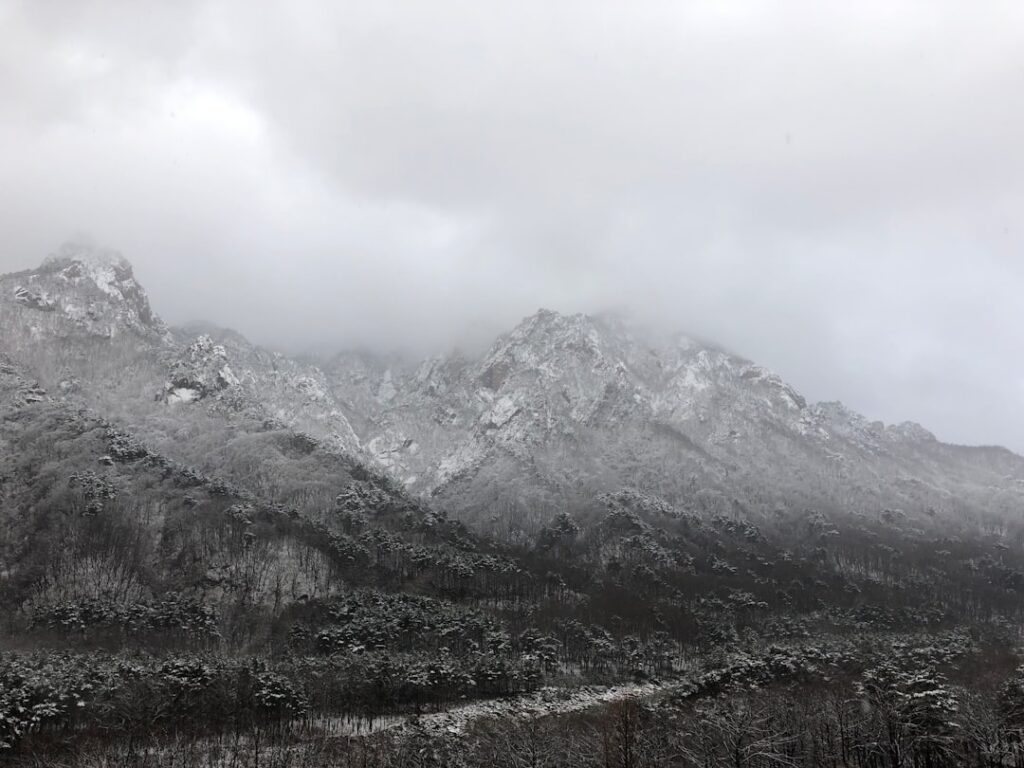
| Winter (Dec–Feb) | -5 to 5°C, occasional snow | Snow-capped Seoraksan views, fewer tourists, heated floor stays |
| Shoulder (Apr–May/Sep–Oct) | 10-22°C, mild and dry | Perfect hiking conditions, autumn foliage, fishing festivals |
Budgeting for Sokcho, South Korea

A sign on a building, Sokcho, South Korea
| Category | Budget | Mid-range | Luxury |
|---|---|---|---|
| Accommodation | ₩40,000-70,000 (hostels, minbak) | ₩100,000-180,000 (3-4 star hotels) | ₩250,000+ (Lotte Resort, Kensington Star) |
| Meals | ₩6,000-10,000 (street food, markets) | ₩15,000-25,000 (restaurants) | ₩50,000+ (fine dining) |
| Transport | ₩5,000 (local buses) | ₩20,000 (taxis daily) | ₩80,000 (private car hire) |
| Activities | Free hiking, beaches | ₩15,000 (park entry, museums) | ₩50,000 (guided tours, spa) |
| Daily Total | ₩51,000-85,000 | ₩150,000-240,000 | ₩430,000+ |
Top Attractions and Must-See Sights
| Attraction | Description | Hours | Entry Fee |
|---|---|---|---|
| Seoraksan National Park | UNESCO Biosphere Reserve with dramatic peaks, ancient temples, and crystal-clear streams | Sunrise-sunset | ₩3,500 |
| Sinheungsa Temple | Zen Buddhist temple featuring the magnificent 14.6m bronze Buddha statue amid ancient pine forests | 5 AM-7 PM | Free (included in park fee) |
| Sokcho Beach & Lighthouse | White sand beach with iconic red lighthouse perfect for sunrise views and evening strolls | 24 hours | Free |
| Abai Village | Traditional North Korean refugee settlement with authentic cuisine and cable ferry crossing | 9 AM-9 PM | Free (ferry ₩1,000) |
3-Day Itinerary: Sokcho, South Korea’s Highlights & Hidden Gems
Day 1: Mountains & Monks
- Morning: 7 AM cable car ride (₩10,000) to Gwongeumseong Fortress for sunrise over East Sea. Arrive by 6:30 AM to secure first cable car.
- Afternoon: Hike to Biryong Falls and lunch at Seorak Sanjang (₩15,000) for their famous sanchae bibimbap (mountain vegetable rice bowl).
- Evening: 6 PM temple stay program at Sinheungsa Temple (₩50,000) including Buddhist ceremony and monastic dinner.
Day 2: Coastal Culture & Cuisine
- Morning: 8 AM Sokcho Tourist & Fishery Market tour – watch live squid preparation and try hoe (₩12,000).
- Afternoon: Abai Village exploration via hand-pulled cable ferry and lunch at Abai Sundae (₩8,000) for authentic North Korean blood sausage.
- Evening: 6 PM sunset at Daepo Port breakwater followed by dinner at Cheongcho Sikdang (₩25,000) for spicy seafood stew.
Day 3: Views & Villages
- Morning: Bus 9-1 (₩1,500) to Yeonggeumjeong Pavilion for coastal views and fresh air.
- Afternoon: Cheongganjeong Pavilion and lunch at Sokcho Hangwon (₩18,000) for their signature grilled mackerel.
- Evening: Final seafood feast at Jungang Market (₩20,000) and souvenir shopping for dried squid.
Cultural Insights & Etiquette
- Language: Basic Korean phrases: “Annyeonghaseyo” (Hello), “Gamsahamnida” (Thank you), “Eolmayeyo?” (How much?)
- Customs: Remove shoes before entering homes and some restaurants; receive items with both hands
- Tipping: Not expected or practiced in Korea – considered rude in most situations
- Dress Code: Modest clothing for temples (cover shoulders/knees); casual elsewhere
- Business Hours: Shops 10 AM-9 PM, restaurants 11 AM-10 PM; many closed Lunar New Year and Chuseok holidays
Where to Eat: Sokcho, South Korea’s Best Bites
Sokcho’s culinary scene revolves around incredibly fresh seafood caught daily, with North Korean influences from Abai Village refugees who settled here after the war.
Must-Try Local Specialties
- Live Octopus (Sannakji): At Sokcho Tourist Market stalls – ₩15,000 for the adrenaline-filled experience
- Grilled Mackerel (Godeungeo Gui): Sokcho Hangwon restaurant near the beach – perfectly charred and flaky
- North Korean Cold Noodles (Naengmyeon): Abai Son Kalguksu in Abai Village – authentic recipe from refugees
Restaurant Recommendations by Budget
| Type | Restaurant | Specialty | Price Range |
|---|---|---|---|
| Budget | Jungang Market Food Alley | Fresh seafood pancakes (₩5,000) | ₩5,000-10,000 |
| Mid-range | Cheongcho Sikdang (Daepo Port) | Spicy seafood stew (₩25,000) | ₩20,000-35,000 |
| Fine dining | Lotte Resort Seorak San | Hanjeongsik course meal (₩65,000) | ₩50,000-100,000 |
Where to Stay
Sokcho offers everything from traditional Korean minsok (inns) to luxury resorts, with beachfront properties commanding premium prices. Compare prices and book at Booking.com or Airbnb for apartments.
Best Neighborhoods for Accommodation
- Sokcho Beach Area: Tourist hub with hotels, restaurants, and nightlife – convenient but crowded in summer
- Seorak-dong: Mountain access gateway with traditional inns – ideal for hikers and nature lovers
- Downtown Sokcho: Local experience near markets and transport – authentic but less scenic

Waves on a beach, Sokcho, South Korea
FAQs: Your Sokcho, South Korea Questions Answered
1. Is Sokcho, South Korea safe at night?
Extremely safe with low crime rates. Well-lit streets and active night markets make evening exploration comfortable, though standard precautions apply.
2. What currency is used and are credit cards accepted?
South Korean Won (₩); credit cards widely accepted, but carry ₩20,000-50,000 cash for markets, street food, and small vendors.
3. How do I get from the airport to the city center?
From Yangyang Airport: Bus 9-1 takes 25 minutes (₩1,500) or taxi 20 minutes (₩25,000). From Incheon Airport: Direct express bus (4 hours, ₩33,000). Book airport transfers at GetYourGuide for convenience.
4. Do I need to speak the local language?
Not essential – basic English in tourist areas, but learn key phrases. Download Papago translation app for menus and signs.
5. What’s the appropriate dress code?
Casual and comfortable for hiking and beaches; modest clothing for temples (cover shoulders and knees). Pack layers as mountain weather changes rapidly.
Final Thoughts: Sokcho, South Korea Awaits
Sokcho delivers the perfect blend of natural grandeur and authentic Korean coastal culture that few destinations can match. From the breathtaking peaks of Seoraksan to the wriggling freshness of market squid, this gateway to Korea’s east coast offers experiences that engage all senses. Whether you’re chasing sunrise from a mountain fortress or sharing stories with North Korean descendants in Abai Village, Sokcho creates memories that linger long after the sea salt has washed away. The mountains are calling, the sea is whispering—your Korean coastal adventure begins here.
Keywords
Sokcho, South Korea travel guide, Sokcho, South Korea attractions, things to do in Sokcho, South Korea, Sokcho, South Korea itinerary, Sokcho, South Korea restaurants, Sokcho, South Korea hotels, visit Sokcho, South Korea, Sokcho, South Korea tourism, Sokcho, South Korea vacation, Sokcho, South Korea trip planning
Related Guides
Explore more destinations similar to Sokcho:
- Little Corn Island, Nicaragua (Caribbean Escape)
- Mopti, Mali’s Ultimate River Life, Mud Architecture & Ancient Trading Culture (2025)
- Espírito Santo, Vanuatu’s Hidden Blue Holes, WWII Wrecks & Kava Culture (2025)
- Dolisie, Republic of the Congo
{“@context”: “https://schema.org”, “@type”: “FAQPage”, “mainEntity”: [{“@type”: “Question”, “name”: “What is the best time to visit Sokcho?”, “acceptedAnswer”: {“@type”: “Answer”, “text”: “The best time to visit Sokcho depends on your preferences. Generally, the dry season offers the most pleasant weather for sightseeing and outdoor activities.”}}, {“@type”: “Question”, “name”: “How many days do I need in Sokcho?”, “acceptedAnswer”: {“@type”: “Answer”, “text”: “Most travelers spend 3-5 days in Sokcho to see the main attractions. A week allows for a more relaxed pace and day trips.”}}, {“@type”: “Question”, “name”: “Is Sokcho expensive to visit?”, “acceptedAnswer”: {“@type”: “Answer”, “text”: “Sokcho can be visited on various budgets. Accommodation ranges from hostels to luxury hotels, and local restaurants offer affordable dining.”}}]}

