
Djibouti City, Djibouti: Ultimate Salt Lakes, French Colonial Charm & African-Arab Fusion (2025)
Djibouti City, Djibouti isn’t just a destination—it’s a gateway between continents. The scent of frankincense mingles with salt air as fishing dhows bob in the Gulf of Tadjoura while modern cargo ships loom beyond. A city where African and Arab cultures collide in vibrant markets and French colonial architecture. The essence of Djibouti City is strategic position meeting cultural fusion.
Why Djibouti City, Djibouti Stands Out

A car driving down a street next to palm trees, Djibouti City, Djibouti
- Historic Architecture: The Presidential Palace (built 1897) showcases Moorish-French colonial fusion and remains the seat of government.
- Cultural Scene: The annual Mawlid al-Nabi celebrations transform the city with processions, sweets, and religious chanting.
- Local Specialties: Skoudehkaris, a fragrant rice and meat dish slow-cooked with cardamom and saffron, defines local cuisine.
Pro Tip: Visit between November and February when temperatures average 25°C (77°F) and humidity drops below 50%, making exploration comfortable. Avoid June-August when temperatures regularly exceed 40°C (104°F) with high humidity.
Map of Djibouti City, Djibouti
Use these interactive maps to explore Djibouti City, Djibouti and plan your route:
📍 View Djibouti City, Djibouti on OpenStreetMap
🗺️ Open Djibouti City, Djibouti in Google Maps
Planning Your Trip: Practical Essentials
Getting There and Around
- By Air: Djibouti–Ambouli International Airport (JIB) serves Ethiopian Airlines, Turkish Airlines, and Air France. Taxis to city center cost 2,000 DJF ($11), 20-minute ride. Book flights at Skyscanner for best deals.
- By Train: The Ethio-Djibouti Railway connects to Addis Ababa (12 hours, $30-50). Djibouti station is in Nagad district. Reserve tickets at Trainline or the national railway website.
- By Car: Route Nationale 1 connects to Ethiopia. Parking scarce in city center. Rental cars from $40/day at Avis. Compare car rentals at RentalCars.com.
- Local Transport: Shared minibuses (200 DJF), taxis (500-1,000 DJF within city). No transport passes available. Check official city transport websites for passes and schedules.
Best Time to Visit
Djibouti City experiences extreme heat most of the year, making timing crucial for comfortable exploration. The winter months offer ideal conditions for both city sightseeing and day trips to natural attractions.
| Season | Weather | Highlights |
|---|---|---|
| Summer (Jun–Aug) | 40-45°C (104-113°F), high humidity, minimal rain | Few tourists, lower accommodation prices, but outdoor activities challenging |
| Winter (Dec–Feb) | 25-30°C (77-86°F), low humidity, comfortable | Perfect for city exploration and day trips to Lake Assal, ideal diving conditions |
| Shoulder (Apr–May/Sep–Oct) | 30-35°C (86-95°F), moderate humidity | Good value, fewer crowds than winter, warm but manageable for sightseeing |
Budgeting for Djibouti City, Djibouti

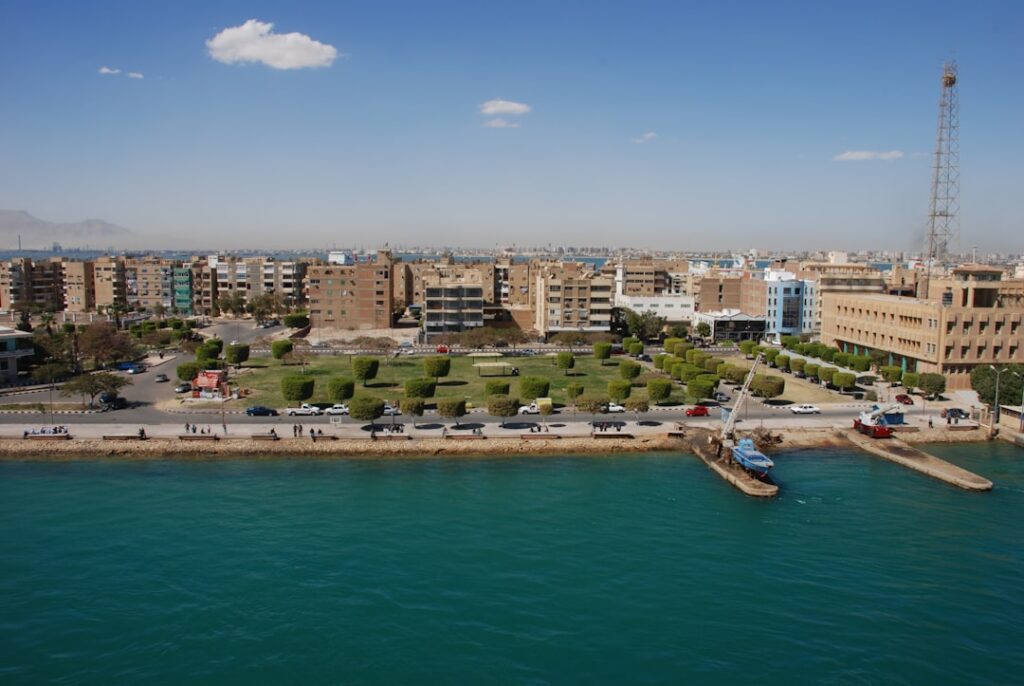
A view of a city with a body of water in the background, Djibouti City, Djibouti
| Category | Budget | Mid-range | Luxury |
|---|---|---|---|
| Accommodation | $30-50 (guesthouses) | $80-150 (3-4 star hotels) | $200-400 (Sheraton/Kempinski) |
| Meals | $5-10 (street food/local cafes) | $15-25 (restaurants) | $40-70 (fine dining) |
| Transport | $2-5 (public transport) | $10-20 (taxis/day) | $50+ (private driver) |
| Activities | $0-10 (markets, mosques) | $20-50 (museums, tours) | $100+ (private boat trips) |
| Daily Total | $40-70 | $120-240 | $400-600+ |
Top Attractions and Must-See Sights
| Attraction | Description | Hours | Entry Fee |
|---|---|---|---|
| Central Market (Marché Central) | Vibrant multi-story market offering spices, fabrics, and traditional artifacts since 1889 | 7 AM-7 PM daily | Free |
| Hamoudi Mosque | Stunning white Ottoman-style mosque built in 1906, city’s most prominent religious site | 5 AM-9 PM (non-prayer times for visitors) | Free (donations appreciated) |
| Djibouti National Museum | Comprehensive collection spanning prehistoric fossils to independence artifacts | 8 AM-6 PM, closed Mondays | 500 DJF ($2.80) |
| Les Caisses Market | Authentic local market where Djiboutians shop for daily goods, less touristy than Central Market | 6 AM-8 PM daily | Free |
3-Day Itinerary: Djibouti City, Djibouti’s Highlights & Hidden Gems
Day 1: Colonial History & Market Immersion
- Morning: 7:30 AM photography session at Hamoudi Mosque when morning light illuminates the white facade. Arrive before 8 AM prayers for best photos without crowds.
- Afternoon: 12-3 PM exploration of Central Market’s spice section and lunch at Restaurant de la Mer (grilled red snapper with rice, 2,500 DJF). Don’t miss the frankincense vendors on the second floor.
- Evening: 6-8 PM stroll along Place du 27 Juin followed by dinner at Melting Pot (fusion cuisine, reserve ahead, mains from 4,500 DJF).
Day 2: Cultural Discovery & Local Life
- Morning: 8 AM Djibouti National Museum visit (500 DJF) – focus on the independence movement exhibits and prehistoric whale fossils found in the desert.
- Afternoon: Les Caisses Market exploration and lunch at Saba Restaurant (authentic skoudehkaris, 1,800 DJF). Try the fresh mango juice from market stalls (300 DJF).
- Evening: Sunset drinks at Kempinski Pearl of the Gulf’s rooftop bar followed by dinner at Il Ponte (Italian-Djiboutian fusion, pasta dishes from 3,500 DJF).
Day 3: Natural Wonders Day Trip
- Morning: 7 AM shared taxi to Lake Assal (5,000 DJF round trip, 2 hours). Witness Africa’s lowest point at 155m below sea level and salt formations.
- Afternoon: Picnic lunch at Lake Assal (bring supplies from city) and visit nearby salt mining village. Return to city by 3 PM.
- Evening: Final seafood dinner at La Chaumière (lobster thermidor, 6,500 DJF) in the European Quarter overlooking the port.
Cultural Insights & Etiquette
- Language: French and Arabic official; Somali and Afar widely spoken. Learn “Asalaam alaykum” (hello), “Shukran” (thank you), “Kayf halak?” (how are you?).
- Customs: Always use right hand for eating and handing items. Remove shoes before entering homes. Public affection between couples frowned upon.
- Tipping: 10% in restaurants if service not included. Round up taxi fares. Hotel porters expect 200-500 DJF per bag.
- Dress Code: Conservative clothing recommended. Women should cover shoulders and knees. Beachwear only at resorts.
- Business Hours: Shops 8 AM-12 PM, 4-7 PM (closed Friday afternoons for prayers). Government offices 7:30 AM-3 PM Sunday-Thursday.
Where to Eat: Djibouti City, Djibouti’s Best Bites
Djiboutian cuisine reflects its position at the crossroads of Africa and Arabia, with French influences from the colonial era. Expect flavorful rice dishes, fresh seafood from the Red Sea, and aromatic spices like cardamom, cumin, and frankincense in both food and tea.
Must-Try Local Specialties
- Skoudehkaris: The national dish – rice cooked with lamb or goat, tomatoes, and aromatic spices. Best at family-run restaurants like Saba in the market district.
- Fah-fah: Spicy goat soup with vegetables, traditionally eaten for breakfast. Try at street stalls near Central Market before 10 AM.
- Lahoh: Spongy pancake similar to Ethiopian injera, served with honey or stews. Available at breakfast stalls throughout the city.
Restaurant Recommendations by Budget
| Type | Restaurant | Specialty | Price Range |
|---|---|---|---|
| Budget | Restaurant Saba (Central Market area) | Authentic skoudehkaris and fah-fah | 1,500-2,500 DJF |
| Mid-range | Restaurant de la Mer (Port area) | Fresh grilled fish and seafood platters | 3,000-5,000 DJF |
| Fine dining | La Chaumière (European Quarter) | French-Djiboutian fusion with lobster specialties | 6,000-10,000 DJF |
Where to Stay
Djibouti City offers accommodation ranging from basic guesthouses to international luxury chains. The European Quarter provides the most convenient location for sightseeing, while the Heron District offers modern amenities. Compare prices and book at Booking.com or Airbnb for apartments.
Best Neighborhoods for Accommodation
- European Quarter: Historic colonial buildings, walkable to main attractions, best restaurants, but can be noisy. Ideal for first-time visitors.
- Heron District: Modern area with shopping centers, international hotels, and business facilities. Further from historic sites but more comfortable amenities.
- Port Area: Budget options and local atmosphere, convenient for early ferry departures, but less polished than other areas. Best for backpackers.

A view of a city with lots of palm trees, Djibouti City, Djibouti
FAQs: Your Djibouti City, Djibouti Questions Answered
1. Is Djibouti City, Djibouti safe at night?
The city center and European Quarter are generally safe until 10 PM, but avoid walking alone in poorly lit areas. Petty theft can occur in crowded markets. Take registered taxis after dark and keep valuables secured. Political demonstrations are rare but should be avoided.
2. What currency is used and are credit cards accepted?
The Djiboutian Franc (DJF) is the official currency, pegged to USD at 177 DJF = $1. Credit cards accepted at major hotels and upscale restaurants, but cash is essential for markets, taxis, and local establishments. ATMs available in city center dispensing local currency.
3. How do I get from the airport to the city center?
Official airport taxis cost 2,000 DJF ($11) for the 20-minute ride to downtown. No public transport serves the airport. Pre-arranged hotel transfers cost 3,000-5,000 DJF. Book airport transfers at GetYourGuide for convenience.
4. Do I need to speak the local language?
French is essential for deeper interactions, though basic English is spoken at hotels and tourist restaurants. Learning a few Arabic greetings (Asalaam alaykum for hello, Shukran for thank you) is appreciated. Most signs are in French and Arabic.
5. What’s the appropriate dress code?
Conservative clothing is recommended, especially for women—cover shoulders and knees. Lightweight natural fabrics work best in the heat. Beachwear is only appropriate at resort pools. Men should avoid going shirtless in public areas.
Final Thoughts: Djibouti City, Djibouti Awaits
Djibouti City offers a unique blend of African, Arab, and French influences that you won’t find elsewhere. From the aromatic spice markets to the stunning colonial architecture and incredible natural wonders just beyond the city, this destination rewards curious travelers willing to venture off the beaten path. The city serves as both a cultural destination and perfect base for exploring some of Africa’s most dramatic landscapes. Come for the strategic location, stay for the warm hospitality and unforgettable experiences that bridge continents and cultures.
Keywords
Djibouti City, Djibouti travel guide, Djibouti City, Djibouti attractions, things to do in Djibouti City, Djibouti, Djibouti City, Djibouti itinerary, Djibouti City, Djibouti restaurants, Djibouti City, Djibouti hotels, visit Djibouti City, Djibouti, Djibouti City, Djibouti tourism, Djibouti City, Djibouti vacation, Djibouti City, Djibouti trip planning
Related Guides
Explore more destinations similar to Djibouti City:

