
The Ultimate Nagaland, India Guide: Tribal Culture, Hornbill Festival & Naga Cuisine
Nagaland, India isn’t just a destination—it’s a living tapestry of ancient traditions. The morning mist lifts over terraced hills as warriors in ceremonial feathers dance to tribal drums, the air thick with woodsmoke and the aroma of smoked pork. This northeastern state offers an authentic immersion into indigenous Naga culture preserved through centuries.
Why Nagaland, India Stands Out

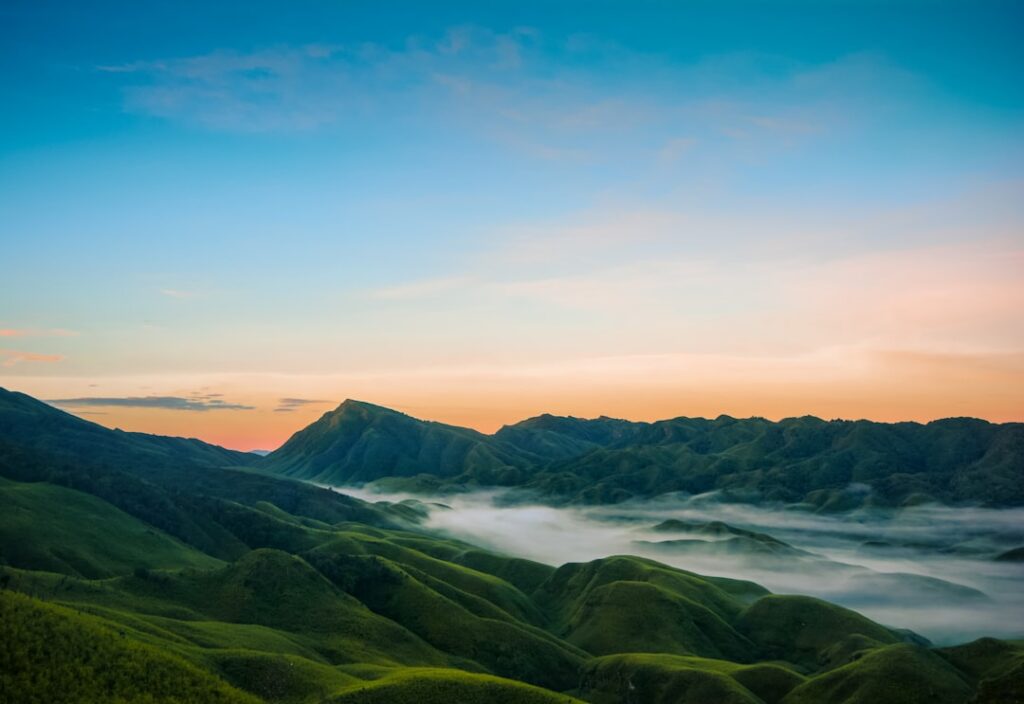
Green mountains under cloudy sky, Nagaland, India
- Historic Architecture: Kohima War Cemetery (1944) commemorates the pivotal Battle of Kohima where Allied forces turned back Japanese advancement into India.
- Cultural Scene: Hornbill Festival (December 1-10) showcases all 16 Naga tribes through traditional dances, music, and indigenous games in one spectacular venue.
- Local Specialties: Smoked pork with bamboo shoot curry, a fiery dish that defines Naga cuisine’s bold, smoky flavors.
Pro Tip: Visit during the first week of December for Hornbill Festival but stay 2-3 extra days to explore villages when tourist crowds thin out – the best cultural experiences happen after the main festival ends.
Map of Nagaland, India
Use these interactive maps to explore Nagaland, India and plan your route:
📍 View Nagaland, India on OpenStreetMap
🗺️ Open Nagaland, India in Google Maps
Planning Your Trip: Practical Essentials
Getting There and Around
- By Air: Dimapur Airport (DMU) connects to Kolkata, Delhi, and Guwahati via IndiGo and Air India. Pre-book taxis to Kohima (₹2000-2500, 3 hours) through hotel arrangements. Book flights at Skyscanner for best deals.
- By Train: Dimapur Railway Station connects to major Indian cities – overnight from Kolkata (16 hours) is most convenient. Reserve tickets at Trainline or the national railway website.
- By Car: NH29 connects Dimapur to Kohima with stunning mountain views – hire experienced local drivers (₹3000-4000/day) for winding roads. Compare car rentals at RentalCars.com.
- Local Transport: Shared taxis between towns (Kohima to Mokokchung ₹500, 4 hours); auto-rickshaws in cities (₹50-100 per km). Check Nagaland State Transport for bus schedules.
Best Time to Visit
October to May offers pleasant weather, with December being peak season for the Hornbill Festival. Monsoon (June-September) brings heavy rainfall making remote villages inaccessible.
| Season | Weather | Highlights |
|---|---|---|
| Summer (Jun–Aug) | 22°C-30°C, heavy rainfall | Lush landscapes but limited access to villages, fewer tourists |
| Winter (Dec–Feb) | 4°C-16°C, dry and crisp | Hornbill Festival, best for cultural experiences, peak season crowds |
| Shoulder (Apr–May/Sep–Oct) | 15°C-25°C, mild and clear | Ideal trekking conditions, vibrant festivals, comfortable exploring |
Budgeting for Nagaland, India

Green plants on brown soil, Nagaland, India
| Category | Budget | Mid-range | Luxury |
|---|---|---|---|
| Accommodation | ₹800-1500 (guesthouses) | ₹2500-5000 (boutique hotels) | ₹7000+ (heritage properties) |
| Meals | ₹150-300 (local eateries) | ₹400-800 (restaurants) | ₹1000+ (fine dining) |
| Transport | ₹200-500 (shared taxis) | ₹3000-4000 (private car) | ₹5000+ (premium vehicles) |
| Activities | Free village visits | ₹500-1000 (festival entry) | ₹2000+ (guided tours) |
| Daily Total | ₹1500-2500 | ₹6000-10,000 | ₹15,000+ |
Top Attractions and Must-See Sights
| Attraction | Description | Hours | Entry Fee |
|---|---|---|---|
| Kohima War Cemetery | Immaculately maintained WWII memorial with 1,420 graves marking the “Stalingrad of the East” | Sunrise to sunset | Free |
| Kisama Heritage Village | Permanent venue for Hornbill Festival featuring traditional Naga morungs (dormitories) from all tribes | 9 AM-5 PM | ₹100 (festival days ₹200) |
| Dzukou Valley Trek | Stunning valley known as “Valley of Flowers of the East” with rare lilies and panoramic views | Daylight hours | ₹50 trekking fee |
| Longwa Village (Mon) | Unique village straddling India-Myanmar border where chief’s house sits on international boundary | Daylight hours | Free (guide ₹500) |
3-Day Itinerary: Nagaland, India’s Highlights & Hidden Gems
Day 1: Kohima Cultural Immersion
- Morning: 7-9 AM visit Kohima War Cemetery when morning light illuminates the epitaph “When you go home, tell them of us and say, for your tomorrow, we gave our today.”
- Afternoon: 12-3 PM explore Kohima Local Market and lunch at Bamboo Hut Kitchen (try their smoked pork with axone/fermented soybean – ₹350).
- Evening: 6-8 PM traditional Angami Naga cultural performance at Razhu Prairie followed by dinner at D Cafe (pork ribs with bamboo shoot – ₹450).
Day 2: Hornbill Festival & Village Life
- Morning: 8:30 AM Hornbill Festival opening ceremonies (entry ₹200) – watch warrior dances and traditional games like Naga wrestling.
- Afternoon: Kigwema Village visit 15 minutes from Kisama – see ancient stone monoliths and lunch at local home (authentic fish curry – ₹200 including guide).
- Evening: Festival bonfire and folk music sessions – try local rice beer at traditional brew stalls (₹50-100 per glass).
Day 3: Dzukou Valley Adventure
- Morning: Shared taxi to Viswema Village (₹300, 45 minutes) then 3-hour trek to Dzukou Valley (guide ₹800, packed lunch ₹250).
- Afternoon: Explore the valley’s unique dwarf bamboo landscape and seasonal flowers – the trek is moderate but requires proper shoes.
- Evening: Return to Kohima for farewell dinner at The Heritage (contemporary Naga cuisine – ₹600-800) with live local music.
Cultural Insights & Etiquette
- Language: English widely spoken; learn “Okey” (thank you in several Naga languages) and “Kadi ming shi?” (How are you? in Ao)
- Customs: Always ask permission before photographing people, especially elders; remove shoes when entering homes
- Tipping: Not expected but appreciated – round up taxi fares, 5-10% in restaurants for exceptional service
- Dress Code: Modest clothing preferred, especially in villages – avoid shorts and sleeveless tops when visiting traditional communities
- Business Hours: Shops 9:30 AM-6 PM, closed Sundays; government offices 10 AM-4 PM with lunch break 1-2 PM
Where to Eat: Nagaland, India’s Best Bites
Naga cuisine centers around smoked meats, fiery king chilies, fermented ingredients, and bamboo shoots – each tribe has distinct preparations. Meals are typically rice-based with multiple meat and vegetable dishes.
Must-Try Local Specialties
- Smoked Pork with Bamboo Shoot: The quintessential Naga dish – try at Bamboo Hut Kitchen in Kohima or local village homes for most authentic versions
- Axone (Fermented Soybean): Strong, pungent flavor used in chutneys and meat dishes – sample at Hornbill Festival food stalls
- Galho: Rice-based porridge with vegetables and meat – best breakfast at local markets like Kohima’s Naga Bazaar
Restaurant Recommendations by Budget
| Type | Restaurant | Specialty | Price Range |
|---|---|---|---|
| Budget | Naga Kitchen, Kohima | Traditional thali with 5 local dishes | ₹200-350 |
| Mid-range | The Heritage, Kohima | Modern Naga fusion cuisine | ₹500-900 |
| Fine dining | De Oriental Grand, Dimapur | Multi-cuisine with Naga specialties | ₹1000-2000 |
Where to Stay
Kohima offers the widest accommodation range, while homestays in villages provide authentic experiences. Book early for December festival season when prices increase 30-50%.
Best Neighborhoods for Accommodation
- Kohima Central: Walking distance to markets and war cemetery, best for first-time visitors, limited parking
- Jotsoma Village: 20 minutes from Kohima, authentic rural experience with homestays, ideal for cultural immersion
- Dimapur: Practical for early flights/trains, urban comforts, less cultural atmosphere than hill stations

A grassy hill with a city in the background, Nagaland, India
FAQs: Your Nagaland, India Questions Answered
1. Is Nagaland, India safe at night?
Generally very safe with low crime rates. Exercise normal precautions in cities after dark. Village areas are exceptionally safe. Women travelers report feeling comfortable, though avoid isolated areas alone at night.
2. What currency is used and are credit cards accepted?
Indian Rupees (₹). Carry ample cash – credit cards accepted only at larger hotels and restaurants in Kohima/Dimapur. ATMs available in towns but often run out of cash in remote areas.
3. How do I get from the airport to the city center?
Dimapur Airport to Kohima: Pre-paid taxis ₹2000-2500 (3 hours), shared taxis ₹400-500 per seat. Book airport transfers at GetYourGuide for convenience.
4. Do I need to speak the local language?
English is official state language and widely spoken. Learning basic greetings in local dialects (Ao, Angami, Sema) is appreciated but not necessary.
5. What’s the appropriate dress code?
Conservative clothing recommended, especially in villages. For churches and formal occasions, modest attire expected. Trekking requires sturdy shoes and layers for changing mountain weather.
Final Thoughts: Nagaland, India Awaits
Nagaland offers one of India’s most authentic cultural experiences, where ancient traditions thrive in modern times. Beyond the spectacular Hornbill Festival, the true magic lies in village homestays, shared meals with local families, and trekking through pristine landscapes. Come for the festivals, stay for the genuine warmth of Naga hospitality, and leave with memories of a culture beautifully preserved against the odds.
Keywords
Nagaland, India travel guide, Nagaland, India attractions, things to do in Nagaland, India, Nagaland, India itinerary, Nagaland, India restaurants, Nagaland, India hotels, visit Nagaland, India, Nagaland, India tourism, Nagaland, India vacation, Nagaland, India trip planning
Related Guides
Explore more destinations similar to Nagaland:
- Gili Islands, Indonesia’s Stunning Turtles, Tempo & Traffic-Free Bliss (2026)
- Gaua, Vanuatu’s Essential Volcanoes, Waterfalls & Ancient Kastom (2026)
- Dana Biosphere Reserve, Jordan: Hidden Canyons, Conservation & Bedouin Culture (2025)
- Hakodate, Japan’s Best Nightscapes, History & Seafood Feasts (2026)
{“@context”: “https://schema.org”, “@type”: “FAQPage”, “mainEntity”: [{“@type”: “Question”, “name”: “What is the best time to visit Nagaland?”, “acceptedAnswer”: {“@type”: “Answer”, “text”: “The best time to visit Nagaland depends on your preferences. Generally, the dry season offers the most pleasant weather for sightseeing and outdoor activities.”}}, {“@type”: “Question”, “name”: “How many days do I need in Nagaland?”, “acceptedAnswer”: {“@type”: “Answer”, “text”: “Most travelers spend 3-5 days in Nagaland to see the main attractions. A week allows for a more relaxed pace and day trips.”}}, {“@type”: “Question”, “name”: “Is Nagaland expensive to visit?”, “acceptedAnswer”: {“@type”: “Answer”, “text”: “Nagaland can be visited on various budgets. Accommodation ranges from hostels to luxury hotels, and local restaurants offer affordable dining.”}}]}

