
The Ultimate Jimma, Ethiopia Guide: Coffee Heritage, Waterfalls & Royal History
Jimma, Ethiopia isn’t just a destination—it’s a living museum of coffee culture. The air hangs thick with roasting beans as merchants haggle over heirloom varieties in the bustling market, while distant waterfalls echo through lush valleys. Experience the birthplace of coffee amid ancient kingdoms and natural wonders.
Why Jimma, Ethiopia Stands Out

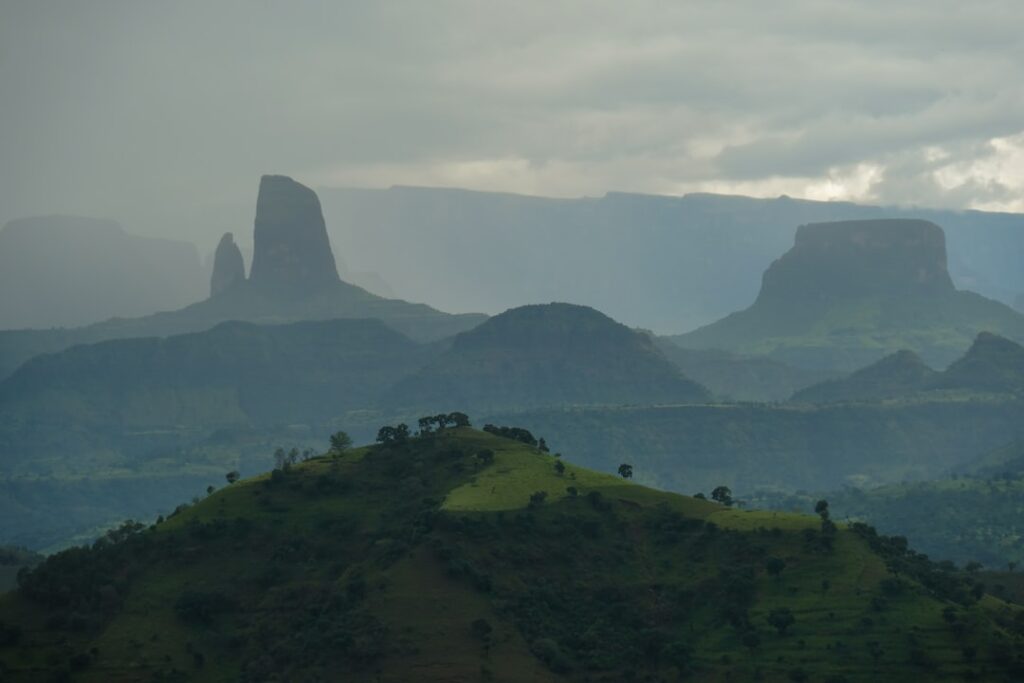
High angle photo of mountain, Jimma, Ethiopia
- Historic Architecture: Aba Jifar Palace (built 1880) showcases unique wooden architecture blending Oromo and Islamic styles as the former royal seat.
- Cultural Scene: The annual Coffee Ceremony tradition involves three rounds of brewing with frankincense and popcorn in local homes.
- Local Specialties: Try authentic Jimma coffee served in traditional jebena clay pots with fresh herbs and honey.
Pro Tip: Visit between October-December for the coffee harvest season when you can participate in bean picking and processing at local farms, avoiding the March-May rainy season when roads become challenging.
Map of Jimma, Ethiopia
Use these interactive maps to explore Jimma, Ethiopia and plan your route:
📍 View Jimma, Ethiopia on OpenStreetMap
🗺️ Open Jimma, Ethiopia in Google Maps
Planning Your Trip: Practical Essentials
Getting There and Around
- By Air: Jimma Airport (JIM) connects via Ethiopian Airlines from Addis Ababa (45-minute flight, 3 daily flights). Taxis to city center cost 200-300 ETB. Book flights at Skyscanner for best deals.
- By Train: No direct rail service to Jimma; nearest station in Addis Ababa (8-hour drive). Reserve tickets at Trainline or the national railway website.
- By Car: Drive from Addis via the Bishoftu-Jimma Highway (350km, 6-7 hours). Parking available at major hotels. Compare car rentals at RentalCars.com.
- Local Transport: Blue minibuses (5-15 ETB per ride) serve main routes; motorcycle taxis (bajaj) cost 20-50 ETB for short trips. No transport passes available.
Best Time to Visit
Jimma’s tropical climate means mild temperatures year-round, but timing your visit around dry seasons ensures optimal exploration conditions.
| Season | Weather | Highlights |
|---|---|---|
| Summer (Jun–Aug) | 18-25°C, moderate rainfall | Lush landscapes, coffee flowering season, fewer tourists but occasional showers |
| Winter (Dec–Feb) | 15-28°C, dry and sunny | Perfect hiking conditions, clear waterfall views, peak tourist season |
| Shoulder (Apr–May/Sep–Oct) | 17-26°C, light rain | Best for photography, lower accommodation rates, coffee harvest begins in October |
Budgeting for Jimma, Ethiopia

Green mountain road scenery, Jimma, Ethiopia
| Category | Budget | Mid-range | Luxury |
|---|---|---|---|
| Accommodation | 300-600 ETB per night (guesthouses) | 800-1,500 ETB (hotels) | 2,000-4,000 ETB (boutique lodges) |
| Meals | 50-100 ETB (street food) | 120-250 ETB (restaurants) | 300-500 ETB (fine dining) |
| Transport | 50 ETB daily (minibuses) | 200-400 ETB (taxis) | 600-1,000 ETB (private car) |
| Activities | Free hikes, markets | 100-300 ETB (museums, tours) | 500-800 ETB (private guides) |
| Daily Total | 400-850 ETB | 1,200-2,450 ETB | 3,400-6,300 ETB |
Top Attractions and Must-See Sights
| Attraction | Description | Hours | Entry Fee |
|---|---|---|---|
| Aba Jifar Palace | 19th-century royal palace with unique wooden architecture and historical artifacts | 9 AM-5 PM daily | 100 ETB |
| Jimma Coffee Plantation Tour | Guided walk through working coffee farms with tasting sessions | 8 AM-4 PM by appointment | 150 ETB |
| Jimma Museum | Archaeological finds and cultural exhibits showcasing Oromo kingdom history | 8:30 AM-5:30 PM (closed Mon) | 50 ETB |
| Becho Waterfall | Stunning 45-meter cascade surrounded by tropical forest perfect for hiking | Sunrise to sunset | Free |
3-Day Itinerary: Jimma, Ethiopia’s Highlights & Hidden Gems
Day 1: Royal History & Urban Exploration
- Morning: 7:30 AM tour of Aba Jifar Palace (100 ETB) – arrive early to avoid crowds and photograph the morning light on the wooden structures.
- Afternoon: 12 PM exploration of Jimma Museum and lunch at Karrayyu Restaurant near the palace (try their special kitfo with ayib for 180 ETB).
- Evening: 6 PM stroll through Jimma Central Market followed by dinner at Green View Hotel Restaurant (their tibs with injera costs 220 ETB).
Day 2: Coffee Culture Immersion
- Morning: 8 AM coffee plantation tour (150 ETB) at Ture Coffee Farm – learn about the legendary story of Kaldi the goat herder who discovered coffee.
- Afternoon: Traditional coffee ceremony at a local family home (arranged through your hotel) and lunch at Coffee Land Café (coffee-infused stew for 160 ETB).
- Evening: Sunset coffee tasting at Jimma Coffee Research Center (by appointment, 100 ETB) comparing different regional varieties.
Day 3: Natural Wonders & Local Life
- Morning: Hire a bajaj (300 ETB roundtrip) to Becho Waterfall at 7 AM – the morning light creates rainbows in the mist and temperatures are perfect for hiking.
- Afternoon: Picnic lunch at the waterfall (pack from your hotel) and visit nearby pottery workshops to watch artisans create traditional jebena coffee pots.
- Evening: Final dinner at Abyssinia Restaurant (their special shiro be kibbe costs 190 ETB) and evening walk through the illuminated palace grounds.
Cultural Insights & Etiquette
- Language: Afan Oromo is main language; learn “Akkam?” (Hello), “Galatoomi” (Thank you), “Baga nagaan dhuftan” (Welcome)
- Customs: Always accept coffee when offered; removing shoes before entering homes is customary; use right hand for eating and greetings
- Tipping: 10% in restaurants is appreciated; round up taxi fares; 50-100 ETB for guides
- Dress Code: Modest clothing covering shoulders and knees; lighter fabrics for warm days; sturdy shoes for hiking
- Business Hours: Shops 8:30 AM-6:30 PM (often closed 12-2 PM); government offices 9 AM-5:30 PM; many businesses closed Sundays
Where to Eat: Jimma, Ethiopia’s Best Bites
Jimma’s cuisine reflects its Oromo heritage with rich stews, fresh vegetables, and of course, world-class coffee. Dining is social and leisurely, with most meals centered around shared platters.
Must-Try Local Specialties
- Jimma Special Coffee: Single-origin beans brewed traditionally with herbs; best at family coffee ceremonies or Coffee Land Café
- Besso: Roasted barley flour mixed with butter and honey; find authentic versions at street stalls near the market
- Duba Borii: Pumpkin stew with spices and beef; specialty at Karrayyu Restaurant during harvest season
Restaurant Recommendations by Budget
| Type | Restaurant | Specialty | Price Range |
|---|---|---|---|
| Budget | Merkato Food Stalls (Central Market) | Fresh injera with various stews | 50-100 ETB |
| Mid-range | Karrayyu Restaurant (Palace Road) | Traditional Oromo dishes | 150-250 ETB |
| Fine dining | Green View Hotel Restaurant (City Center) | Fusion Ethiopian-European cuisine | 300-500 ETB |
Where to Stay
Accommodation ranges from basic guesthouses to comfortable hotels, with most clustered near the city center for easy access to major attractions. Compare prices and book at Booking.com or Airbnb for apartments.
Best Neighborhoods for Accommodation
- City Center: Walking distance to palace and museum, bustling atmosphere, best for first-time visitors wanting convenience
- Mankira Area: Quieter residential neighborhood, closer to coffee farms, ideal for longer stays and families
- Airport Road: Modern hotels with amenities, easy transport access, perfect for business travelers

A city with many buildings, Jimma, Ethiopia
FAQs: Your Jimma, Ethiopia Questions Answered
1. Is Jimma, Ethiopia safe at night?
Jimma is generally safe, but avoid walking alone in poorly lit areas after dark. Stick to main streets and use registered taxis for evening transport. Petty theft can occur in crowded markets, so keep valuables secure.
2. What currency is used and are credit cards accepted?
Ethiopian Birr (ETB) is the currency. Credit cards are accepted only at major hotels and some restaurants in city center. ATMs are available but carry cash for markets, transportation, and smaller establishments.
3. How do I get from the airport to the city center?
Taxis from Jimma Airport take 15 minutes and cost 200-300 ETB. No public buses serve the airport directly. Book airport transfers at GetYourGuide for convenience.
4. Do I need to speak the local language?
English is spoken in hotels and tourist areas, but learning basic Afan Oromo phrases will enhance your experience. Younger residents often speak some English, while older locals primarily speak Afan Oromo.
5. What’s the appropriate dress code?
Modest clothing is recommended—cover shoulders and knees, especially when visiting religious sites or rural areas. Lightweight natural fabrics work best in the warm climate, with a light jacket for cooler evenings.
Final Thoughts: Jimma, Ethiopia Awaits
Jimma offers an authentic Ethiopian experience beyond the typical tourist trail, where coffee culture permeates daily life and ancient kingdoms whisper their stories through preserved architecture. From the misty waterfalls to the aromatic coffee plantations, this region delivers profound cultural immersion and natural beauty. Come for the legendary coffee, stay for the warm hospitality and rich history that makes Jimma a truly unforgettable destination in Ethiopia’s cultural heartland.
Keywords
Jimma, Ethiopia travel guide, Jimma, Ethiopia attractions, things to do in Jimma, Ethiopia, Jimma, Ethiopia itinerary, Jimma, Ethiopia restaurants, Jimma, Ethiopia hotels, visit Jimma, Ethiopia, Jimma, Ethiopia tourism, Jimma, Ethiopia vacation, Jimma, Ethiopia trip planning
{“@context”: “https://schema.org”, “@type”: “FAQPage”, “mainEntity”: [{“@type”: “Question”, “name”: “What is the best time to visit Jimma?”, “acceptedAnswer”: {“@type”: “Answer”, “text”: “The best time to visit Jimma depends on your preferences. Generally, the dry season offers the most pleasant weather for sightseeing and outdoor activities.”}}, {“@type”: “Question”, “name”: “How many days do I need in Jimma?”, “acceptedAnswer”: {“@type”: “Answer”, “text”: “Most travelers spend 3-5 days in Jimma to see the main attractions. A week allows for a more relaxed pace and day trips.”}}, {“@type”: “Question”, “name”: “Is Jimma expensive to visit?”, “acceptedAnswer”: {“@type”: “Answer”, “text”: “Jimma can be visited on various budgets. Accommodation ranges from hostels to luxury hotels, and local restaurants offer affordable dining.”}}]}
Related Guides
Explore more destinations similar to Jimma:

