
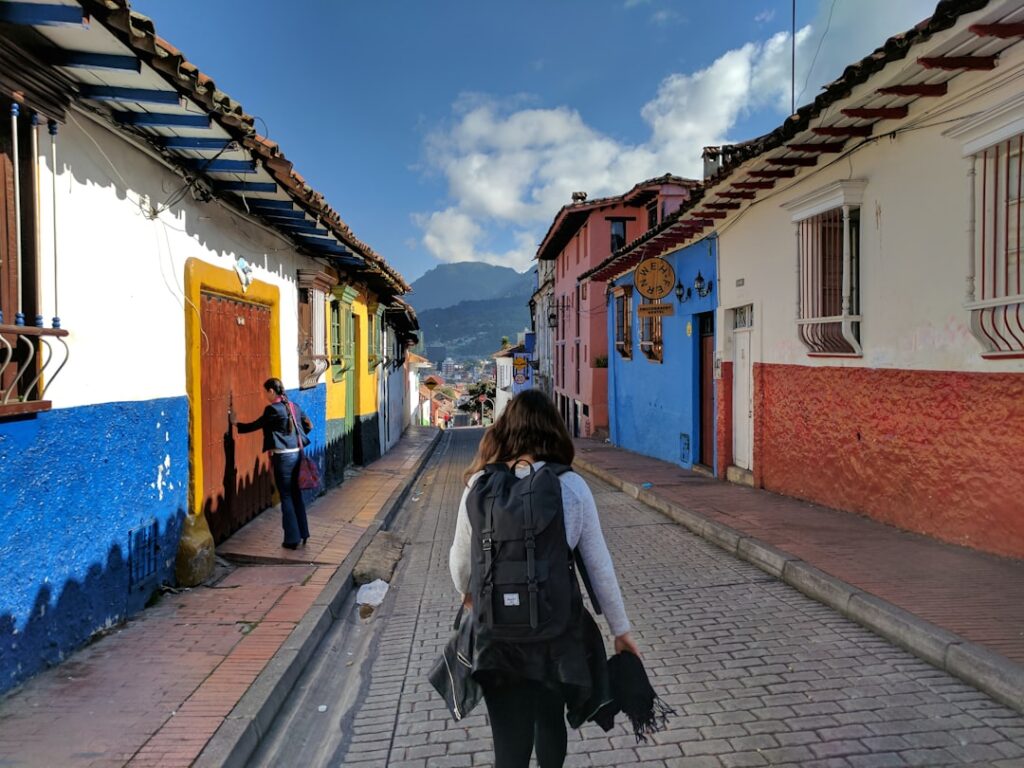
The Ultimate Ayacucho, Peru Guide: Colonial Splendor, Artisan Crafts & Easter Mystique
Ayacucho, Peru isn’t just a destination—it’s a living museum where colonial bells echo through cobblestone streets. The scent of roasting pachamanca wafts from hidden courtyards while artisans tap away at retablos in sun-drenched workshops. This highland city preserves Peru’s soul in 33 magnificent churches and artisan traditions passed through generations.
Why Ayacucho, Peru Stands Out

Woman sitting on vehcile, Ayacucho, Peru
- Historic Architecture: Catedral de Ayacucho (1672) showcases stunning Baroque-Renaissance fusion with its golden altars and intricate stone facade.
- Cultural Scene: Semana Santa features nightly processions with flower carpets and costumed participants celebrating Peru’s most elaborate Easter festival.
- Local Specialties: Puca picante – a vibrant red pork stew with potatoes and peanuts, tinted with aji panca peppers.
Pro Tip: Visit during shoulder season (late March to May) to experience perfect weather with fewer crowds and lower prices, avoiding both rainy season and peak festival accommodation spikes.
Map of Ayacucho, Peru
Use these interactive maps to explore Ayacucho, Peru and plan your route:
📍 View Ayacucho, Peru on OpenStreetMap
🗺️ Open Ayacucho, Peru in Google Maps
Planning Your Trip: Practical Essentials
Getting There and Around
- By Air: Alfredo Mendívil Duarte Airport (AYP) receives daily LATAM and Sky Airline flights from Lima (1 hour). Taxis to Plaza de Armas cost 15-20 soles. Book flights at Skyscanner for best deals.
- By Train: No direct train service to Ayacucho – the nearest station is in Huancayo (6-7 hour bus ride away). Reserve tickets at Trainline or the national railway website.
- By Car: The Lima-Ayacucho route (8-9 hours) via the Libertadores Highway offers stunning mountain views. Secure parking at hotels costs 20-30 soles/day. Compare car rentals at RentalCars.com.
- Local Transport: Colectivos (shared taxis) cost 2-3 soles per ride within city center. Mototaxis are cheaper at 3-5 soles but less comfortable for longer distances.
Best Time to Visit
Ayacucho’s highland climate means mild days and cool nights year-round, with distinct dry and rainy seasons affecting accessibility to rural attractions.
| Season | Weather | Highlights |
|---|---|---|
| Dry Season (Jun–Aug) | 15-22°C, sunny days, cold nights (5°C) | Best for hiking to Wari ruins, clear skies, peak tourist season |
| Rainy Season (Dec–Feb) | 12-18°C, daily afternoon showers | Lush landscapes, fewer tourists, some rural roads impassable |
| Shoulder (Apr–May/Sep–Oct) | 14-20°C, occasional light rain | Ideal weather, lower prices, perfect for city exploration and crafts shopping |
Budgeting for Ayacucho, Peru

White and blue concrete obelisk, Ayacucho, Peru
| Category | Budget | Mid-range | Luxury |
|---|---|---|---|
| Accommodation | Hostels: 40-80 soles | Boutique hotels: 150-250 soles | Luxury hotels: 350-500+ soles |
| Meals | Markets/menú: 8-15 soles | Restaurants: 25-45 soles | Fine dining: 70-120 soles |
| Transport | Colectivos: 10 soles/day | Taxis: 30-50 soles/day | Private driver: 150+ soles/day |
| Activities | Free churches, walking tours | Museum entries: 5-15 soles | Private guides: 100-200 soles |
| Daily Total | 60-150 soles | 210-350 soles | 670-870+ soles |
Top Attractions and Must-See Sights
| Attraction | Description | Hours | Entry Fee |
|---|---|---|---|
| Wari Archaeological Site | Capital of Peru’s first empire (500-1100 AD) with impressive stone ruins and museum | 9 AM-5 PM daily | 10 soles |
| Santa Teresa Monastery | 17th-century convent with Baroque art and the famous “Cristo de la Agonía” statue | 9 AM-12 PM, 3-5 PM | 5 soles |
| Museo de Arte Popular | Showcases Ayacucho’s famous retablos, textiles, and silver filigree craftsmanship | 9 AM-1 PM, 3-6 PM | 8 soles |
| Mirador de Acuchimay | Hilltop viewpoint offering panoramic city views, especially magical at sunset | 24 hours | Free |
3-Day Itinerary: Ayacucho, Peru’s Highlights & Hidden Gems
Day 1: Colonial Heart & Artisan Secrets
- Morning: 7:30 AM guided walking tour of Plaza de Armas and Catedral de Ayacucho (free, donations accepted). The cathedral’s construction began in 1632 and took 40 years to complete.
- Afternoon: 12 PM retablo-making workshop at Taller Don Joaquin Lopez (35 soles) and lunch at La Casona (28 soles menú – try their puca picante).
- Evening: 6 PM sunset from Mirador de Acuchimay followed by dinner at Via Via Cafe (45-60 soles for international-Peruvian fusion).
Day 2: Ancient Empires & Living Traditions
- Morning: 8 AM taxi to Wari ruins (40 soles round trip, 10 soles entry) – explore the pre-Inca capital that once housed 40,000 people.
- Afternoon: 1 PM visit to Santa Teresa Monastery and lunch at El Niño (22 soles menú featuring adobo ayacuchano).
- Evening: 7 PM traditional peña music performance at Centro Cultural San Cristóbal (15 soles cover includes one drink).
Day 3: Market Life & Rural Crafts
- Morning: 7:30 AM colectivo to Quinua village (8 soles, 1 hour) to visit the Pampa de Ayacucho historical site and artisan workshops.
- Afternoon: 1 PM pottery demonstration and lunch at Quinua’s main square (18 soles for local trout). Return to Ayacucho by 4 PM.
- Evening: 6:30 PM farewell dinner at Urpicha (55-80 soles) specializing in novoandina cuisine with pachamanca on weekends.
Cultural Insights & Etiquette
- Language: Spanish essential – learn “Allillanchu” (Hello in Quechua), “Gracias” and basic restaurant phrases. English limited to tourist areas.
- Customs: Always greet shopkeepers when entering stores. Ask permission before photographing artisans at work, especially in markets.
- Tipping: Restaurants: 10% for good service. Guides: 20-30 soles for half-day tours. Hotel staff: 5-10 soles per day.
- Dress Code: Conservative attire for churches (covered shoulders/knees). Layers essential for temperature changes. Comfortable walking shoes mandatory.
- Business Hours: Shops 9 AM-1 PM & 3-7 PM, closed Sundays. Museums often close Mondays. Major holidays: Semana Santa, Inti Raymi (June).
Where to Eat: Ayacucho, Peru’s Best Bites
Ayacucho’s cuisine blends highland ingredients with Spanish influences, featuring hearty stews, ancient cooking techniques, and unique local peppers that create distinctive flavors.
Must-Try Local Specialties
- Puca Picante: Vibrant red pork stew with potatoes, peanuts, and aji panca – best at La Casona on Jirón 28 de Julio
- Qapchi: Fresh cheese salad with chili peppers, onion, and milk – find authentic versions at Mercado Shosaku Nagase
- Adobo Ayacuchano: Marinated pork in chicha de jora with onions – El Niño serves the traditional Sunday morning version
Restaurant Recommendations by Budget
| Type | Restaurant | Specialty | Price Range |
|---|---|---|---|
| Budget | Mercado Shosaku Nagase food court | Local menú completo with soup and main | 8-15 soles |
| Mid-range | Via Via Cafe (Portal Constitución) | International-Peruvian fusion with live music | 35-60 soles |
| Fine dining | Urpicha (Jirón 28 de Julio) | Novoandina cuisine with pachamanca | 55-120 soles |
Where to Stay
Ayacucho offers charming colonial mansions converted to hotels, budget hostels near the plaza, and comfortable mid-range options with mountain views. Compare prices and book at Booking.com or Airbnb for apartments.
Best Neighborhoods for Accommodation
- Historic Center: Walking distance to all main attractions, colonial architecture, but can be noisy – perfect for first-time visitors
- Carmen Alto: Quieter residential area with artisan workshops and good restaurants, 15-minute walk to plaza – ideal for families
- San Juan Bautista: Local neighborhood with authentic markets and lower prices, requires transport to center – best for budget travelers

Aerial view of town, Ayacucho, Peru
FAQs: Your Ayacucho, Peru Questions Answered
1. Is Ayacucho, Peru safe at night?
The historic center is generally safe until 10 PM, but avoid poorly lit side streets and always take registered taxis after dark. Petty theft can occur in crowded markets.
2. What currency is used and are credit cards accepted?
Peruvian soles (PEN) are the currency. Carry cash as many smaller establishments, markets, and taxis don’t accept cards. ATMs available around Plaza de Armas.
3. How do I get from the airport to the city center?
Official airport taxis cost 15-20 soles for the 15-minute ride to Plaza de Armas. No public transport directly from airport. Book airport transfers at GetYourGuide for convenience.
4. Do I need to speak the local language?
Basic Spanish is essential as English is limited to major hotels and some tourist restaurants. Learn key phrases: “Buenos días,” “Cuánto cuesta,” “La cuenta por favor.”
5. What’s the appropriate dress code?
Layered clothing for changing temperatures, comfortable walking shoes for cobblestone streets, and modest attire covering shoulders and knees for church visits.
Final Thoughts: Ayacucho, Peru Awaits
Ayacucho offers an authentic Peruvian experience beyond the typical tourist trail, where colonial history meets living artisan traditions in one of South America’s most culturally rich highland cities. From exploring ancient Wari ruins to witnessing master craftsmen create intricate retablos, this destination delivers profound cultural immersion. The city’s 33 churches, spectacular Semana Santa celebrations, and warm hospitality make it worth the journey for travelers seeking Peru’s soul beyond Machu Picchu. Come for the history, stay for the crafts, and leave with memories of genuine Andean magic.
Keywords
Ayacucho, Peru travel guide, Ayacucho, Peru attractions, things to do in Ayacucho, Peru, Ayacucho, Peru itinerary, Ayacucho, Peru restaurants, Ayacucho, Peru hotels, visit Ayacucho, Peru, Ayacucho, Peru tourism, Ayacucho, Peru vacation, Ayacucho, Peru trip planning
Related Guides
Explore more destinations similar to Ayacucho:
- Sichuan Giant Panda Sanctuaries, China’s Best Pandas, Peaks & Ancient Forests (2026)
- Essaouira, Morocco’s Essential Coastal Fortresses, Gnawa Music & Fresh Seafood (2025)
- Koidu, Sierra Leone’s Best Diamonds, Rainforests & Kono Culture (2025)
- Tana Toraja, Indonesia: Best Ancestral Rituals, Cliffside Tombs & Living Traditions (2026)

