
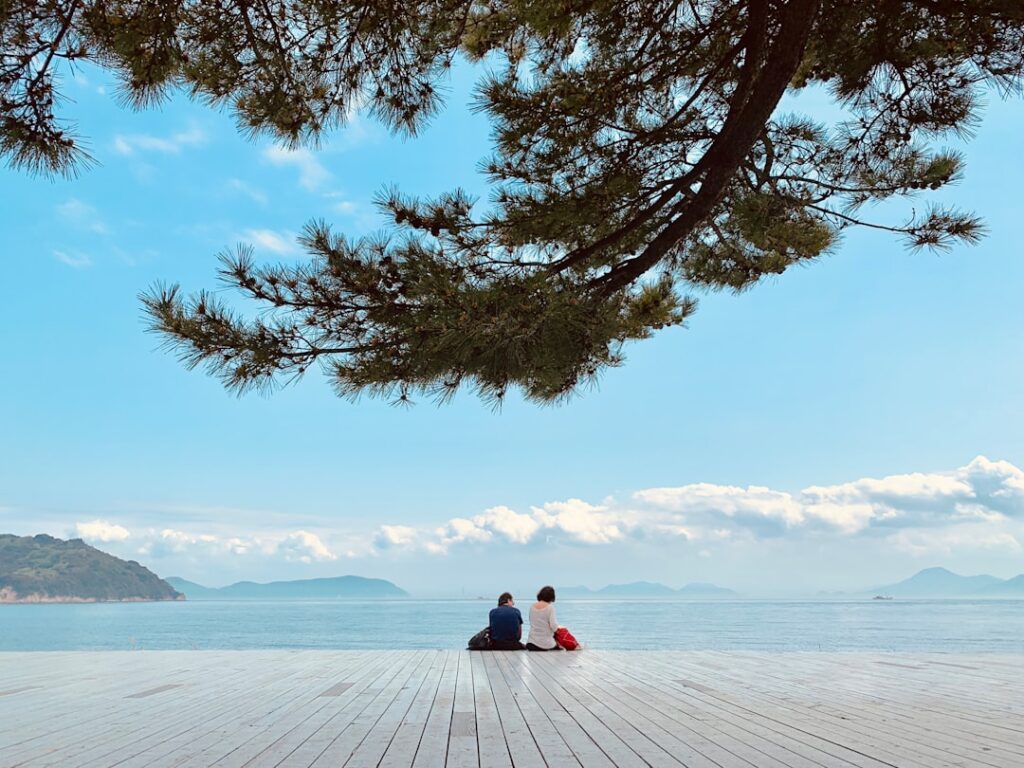
The Ultimate Naoshima, Japan Guide: Art Islands, Architecture & Seto Sea Serenity
Naoshima, Japan isn’t just a destination—it’s an open-air gallery where nature and human creativity dance. The scent of salt air mingles with freshly cut grass as you cycle past Yayoi Kusama’s iconic pumpkin sculpture glowing against the Seto Inland Sea. This tiny island transforms contemporary art into a living, breathing experience.
Why Naoshima, Japan Stands Out

Ladybug tent, Naoshima, Japan
- Historic Architecture: The Go’o Shrine (2002) by Hiroshi Sugimoto features a glass staircase that connects ancient Shinto tradition with modern minimalism.
- Cultural Scene: The Setouchi Triennale art festival transforms the entire island every three years with temporary installations and performances.
- Local Specialties: Freshly caught Seto Inland Sea seafood, particularly the small octopus known as “madako” served as takoyaki.
Pro Tip: Visit on weekdays in May or October when weather is perfect (20-25°C) and crowds are minimal—arrive at Chichu Art Museum exactly at 10 AM when it opens to experience James Turrell’s “Open Field” in the best light conditions.
Map of Naoshima, Japan
Use these interactive maps to explore Naoshima, Japan and plan your route:
📍 View Naoshima, Japan on OpenStreetMap
🗺️ Open Naoshima, Japan in Google Maps
Planning Your Trip: Practical Essentials
Getting There and Around
- By Air: Fly to Okayama Airport (OKJ) via ANA or JAL, then take a 30-minute bus to Okayama Station (¥760). Book flights at Skyscanner for best deals.
- By Train: Take the Shinkansen to Okayama Station (2 hours from Tokyo, ¥16,000), then local train to Uno Station (1 hour, ¥580). Reserve tickets at Trainline or the national railway website.
- By Car: Drive to Uno Port (parking ¥500/day), though cars aren’t practical on Naoshima itself. Compare car rentals at RentalCars.com.
- Local Transport: Rent electric bicycles from Miyanoura Port (¥1,500/day) or use island buses (¥100-300 per ride). The Benesse House shuttle is free for museum ticket holders.
Best Time to Visit
Spring and autumn offer ideal conditions with mild temperatures and lower humidity. Summer brings vibrant greenery but higher humidity, while winter offers crisp air and minimal crowds.
| Season | Weather | Highlights |
|---|---|---|
| Summer (Jun–Aug) | 25-32°C, humid with occasional rain | Lush green landscapes, Setouchi Triennale years, but crowded and humid |
| Winter (Dec–Feb) | 5-12°C, dry and sunny | Minimal crowds, crisp air perfect for photography, some installations closed |
| Shoulder (Apr–May/Sep–Oct) | 18-25°C, mild and dry | Perfect cycling weather, all attractions open, comfortable for outdoor exploration |
Budgeting for Naoshima, Japan

Brown round ball under blue sky during daytime, Naoshima, Japan
| Category | Budget | Mid-range | Luxury |
|---|---|---|---|
| Accommodation | ¥4,000-6,000 (guesthouses) | ¥12,000-20,000 (business hotels) | ¥35,000+ (Benesse House) |
| Meals | ¥2,000 (convenience store/ramen) | ¥4,000-6,000 (restaurants) | ¥10,000+ (kaiseki dining) |
| Transport | ¥1,500 (bicycle rental) | ¥3,000 (bus passes/taxis) | ¥8,000 (private tours) |
| Activities | ¥2,000 (beaches/public art) | ¥4,000 (2 museum entries) | ¥10,000 (all museums + tours) |
| Daily Total | ¥9,500 | ¥23,000 | ¥63,000+ |
Top Attractions and Must-See Sights
| Attraction | Description | Hours | Entry Fee |
|---|---|---|---|
| Chichu Art Museum | Tadao Ando’s underground masterpiece featuring Monet, Turrell, and De Maria in natural light | 10:00-18:00 (last entry 17:00) | ¥2,100 |
| Benesse House Museum | Contemporary art museum-hotel complex with works by Hockney, Basquiat, and Kusama | 8:00-21:00 | ¥1,030 |
| Art House Project | Seven restored traditional houses transformed into permanent art installations | 10:00-16:30 (varies by house) | ¥1,050 (all houses) |
| Lee Ufan Museum | Tadao Ando-designed space dedicated to Korean minimalist Lee Ufan’s meditative works | 10:00-18:00 (Mar-Sep), 10:00-17:00 (Oct-Feb) | ¥1,030 |
3-Day Itinerary: Naoshima, Japan’s Highlights & Hidden Gems
Day 1: Southern Art Coast Exploration
- Morning: 7:30 AM ferry from Uno Port (¥290, 20 minutes) to Miyanoura. Rent electric bicycles (¥1,500/day) and cycle to the Red Pumpkin (free) for sunrise photos when it’s empty.
- Afternoon: 12:00 PM Benesse House Museum (¥1,030) then lunch at Museum Cafe (¥1,800 for seafood pasta set). Visit the outdoor sculptures including Niki de Saint Phalle’s Nanas.
- Evening: 6:00 PM Lee Ufan Museum (¥1,030) for golden hour light, then dinner at Uosan (¥4,500) for fresh madako takoyaki and local sake.
Day 2: Honmura Art Houses & Architecture
- Morning: 9:00 AM Art House Project (¥1,050 for all houses) starting with James Turrell’s “Minamidera” – arrive early to avoid groups. Don’t miss the 10-minute light experience inside.
- Afternoon: 1:00 PM lunch at Cafe Ougiya (¥1,200 for curry rice) then explore Go’o Shrine and Ando Museum (¥510). Visit the Naoshima Bath “I♥湯” (¥660) – a functional sento designed by Shinro Ohtake.
- Evening: 5:30 PM Chichu Art Museum (¥2,100, book online 2 weeks ahead) for the magical transition from daylight to artificial lighting in Turrell’s “Open Sky.”
Day 3: Northern Coast & Teshima Island Day Trip
- Morning: 8:15 AM ferry to Teshima (¥1,230 round trip, 25 minutes). Rent e-bikes (¥2,000) and visit Teshima Art Museum (¥1,540) – the concrete shell with water droplets is breathtaking.
- Afternoon: 1:00 PM lunch at Shima Kitchen (¥2,500 for daily set) then explore Les Archives du Cœur at Teshima. Return ferry at 3:30 PM.
- Evening: 5:00 PM explore Naoshima’s northern coast including the Yellow Pumpkin at sunset. Final dinner at Miyanoura port area at Restaurant Umi (¥3,800 for seafood donburi).
Cultural Insights & Etiquette
- Language: Learn “sumimasen” (excuse me), “arigatou gozaimasu” (thank you), and “kore o kudasai” (I’ll take this) – English is limited but museum staff speak basic English
- Customs: Remove shoes before entering traditional buildings and art installations, speak quietly in museums, never touch artworks unless specified
- Tipping: Not practiced in Japan – excellent service is standard and tipping can cause confusion
- Dress Code: Comfortable walking shoes essential, bring layers for changing weather, modest attire for temples and shrines
- Business Hours: Museums 10:00-17:00, restaurants 11:00-14:00 & 17:00-20:00, convenience stores 24/7, most places closed Mondays or Tuesdays
Where to Eat: Naoshima, Japan’s Best Bites
Naoshima’s cuisine centers around Seto Inland Sea seafood with simple preparation that highlights freshness. Dining options are limited but excellent, with most restaurants clustered around Miyanoura and Honmura ports.
Must-Try Local Specialties
- Madako Takoyaki: Octopus balls made with local small octopus – more tender than standard takoyaki. Best at Uosan near Miyanoura Port.
- Setouchi Lemon Ramen: Refreshing citrus-infused ramen using local lemons. Try at Aisunao near the ferry terminal (¥950).
- Anago Meshi: Conger eel rice bowl, a Kagawa prefecture specialty. Available at most portside restaurants for lunch (¥1,200-1,800).
Restaurant Recommendations by Budget
| Type | Restaurant | Specialty | Price Range |
|---|---|---|---|
| Budget | Aisunao (Miyanoura) | Lemon ramen and rice bowls | ¥800-1,200 |
| Mid-range | Restaurant Umi (Miyanoura) | Fresh seafood donburi and set meals | ¥2,500-4,000 |
| Fine dining | Benesse House Restaurant (Gotanji) | French-Japanese fusion with sea views | ¥8,000-15,000 |
Where to Stay
Accommodation ranges from basic guesthouses to luxury art hotels. Book months ahead, especially for Benesse House. Compare prices and book at Booking.com or Airbnb for apartments.
Best Neighborhoods for Accommodation
- Miyanoura: Main port area with most restaurants and services, convenient for ferries, but can be noisy – ideal for budget travelers
- Honmura: Quiet traditional village near Art House Project, limited dining options but atmospheric – perfect for art enthusiasts
- Gotanji/Southern Coast: Near major museums with stunning sea views, requires transport – best for luxury seekers and Benesse House guests

Brow wooden chair, Naoshima, Japan
FAQs: Your Naoshima, Japan Questions Answered
1. Is Naoshima, Japan safe at night?
Extremely safe – crime is virtually nonexistent. However, roads are poorly lit and sidewalks limited, so bring a flashlight for evening cycling. Most areas become very quiet after 8 PM.
2. What currency is used and are credit cards accepted?
Japanese Yen (¥). Credit cards accepted at hotels, major museums, and some restaurants, but carry ¥20,000-30,000 cash for smaller restaurants, bicycle rentals, and local buses.
3. How do I get from the airport to the city center?
From Okayama Airport, take the limousine bus to Okayama Station (30 minutes, ¥760), then JR train to Uno Station (1 hour, ¥580), then ferry to Naoshima (20 minutes, ¥290). Book airport transfers at GetYourGuide for convenience.
4. Do I need to speak the local language?
Not essential but helpful. Museum staff speak basic English, but restaurant and transport staff may not. Learn basic phrases and use translation apps. Most signs have English translations.
5. What’s the appropriate dress code?
Comfortable, casual clothing with good walking shoes. Bring a rain jacket and layers. Modest attire (covered shoulders/knees) for shrines. Swimwear only at designated beaches.
Final Thoughts: Naoshima, Japan Awaits
Naoshima represents a unique convergence of art, architecture, and nature that exists nowhere else in the world. The island’s transformation from industrial site to artistic sanctuary demonstrates Japan’s remarkable ability to honor tradition while embracing innovation. Whether you’re an art aficionado or simply seeking beauty in unexpected places, Naoshima offers a profoundly moving experience that will linger in your memory long after you’ve returned home. Plan ahead, embrace the slow pace, and allow yourself to be surprised by the magic that unfolds around every corner.
Keywords
Naoshima, Japan travel guide, Naoshima, Japan attractions, things to do in Naoshima, Japan, Naoshima, Japan itinerary, Naoshima, Japan restaurants, Naoshima, Japan hotels, visit Naoshima, Japan, Naoshima, Japan tourism, Naoshima, Japan vacation, Naoshima, Japan trip planning
{“@context”: “https://schema.org”, “@type”: “FAQPage”, “mainEntity”: [{“@type”: “Question”, “name”: “What is the best time to visit Naoshima?”, “acceptedAnswer”: {“@type”: “Answer”, “text”: “The best time to visit Naoshima depends on your preferences. Generally, the dry season offers the most pleasant weather for sightseeing and outdoor activities.”}}, {“@type”: “Question”, “name”: “How many days do I need in Naoshima?”, “acceptedAnswer”: {“@type”: “Answer”, “text”: “Most travelers spend 3-5 days in Naoshima to see the main attractions. A week allows for a more relaxed pace and day trips.”}}, {“@type”: “Question”, “name”: “Is Naoshima expensive to visit?”, “acceptedAnswer”: {“@type”: “Answer”, “text”: “Naoshima can be visited on various budgets. Accommodation ranges from hostels to luxury hotels, and local restaurants offer affordable dining.”}}]}
Related Guides
Explore more destinations similar to Naoshima:

