
The Ultimate Sapa, Vietnam Guide: Terraced Rice Fields, Hill Tribes & Mountain Adventures
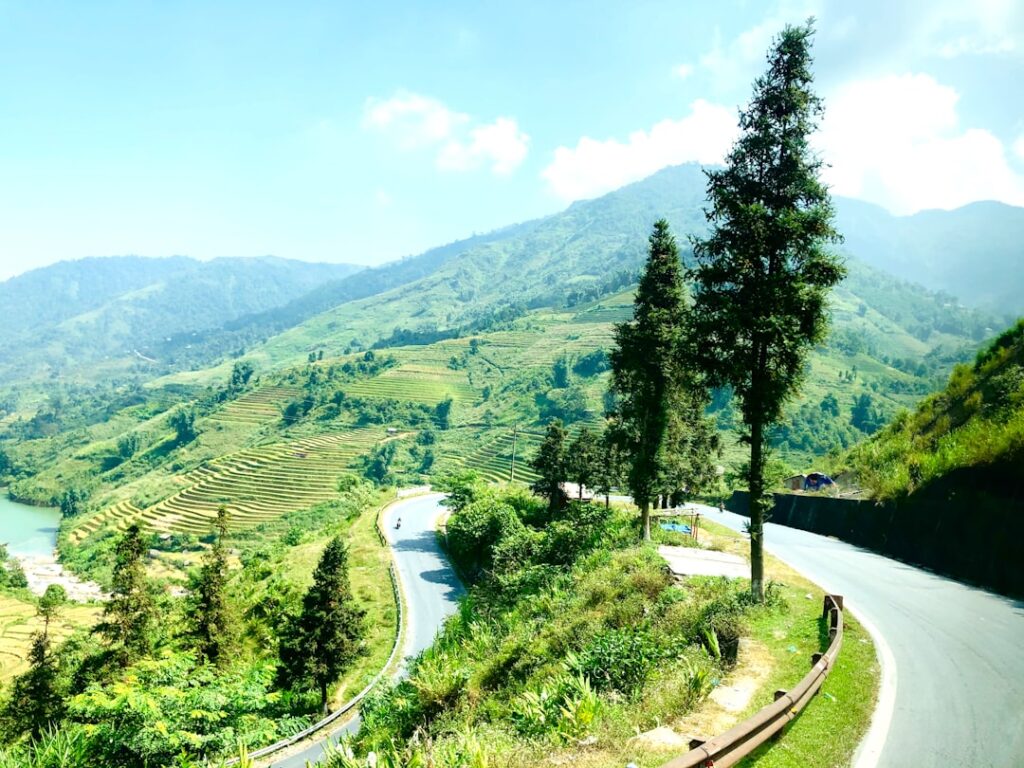
Sapa, Vietnam isn’t just a destination—it’s a living watercolor painting. Morning mist clings to emerald rice terraces as H’mong women in indigo batik walk mountain paths, their silver jewelry jingling with each step while woodsmoke from village kitchens scents the crisp air. An authentic encounter with Vietnam’s northern highlands where ancient traditions meet breathtaking landscapes.
Why Sapa, Vietnam Stands Out

Brown cow on green grass field during daytime, Sapa, Vietnam
- Historic Architecture: Stone Church of Sapa (1930) built by French colonists using local stone, serving as the town’s central landmark and gathering point.
- Cultural Scene: Saturday Love Market where ethnic minorities gather for traditional courting rituals, music, and colorful handicraft trading.
- Local Specialties: Thang Co – a traditional H’mong horse meat stew cooked with 12 different herbs and spices in massive cast iron pots.
Pro Tip: Visit mid-September to October for golden rice terraces at their most spectacular, or January to February for cherry blossom season—avoid June to August’s heavy rains and arrive at popular viewpoints before 7 AM to beat the crowds.
Map of Sapa, Vietnam
Use these interactive maps to explore Sapa, Vietnam and plan your route:
📍 View Sapa, Vietnam on OpenStreetMap
🗺️ Open Sapa, Vietnam in Google Maps
Planning Your Trip: Practical Essentials
Getting There and Around
- By Air: Noi Bai International Airport (HAN) in Hanoi, served by Vietnam Airlines, Bamboo Airways, and Vietjet Air. Take a 5-hour bus or private car (1,000,000 VND/$40) to Sapa. Book flights at Skyscanner for best deals.
- By Train: Overnight train from Hanoi to Lao Cai (8 hours), then 45-minute bus to Sapa. Victoria Express offers luxury cabins (2,500,000 VND/$100), while standard sleepers cost 800,000 VND ($32). Reserve tickets at Trainline or the national railway website.
- By Car: 5-hour scenic drive from Hanoi via Highway 4D. Limited parking in Sapa town center (50,000 VND/$2 per day). Compare car rentals at RentalCars.com.
- Local Transport: Motorbike taxis (20,000-50,000 VND/$1-2 per ride), local buses to villages (30,000 VND/$1.20), or hire private guides with cars (1,500,000 VND/$60 per day).
Best Time to Visit
Sapa experiences four distinct seasons with dramatic changes in landscape. September to November offers ideal trekking conditions and golden rice terraces, while March to May showcases blooming flowers and perfect photography light.
| Season | Weather | Highlights |
|---|---|---|
| Summer (Jun–Aug) | 18-25°C, heavy rainfall, foggy conditions | Lush green landscapes, fewer crowds, indoor cultural experiences |
| Winter (Dec–Feb) | 5-15°C, occasional frost, clear skies | Cherry blossoms in February, possible snow on Fansipan, excellent visibility |
| Shoulder (Apr–May/Sep–Oct) | 15-22°C, mild and dry with sunny days | Perfect trekking weather, rice harvest views, vibrant local markets |
Budgeting for Sapa, Vietnam

A house in a field, Sapa, Vietnam
| Category | Budget | Mid-range | Luxury |
|---|---|---|---|
| Accommodation | Homestay: 300,000 VND ($12) | Hotel: 1,200,000 VND ($48) | Resort: 3,500,000 VND ($140) |
| Meals | Street food: 80,000 VND ($3.20) | Restaurant: 250,000 VND ($10) | Fine dining: 800,000 VND ($32) |
| Transport | Local bus: 30,000 VND ($1.20) | Motorbike taxi: 150,000 VND ($6) | Private car: 1,500,000 VND ($60) |
| Activities | Self-guided hikes: Free | Guided trek: 500,000 VND ($20) | Private tour: 2,000,000 VND ($80) |
| Daily Total | 410,000 VND ($16.40) | 2,100,000 VND ($84) | 7,800,000 VND ($312) |
Top Attractions and Must-See Sights
| Attraction | Description | Hours | Entry Fee |
|---|---|---|---|
| Fansipan Cable Car | World’s longest 3-rope cable car to “Roof of Indochina” at 3,143m with breathtaking valley views | 7:30 AM-5:30 PM | 750,000 VND ($30) |
| Muong Hoa Valley Trek | Stunning 12km hike through ancient rock carvings and traditional H’mong and Dao villages | Daylight hours | Free (Guide: 500,000 VND/$20) |
| Cat Cat Village | Traditional H’mong village with waterfall, handicraft demonstrations, and cultural performances | 6 AM-6 PM | 70,000 VND ($2.80) |
| Silver Waterfall & Love Waterfall | Tram Ton Pass’s majestic 100m Silver Waterfall and romantic Love Waterfall in Hoang Lien National Park | 7 AM-5 PM | 70,000 VND ($2.80) |
3-Day Itinerary: Sapa, Vietnam’s Highlights & Hidden Gems
Day 1: Mountain Majesty & Cultural Immersion
- Morning: 7 AM Fansipan Cable Car ascent to avoid clouds and crowds. At the summit, visit the 15th-century Buddhist temple complex and enjoy panoramic views stretching to China on clear days.
- Afternoon: 12 PM trek through Muong Hoa Valley to see ancient stone carvings dating to the 15th century, then lunch at A Quynh Restaurant for authentic grilled black chicken with wild bamboo shoots (180,000 VND/$7.20).
- Evening: 6 PM traditional H’mong music performance at Stone Church square followed by dinner at Sapa Lotus Restaurant for their famous salmon hotpot cooked with local herbs (350,000 VND/$14).
Day 2: Village Life & Waterfall Wonders
- Morning: 8 AM guided trek to Cat Cat Village (500,000 VND/$20 including entrance) – watch traditional hemp weaving and indigo dyeing techniques passed down through generations of H’mong women.
- Afternoon: Motorbike taxi to Silver Waterfall and Love Waterfall (150,000 VND/$6 round trip), then lunch at Local Eatery near the falls for wild boar with forest vegetables (120,000 VND/$4.80).
- Evening: 7 PM cooking class at Sapa Market to learn traditional recipes using mountain herbs and spices, followed by enjoying your creations for dinner (400,000 VND/$16).
Day 3: Market Magic & Highland Farewell
- Morning: 6 AM bus to Bac Ha Sunday Market (200,000 VND/$8) – Vietnam’s most colorful ethnic market where Flower H’mong in vibrant costumes trade water buffalo and traditional medicines.
- Afternoon: Visit the 19th-century French-built Bac Ha King Palace and lunch at Nha Hang Nui at the market entrance for their specialty thang co horse stew (150,000 VND/$6).
- Evening: Final sunset drinks at Topas Ecolounge overlooking the dramatic valley, sampling local apple wine and corn liquor (120,000 VND/$4.80 per glass).
Cultural Insights & Etiquette
- Language: Vietnamese is official, but ethnic groups speak their own languages. Learn “Xin chào” (hello), “Cảm ơn” (thank you), and “Bao nhiêu tiền?” (how much?). English is limited outside tourist areas.
- Customs: Always remove shoes before entering homes, receive items with both hands, avoid touching heads (considered sacred), and ask permission before photographing locals (many expect small payment).
- Tipping: Not expected but appreciated – 5-10% in restaurants, 50,000-100,000 VND ($2-4) for guides, 20,000 VND ($0.80) for porters.
- Dress Code: Modest clothing for village visits (cover shoulders and knees), sturdy shoes for trekking, warm layers for cool evenings, and rain gear year-round.
- Business Hours: Shops 7 AM-9 PM, restaurants 6 AM-10 PM, markets dawn until early afternoon. Most closed during Tet (Lunar New Year) in January/February.
Where to Eat: Sapa, Vietnam’s Best Bites
Sapa’s cuisine reflects its highland location with wild herbs, forest vegetables, and unique proteins like horse and wild boar. Dining ranges from street food stalls around the stone church to elegant restaurants with valley views, with most meals centered around hot pots perfect for the cool mountain climate.
Must-Try Local Specialties
- Thang Co: Traditional H’mong horse or buffalo organ stew with 12 mountain herbs – try at Bac Ha Market stalls or A Phu Restaurant in Sapa town
- Grilled Black Chicken: Free-range hill tribe chicken with honey and local spices – best at A Quynh Restaurant near Muong Hoa Valley
- Seven-color Sticky Rice: Steamed rice naturally colored using forest leaves and flowers – find at Saturday Love Market or Sapa Market food court
Restaurant Recommendations by Budget
| Type | Restaurant | Specialty | Price Range |
|---|---|---|---|
| Budget | Sapa Market Food Stalls (near stone church) | Barbecue skewers and noodle soups | 50,000-100,000 VND ($2-4) |
| Mid-range | Sapa Lotus Restaurant (024 Fansipan Street) | Salmon hotpot with local herbs | 200,000-400,000 VND ($8-16) |
| Fine dining | Victoria Sapa Resort Restaurant (Xuan Vien Street) | French-Vietnamese fusion with valley views | 600,000-1,200,000 VND ($24-48) |
Where to Stay
Accommodation ranges from basic homestays in ethnic villages to luxury resorts with panoramic views. Central Sapa town offers convenience, while surrounding valleys provide authentic cultural experiences. Compare prices and book at Booking.com or Airbnb for apartments.
Best Neighborhoods for Accommodation
- Sapa Town Center: Walking distance to restaurants and markets, but can be noisy – ideal for first-time visitors and those wanting convenience
- Muong Hoa Valley: Scenic homestays with rice terrace views, requiring transport to town – perfect for trekkers and photographers
- Cat Cat Road: Quiet area with boutique hotels overlooking the valley – great for couples and those seeking tranquility

A scenic view of a valley with mountains in the background, Sapa, Vietnam
FAQs: Your Sapa, Vietnam Questions Answered
1. Is Sapa, Vietnam safe at night?
Yes, Sapa is generally safe at night, though basic precautions apply. Stick to well-lit areas, avoid walking alone in remote areas after dark, and use licensed motorbike taxis (recognizable by numbered vests). Petty theft can occur in crowded markets, so keep valuables secure.
2. What currency is used and are credit cards accepted?
Vietnamese Dong (VND) is the official currency. ATMs are available in Sapa town dispensing Vietnamese Dong. Credit cards accepted at hotels and upscale restaurants, but cash is essential for markets, homestays, and local transport. Exchange money at banks for better rates than hotels.
3. How do I get from the airport to Sapa?
From Hanoi’s Noi Bai Airport, take a taxi to Hanoi station (400,000 VND/$16) for the overnight train, or book a direct 5-hour bus (300,000 VND/$12). Private car transfers cost 1,000,000-1,500,000 VND ($40-60). Book airport transfers at GetYourGuide for convenience.
4. Do I need to speak the local language?
No, but learning basic Vietnamese phrases enhances your experience. English is spoken in tourist areas, hotels, and by younger guides. In ethnic villages, communication may require gestures or translation apps. Key phrases: “Xin chào” (hello), “Cảm ơn” (thank you), “Bao nhiêu?” (how much?).
5. What’s the appropriate dress code?
Modest, layered clothing for variable mountain weather. For village visits, cover shoulders and knees out of respect. Sturdy waterproof shoes are essential for trekking. Even in summer, bring warm layers for cool evenings and rain gear for sudden showers.
Final Thoughts: Sapa, Vietnam Awaits
Sapa offers one of Southeast Asia’s most authentic cultural and natural experiences, where ancient hill tribe traditions continue amidst some of Vietnam’s most spectacular landscapes. From the breathtaking cable car ascent to Fansipan to homestays in remote ethnic villages, this destination rewards adventurous travelers with unforgettable memories. Whether you come for the legendary rice terraces, vibrant markets, or mountain trekking, Sapa’s misty peaks and warm hospitality will leave you transformed. Plan your visit during the golden harvest season for optimal conditions, but know that this magical highland region offers beauty and cultural richness year-round.
Keywords
Sapa, Vietnam travel guide, Sapa, Vietnam attractions, things to do in Sapa, Vietnam, Sapa, Vietnam itinerary, Sapa, Vietnam restaurants, Sapa, Vietnam hotels, visit Sapa, Vietnam, Sapa, Vietnam tourism, Sapa, Vietnam vacation, Sapa, Vietnam trip planning
Related Guides
Explore more destinations similar to Sapa:

