
Kainantu, Papua New Guinea for Adventurers: 7 Trails and Rivers That Put the Alps to Shame (2026)
The dawn mist hasn’t burned off the Ramu Valley yet when you crest the ridge line above Aiyura, your boots sliding on dew-soaked kunai grass. Below, the river roars a constant, wild pulse—a sound you’ll feel in your chest rather than just hear. Ahead, Mount Piora’s granite peak catches the first golden light, and somewhere in the canopy between you and the summit, a Raggiana bird of paradise shrieks its rattling, otherworldly call. You’re 1,700 meters above sea level in Papua New Guinea’s Eastern Highlands, and everything you’ve heard about this place being untamed is proving truer than you imagined. Adventurers come here to trek through villages with no roads to them, run rivers that still show up blank on most maps, and find out that “remote” still actually means something.
The Main Event: Mount Piora Summit and the Kratke Range Traverse
Your best bet in Kainantu is the two-day climb to the top of Mount Piora (3,500 meters), the highest point in the Kratke Range and a summit so rarely attempted that you might not see another foreign trekker on the trail. The ascent starts at the Kainantu town boundary—you’ll coordinate with a local guide at the Kainantu Visitor Bureau (open Monday through Friday, 8:00 AM to 4:00 PM; a guide will cost you 250 Kina, about $65 USD, per day). The first day takes you up through secondary rainforest and into cloud forest, where the trail narrows to a single-file track used primarily by villagers moving between the high gardens. Plan on six to seven hours of steady climbing to your overnight camp at the abandoned missionary hut above the village of Tairora, where your guide’s extended family will likely emerge from the forest to prepare your dinner—taro, sweet potato, and freshwater prawns cooked in bamboo over an open fire.
Day two starts at 4:00 AM with a headlamp and a thermos of sweet, milky tea. Travelers often discover that the final 800 meters of the ascent is a scramble over volcanic talus, not technical climbing, but you’ll want dry gloves for the exposed sections. From the summit, the reward is stupefying: the entire Highlands Highway winding like a thin scar below, the Ramu River cutting through the valley in a silver arc, and the Finisterre Range rising on the horizon to the north. On a clear day (locals say the best visibility comes between August and October), you can see all the way to Mount Wilhelm, Papua New Guinea’s highest peak, on a bearing of 285 degrees. Bring a GPS—the cloud closes in fast at altitude, and seasonal hikers have reported needing to navigate entirely by map and compass when the summit fog rolls in by late morning. You can book the entire two-day adventure through Highlands Trekking Adventures at highlandstrekking.com; all-inclusive pricing runs about 750 Kina ($195 USD) per person for two people, or 450 Kina ($120 USD) per person for groups of four or more.
Activity #2: Ramu River Whitewater Rafting
If you prefer your adrenaline soaked rather than sweat-drenched, the Ramu River is your playground. The Ramu drops a furious 300 meters in the 18-kilometer stretch between the Yonki Dam and the confluence near Oti village, delivering continuous Class III and IV rapids through a gorge that sees fewer than 200 commercial runs per year. The trip launches from the gravel boat ramp below Yonki Dam, about 20 minutes north of Kainantu town by PMV bus (Public Motor Vehicle—the local minibus system, costing 5 Kina). You’ll put in at 9:00 AM sharp, timed to catch the dam’s release pattern, and you’ll be out of the river by 3:00 PM with shaking knees and a grin that won’t subside for the rest of the day. You don’t need prior rafting experience, but you should be a confident swimmer and willing to get out of the boat into a warm tropical river full of rock gardens.
The outfitter is Ramu Wild, a small operation run by former PNG national kayak champion Benson Muri, who grew up in a stilt village on the lower Ramu and knows every eddy and pour-over in the gorge. His crew runs trips with self-bailing rafts, full helmets, and ex-military river rescue medics. Cost is 400 Kina ($105 USD) per person, including lunch—a surprisingly good spread of grilled river fish, taro, and fresh tropical fruit served on a sandbar at the midpoint where the river widens. Seasoned paddlers can request the “long line” which extends the route another nine kilometers through the Class V “Chopper Hole” section, but you’ll need certification and your own whitewater helmet. When to go: the river is punchiest in the wet season from December to April, but runoff makes the water murky and hides obstacles. Locals recommend the dry season months of June through September for the clearest lines and most predictable water levels. Book at least a week ahead at ramuwild.com.
Activity #3: Fly Fishing the Upper Ramu and Aiyura Streams
When your shoulders ache from paddling and your knees complain about high-altitude descents, the waters of the Ramu system offer a different kind of focus. Fly fishers travel from Australia and New Zealand for the chance at New Guinea bass—a powerful, belligerent fish that strikes streamers with a violence that has turned more than one angler’s legs to jelly. The fishing is seasonal; local guides at Kainantu Angling Club (a small operation headquartered out of the Highlander Hotel’s back office) will tell you the absolute peak window runs from August through October, when the rivers run low and clear. They run driftboat trips from the confluence below Oti village up into the faster water, drifting poppers and big feather streamers over structural banks and the mouths of small side streams.
You’ll need a 7-weight or 8-weight outfit with floating line, a fast action rod, and serious backing—these bass hit the backing on the first run. Cost for a full-day guided float, including lunch, flies, and transport, runs 500 Kina ($130 USD) for one angler, dropping to 350 Kina ($90 USD) each for two. What surprises most visitors is the bycatch: small jungle perch that take a dry fly with reckless abandon, and on the inside bends, little archerfish that will test your patience and throw your fly back at you with a jet of water. Your best bet is to bring your own rod and flies from home—Papua New Guinea has limited fly-fishing stock, and you’ll pay a hefty premium for imported gear in Mount Hagen or Port Moresby. Insider tip: don’t bother with wading boots with felt soles. The stone beds are smooth and the water is acid-soft; a good pair of grippy sandals will serve you just fine and dry out better at altitude.

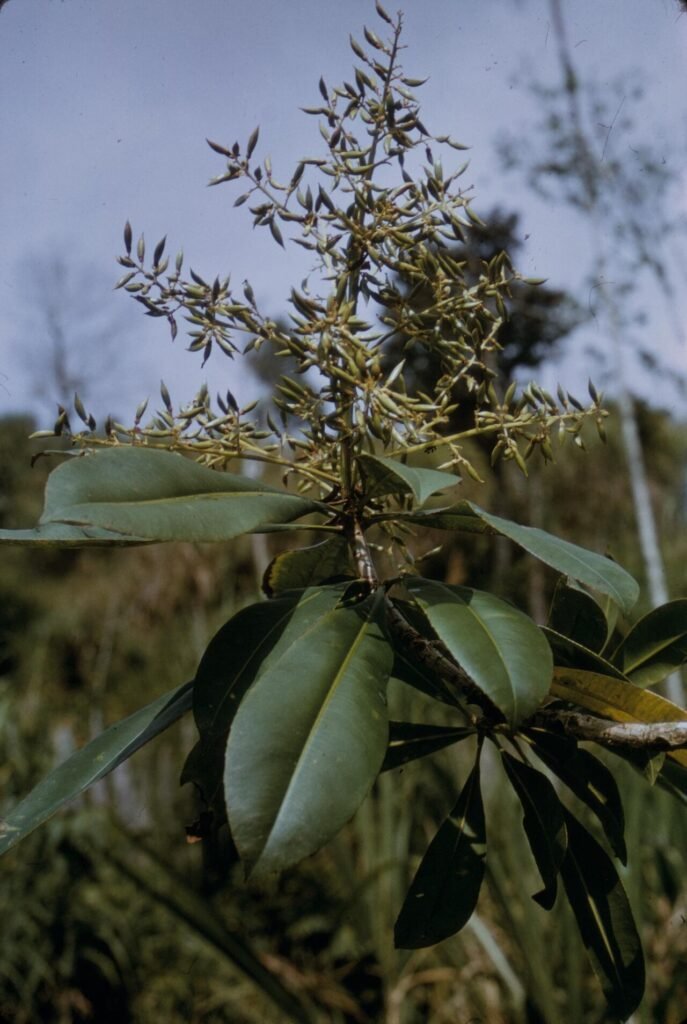
Close-up photograph of Palmeria leaves and flowers from Kainantu, Kainantu, Papua New Guinea
Refuel: Where Adventurers Eat
After a long day in the gorge or on the mountain, your appetite will be enormous, and Kainantu’s food scene, while small, punches above its weight for hungry travelers. Head first to Ramu Riverview Lodge Restaurant on Kainantu’s main strip, a long-standing institution that locals recommend without hesitation for its grilled whole river barramundi (35 Kina, about $9) and mounds of taro chips fried in coconut oil. This is where the expat energy workers and gold miners from nearby Yonki gather, so expect hearty portions, cold SP Lager, and the kind of no-nonsense service that suits a post-adventure appetite perfectly.
For breakfast before a dawn start, Stone Garden Café opens its doors at 5:30 AM—the only coffee shop in town that bothers. This is your spot for a proper flat white brewed from Aiyura coffee beans (grown literally a half hour away in the valley below), served alongside banana pancakes with hand-churned butter and local honey. A full breakfast and a coffees run you about 25 Kina. For a big Saturday dinner, the Aiyura Highlands Hotel Restaurant serves a surprisingly good Papua New Guinea interpretation of laksa—a spicy coconut broth with river prawns and locally grown greens that comes with a warning: the menuna chili they grow in the restaurant’s own garden will light you up in a way that makes Thai versions seem mild. It’s 40 Kina for a bowl, and you’ll want the big one. When you’re craving protein that got to the table with a pulse, the Okapa Grill House at the eastern edge of town does locally raised Highland Angus steaks—ribeye, cooked over charcoal, served with a pile of roast vegetables, 65 Kina ($17). The owner, a retired mining engineer from Lone Star, USA, ages his beef in a walk-in cooler he imported from Texas and will happily talk fly fishing and treks while you eat.
Base Camp: Where to Stay
Kainantu has a handful of lodgings, but active travelers should target three distinct options. The Aiyura Highlands Hotel (Duran Road, Kainantu) is the operational HQ of most adventure tourism in the region; it’s where your guides pick you up, where gear storage is a non-issue, and where a full breakfast is available from 5:30 AM. Rooms run from 320 Kina ($83 USD) per night for a garden-view double, and the staff is accustomed to people loading their damp boots into a drying room they keep behind the laundry counter. It’s not luxury accommodation, but it’s clean, hot-water reliable, and the people you need to meet in Kainantu are going to be here at dinner. Book online at Booking.com for the best rate.
For a more immersive experience, Kora Ridge Guest House, about seven kilometers east of town, is a working coffee estate that rents out a four-bedroom bungalow to travelers. It’s a 15-minute walk from a village where you can arrange taro harvest days or a traditional mumu feast, and the proprietor, a retired agronomist from the Australian aid program, makes a damn good camp breakfast at sunrise. Expect 200 Kina ($52 USD) per person per night, and you’ll want to organize your own transport—the guest house is not on the PMV route. The third option that adventure regulars swear by is Yonki River Camp, a rough-and-ready camping lodge at the dam site that offers twin-share safari tents with raised cots for 100 Kina ($26 USD) per night. This is your best bet if you’ve scheduled multiple days on the river—the Ramu is a 500-meter walk from the tent, guides eat breakfast at the shared table, and the evening conversation turns to dark stories of big water and bigger fish. Just bring your own sleeping bag, and check availability through the PNG Mountain Lodges network at pngmountainlodges.com.

A lively scene from a cultural festival with participants in traditional attire., Kainantu, Papua New Guinea
Gear & Prep Checklist
- Waterproof shell and dry bags: You will be rained on or splashed on at altitude, sometimes in the same hour. A good Gore-Tex shell and a 20-liter dry bag to protect electronics are non-negotiable.
- Lightweight trekking poles: The descents off Mount Piora are relentless on knees through steep, muddy sections. You’ll thank yourself—your quadriceps won’t need to.
- Headlamp with spare batteries: Between 4:00 AM summit starts and power outages that can darken the entire town grid on a wet evening, a 500-lumen headlamp is life insurance.
- Fitness preparation: Clock at least 10 kilometers of hiking per week with 500 meters of elevation gain, and be able to swim 100 meters comfortably in a current. This is not a destination for first-time hikers or non-swimmers.
- Malaria prophylaxis: The Eastern Highlands province sits in a malaria-endemic zone; your itinerary will put you at river level. Consult your travel doctor about atovaquone/proguanil (e.g., Malarone), and bring DEET-based repellent—locals recommend applying before dawn and dusk, the two peak mosquito windows.
Getting There & Around
- Flights: Air Niugini operates daily flights from Port Moresby to Kainantu via Goroka (Airfield at Tokua, KAO). The flight is 1 hour and 35 minutes; book via Skyscanner or directly through Air Niugini. Fares start around 600 Kina ($155 USD) one way if you book at least three weeks out.
- Local Transport: From Kainantu Aerodrome (technically at Aiyura, a 20-minute drive from town), you’ll catch a PMV bus into Kainantu market—5 Kina and worth the chaos. From the town market, the Aiyura Valley and Yonki Dam are accessible by shared PMV (5-10 Kina) throughout the day, but your adventure operators will handle transfers to trailheads, raft launches, and fishing boats. For multi-day treks, your guide will arrange four-wheel-drive transfers; don’t try to rent a car—rental agencies are scarce, and the Highlands roads claim more than one shiny SUV every season.
- Best Season: You’ll want to target the months of August through October, when rainfall drops, the rivers run lower and sharper, and the mountain

Dancers in traditional Papuan attire performing under night lights in Jayapura, Kainantu, Papua New Guinea


