
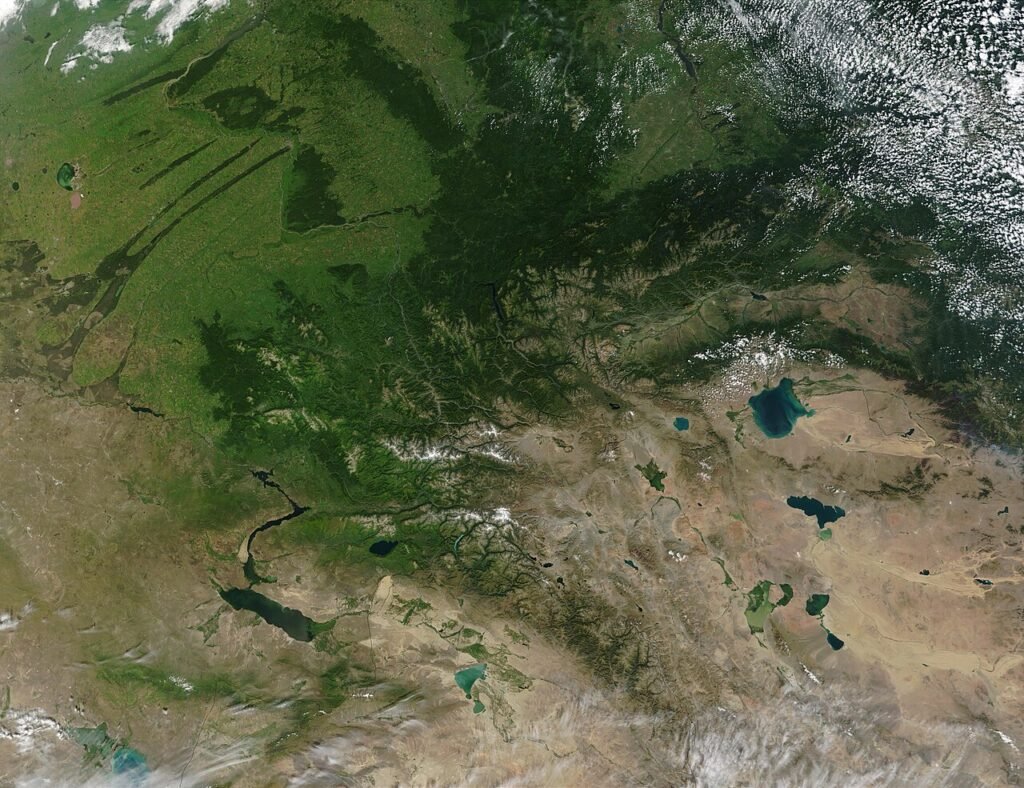
Altay Mountains, Mongolia Weekend: Eagle Hunters (2026)
The wind carries the sharp scent of woodsmoke and dried mutton as you step off the plane at Ölgii’s tiny airstrip, and somewhere beyond the town’s squat rooftops, the snow-scarred silhouette of Tavan Bogd cuts into a sky so vast it feels merciless. A Kazakh man on a piebald horse nods at you from the roadside, his golden eagle watching from a leather perch. You’ve landed in Mongolia’s wild west, and your 48 hours here will feel like a week in the most cinematic country on earth.
Quick Facts Before You Go
- Best Months: June through September, when the mountain passes open, glaciers are accessible, and daytime temperatures hover between 15°C and 25°C. October brings the renowned Golden Eagle Festival, but expect cold snaps and snow flurries.
- Currency: Mongolian Tugrik (MNT). US$1 equals roughly 3,400 MNT. You’ll need cash – Ölgii has a handful of ATMs, but they’re notoriously fickle. Locals recommend carrying dollars to exchange at the market, where you’ll get better rates than at banks.
- Language: Kazakh is the dominant language in Bayan-Ölgii province, followed by Mongolian. English is barely spoken outside a few tourist camps, so savvy visitors download an offline translation app and learn two phrases: Rakhmet (“thank you” in Kazakh) and Amrgy (“hello” in Mongolian).
- Budget: Plan on US$60–90 per person daily for a comfortable weekend – this covers lodging in a ger camp, three solid meals, guide fees, and horse rental. Budget travelers can manage on US$35 by staying in shared gers and eating at market stalls.
- Getting There: Fly from Ulaanbaatar to Ölgii (ULG) with Aero Mongolia or Hunnu Air – the ~2 hour 45 minute flight costs US$150–220 one way and needs booking weeks ahead in summer. Book at Skyscanner to compare fares, because each airline charges wildly different rates on the same route.
Day 1: The Kazakh Heart of Ölgii – a minaret silhouette, a bustling market, and an eagle in the back of a pickup truck
You start the morning at the cement-floored Monday market, where the sharp bleat of sheep and tang of sour curds wake you faster than the salty Kazakh tea your guesthouse host pressed into your hands. Vendors in embroidered skullcaps shovel bright spices from burlap sacks beside rows of glistening horse sausage, while somewhere in the parking lot, a hunter loads his golden eagle into the back of a battered Russian jeep. The bayan-Ölgii landscape is all open steppe and jagged granite, with the Altai range rearing up like a frozen wave on the horizon.
- Morning (8–11am): Wander the Ölgii Market (Adiyaagüi Street, open daily but Monday is the real spectacle). You’ll find handcrafted felt slippers for US$5, Kazakh embroidered wall hangings for US$12, and a steaming bowl of shurpa (lamb soup with chickpeas) for under US$2 at the little stall by the eastern gate. Bring small denominations – no vendor here can break a 20,000 MNT note.
- Lunch: Head to the green-roofed Café Aisha on Tsagaan Khan Street, a locals’ favorite tucked beside the pharmacy. Order the pelmeni – hand-folded dumplings stuffed with mutton and cumin, served with a dollop of sour cream and a side of fresh naan – for 12,000 MNT (US$3.50). Wash it down with the honey-sweetened milk tea they’ll keep refilling you with until you wave them off.
- Afternoon (1–5pm): Walk the dirt lanes to the historic mosque on Togolok Street, its wooden minaret weathered by a hundred winters. Visitors are welcome – remove your shoes and admire the hand-painted Kazakh floral panels inside. Then make your way to the Tavan Bogd National Park Visitor Center (Narir Avenue, US$5), where you’ll arrange tomorrow’s mountain tour and meet your guide – most likely a two-meter Kazakh man named something like Nurbolat who’ll greet you with a bone-crushing handshake. Finish your afternoon at the Golden Eagle Monument viewpoint, a 20-minute walk uphill behind the school, where you’ll watch the sun paint the snowfields of Tavan Bogd in shades of apricot and rose.
- Evening: Dinner at the Altai Café (Kuntuulyn Street), where the grilled chubaby – flaky flatbread piled with lamb chunks and onion – is the talk of the town at 15,000 MNT. Afterward, you’ll wander to the guesthouse yard to meet the eagle owners who congregate there at dusk. For US$40, one of them will let you wear the heavy leather gauntlet and hold his great bird – travel writers will tell you this is the single most photographed moment in western Mongolia, and you’ll understand why. You’ll feel the talon pressure through the glove like a firm handshake from a creature that predates your entire civilization.

Lasiopodomys brandtii (or Microtus brandti) in natural conditions out of th…, Altay Mountains, Mongolia
Day 2: Into Tavan Bogd – where the earth ends in a glacier and horses climb like mountain goats
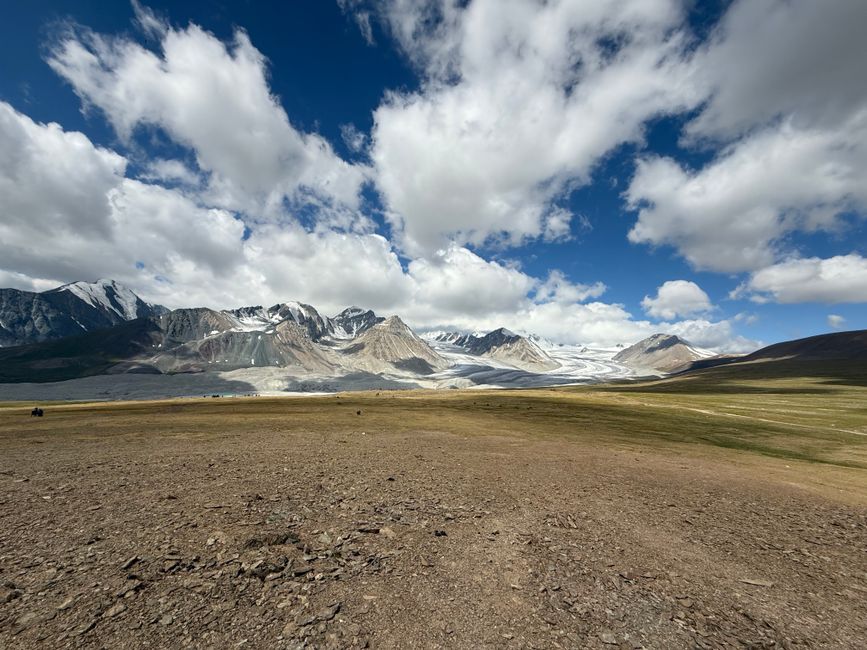
By 7am, you’re bouncing in a Russian UAZ minivan along a dirt track that would make your suspension engineer weep, past turquoise glacial lakes and the rope-tex of yak herder camps. Travelers often discover that the drive to the park is as memorable as the destination itself; your driver will stop to chat with every shepherd you pass, exchanging news like an old-fashioned telephone network. By mid-morning, you’ll be saddled on a sturdy Mongolian horse, a pack yak ambling along behind you, as the great white pyramid of Khüiten Peak – Mongolia’s highest point at 4,374 meters – rises above the moraine.
- Morning (8–11am): Depart Ölgii at sunrise (5:30am in summer – yes, you’ll be tired). The 200-kilometer drive to the Tavan Bogd park entrance takes three hours, including a bumpy crossing of the Khoton Lake shore, where you’ll spot thick-billed terns skimming the surface. Pay the US$8 national park fee at the ranger station, then continue to the Shiveet Khairkan trailhead. Tour operators charge US$60 for shared transfers – book through your accommodation, because independent travelers often wait half a day for a departing vehicle.
- Midday: The main event is the Tsagaan Salaa petroglyph valley, a UNESCO World Heritage site that seasoned travelers compare to an open-air gallery for the ages. You’ll find 15,000 carved figures spread across the blackened basalt boulders – Siberian ibex, snow leopards, Bronze Age chariots, and haunting shaman figures. Your guide will point out the famous “Sun Chariot” carving believed to be 5,000 years old. The trick? Skip the 1pm tourist wave and arrive at noon when most groups are eating lunch – you’ll have the valley nearly to yourselves. Best explored on horseback, which runs US$35 for four hours through the local cooperative; hikers can manage the flat 3km trail in an hour.
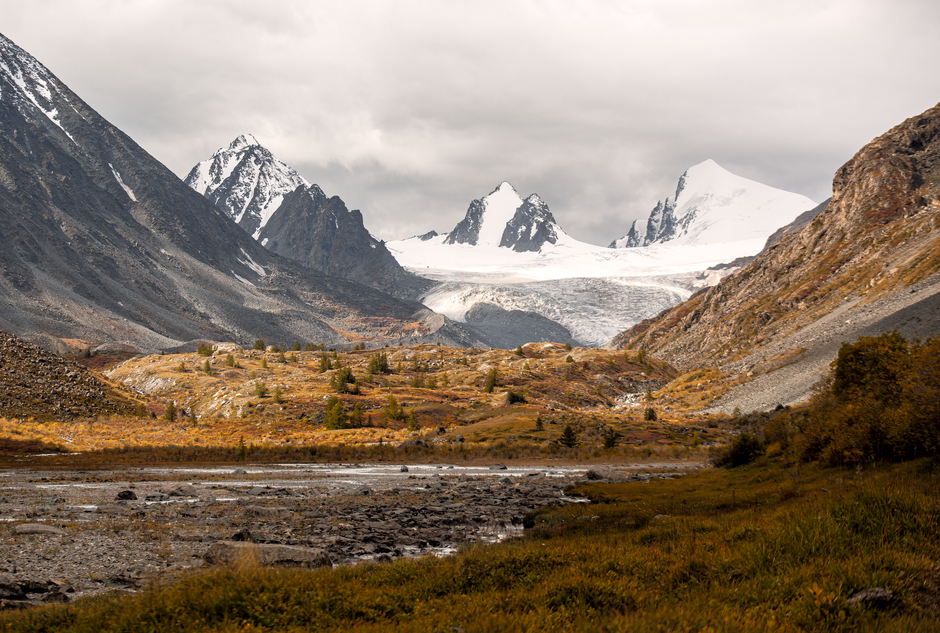
- Afternoon (1–5pm): After a picnic lunch of dried mutton and bread that your guide somehow makes delicious, you’ll ride to the foot of Potanin Glacier, a 12-kilometer tongue of blue-white ice that curls down the valley like a frozen river. Walk 100 meters onto the ice and you’ll hear it crack and groan beneath your feet – an unforgettable sensation. The full round-trip trek covers 14 kilometers, and most riders take four hours. If you’re not on horseback, the hike is a moderate but exposed 15-kilometer round trip with 200 meters of elevation gain; your legs will feel the 3,000-meter altitude. Your guide will point out the Kazakh eagle hunters camped near the glacier, their white-banded gers barely distinct from the snow patches beyond.
- Final Evening: Back at the ger camp by 7pm, you’ll dine on kesme, a rich goat meat noodle soup served with fresh baursak (fried bread), which the camp cook charges US$8 including bottomless tea. After sunset, your hosts will herd you around a crackling dung fire – yes, dried yak dung, but you’ll find it burns hot and clean – where Nurbolat will sing a Kazakh folksong. The night sky here is so clear that the Milky Way looks painted on, a shimmering smear of stardust from horizon to horizon. You’ll understand why locals call this place Bayan-Ölgii: “the rich land of peace.”
Panoramic view of Altai Mountains with majestic glaciers under a bright blu…, Altay Mountains, Mongolia
The Food You Can’t Miss
Kazakh cuisine in these mountains is a meat lover’s paradise that will rearrange everything you truly believe about hospitality. Travelers often discover that the phrase “dish” here translates to a ceramic bowl stacked with slow-cooked mutton, hand-cut noodles, and potatoes so lardy they taste like buttery clouds. The weekend you spend here will be a constant loop of being seated, being fed, and being refilled with milk tea until you actually cry uncle – they call it shai here, and every family has their own secret blend with toppings like salt, butter, and fried millet.
A breathtaking view of the Altai Mountains’ glaciers and valleys in Mongoli…, Altay Mountains, Mongolia
The street food scene in Ölgii centers on the bata, a no-frills stall that operates from 8am until the lamb runs out – usually around 2pm, so savvy visitors arrive early to snag their khuushuur (a deep-fried minced meat pie that’s the Kazakh burger, and it’s spectacular). One costs 3,000 MNT, and the toothsome combo of crisp dough and dripping-fat lamb might ruin every other fast food for you forever. The local community center campus on weekends becomes an impromptu festival, with smiling women selling bowls of kymyz – fermented mare’s milk that’s tart and faintly carbonated, tasting like a cross between yogurt water and champagne.
For a proper sit-down evening, sneak into Toktogul Khanshaim’s home kitchen, adapted for dinner reservations in the central district through word-of-mouth only – your guesthouse owner can book you a spot. For US$15, this grandmother serves a seven-course Kazakh blowout featuring beshbarmak (the national dish of boiled meat laid over torn noodles and crowned with onion rings), sliced kazy (horse sausage, richer than venison), melt-in-your-mouth lamb tongues, and vinegar-dressed shallot salad to cut the richness. You’ll leave your feast with a round, happy belly and a new understanding of why Kazakh hospitality has a proverb: “Even a tiny guest brings great blessing.”
Where to Stay for the Weekend
Ölgii Town Base: For your first night, base yourself in the provincial capital at the bright-blue Khatoon Hotel (Kuntuulyn Street, US$35–50 per double), which travelers praise for hot showers and one of the few reliable Wi-Fi connections in the province. Rooms are basic but spotless, and the attached restaurant serves the best lagman noodles in town. For a classic option, the Altai Palace Hotel (US$45–65/double) has the same price-is-no-object appeal with a coal-stove sauna in the winter months. You’ll find a dozen converted family gers near the National Park office renting for US$20–30 – including breakfast, and the welcome you’ll get will be the warmest on your trip. Book both via Booking.com.

