
Nabq Protected Area, Egypt for Adventurers: 7 Desert-to-Reef Adventures That Put the Alps to Shame (2026)
Your boots sink into sand still warm from yesterday’s sun as dawn breaks over the Aqaba Gulf. Ahead of you, a canyon wall of granite glows coral-pink, while behind you the Red Sea whispers against mangroves older than the Pyramids. This is Nabq Protected Area — 600 square kilometers of Sinai wilderness where the desert literally collides with the reef, and where your only trail markers are the footsteps of Bedouin guides who’ve walked these wadis for centuries.
The Main Event: Canoning Wadi Kid’s Slot Canyons
The adventure you came for begins at Wadi Kid, a 35-kilometer canyon system that cuts through the basement mountains of the Sinai massif. You’ll start your trek at 7:00 AM from the village of Al Khuriba, where your Bedouin guide will check you’ve got at least 2 liters of water per person — one of those non-negotiable rules visitors often underestimate. The first kilometer is a deceptively gentle walk through acacia-studded valleys, but don’t let the calm fool you. Within an hour, you’ll be scrambling over house-sized boulders, wading through cool rock pools, and chimneying through narrow slot canyons where the walls press close enough to touch both sides with your outstretched hands.
The full traverse takes 6 to 7 hours and demands moderate to high fitness — you’ll be climbing about 400 meters of elevation gain, mostly in short, technical bursts. Book through a local operator like Sinai Adventures (based in Dahab, around EGP 1,200 per person including transport and lunch) or arrange directly with Bedouin guides at the Al Khuriba parking area for roughly EGP 800. Start early to beat the heat; by 11:00 AM, the canyon floor becomes an oven, and savvy travelers plan their real climbing for the cooler morning hours. Your insider tip: carry a pair of aqua shoes with grippy soles — the wet rock pools are treacherously slick, and your regular hiking boots will be soaked within the first hour regardless.
Activity #1: Paddle the Ancient Mangrove Lagoons of Bajaba
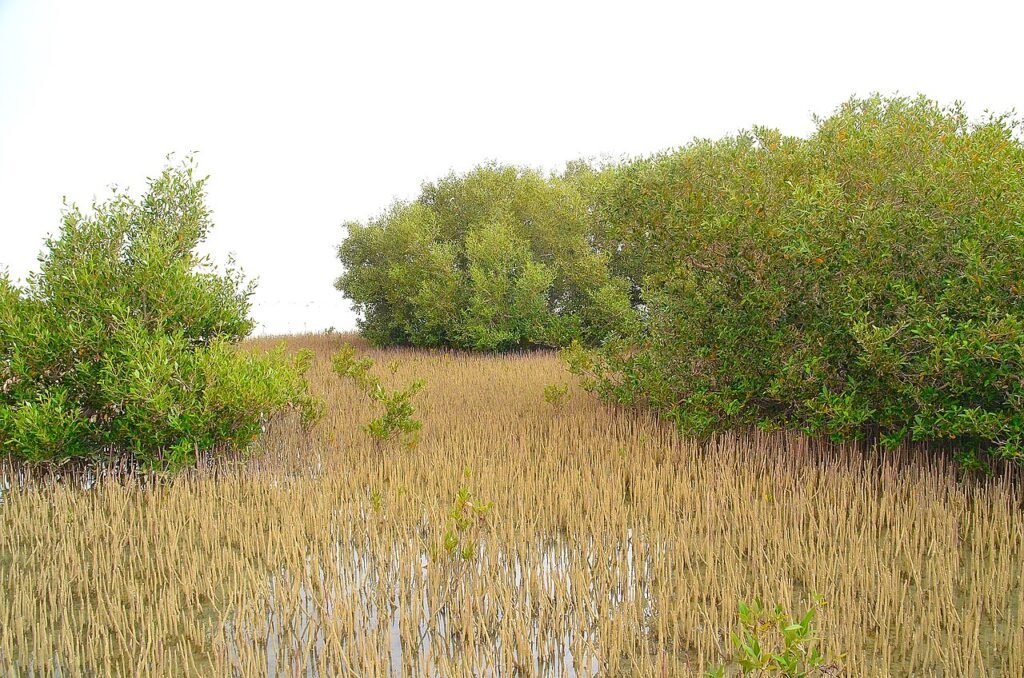
After a hard desert day, your muscles will thank you for the calm cadence of a kayak paddle through Nabq’s mangroves. This is the largest coastal mangrove forest in Egypt — roughly 45 hectares of tangled, emerald green groves that have survived here for over 10,000 years, holding back the saltwater and creating a nursery habitat for over 40 species of fish and crustaceans. You’ll launch from the Bajaba Loops parking area on the coast road, around a 25-minute drive south of Dahab. Local outfitters like Red Sea Kayak Run operate very regular trips at 8:00 AM and 4:00 PM daily, timed to catch the calmest water and the most vibrant light.
The 2-hour paddle sets you back EGP 350 per person, including a sit-on-top kayak, life vest, and a bottled water. The route winds through narrow channels where the mangrove roots arch overhead like cathedral buttresses; you’ll glide past herons, yellow-legged gulls, and, if you’re extremely lucky, a green turtle surfacing beside your bow. Paddlers with intermediate skills will love the open lagoon section, where the wind picks up. Beginners can hug the shelter of the channels. Your best bet is the late-afternoon departure — the golden hour light through the mangroves is something you’ll photograph for years, and the water temperature in April hovers at a perfect 24°C (75°F). Experienced visitors bring their own dry bag — you’ll want one for your phone and camera because splashes are guaranteed. For a genuinely behind-the-scenes perspective, mention to your guide that you’re interested in the Bedouin interpretation center nearby, where locals share how the Khreisha tribe used the mangroves for centuries as seasonal goat pasture and fishing grounds.
Activity #2: Quad Bike Safari to the Secret Lagoon
Vary the pace on your second day with an adrenaline-filled quad bike ride across the open desert between Nabq’s coast and the hinterland dunes. It’s a thrilling, sun-blasted riot of a ride — one that travelers often describe as the closest thing to a video game you can do legally. You’ll start at the Desert Track Station on the Dahab–Sharm El Sheikh road, where the staff run a 15-minute orientation covering everything an absolute beginner needs to know — clutch control, braking on loose gravel, and the cardinal rule of never riding directly into your companion’s dust trail. From there, you’re free to open the throttle across a 25-kilometer loop that takes in rolling golden dunes, gravel flats studded with granite boulders, and eventually, the ragged line of the secret lagoon a local Bedouin named Sayid will show you if you ask nicely.
The standard 2-hour ride costs EGP 450 per quad bike, and you’ll be expected to hold a valid driver’s license or ID to confirm you’re at least 16. Groups of two or more riders are best, as the terrain is easier with a partner to help if your bike gets bogged in soft sand. Safety gear — helmet, goggles, and a bandana for your face — is all included. Rides depart throughout the day, but savvy visitors book the 7:30 AM slot for two reasons: the dust hangs lower in the morning light making the dunes look like set pieces from a sci-fi film, and the operating temperature for both bikes and riders is far more forgiving. Operators like Sinai Quads & Tours will happily pick you up from your Dahab hotel for EGP 100 extra per group. One insider tip: ask your guide to take you via the “back route” through the Wadi Al-Ghazala — it’s a rougher track, but the view from the ridge overlooking the entire mangroves system is a payoff you’ll never forget.

Nabq Protected Area , photo by Hatem Moushir, Nabq Protected Area, Egypt
Refuel: Where Adventurers Eat
After burning 3,000 calories scrambling through canyons and paddling lagoons, you’ll have earned a serious feast. Head straight for Mansoura Fish Restaurant on Dahab’s famous Lighthouse Road, a bare-bones local institution where the day’s catch is displayed on ice outside the kitchen — you pick your fish, they grill it over charcoal, and it arrives with lemon, garlic sauce, and fresh flatbread for around EGP 150–250 ($3–5). The grilled calamari, stuffed with rice and herbs, is the thing locals recommend ordering before it runs out. For Italian-fueled carb loading, Il Vecchio Dahab on the waterfront serves house-made tagliatelle with clams at EGP 180 and a cappuccino that actually tastes like espresso — a rare find in Sinai. And when you want live music and a proper burger in a beachside garden, The Blue Splash Café pulls the locally famous “Bedouin Burger” (EGP 160), a half-pound camel- and beef-blend patty topped with minted Greek yogurt. Wash it down with fresh guava juice — Sinai’s desert sunshine grows some of the juiciest guavas you’ll ever taste. For early-bird adventurers, Sultan’s Bakery opens at 6:00 AM with warm kunafa and strong Egyptian coffee that will set your day on the right trajectory.
Base Camp: Where to Stay
Active travelers need more than just a bed — they need a base camp for the night before and after big excursions, ideally with somebody willing to pack a breakfast at dawn. In Dahab, Sindbad’s Camp (around EGP 450 per night) is a beloved Bedouin-run compound of palm-shaded cabanas and hammocks right on the lagoon, with a relaxed vibe, a sand-floored restaurant serving home-cooked tagines, and staff who’ll happily arrange a packed lunch or wake you with fresh bread at 5:30 AM. For slightly more comfort, Janna House offers simple air-conditioned rooms with private bathroom (around EGP 700) in the heart of Dahab’s Bedouin district — it’s walking distance to the quad and kayak tour operators, and the rooftop terrace is perfect for drying your gear under the desert stars. If you want to wake up inside the protected area itself, the rangers permit wilderness camping at designated spots along Salama Beach for EGP 150 per tent — just arrange it through the visitor center at the northern entrance gate. You’ll find your own private strip of sand, see untouched night skies with no light pollution, and hear the reefs’ lapping surf as your lullaby. Browse your options and compare prices on Booking.com, where both Dahab and Sharm El Sheikh properties are well represented, or book directly with the camps through their WhatsApp numbers posted at the tour agencies.
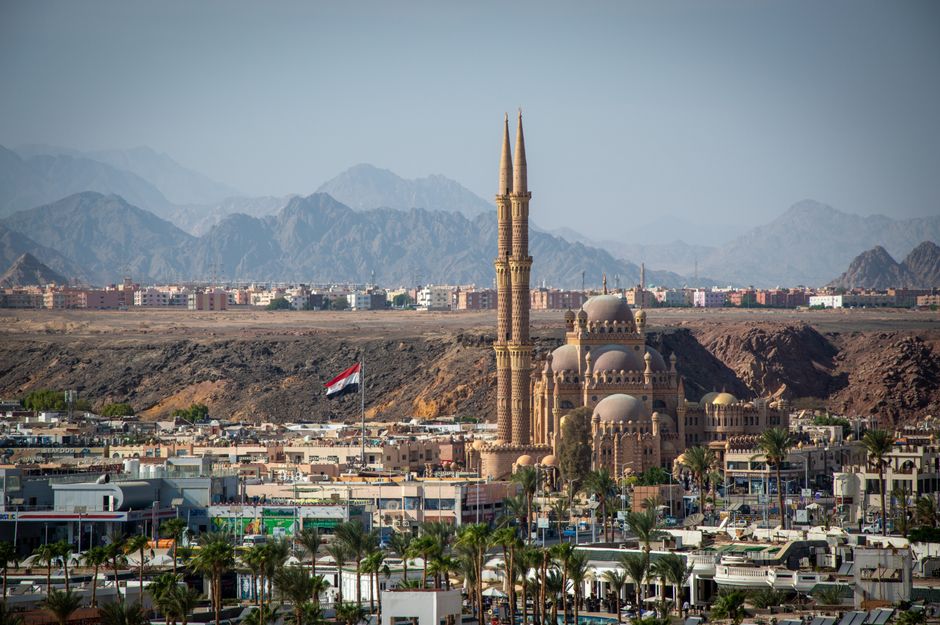
A stunning aerial view of Al Sahaba Mosque against Sharm El Sheikh cityscap…, Nabq Protected Area, Egypt
Gear & Prep Checklist
- Aqua shoes with serious grip — essential for wadi scrambles and wet lagoon edges; trainers dry too slowly.
- 2–3 liter hydration bladder — you’ll burn through more water than you think in the desert heat; you can refill at the park entrance for EGP 10 per liter.
- Waterproof phone/dry bag — you will get splashed kayaking, and sand + electronics never works out well.
- Fitness prep: build up to 90 minutes of continuous hiking with elevation gain before departing — the canyon route involves real clambering, not just walking.
- Sun protection complete kit — wide-brim hat, SPF 50+ sunscreen, and sunglasses with a strap; the glare off the desert is intense even in winter.
- Respect the reef and cliff edges — the protected area enforces strict coral-touch and wildlife rules; fines start at EGP 500 for damaging reefs or disturbing nesting birds.
Getting There & Around
- Flights: The nearest airport is Sharm El Sheikh International Airport (SSH), about 35 minutes north of Nabq’s entrance gate. Direct flights arrive daily from Cairo, London, and several European hubs, plus many holiday charters. For the best fares, book early and compare routes on Skyscanner. There are also domestic flights from Cairo to both Sharm el Sheikh and, less frequently, to the smaller coastal airstrip at El Tor.
- Local Transport: From Sharm El Sheikh airport, you can hail an official white airport taxi to the Nabq gate for about EGP 300–500 ($6–10) — agree on the fare before you hop in, as meters aren’t standard. If you’re basing in Dahab (recommended — it’s the adventure hub), the mangrove entrance is a 25-minute minibus ride (EGP 30) or a shared private taxi (EGP 200 total). Alternatively, your tour operator will always include transport in the package price, so you never have to navigate the gate yourself if you’d rather not.
- Best Season:<!–

Aerial view of Sharm El Sheikh coastline with turquoise sea and mountainous…, Nabq Protected Area, Egypt


