
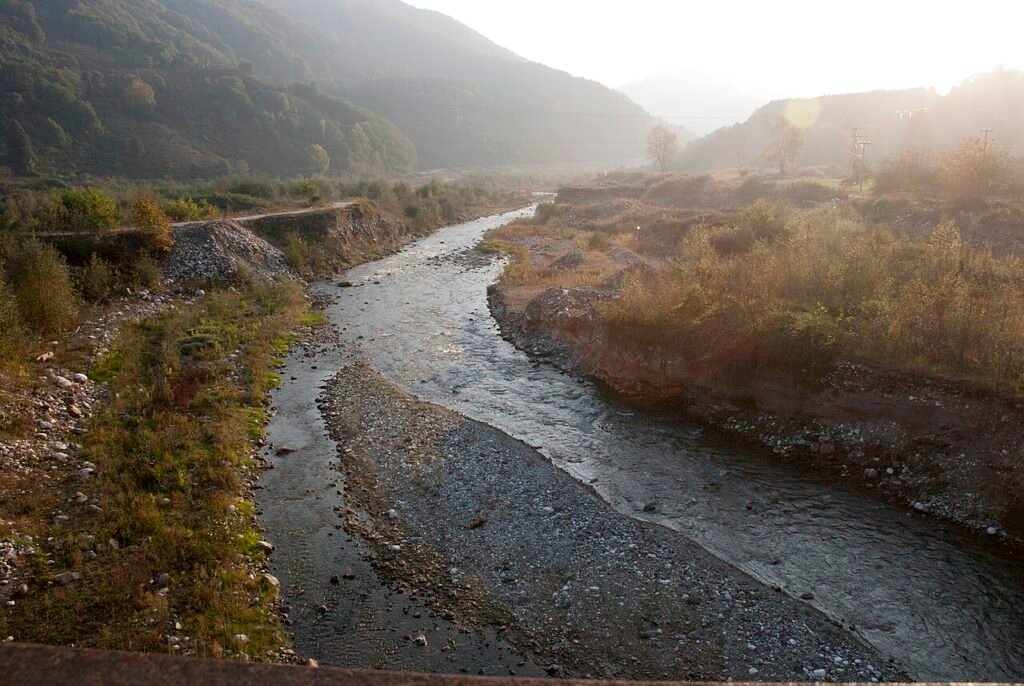
Mudurnu, Turkey Weekend: Ottoman Mansions (2026)
The call to prayer drifts down from the hillside as the smell of wood smoke and charcoal-roasting kebab curls through the labyrinth of cobblestone alleys. Below, the weathered beams of 300-year-old Ottoman mansions lean toward each other like old friends sharing secrets. You’re in Mudurnu, and you’ve somehow stepped into a corner of Turkey where time has politely refused to move.
Quick Facts Before You Go
- Best Months: April through June, and September through October. You’ll find the hills frosted with green in spring and painted with amber in autumn; July brings heat that makes climbing to the clock tower a sweaty affair.
- Currency: Turkish Lira (TRY). As of writing, you’re looking at roughly 33-35 TRY to the US dollar and 36-38 to the Euro. You’ll do fine with a mix of cash and cards, but smaller shops and the local kasap (butchers) prefer lira in hand.
- Language: Turkish. English is limited here; travelers discover that a few words go a long way. “Merhaba” opens doors, “tesekkürler” gets you smiles, and you’ll be surprised how much communicates through hand gestures and shared tea.
- Budget: Realistically, plan for $50-75 USD per person per day, not including hotel. Generous, and worth it. A mid-range traveler will spend roughly 1,500-2,200 TRY daily on meals, coffee, entry fees, and a taxi or two.
- Getting There: Your nearest international airports are Ankara Esenboğa (about 2.5 hours by road) and Istanbul Sabiha Gökçen (about 3 hours). From either, you’ll wind through the Bolu Mountains, which is half the adventure. Book flights at Skyscanner and snag a bus ticket from Ankara or Istanbul to Mudurnu for around 150-250 TRY.
Day 1: Ottoman Wood, The Sultan’s Clock & The Kebab That Defies Time

A nice aspect of Mudurnu (and many other of Turkey’s older areas) is that l…, Mudurnu, Turkey
You start your morning, not in a rush, but to the sound of boots on stone and the sharp, sweet aroma of fresh simit baking in the downstairs bakery. Your day begins at the very heart of Mudurnu: the historical bazaar district, tucked beneath the famous clock tower. This is a town that leans into its history—a planned Ottoman industrial city from the 14th century—and your first task is simply to listen. The echoes of the Tuesday market, the clang of the coppersmith’s hammer, and the insistent, melodic chime of the 1859 clock tower will be your soundtrack. Savvy visitors know Mudurnu isn’t a place to see; it’s a place to feel, and the texture begins right here.
- Morning (8-11am): Fortify yourself with breakfast at Ilıca Restaurant on the main street, where you’ll eat a proper village kahvaltı (breakfast) for about 200 TRY per person. Think creamy village kaymak (clotted cream) with wildflower honey, menemen sizzling in a copper pan, and thin, crisp gözleme stuffed with spinach and local cheese. Then, climb the gently sloping hill to the Yıldırım Bayezid Mosque, built in 1382. Locals recommend you spend a quiet moment in its courtyard; the intricate 14th-century wooden ceiling is a masterpiece rarely captured in photographs. On your way down the hill, check out the ancient sundial on the mosque’s southern wall—you’ll be amazed it still tells time.
- Lunch: A pilgrimage is required. Walk to Tarihi Mudurnu Kebabçısı on Mecidiye Caddesi. This is the birthplace of Mudurnu Kebabı and you’re here to eat the legend. You’ll order the piyazlı kebab—thin, kebab-shop-style sliced lamb with a tangy bean salad and crispy pide underneath—for about 300 TRY. Locals pair it with a glass of Mudurnu şerbeti, a slightly sour, faintly floral drink made from fermented cornelian cherries. You’ll see the yellow-red liquid in glass jugs; it’s the original soda of this region, and it cuts through the lamb perfectly.
- Afternoon (1-5pm): Your afternoon is a slow wander through the town’s beating heart. Start at the Mudurnu Covered Bazaar, a 15th-century structure where travelers discover handicrafts that haven’t changed for centuries. You’ll buy a hand-forged iron nail set from a crusty, welcoming blacksmith for 50 TRY just because the skill astounds you. Then head to Mudurnu Konakları for a self-guided tour. The intricate, ornate Ottoman-era houses—you’ll recognize them by their overhanging upper floors and painted wooden facades—are jaw-dropping. A local favorite is the Kemal Edip Mansion, a lovingly restored 19th-century mansion that you can tour for 60 TRY. The hidden dresser compartments and the ceiling calligraphy tell stories of a wealthy merchant class. As the sun softens, make your way to Kanlıtaş, the ancient elm tree in the town square; the story goes that soldiers sharpened their swords on the stone here for centuries, and your eyes will water at the visible grooves cut into the rock.
- Evening: For dinner, you’ll want a table with a view. Walk to Terrace Mansion, a gorgeous restored konak that serves a modern take on Bolu mountain cuisine. You’ll try the keyce, a creamy chicken and wheat soup that’s the ultimate comfort food—around 250 TRY. After dinner, soak in the evening stillness at Şerbetçi, a tiny café downstairs from the clock tower, with a glass of Turkish coffee and a piece of buzluk baklavası (cold pistachio baklava) for 120 TRY.
Day 2: The Cittaslow Morning, The Abant Road & 500-Year-Old Trades

A dog herding a flock of sheep, Mudurnu, Turkey
Your second morning feels different. The air is crisp, the smoke from bread ovens hangs low in the streets, and the town is slowly stretching awake. If Day 1 was about monuments, Day 2 is about rhythm. Mudurnu was certified as a member of the Cittaslow movement—the “slow city” designation—for good reason; embrace it. You’ll find that the deep history is not just in the buildings, but in the pace of life itself. Visitors who rush this day miss the point entirely, so you’ll lean into the lazy, sun-drenched tempo of this mountain town.
- Morning: Wake early for a walk up to Şehir Kuledibi, the hilltop just above the clock tower. You’ll be rewarded with a sweeping view of the valley and the red-tiled rooftops emerging from the morning mist. Come down for breakfast at Sıla Restoran, a beloved family spot. Order their katlama—a flaky, pan-fried pastry with a generous filling of ground walnuts and sugar—and a bowl of sütlü çorba, a simple milk soup that locals swear is the secret to a long life. This will set you back about 150 TRY, and you’ll linger over endless glasses of çay as the town wakes.
- Midday: Make your way to the Kaymakamlık (district governor’s building) area and explore the old Kaymakamlık housed in a beautiful 19th-century mansion, but your real target is the Mudurnu Leather and Saddlery Workshops. On Arasta Street, you can watch a master belt maker stamp intricate patterns into leather, a craft handed down through generations since the days this was a major stop on the Silk Road. Insider tip: it’s busy with tour groups around 1pm, so arrive between 11am and noon to chat with the craftsmen without a crowd. A small, hand-stitched leather keychain runs about 100 TRY.
- Afternoon: Spend your afternoon exploring the authentic, lived-in texture of the old quarter. Meander your way to the Mudurnu Kent Müzesi housed in another restored mansion; it’s only 20 TRY to enter. Here, your interest peaks in the dusty and dim 1930s apothecary display. Then, take a 15-minute taxi ride (about 150 TRY) to Abant Lake National Park. This pristine, glacial-formed lake is surrounded by pine forests, and locals recommend a lazy 45-minute walk on the wooden boardwalk around half the lake. The air smells of pine and fresh earth; it’s the ultimate reset. On the way back, ask your driver to stop at the Suludere Viewpoint for a photo of the cascading valley below.
- Final Evening: For your last meal, you’ll go where the locals most often recommend to you: Mudurnu Et Lokantası. This is not fancy, but it is exceptional. Order the tandır—a piece of lamb so tender it falls apart at the touch of a fork, cooked for hours in a clay oven—and a liberal side of piyaz. Your meal will cost about 450 TRY, and you’ll feel every lira was worth it. Finish your evening the way seasoned visitors do: sitting on a bench in the main square, sharing a simit with the stray cats, and listening to the last call to prayer echo through the valley.
The Food You Can’t Miss
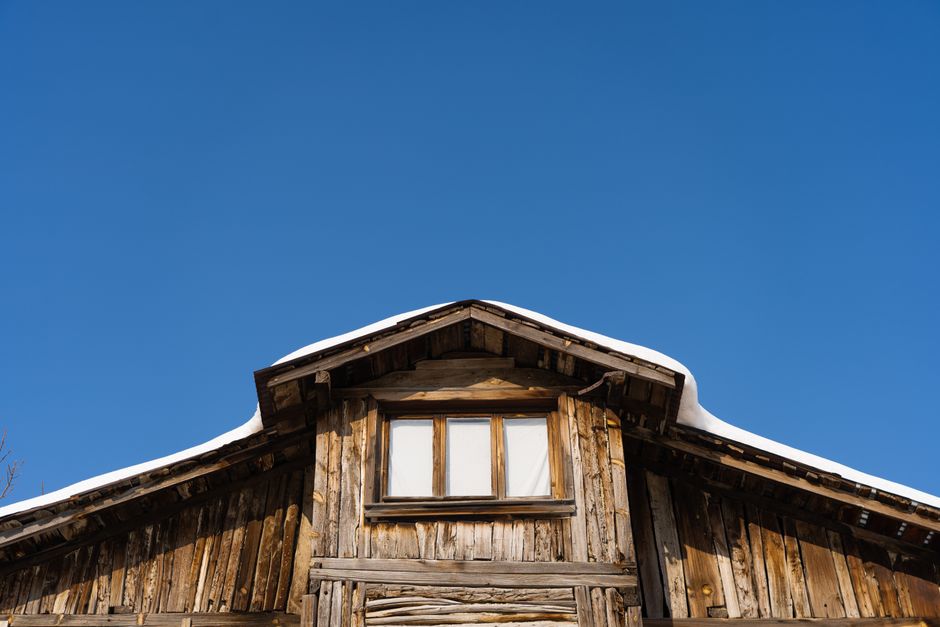
Low angle view of a wooden cabin roof with snow and clear blue sky in Mudurnu, Mudurnu, Turkey
Mudurnu’s culinary identity is built on a legendary foundation. The Mudurnu Kebabı is not just a dish; it is a 500-year-old promise kept by a lineage of kebab masters. The genius is in its simplicity and specificity: tender, thinly cut lamb is grilled over hardwood charcoal, then served atop a base of crispy, butter-brushed pide and a lively mound of piyaz—white beans, their skins removed one by one, tossed in a tangy vinaigrette with sumac and fresh parsley. You’ll taste the interplay of smoky meat and sharp, oniony bean salad and wonder why the rest of the world hasn’t caught on.
Beyond the kebab, travelers discover a rural bounty that changes what you think Turkish cuisine can be. You’ll find Mudurnu çayı,

