
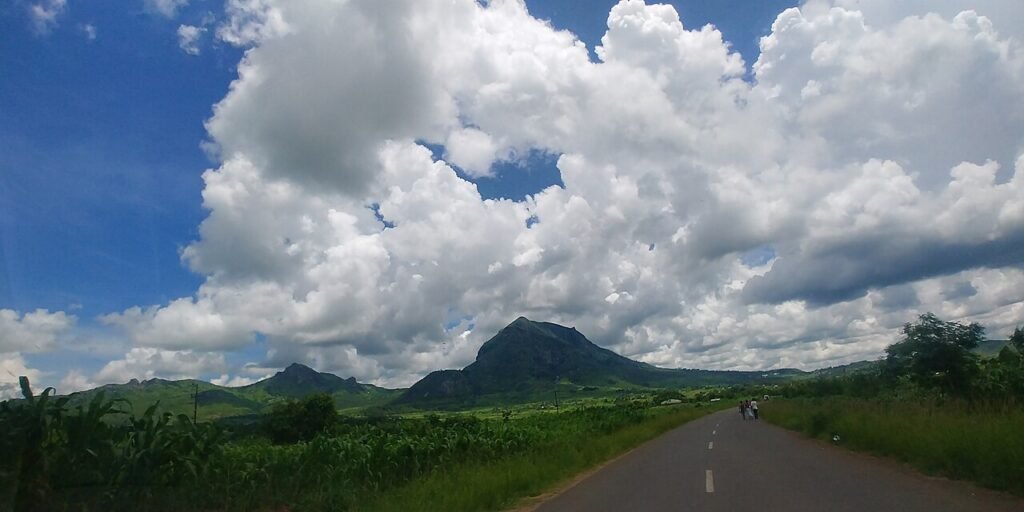
Chiradzulu, Malawi Weekend: Mountain Hikes, Coffee Plantations & the Spirit of Chilembwe (2026)
The first thing you notice is the air – crisp, carrying the scent of wild herbs and damp earth mixed with the faint sweetness of roasting coffee from a hillside homestead. It’s just before dawn, and the silhouette of Chiradzulu Mountain looms against a sky turning from indigo to gold. You’re standing outside your lodge, toes curling against cool red soil, listening to the distant thud of a pestle grinding maize. This is Chiradzulu – a place that feels both ancient and utterly alive, where history whispers from every rocky outcrop and the weekend stretches before you like an invitation to slow down and taste something real.
Quick Facts Before You Go
- Best Months: April to October (dry season, clear skies for hiking, mild temperatures 18–28°C)
- Currency: Malawian Kwacha (MWK). Approx. MWK 1,700 = USD 1. Bring cash; ATMs are scarce in Chiradzulu town.
- Language: Chichewa (widely spoken) and English. Most people in tourism speak basic to good English.
- Budget: $30–$60 per day per person for a mid-range traveler. Budget camping can be as low as $15/day.
- Getting There: Fly into Chileka International Airport (Blantyre) – 1.5 hours from Johannesburg via Ethiopian Airlines or Kenya Airways. Book at Skyscanner. From Blantyre, it’s a 40-minute minibus ride (about $2) or a private taxi ($30).
Day 1: Ascent into History – Hiking Chiradzulu Mountain
You start the morning at your guesthouse with a cup of locally grown coffee so strong it almost hums. The owner, a retired teacher named Mr. Banda, points toward the mountain with a weathered hand. “That’s where John Chilembwe’s spirit still walks,” he says, referring to the 1915 uprising against colonial rule that began in these very hills. You feel a shiver – not from the cool air but from the weight of history. Today, you’ll hike that mountain, taste the salt of your own effort, and learn why this place is called the “Mountain of the Spirits.”
- Morning (8–11am): Hike Chiradzulu Mountain from the trailhead near the town center. The round trip takes about 3 hours. Local guides (MWK 10,000, about $6) are mandatory from the Chiradzulu Forest Office. You’ll pass through miombo woodland, past giant boulders, and emerge on the summit with panoramic views of the Shire Highlands. Look for the remains of the old British post office – a rusted sign still reads “Chiradzulu 1912”.
- Lunch: At Mphungu Bush Camp (just south of the mountain). Order the grilled chambo (tilapia) with nsima and pumpkin leaves – MWK 5,000 ($3). The owner, Esme, grows her own vegetables. Ask for a side of kondowole (cassava porridge) if you want a true local breakfast.
- Afternoon (1–5pm): Visit the Chilembwe Heritage Trail. Start at the Chiradzulu District Council where the local museum (free, but donations of MWK 1,000 appreciated) houses photos and letters from the 1915 revolt. Then drive (or walk 20 minutes) to the Providence Industrial Mission (PIM) church in Mbombwe – the actual site where Chilembwe preached. The church is simple, whitewashed, with a wooden cross. You’ll feel the quiet power of the place. Next, stop at the stream where Chilembwe’s followers are said to have sharpened their machetes. Most tourists skip this – you won’t.
- Evening: Dinner at Thambe Coffee Lodge (about 15 minutes by car from town). The lodge sits on a coffee plantation. Order the beef stew with rice and sautéed okra (MWK 7,000, $4). After, sit on the veranda with a glass of Malawi Gin and tonic – the stars here are so bright you can read by them. If you’re lucky, a guitarist from the nearby village will play slow blues.

Blank administrative map of political Africa as in 2011-07, Chiradzulu, Malawi
Day 2: Markets, Plantations & The Art of Slowing Down
Day two smells different: roasted groundnuts, ripe mangoes, and the sweet smoke of charcoal fires. You wake to the sound of women laughing as they walk to the Chiradzulu Market balancing baskets of tomatoes and bananas on their heads. This is the heart of rural Malawi, and you’ll spend the day weaving through its rhythms – tasting, bargaining, and connecting. By evening, you’ll understand why locals say “Chiradzulu doesn’t hurry.”
- Morning (8–10am): Explore Chiradzulu Market (Mkiti wa Chiradzulu). Arrive early before the heat peaks. Vendors sell everything from bright kikoy fabrics to dried caterpillars (a local delicacy). Buy a bag of roasted groundnuts (MwK 500, $0.30) and a fresh sugarcane stick (MWK 200). For breakfast, stop at Fanny’s Kitchen – a simple stall near the market entrance. Try the mandasi (Malawian doughnuts) and a cup of sweet black tea (MWK 1,000, $0.60). Fanny herself will tell you her secret: the dough is made with coconut cream.
- Midday (11am–1pm): Tour the Chiradzulu Coffee Plantation (on the slopes of the mountain). The Mzuzu Coffee Cooperative runs a small farm here. Book a walk through the coffee bushes (MWK 5,000, $3) and watch the beans being sun-dried on tarps. Insider tip: The best time to come is between 9–11am when the roasting process is happening – you can sample fresh coffee straight from the drum. Ask for the “Chilembwe Roast” – a dark, smoky blend named after the rebel leader.
- Afternoon (1–4pm): Visit the village of Mtandire for a pottery workshop. A local artist named Grace Mwai will teach you how to shape clay into water pots using traditional methods. The fee is MWK 8,000 ($5) per person and includes materials. You’ll bring home a misshapen but beloved pot. Then wander the craft market at the village center – look for hand-carved wooden masks and nsolo (traditional board game sets). Bargain respectfully: vendors expect a 10–20% discount, but don’t haggle over a dollar.
- Final Evening: Farewell dinner at Chimwala Hill Lodge (30 minutes drive from Chiradzulu town, directions from your guesthouse). Set on a hilltop with views of the Chilwa Lake basin, the lodge serves Malawian-Thai fusion cuisine. Order the pumpkin and coconut curry with rice (MWK 9,000, $5.30) and followed by a dessert of caramelized bananas with local honey. The owner, Tina, is a former architect who built the lodge with reclaimed wood. Sit on the deck as the sun turns the sky peach and listen to the cicadas. This is the Malawi you came for – unhurried, generous, and deeply human.

Scenic aerial photograph of Chiradzulu Mountain, Chiradzulu, Malawi
The Food You Can’t Miss
You can’t leave Chiradzulu without understanding nsima (uh-NSEE-mah) – the thick maize porridge that is the backbone of every meal. It’s eaten with the hands: you pinch a piece, roll it into a ball, and scoop up sauces of beans, pumpkin leaves, or meat. The texture is starchy and comforting. Head to Maloto Restaurant on the main road (open 7am–9pm). Order the nsima ndi nyemba (nsima with beans in gravy) for MWK 2,500 ($1.50). The place is loud, full of laughter, and the portions are enormous.
For street food, seek out the fritas – deep-fried potato fritters – sold by women at the market. They’re crispy on the outside, soft inside, and sprinkled with chili salt. Three fritas cost just MWK 500 ($0.30). Locals recommend dipping them in a dollop of kachisu (a spicy mango chutney) – you can buy a small jar at the market for MWK 1,500.
Don’t skip the chamba – a potent, sweet local tea made from roasted cassava leaves. It’s offered to guests as a sign of hospitality. A cup at a village home is free; in a café, about MWK 800. Drink it black, no sugar – it’s an acquired taste, but you’ll feel the warmth spread through you.

Breathtaking aerial view of Malawi’s expansive green and brown highlands un…, Chiradzulu, Malawi
Where to Stay for the Weekend
The best place to base yourself is near the foot of Chiradzulu Mountain, where lodges sit among coffee bushes and old mango trees. You want to be within walking distance of trails but also have easy access to the market. Avoid the noisy main road near the district office.
- Thambe Coffee Lodge – Mid-range ($40–$60 per night for a double). Four rooms in a converted coffee barn, with a veranda that overlooks the plantation. Breakfast included. The owners organize hikes and cultural tours. Book via Booking.com.
- Chimwala Hill Lodge – Splurge ($80–$120 per night). Thatched bungalows, infinity pool, and the best sunset views in the region. Meals are exceptional. Ideal for a romantic weekend or if you need a bit of luxury. Check availability on Airbnb.
- Mphungu Bush Camp – Budget ($10–$15 per night for a tent pitch, $30 for a basic cabin). Very rustic – shared toilets, no electricity after 9pm, but the location is unbeatable: right at the trailhead. The owner, Esme, cooks family-style dinners. Bring a headlamp.
Before You Go: Practical Tips
- Getting Around: The best way to explore is by hiring a bicycle (MWK 5,000 per day from the market) or a shared minibus (matola) – flag one down on the roadside. Fares are MWK 500–1,000 per short hop. For the coffee plantation and Chimwala Hill, you’ll need a private taxi – negotiate MWK 15,000 for a half-day.
- What to Pack: (1) Sturdy hiking boots – the trail is rocky; (2) A reusable water bottle – tap water is safe in lodges but not from streams; (3) A light fleece or windbreaker – evenings can be cool (15°C); (4) A small flashlight – power cuts are common and the nights are dark.
- Common Tourist Mistakes: (1) Don’t expect museums to be open on weekdays – many close for lunch 12–2pm and on Monday. Plan accordingly. (2) Don’t take photos of people without asking – a simple “Zikomo?” (thank you) and a friendly wave goes a long way.
- Money-Saving Tip: Buy your snacks and water at the market (MWK 500 for a 1.5L bottle) rather than at lodges where the same bottle costs MWK 1,500. Also, most entry fees to cultural sites are negotiable – offer half, then settle at 75%.
Chiradzulu will stay with you long after you leave. Not as a postcard memory, but as a feeling – the scratch of nsima between your fingers, the weight of history in your chest, the sound of laughter from a market stall. You came for a weekend, but you’ll leave with a piece of this mountain in your bones.

