
Where Aphrodite Rose: Discovering the Timeless Soul of Pafos, Cyprus (2026)
In 58 BC, when the Roman orator Cicero arrived on these shores as governor of Cilicia, he found a city already ancient, already legendary—a place where the sea foamed white around the very rocks where Aphrodite was said to have been born. You’ll still find travelers today standing at Petra tou Romiou, staring at that same stretch of turquoise water, trying to feel something of that mythic pulse. And almost always, they do.
The Story Behind Pafos, Cyprus
The history of Pafos is a layered palimpsest, written and rewritten by waves of conquerors. You’ll trace it from the Neolithic settlements at Kissonerga, through the Mycenaean Greeks who arrived around 1200 BC and built the first temples to Aphrodite. By the 4th century BC, the city-kingdom of Old Pafos—at Kouklia, about 15 kilometers east of today’s center—was a major cult center. Pilgrims came from across the Mediterranean to worship the goddess of love at her sanctuary, and you can still walk those grounds today, stepping over fallen columns and mosaic fragments that once gleamed under priestly sandals.
The city you’ll visit now was founded by Nicocles, the last king of Pafos, in 312 BC, when he moved the capital to the harbor area. But it was the Ptolemies and then the Romans who truly stamped their character on the place. In 45 AD, the Apostle Paul visited with Barnabas and famously converted the Roman proconsul Sergius Paulus to Christianity—a moment that made Pafos a pivotal early Christian hub. You’ll see evidence of this everywhere: in the ancient mosaics of the House of Dionysos, preserved by their own burial after earthquakes toppled the city in the 4th century, and in the Tombs of the Kings, where wealthy and powerful were laid to rest in rock-cut chambers that mimic Egyptian grandeur. By the time the Byzantines, the Lusignan Crusaders, and the Venetians had their turns, the city had acquired a complex, haunted beauty—a place where every stone tells a story of conquest and resilience.
Modern Pafos, designated European Capital of Culture in 2017, has leaned into this heritage with remarkable grace. You’ll find the Kato Pafos archaeological park seamlessly integrated with neighborhoods full of bougainvillea-draped cafes, and the Old Town rising behind it, where Ottoman-era houses and Venetian fortifications sit alongside contemporary art galleries. The result is a city that feels both ancient and alive—a place where history isn’t just something you read about, but something you walk through, every single day.
Neighborhood by Neighborhood
Kato Pafos: The Archaeological Heart
This is where you’ll spend most of your time as a first-time visitor, and for good reason. The entire UNESCO World Heritage site unfurls here, from the dazzling floor mosaics of the House of Dionysos—which you should plan to see early, around 8:30 AM, before the tour groups arrive—to the sprawling remains of the Roman Odeon, a small theater that still hosts summer performances. The scent of wild thyme and sea salt mixes with the dusty warmth of ancient stone as you amble along the coastal path from the harbor. Your best bet is to start at the Pafos Castle, a medieval fortress built by the Lusignans on the site of an earlier Byzantine fort, which juts into the harbor like a stone finger pointing toward the horizon. From there, you’ll walk south along the sea, past the ancient agora and the remains of the Roman city walls, and end up at the Tombs of the Kings, about 2 kilometers away. The entrance fee for the archaeological sites is €4.50 per site, or you can buy a combined ticket for €8.50, which covers all major sites in Kato Pafos. Travelers often discover that the real magic happens in the late afternoon, around 4 PM, when the sun slants low and turns the marble fragments to gold.
Ktima: The Old Town Above
Climb the hill from Kato Pafos, and you’ll reach Ktima, the traditional commercial and administrative center. This is where locals actually live, and you’ll feel the difference immediately. The streets here are narrower, lined with old stone houses painted in ochre and white, their wooden balconies heavy with geraniums. The central market, Dimokratias Square, buzzes every morning with vendors selling fresh halloumi, olives, and herbs from the Troodos foothills. You should plan to be here on a Saturday, when the farmers’ market spills into the surrounding streets, and the aroma of souvla—grilled meat skewers—mingles with the sweet smell of loukoumades, honey-drenched doughnuts. The municipal market itself, built in the 1920s, is a shaded arcade where you can buy goat cheese straight from a farmer’s cooler for €3 a block. For a quiet break, head to the nearby Byzantine Museum, which houses a remarkable collection of painted icons and ecclesiastical artifacts; it’s open Tuesday through Sunday, 9 AM to 1 PM, and costs €3. This is the neighborhood for evening strolls—around 7 PM, when the heat softens and the whole city seems to exhale.
Chlorakas: The Quiet Coastal Village
Just west of the main tourist zone, Chlorakas feels like a different world entirely. You’ll reach it by a 15-minute walk or a €5 taxi ride from Kato Pafos, and you’ll immediately notice the slower pace. The main square is dominated by a giant, ancient sycamore tree that locals claim is over 300 years old; its branches cast a wide, cooling shade over the tavernas and cafes below. This is where you’ll find the real Pafiot dining experience—not the tourist menus with their English translations and inflated prices, but family-run places like To Ktima tis Katerinas, where the grandmother still makes the tahini and the bread is baked in a wood-fired oven. Travelers often discover that Chlorakas is also home to several working artists’ studios, tucked away on side streets; you can visit the Eliades Gallery, which showcases contemporary Cypriot art, and if you’re lucky, the artist himself might be there to chat. The beach here, a mix of sand and pebbles, is far less crowded than the main tourist strip, and the sunsets—visible from the tiny church of Agios Georgios, perched on a rocky outcrop—are nothing short of spectacular.
The Local Table: What Pafiots Actually Eat

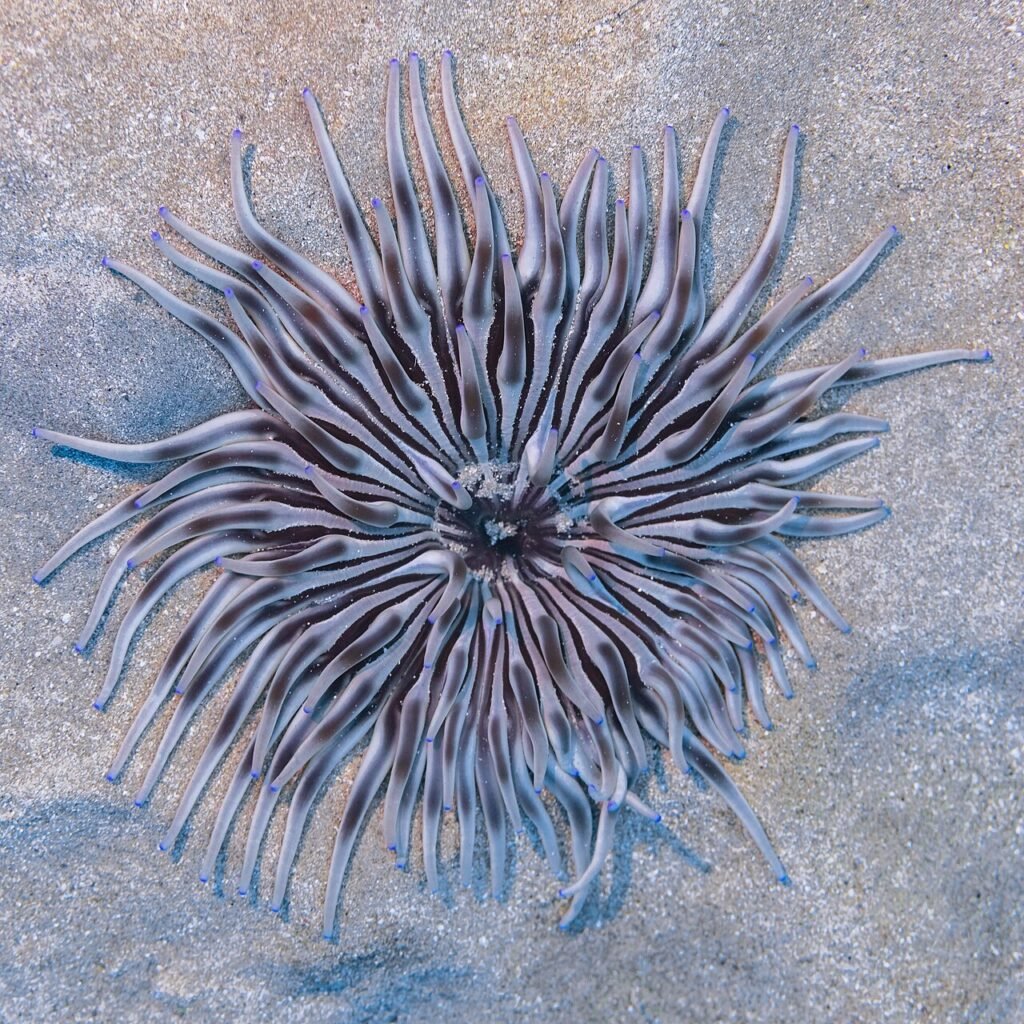
Bearded fireworm (Hermodice carunculata) of an aprox, Pafos, Cyprus
The real Cypriot diet is not the menu of kleftiko and moussaka you’ll find in tourist restaurants. It’s a simpler, more seasonal affair, rooted in the island’s agricultural bounty. Travelers who make the effort to eat where locals eat will discover a cuisine defined by olive oil, lemon, fresh herbs, and the famous halloumi cheese, which is eaten grilled, fried, or fresh, sometimes still warm from the whey. The key meal of the day is lunch, taken around 1:30 PM, when families gather for a spread of small dishes called meze. In Pafos, this isn’t a starter—it’s the main event: you’ll receive up to 20 small plates over the course of two or three hours, starting with taramosalata, tzatziki, and olives, moving on to grilled octopus, lamb keftedes, and fried halloumi, then finishing with fresh fruit, pastries, and thick, syrupy coffee.
Your best bet for an authentic experience is to head to Platanos Tavern in Ktima, on Evagora Pallikaridis Street, a family institution since 1975. Arrive by 12:30 PM to secure one of the outdoor tables under the vine canopy. Order the meze—it costs €22 per person for a full spread, and you won’t need dinner—and let the owner, Andreas, talk you through each dish as it arrives. The wine list is almost entirely Cypriot; ask for a glass of Xynisteri, a crisp white indigenous to the island that goes beautifully with the seafood. For a market breakfast, stop by the Old Market Grocery on Dimokratias Square, where you can buy a paper cone of koubes—cracked wheat and mincemeat parcels fried golden—for just €2.50, eaten standing at the counter with a tiny cup of strong coffee.
The secret ingredient that you’ll find threaded through all of this is the wild oregano that grows on the hillsides above the city. Locals call it “rigani,” and they’ll tell you that it’s the reason Cypriot food has a flavor you simply can’t replicate anywhere else. You’ll see bundles of it drying outside kitchens and in market stalls; buy a small pouch for €2 before you leave. It’s the taste of Pafos itself.
Art, Music & Nightlife
The creative scene in Pafos is undergoing a quiet renaissance, driven partly by the 2017 European Capital of Culture legacy and partly by a growing community of young artists and musicians who have returned to their homeland. The Pafos Aphrodite Festival is the marquee event, held every September at the medieval castle in the harbor, where an open-air opera stage transforms the waterfront into a scene from a dream. Tickets start at €30, and the 2024 program promises Verdi’s “La Traviata” for two weeks in early September. For something more intimate, the Technopolis 20 Cultural Centre, housed in a former factory in Ktima, hosts everything from local folk music nights (listen for the sound of the laouto, a fretless lute) to contemporary dance performances and film screenings. Check their schedule online—admission is usually around €10.
For nightlife, you’ll find two different experiences depending on your mood. The harbor area in Kato Pafos is tourist-friendly and lively, with bars open past midnight and clubs like No Name Club playing international hits. But locals prefer the scene in Ktima, especially around the pedestrian street of Ikarou, where bar-hopping means stopping in at En Plo for a local craft beer (try the Aphrodite Pale Ale, €4.50), then To Steki for a glass of Commandaria, the ancient sweet wine that is said to have been the toast of Richard the Lionheart. The atmosphere here is laid-back—conversations, not crowds. Things wind down by 1 AM, which suits the rhythm of daily life in a city that prefers early morning walks and late afternoon naps.
Practical Guide

Brown rock on seashore during daytime, Pafos, Cyprus
- Getting There: Pafos International Airport (PFO) receives direct flights from most European capitals, including London (3.5 hours), Berlin (3 hours), and Moscow (3.5 hours). Budget carriers like Ryanair, easyJet, and Wizz Air serve the airport year-round. Book at Skyscanner
- Getting Around: The city is walkable, especially the Kato Pafos–Ktima–Chlorakas corridor. Buses cost €1.50 per ride and run every 20 minutes from the harbor to the old town. Taxis are plentiful—a ride across town costs €8–€12, and you can hail them at stands near the castle or Dimokratias Square.
- Where to Stay: For history lovers, stay in Kato Pafos at the Annabelle Hotel, a 5-star with a sea view. For local immersion, choose a guesthouse in Ktima like Ktima Boutique Rooms (from €90/night). For budget travelers, Chlorakas has self-catering apartments from €45/night. Check Booking.com
- Best Time: March to May and September to October. You’ll get sunny days in the low 20s°C (70s°F), fewer crowds, and the sea is still warm enough for swimming.
- Budget: €60–€100 per day for a mid-range traveler, including a decent hotel, one restaurant meal, snacks, and site entry fees. Use GetYourGuide for pre-booked tours and skip-the-line tickets.
What Surprises First-Time Visitors
The first surprise is the sheer stillness that descends between 2 PM and 4 PM. You might arrive expecting a bustling Mediterranean city and instead find shops shuttered, streets quiet, and a heavy, drowsy heat settling over everything. This is the siesta—a sacred Cypriot institution. Your best bet is to embrace it: find a shady courtyard taverna, order a cold beer or a frappé, and watch the world slow down. By 5 PM, life resumes with renewed energy, and you’ll see why locals guard this hour so fiercely.
The second surprise is the quality of the coastline. Most travelers come for the archaeological sites, but the beaches around Pafos are extraordinary in their own right—not long sandy stretches, but intimate coves with pebbles and rock platforms perfect for diving into deep, clear water. Coral Bay, about 8 kilometers north of the city, is the most famous, but savvy visitors know to continue another 3 kilometers to the tiny cove at Sea Caves, where you can swim through natural arches and find your own private patch of sun-warmed rock.
Finally, you’ll be struck by the warmth of the people. Pafos is not a city that trades on coolness or distance. Locals will stop you on the street to ask if you need directions, invite you for coffee, and insist on introducing you to their father’s taverna. It’s a kind of hospitality that feels genuinely old-world, a remnant of the culture of philoxenia—love of strangers—that has defined Greek island life for millennia. By your third day, you’ll find yourself returning that smile, and by the end of your visit, you’ll understand why so many travelers leave a piece of their heart in this sun-bleached corner of Cyprus.
Your Pafos, Cyprus Questions

A garden of colorful flowers, Pafos, Cyprus
Is it safe to swim at the beaches near the archaeological sites? Absolutely. The water quality along the entire Pafos coast is excellent, with many beaches receiving Blue Flag status. The area directly in front of the Pafos Castle is popular for swimming, but travelers often prefer the quieter coves just north of the harbor, such as Vrysoudia Beach, where the water is calmer and the crowds thinner. Just be mindful of the occasional rocky patch—proper water shoes, which you can buy at any supermarket for €8, will make your experience far more comfortable. Lifeguards are present at the main beaches from June through September.
Can you visit the archaeological sites and the old town in one day? You can, but you’ll be rushing. Savvy visitors plan for at least a full day in Kato Pafos alone: morning for the mosaics (they open at 8 AM, and the light is best for photography), lunch in a harbor-side taverna, and late afternoon for the Tombs of the Kings, which stay open until dusk. If you want to add Ktima and Chlorakas to your itinerary, give yourself a second day. The secret is to slow down—this is a city that rewards lingering, not checklisting. Your best bet is to schedule two full days for the archaeological core, and a third day for exploring the neighborhoods and the coast.
What should I pack that might surprise me? The most important item you won’t consider is a light jacket or sweater. Even in summer, the evenings can cool dramatically, especially near the coast, and the sea breeze can be brisk. You’ll also thank yourself for bringing a small bottle of insect repellent—the mosquitoes near the harbor and the gardens of Ktima can be persistent after dusk. For the archaeological sites, sturdy walking shoes are essential: the mosaic floors are uneven, and the paths around the Tombs of the Kings are gravelly. Finally, a reusable water bottle is a lifesaver—there are public fountains throughout the old town where the water is clean and cold, and you’ll go through a liter per hour in the midday heat.

