
Beyond the River Bend: Why Cametá Captivates Every Traveler Who Discovers Its Colonial Soul (2026)
In 1758, when the Portuguese Crown formally elevated the Jesuit mission settlement to the status of town, the indigenous Tupinambá people who had lived along the Tocantins River for generations watched from the riverbank as Portuguese officials raised the colonial standard. You can still feel that layered history walking along the waterfront today—where centuries of faith, commerce, and resistance have left their mark on the red-tiled roofs and whitewashed walls that define this Amazonian river town. Travelers who visit Cametá often discover that the city’s true story is written not in official documents but in the rhythm of its daily life, where Indigenous, African, and European threads weave together along the muddy banks of one of Brazil’s great waterways.
The Story Behind Cametá, Brazil
Your understanding of Cametá begins with the Tocantins River. This mighty waterway, which flows northward for over 2,400 kilometers, brought the first Portuguese explorers to the region in the early 1600s, and it was here that Jesuit missionaries established the Aldeia de Tocantins in the 1630s, a mission designed to convert the Tupinambá and other Indigenous peoples. By 1685, the settlement had grown sufficiently that the Jesuits built a chapel dedicated to São Benedito—a figure who would become the city’s patron saint and whose feast day, celebrated on January 1st, remains the most important religious event on the Cametá calendar.
History took a dramatic turn in 1759 when the Marquis of Pombal expelled the Jesuits from Brazil, and the mission was secularized as the Vila de Cametá. What you might not realize is that Cametá served as a crucial staging ground during Brazil’s independence struggles in the 1820s and 1830s, when the Cabanagem rebellion—a popular uprising of Indigenous peoples, enslaved Africans, and poor settlers—swept through Pará. Cametá’s residents found themselves caught between colonial authorities and rebel forces, and the town’s strategic position on the Tocantins made it a prize both sides desperately sought. The rebellion, which lasted from 1835 to 1840, left deep scars, but it also forged a fiercely independent local identity that you still sense today in the pride with which camaetaenses speak of their heritage.
By the rubber boom of the late 19th and early 20th centuries, Cametá had become a thriving river port, exporting rubber, Brazil nuts, and cacao down the Tocantins to Belém and beyond. The wealth from this era built the grand colonial houses along the riverfront—many still standing—their ornate azulejo tiles and wrought-iron balconies testifying to a time when Cametá rivaled larger Amazonian cities in prosperity. Travelers often fail to notice that the town’s layout still follows the original Portuguese colonial plan, with the church square at its heart and streets radiating outward toward the river. Locals will tell you that the best time to feel this history is during the early morning, when the river mist rises and the town seems to wake from a centuries-long sleep.
Neighborhood by Neighborhood
Centro Histórico
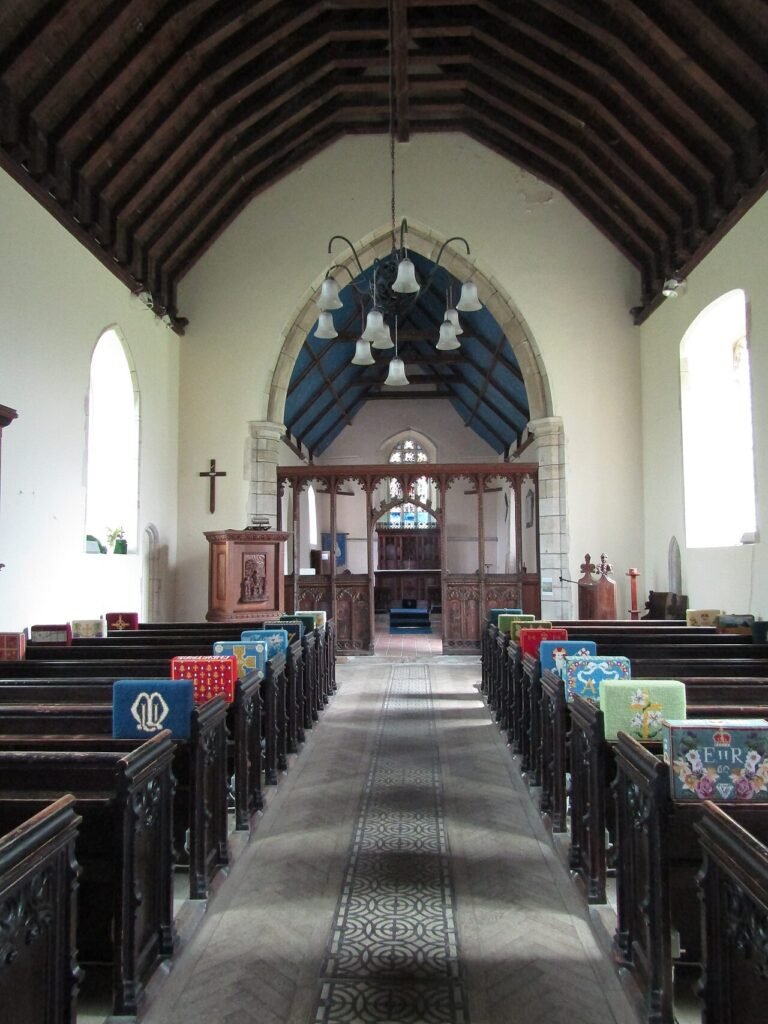
Your journey through Cametá should begin in the Centro Histórico, the colonial heart of the city arranged around the Praça da Matriz. Here stands the Igreja Matriz de São Benedito, a stunning 18th-century church whose simple white facade belies the ornate Baroque interior within. Step inside on a weekday morning and you’ll find elderly women in lace veils lighting candles, the smell of burning paraffin mixing with the scent of old wood and incense. The square facing the church, Praça da Bandeira, is where locals gather in the late afternoon, children chasing pigeons while vendors sell cups of açaí from wooden carts. The commercial streets radiating from here—Rua 15 de Novembro and Rua João Pessoa—are lined with colonial-era buildings whose ground floors house fabric shops, pharmacies, and hardware stores that have operated for generations. Your best bet is to wander these streets between 8 a.m. and noon, when the morning light catches the faded pastel facades and the humidity is still bearable. Savvy visitors know to look up—the second-story windows reveal hand-painted tiles and carved lintels that the street-level shop awnings hide from view.
Vila do Carmo
A fifteen-minute walk east from the center brings you to Vila do Carmo, a neighborhood with a distinctly different character. This was historically the home of the city’s Afro-Brazilian community, and its influence permeates everything from the food to the music to the rhythm of daily life. The neighborhood’s heart is the small Igreja do Carmo, a 19th-century chapel whose annual festival in July draws devotees from across the region who come to honor Nossa Senhora do Carmo with processions and drumming that lasts well past midnight. Vila do Carmo’s streets are narrower here, the houses closer together, and the air carries the scent of fried fish and dendê oil from the many small eateries that operate out of front rooms. Locals recommend the early evening hours, around 5 p.m., when the neighborhood’s women set up tables on the sidewalks selling tacacá—a hot soup of tucupi, jambu leaves, and dried shrimp that you drink from a gourd—and the sound of carimbó music drifts from open doorways. Travelers often discover that this is where Cametá’s soul resides, in the conversations between neighbors and the laughter of children playing in the narrow alleys.
Rio Tocantins Waterfront
The Orla do Tocantins, the city’s riverfront promenade, runs for nearly two kilometers along the Tocantins River and offers a completely different perspective on Cametá. This is where the city meets its reason for being—the brown, powerful river that has carried goods and people for centuries. In the morning, you’ll find fishermen repairing their nets on the concrete steps, their wooden canoes bobbing in the current. By late afternoon, the promenade fills with couples walking hand in hand, teenagers playing football, and vendors selling ice cream and boiled corn from pushcarts. The Mercado Municipal, located at the southern end of the waterfront, is a covered market built in the 1940s where you can buy everything from fresh pirarucu and tambaqui to medicinal roots and handmade pottery. Plan to spend at least an hour at the market, ideally between 7 and 9 a.m., when the catch comes in and the haggling is at its most animated. Seasoned travelers book riverboat tours from here (approximately R$50–80 per person for a three-hour trip) that take you to the river islands where you can swim and see how ribeirinho river communities live in stilt houses connected by plank walkways.
The Local Table: What Camaetaenses Actually Eat

Foto da cidade de Cametá, Pará. Tirada por Celso Abreu., Cametá, Brazil
Food in Cametá is a direct expression of the river and the forest. You won’t find elaborate fine dining here—what you’ll discover instead is a cuisine built on the freshest ingredients, prepared with techniques that Indigenous and African cooks have refined over centuries. The foundation of every meal is açaí, but not the sweetened purple paste you might know from abroad. Here, açaí is served savory, with pirarucu, jambu leaves, and farinha d’água (a coarse manioc flour that you sprinkle over everything). Camaetaenses typically eat açaí for lunch as a main meal, not as a dessert or breakfast smoothie, and the local custom is to eat it with fish and rice tucupi, a yellow liquid extracted from wild manioc.
The dish you must seek out is pato no tucupi—duck cooked in tucupi with jambu leaves that create a tingling sensation on your tongue—a preparation that tells the story of Cametá’s Indigenous and Portuguese heritage. Your best bet is to head to Restaurante da Dona Maria at Rua 7 de Setembro, 245, a family-run establishment that has served this signature dish for over forty years. From Wednesday to Sunday, starting at 11:30 a.m., Dona Maria’s kitchen produces a version of pato no tucupi that draws locals from across the city. The experience costs around R$35 per person, including rice, farinha, and a cold Guaraná Antarctica to drink. She also serves the finest maniçoba you’ll taste—a slow-cooked stew of manioc leaves and cured meats that resembles feijoada but with a deeper, earthier flavor. Arrive early, because by 1 p.m. the place is packed, and everything sells out.
For a true taste of daily life, visit the Mercado Municipal food court on Saturday mornings, between 7 and 11 a.m. Here, under a corrugated iron roof, women from the river communities set up stalls selling caldeirada (fish stew), vatapá (a creamy shrimp and bread paste), and bolinhos de bacalhau. Your strategy: buy a wooden skewer of grilled tambaqui from Dona Francisca (stall 14), a cup of açaí with farinha from Seu Raimundo (stall 22), and a slice of bolo de macaxeira (cassava cake) from Dona Conceição (stall 8). Total cost for a feast: about R$25. Locals recommend following this with a strong cup of coffee from the bar at the market’s entrance, where the owner roasts his own beans from the nearby island of Ilha do Marajó.
Art, Music & Nightlife
Cametá’s creative pulse beats strongest through carimbó, the Afro-Indigenous rhythm that defines this part of Pará. Unlike the more tourist-oriented carimbó of Belém, the Cametá version is raw and unpolished, played on handmade drums, maracas, and a carimbó drum carved from a single tree trunk. Your best chance to experience authentic carimbó is during the Festa do Carimbó, held annually in the third weekend of October, when musicians from across the Tocantins region gather at the Praça do Carimbó, a covered outdoor space in the Vila do Carmo neighborhood. The festival runs Friday through Sunday, with performances starting at 8 p.m. and continuing until dawn. Travelers often discover that the most memorable moments happen not on stage but in the crowd, where grandmothers dance alongside grandchildren, their feet moving in the same steps passed down through generations.
For contemporary art, head to Casa da Cultura, a restored 19th-century townhouse at Avenida Floriano Peixoto, 112, where local artists exhibit paintings and sculptures that reflect Cametá’s riverine life. The space, which serves as a cultural center, also hosts workshops in ceramics and weaving—check their Facebook page for event schedules. Nightlife in Cametá is low-key and community-oriented; there are no clubs or bars in the traditional sense. Instead, locals gather at the Orla do Tocantins in the evenings, where impromptu music sessions break out along the riverfront. You’ll find groups of friends sharing a bottle of cachaça, someone with a violão (acoustic guitar), and the river lapping against the shore. For a more structured evening, Bar do Cacá on the waterfront serves cold beer and petiscos (Brazilian bar snacks) nightly until midnight, with live pagode and samba on weekends. Friday nights, around 9 p.m., is the best time to go—the energy peaks just before midnight, with regulars taking turns at the microphone.
Practical Guide
- Getting There: Fly into Belém (BEL) on LATAM, Gol, or Azul from São Paulo, Brasília, or Manaus. From Belém, take a bus for 4.5 hours on Viação Transbrasiliana (R$85, departs hourly 6 a.m.–6 p.m.). Alternatively, hire a private transfer (R$250–350, negotiable). Book flights at Skyscanner
- Getting Around: Cametá is walkable in the center; use mototáxis for longer distances (R$5–10 per ride, agree on price before boarding). River taxis to islands cost R$10–20 per person. Car rental is not recommended—parking is limited and roads outside town are unpaved.
- Where to Stay: Pousada do Rio (R$120/night, double) on Avenida Beira-Rio, 345, offers river views and air conditioning. For budget travelers, Hotel São Benedito (R$60/night) at Rua 15 de Novembro, 87, is clean and central. Check Booking.com
- Best Time: Visit June through November for dry weather and lower humidity. August is ideal: the Festa do Carimbó (third weekend) coincides with clear skies and river levels perfect for boat tours. Avoid February–May when heavy rains flood streets and curtail river access.
- Budget: Expect to spend R$120–180 per day per person including accommodation, food, and local transport. River tours cost extra (R$50–80). Bargaining is expected at the market but not in restaurants or shops.

Exterior view of the historic railway museum with tower in Joinville, Cametá, Brazil
What Surprises First-Time Visitors
The first surprise that greets travelers in Cametá is the quiet. You expect a Brazilian Amazonian city to thrum with noise—traffic, music, crowds—but Cametá operates at a different pace. The main square is tranquil in the afternoon, the streets empty during the midday heat, and the loudest sound you’ll hear is the river lapping against the embankment. This calm is not emptiness but intentionality; locals have built their lives around the river’s rhythm, and visitors quickly learn that rushing is neither expected nor rewarded. Your second day, you’ll find yourself adapting naturally, taking longer meals, stopping to watch the sunset, and understanding that being “on time” means arriving before the food runs out, not at a specific hour.
The second surprise is how openly people welcome you. In larger Brazilian cities, you can wander for days without a meaningful conversation with a local. In Cametá, you’ll be greeted with “Bom dia” on the street, invited to join a family’s açaí at lunch, and find yourself in a half-hour conversation with a fisherman who wants to know where you’re from and why you chose his town. This hospitality is genuine and unforced, but you can show your respect by learning a few Portuguese phrases: “Muito obrigado” (thank you very much), “Que beleza” (how beautiful), and “Saúde!” (cheers) when drinking cachaça with new friends. Savvy visitors also know never to refuse food offered in someone’s home—it’s considered a deep insult in this river community where sharing a meal is the highest form of trust.
The third revelation comes when you venture onto the river itself. Most tourists see Cametá as a land destination, but the city’s true lifeblood is the water—the islands, the hidden beaches, the communities accessible only by canoe. A half-day boat trip costs around R$50 per person if you share with other travelers (ask at the Mercado Municipal tourist desk), and it will show you a Cametá that no guidebook describes. You’ll see children paddling to school in canoes, women washing clothes on floating platforms, and men hauling nets at river bend settlements that haven’t changed in a century. It’s a perspective that transforms how you see the city: from a collection of streets and buildings into a living, breathing organism sustained by the brown water that flows past its doors.
Your Cametá, Brazil Questions
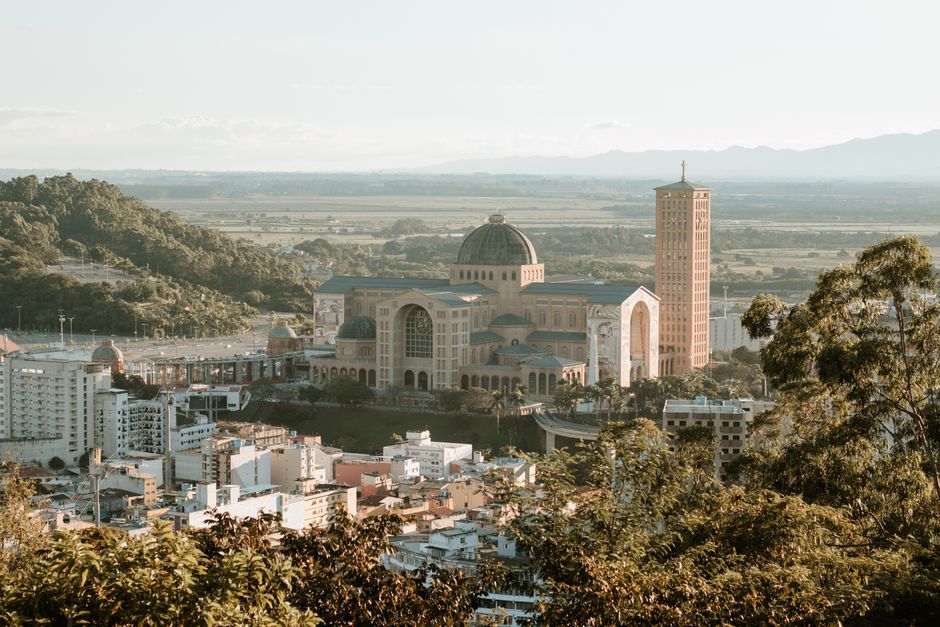
Scenic aerial view of Nossa Senhora Aparecida Basilica in Aparecida, Cametá, Brazil
Is Cametá safe for solo travelers, especially at night? Yes, Cametá is considered safe by Brazilian standards, with low rates of violent crime compared to larger cities. That said, you should exercise the same caution you would anywhere: avoid flashing valuables, stick to well-lit areas after dark (the Orla do Tocantins is well-police-patrolled until midnight), and use mototáxis rather than walking alone on unlit streets. Solo female travelers report feeling comfortable here, though you’ll attract more attention than in tourist-heavy destinations—most of it friendly curiosity. Your best practice is to eat dinner early (before 8 p.m.) and explore the nightlife in the company of locals, who will look out for you once you’ve made friends. The Mercado Municipal area is best avoided after dark, as it empties out and can feel isolated.
What should I pack for the climate? You are in the humid equatorial Amazon, only 2 degrees south of the equator, so prepare accordingly. Lightweight, quick-dry clothing in

