
Crystal Snow and Scarlet History: The Unexpected Allure of Sarıkamış, Turkey (2026)
In late December 1914, more than 90,000 Ottoman soldiers perished not from enemy fire but from freezing cold in the forests surrounding Sarıkamış, their bodies scattered across the snow like fallen leaves. Enver Pasha’s ambitious plan to retake territory from the Russian Empire collapsed in temperatures reaching minus 40 degrees Celsius, and today, when you walk through the pine groves near the town, locals will still point to places where bones emerged from the spring thaw. This tragedy—both horrific and hauntingly beautiful—has shaped everything about Sarıkamış, a place where winter is not just a season but an identity, and where the snow remembers what the textbooks sometimes forget.
The Story Behind Sarıkamış, Turkey
You’ll find Sarıkamış perched at 2,100 meters elevation in Kars Province, eastern Turkey, a town whose very name echoes with loss and resilience. The settlement rose to prominence under the Russian Empire, which controlled the region between 1878 and 1918 following the Russo-Turkish War. During those four decades, the Russians built stone barracks, officer quarters, and administrative buildings that still line the streets today, their distinctive red brick trim and high windows giving Sarıkamış an almost Siberian character. You’ll notice it immediately as you arrive: the architecture feels transported from St. Petersburg, not Anatolia.
The defining event, however, came in the winter of 1914–1915. Enver Pasha, the Ottoman Minister of War, ordered a massive offensive to encircle Russian forces at Sarıkamış. What followed was one of the worst military disasters in modern history. Marching without adequate winter clothing or supplies, soldiers froze to death by the thousands in the Scots pine forests that blanket the mountains. Locals will tell you that on still winter nights, you can almost hear the wind carrying the ghosts of those men. Today, the Sarıkamış Martyrs’ Monument and Cemetery commemorates the fallen, and every December 22, ceremonies draw visitors from across Turkey who come to honor the dead and reflect on the cost of ambition.
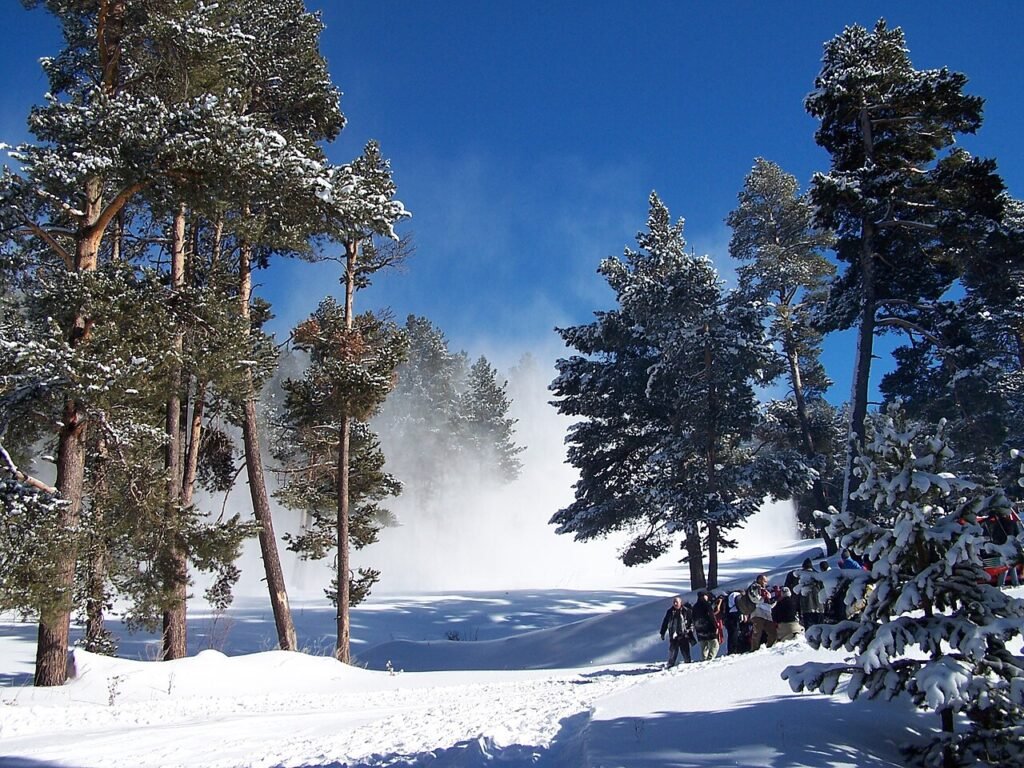
After the war, Sarıkamış returned to Turkish control in 1918 under the Treaty of Brest-Litovsk, and gradually transformed from a military outpost into a quiet mountain town. But in the 1990s, travelers discovered something extraordinary: the snow here is unlike almost anywhere else in the country. Called “Sarıkamış crystal snow” by locals, it’s a dry, powdery snow that skiers and snowboarders crave. Combined with the Scots pine forests that create natural Alpine-style runs, Sarıkamış has quietly become Turkey’s premier winter sports destination, even if it still flies under the radar of most international travelers.
Neighborhood by Neighborhood
Yukarı Sarıkamış (Upper Sarıkamış)
This is the soul of the town, the neighborhood where you’ll spend most of your time wandering. Yukarı Sarıkamış is the historic core, and its streets—especially İnönü Caddesi and Cumhuriyet Caddesi—are lined with those Russian-era stone buildings you’ve been reading about. The architecture is remarkable: two- and three-story structures with thick walls, wooden floors, and those signature red brick accents around doors and windows. Many have been restored into hotels, cafes, and shops, but they’ve kept their original character. You’ll want to visit the Sarıkamış Administrative Building (Kaymakamlık), built in 1895, which now houses local government offices but is open for admiring its grand facade. Vendors sell roasted chestnuts and corn on the cob from street carts, and the air smells of pine and wood smoke. The pace here is slow, deliberate—you’ll find locals gathered at çay bahçesi (tea gardens) playing backgammon for hours, their conversations punctuated by the clatter of wooden dice.
Merkez (The Center)
Merkez is where Sarıkamış gets practical. This is the modern commercial heart, clustered around the main square and the bus station. It’s less atmospheric than Yukarı Sarıkamış but more functional. You’ll find ATMs, pharmacies, grocery stores, and the PTT post office here. The daily market, held every Wednesday along Atatürk Caddesi, is where locals stock up on fresh produce, local honey (some of the best in Turkey), and Kars-style aged kaşar cheese. Your best bet for essentials is to handle your errands in Merkez before retreating to the historic neighborhood for meals and wandering. The town’s only cinema, a small two-screen venue, is here—worth knowing if you’re staying for a week and crave an evening escape from the cold. Most travelers pass through Merkez quickly, but savvy visitors know to stop at the small bakery called Fırıncı Ahmet Usta near the clock tower for freshly baked kete—a local pastry you’ll want to eat warm.
Sarıkamış Ski Resort Area
Four kilometers from the town center, you’ll ascend into a completely different world. The ski resort area sits at 2,200 meters and feels like a purpose-built alpine village, with modern hotels, rental shops, and chairlifts crisscrossing the slopes. The main drag, Kayak Yolu Caddesi, is lined with lodges that cater almost exclusively to winter visitors. You’ll find everything from basic pension-style accommodations to upscale hotels like the Sarıkamış Hotel (4-star, with a spa and indoor pool). The skiing here is genuinely world-class—the “crystal snow” is dry and consistent from December through late March, and the tree runs through the Scots pines are what draw seasoned skiers back year after year. Unlike crowded European resorts, you’ll experience short lift lines and uncrowded slopes even during peak season. In summer, this area transforms into a basecamp for hikers exploring the forests and high plateaus, but winter is when it truly comes alive. Locals recommend arriving at the slopes by 8:30 AM to catch the best conditions before the sun softens the snow.
The Local Table: What Denizens Actually Eat

This file is represents a mountain which covered by crystal snow flakes., Sarıkamış, Turkey
When you sit down to eat in Sarıkamış, you’re eating food shaped by the cold. This is hearty, warming cuisine designed to fuel days spent outdoors. The defining ingredient is local honey—Sarıkamış is renowned across Turkey for its pine and flower honey, produced by bees that feed on the region’s rich flora. You’ll find it drizzled over kaymak (clotted cream) for breakfast, stirred into hot milk as a bedtime drink, and used in desserts like künefe and baklava at sweet shops throughout town.
But the dish you must seek out is kete. This isn’t the kete you might know from other parts of Turkey; Sarıkamış kete is unique—a flaky, crescent-shaped pastry filled with a mixture of butter, flour, and sometimes local cheese, baked until golden and served warm. The best kete in town comes from a tiny family-run spot called Keteci Mehmet Usta, tucked away on a side street off İnönü Caddesi. Locals line up here starting at 7 AM, and by 9 AM they’re often sold out. You’ll pay about 20 Turkish lira for a fresh kete and a glass of çay—a breakfast that will keep you full until lunch. For heartier meals, head to Hacı Baba Restaurant near the main square, where you can order etli ekmek (a long, thin flatbread topped with minced meat and vegetables) or kuzu tandır (slow-roasted lamb that falls off the bone). The portions are generous, and you’ll rarely spend more than 200 lira per person including bread and salad.
The food culture here is communal—locals eat together, share plates, and linger over long conversations. You’ll notice that even in winter, outdoor dining is common at restaurants that set up heated terraces, because the view of the snow-covered forest is as important as the meal itself. For a truly local experience, visit the Wednesday market in Merkez and buy a chunk of Kars kaşar cheese, a jar of Sarıkamış honey, and fresh bread from Fırıncı Ahmet Usta. Then find a bench near the Russian-era stone buildings and have an impromptu picnic as locals do—it’s the kind of simple pleasure that defines this town.
Art, Music & Nightlife
Sarıkamış isn’t a party town, but its creative scene is quietly vibrant. The dominant cultural thread is the tradition of ağıt (lament) music, particularly songs that commemorate the Sarıkamış Martyrs. You’ll hear these haunting melodies performed at local concerts and ceremonies, especially during the commemorations each December. The most famous is “Sarıkamış Türküsü,” a folk song that recounts the tragedy with lines about frozen soldiers and mothers waiting in vain. For a proper experience, visit the Sarıkamış Culture and Art Center on İnönü Caddesi, which hosts performances throughout the year—tickets cost around 50 lira and are best purchased in advance from the center’s box office.
In summer, the Sarıkamış Forest Festival in late July brings folk dancers, musicians, and artisans together for a three-day celebration in the pine groves. You’ll watch traditional Horon dancing performances, browse handmade woolens and honey vendors, and eat grilled meat from communal barbecues. For nightlife, your options are limited but satisfying. Most evenings, locals gather at the çay bahçeleri (tea gardens) like the one behind the old Russian barracks, where you can nurse a glass of çay or salep (a warm milk drink with orchid powder) until 10 PM. If you want a drink, the bar at the Sarıkamış Hotel serves rakı and beer to a mix of tourists and locals, but don’t expect a club scene—here, the night is quiet, the snow reflects the moonlight, and the wind through the pines is the loudest sound you’ll hear.
Practical Guide
Stunning aerial night view of the Grand Camlica Mosque illuminated in Istanbul, Sarıkamış, Turkey
- Getting There: Fly into Kars Harakani Airport (KSY), about 60 km from Sarıkamış. Turkish Airlines and AnadoluJet offer daily flights from Istanbul (IST and SAW), with flight time around 2 hours. From Kars, you can take a taxi (500–700 lira, 45 minutes) or a minibus (dolmuş) from the Kars bus station for about 50 lira per person. Book flights at Skyscanner
- Getting Around: Sarıkamış is walkable—most sites are within a 20-minute stroll from the center. For the ski resort area, minibuses run every 30 minutes from the main square (10 lira, 10 minutes). Taxis are available but unnecessary for most visitors; if you need one, expect 70–100 lira for rides within town.
- Where to Stay: Stay in Yukarı Sarıkamış for atmosphere—the Russian-era boutique hotels like Otel Buyuk or Sarıkamış Evi offer charm and central location. For ski access, the resort area has modern options like the Sarıkamış Hotel or Atlantik Palas. Budget travelers can find pensions starting at 500 lira per night. Check Booking.com
- Best Time: Winter (December–March) for skiing and the unique white landscape. The Sarıkamış Martyrs’ Commemoration on December 22 is a profound cultural experience. Summer (June–August) is pleasant for hiking, with temperatures around 20°C and wildflowers carpeting the forests.
- Budget: You’ll spend around 1,000–1,500 lira per day for mid-range travel including accommodation, meals, and ski lift passes (which cost about 400 lira per day). Budget travelers can manage on 700 lira with pensions and street food.
What Surprises First-Time Visitors
Most travelers arrive expecting a purely winter sports destination, but the first thing you’ll notice is the silence. Sarıkamış is shockingly quiet for a town of its reputation. The snow absorbs sound so completely that you can stand in the middle of the main street and hear only your own breathing. This stillness is disarming—you’ll find yourself speaking more softly, moving more slowly, as if the town demands a certain reverence. It’s not a quality you’ll find at crowded European resorts, and visitors often remark that Sarıkamış feels more like a remote Canadian outpost than a Turkish town.
Another surprise is how friendly and curious locals are. Sarıkamış sees far fewer international tourists than other Turkish destinations—you’ll be something of a novelty. Shopkeepers will want to know where you’re from, why you chose Sarıkamış, and what you think of the snow. Don’t be startled if someone invites you for çay at their shop or home. This warmth is genuine, and travelers who accept these invitations often leave with stories about impromptu meals shared with families, tours of local honey farms, and friendships that last years. The secret is to be open to it—your best experiences in Sarıkamış will likely come from saying yes when you might normally say no.
Finally, you’ll be struck by the power of the Sarıkamış story. The martyrdom of those 90,000 soldiers is not ancient history; it’s a living memory that locals carry with pride and sorrow. You’ll see Turkish flags on every street, hear the ağıt songs in cafes, and encounter memorials in unexpected places—a statue in a roundabout, a plaque on a building, a small cemetery tucked among the pines. Travelers often find themselves unexpectedly moved by the weight of this history. Sarıkamış teaches you that a place can be both beautiful and tragic, and that sometimes the most memorable destinations are those where the past refuses to fade quietly into the snow.
Your Sarıkamış, Turkey Questions
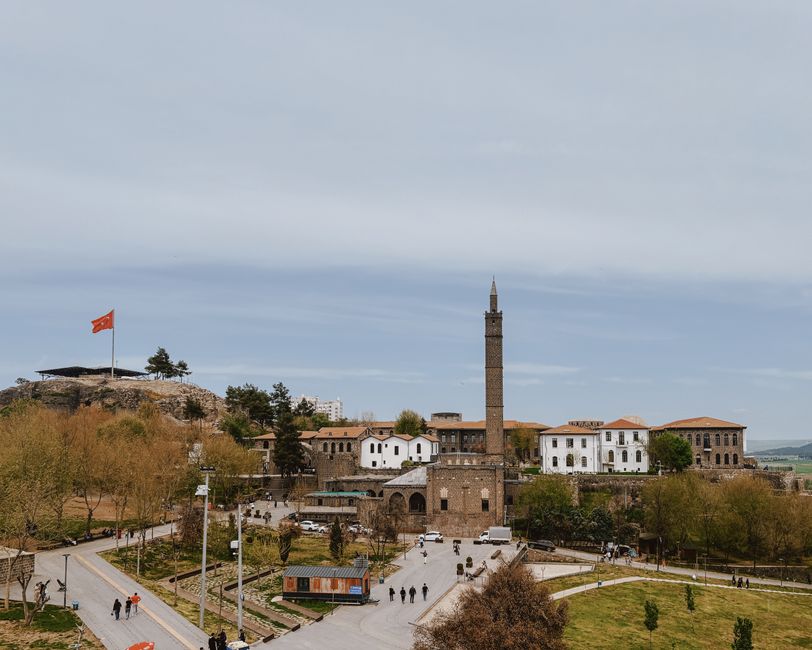
Discover the architectural splendor of Diyarbakır, Sarıkamış, Turkey
Is Sarıkamış suitable for beginner skiers? Absolutely, and this is one of the best-kept secrets about the resort. While Sarıkamış has earned a reputation for challenging tree runs and steep advanced slopes, you’ll find that about 40% of the runs are marked beginner and intermediate. The resort operates five chairlifts and a beginner magic carpet, and there are multiple ski schools with English-speaking instructors. Your best bet for lessons is Sarıkamış Ski School, located at the base of the main lift—a two-hour group lesson costs about 400 lira, and private instruction runs around 800 lira. Beginners love the gentle slopes near the Crystal Hotel, where the wide, groomed runs allow for confident learning without feeling overwhelmed.
What else is there to do besides skiing? Plenty, and savvy visitors often spend a couple of days off the slopes. In winter, you can take guided snowshoe treks through the Scots pine forests (2,000 lira for a half-day with a guide from the tourism office), visit the Sarıkamış Martyrs’ Monument and its small museum (free entry, open daily 9 AM to 5 PM), or soak in the thermal pools at the nearby Kars Thermal Hotel (150 lira for day access). In summer, the forests become a paradise for hikers and birdwatchers—the area around Yanıktaş Plateau offers stunning views of Mount Kars and the Armenian border. You’ll also find that

