
Kashkadarya, Uzbekistan Weekend: Silk Road Bazaars (2026)
Quick Facts Before You Go
- Best Months: April-May and September-October, when the desert heat softens to a golden warmth perfect for wandering the bazaars and exploring the surrounding steppe.
- Currency: Uzbek Sum (UZS). At time of writing, roughly 12,500 sum to $1 USD. You’ll find ATMs in Qarshi but carry cash for smaller villages.
- Language: Uzbek and Russian dominate. English is spoken at higher-end hotels and a few tourist sites, but travelers find that learning a few phrases—rahmat (thank you), assalomu alaykum (hello)—opens doors and hearts.
- Budget: $25-45 per day covers a comfortable guesthouse, three meals, local transport, and entry fees. You’ll be astonished at how far your money goes.
- Getting There: Fly into Tashkent International Airport (TAS), then catch a domestic flight to Qarshi Airport (40 minutes from Tashkent). Alternatively, the overnight train from Tashkent to Qarshi takes 5-6 hours and costs around $10-15 for a sleeper. Book your flights at Skyscanner.
Day 1: The Scent of Spices & The Silence of Tombs
You wake to the sound of doves cooing in the mulberry trees outside your window, and the first thing you notice is the stillness. Kashkadarya moves at a pace that feels ancient—no rush, no fuss, just the slow rhythm of a land that has seen empires rise and fall. Your morning unfolds like a page from a travel diary you didn’t know you were writing.

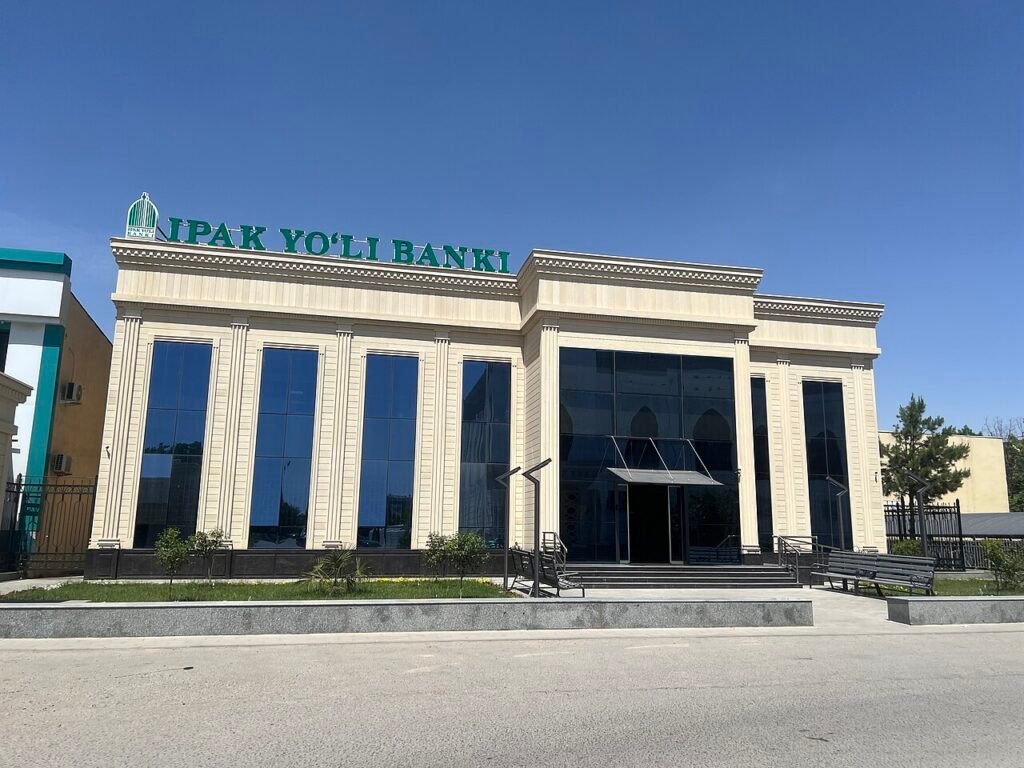
Markaziy bankning Qashqadaryo viloyati filliali, Kashkadarya, Uzbekistan
- Morning (8-11am): You start at the Qarshi Bazaar (Eski Bazaar), the beating heart of the city since the 16th century. The stalls burst with apricots, pomegranates, walnuts, and the famous Kashkadarya melons—so sweet locals say they taste like honey straight from the comb. Wander through the spice alley where piles of crimson zira (cumin), golden turmeric, and deep maroon sumac perfume the air. A small bag of hand-ground spices costs about 5,000 sum ($0.40). Don’t miss the Kok Gumbaz Mosque (noon prayer fee: free, but a donation of 10,000 sum/$0.80 is appreciated), built in 1597 by the Shaybanid ruler Abdullah Khan II. Its turquoise dome is a photographer’s dream, and locals often pause here to pray, their quiet murmurs blending with the cooing pigeons.
- Lunch: Head to Choyhona Nodirbek on Navoi Street. This is where you’ll find the jiz biz—a Kashkadarya specialty of lamb fried in its own fat with peppers, onions, and tomatoes, served on a bed of crispy non bread. The portions are enormous, so share one between two. Cost: around 25,000 sum ($2) per person. Locals recommend pairing it with a glass of ayran (salted yogurt drink) to cut the richness.
- Afternoon (1-5pm): From lunch, you walk to the Mausoleum of Sheikh Muhammad Bashir (Khazrati Bashir Complex, 10-minute walk east of the bazaar). This 14th-century Sufi shrine is a place of pilgrimage for Uzbeks seeking blessings. You’ll see women in brightly patterned dresses tying strips of cloth to the railings as offerings. The atmosphere is deeply peaceful—travelers often describe feeling a strange calm settle over them here. Entry is free, but a small donation (5,000 sum/$0.40) is customary. Next, take a taxi (15,000 sum/$1.20) to the Karshi Fortress Ruins (Qarshi Qal’asi), a mud-brick citadel that dates back to the 8th century BCE. Most tourists overlook this site, which means you’ll have it almost to yourself. Climb the crumbling walls for a panoramic view of the city and the green ribbon of the Kashkadarya River. Allow an hour here.
- Evening: Dinner at Restaurant Bahor (Abdurahman Jami Street). This is where local families celebrate weddings and anniversaries, so the buzz is infectious. Order the shashlik—lamb skewers grilled over coals until charred on the outside and pink within. A full meal with bread, salad, and tea runs about 35,000 sum ($2.80). After dinner, walk to the Hazrati Imam Square (10 minutes on foot). At night, the square glows under soft amber lights, and you’ll see old men playing chess on stone tables while teenagers kick footballs in the shadows. The day ends with a glass of green tea from a samovar at the Choyhona Zarafshan, where locals will likely invite you to join their table. Cost for tea: 3,000 sum ($0.25).
Day 2: Riding the Steppe & The Whisper of the Silk Road
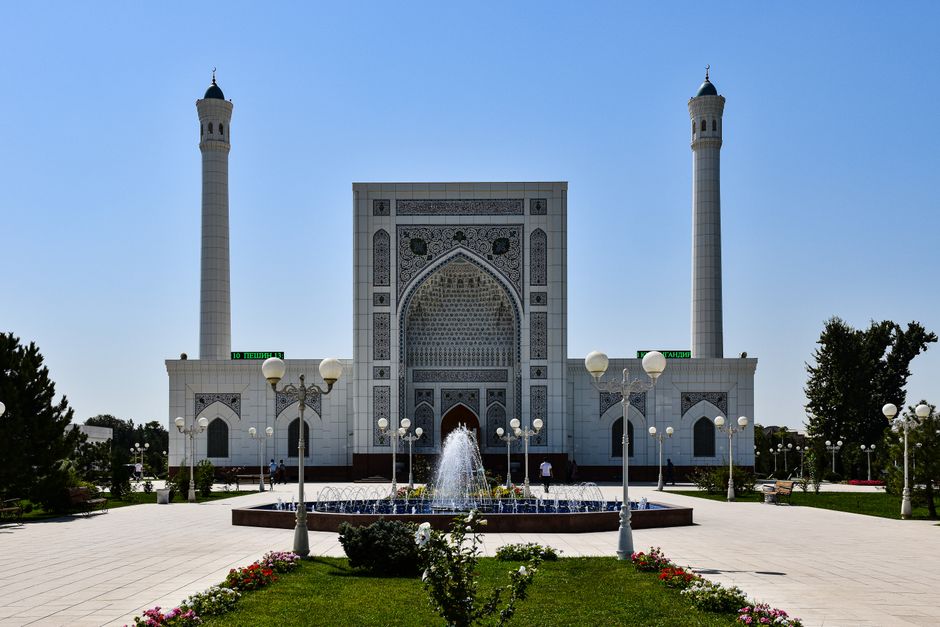
Beautiful mosque with intricate design and fountains under a clear blue sky., Kashkadarya, Uzbekistan
- Morning (7-10am): You rise early for a trip to the Kitab Nature Reserve (about 45 minutes north of Qarshi by shared taxi; 50,000 sum/$4 per person). This is a protected area of rolling hills, juniper forests, and wildflower meadows that bloom with tulips in April. Savvy visitors know to hire a local guide (available at the reserve entrance; 100,000 sum/$8 for two hours) to spot the rare Bukhara deer and hear stories of snow leopards that still roam the higher peaks. You’ll hike a gentle 3-kilometer trail that winds through pistachio groves and past a crumbling caravanserai—a reminder that this was once a Silk Road rest stop. Entry fee: 20,000 sum ($1.60).
- Midday (11am-1pm): Back in Qarshi, you have breakfast at Nonvoy Imom, a tiny bakery near the bazaar that has been making non bread in a tandoor for three generations. Grab a fresh, sesame-crusted non (2,000 sum/$0.16) and a bowl of shurpa—a hearty lamb and vegetable soup (12,000 sum/$0.96). The secret is asking for an extra spoonful of the broth—the baker’s wife will smile and pour it from a steaming pot.
- Afternoon (2-4pm): Your best bet is to explore the Ulughbek Madrasah (Karshi, 15th century, entry fee: 10,000 sum/$0.80). This is one of the few surviving madrasahs from the Timurid period, and its mosaic tilework—deep blues, turquoises, and whites—is astonishingly well preserved. Most tourists rush through, but you should linger in the courtyard, where students once debated astronomy and poetry. A small side room houses a museum of local silk carpets (entry included in madrasah ticket). Allow 45 minutes. Then, walk the Makhsum Street just behind the madrasah, a narrow lane lined with workshops where artisans hammer copper trays and embroider skullcaps (do’ppi). A hand-embroidered skullcap costs 40,000-80,000 sum ($3.20-$6.40) depending on the intricacy—a perfect souvenir.
- Final Evening (6pm onward): For your farewell dinner, you head to Restaurant Samarkand (on the main street near the train station). This is where savvy visitors go for a refined take on local cuisine without the tourist markup. You order the Kashkadarya pilov—a regional version of plov made with chickpeas, lamb on the bone, and a whole head of garlic roasted to butter-soft perfection. The rice is golden from saffron, and the dish arrives under a lid that the waiter lifts with theatrical flair. Cost: 35,000 sum ($2.80). Pair it with a bottle of local Qadr wine (25,000 sum/$2)—Uzbekistan’s wine industry is ancient and surprisingly good. For a nightcap, join the locals at Choyhona Said (10-minute walk south), a rooftop terrace where you sip green tea and watch the stars emerge over the steppe. Tea and sweets: 8,000 sum ($0.65).
The Food You Can’t Miss
Kashkadarya’s food is the soul of the region—honest, bold, and deeply tied to the land. You’ll find that every meal here tells a story. Start your journey at the bazaar’s street-food stalls, where women in patterned headscarves fry samsa (flaky pastries stuffed with spiced lamb and onion) in giant woks. One samsa costs 5,000 sum ($0.40), and you’ll want at least two—the crust shatters in your mouth, releasing a burst of fragrant fat. Travelers often discover that the best samsa is found at the stall nearest the entrance to Qarshi Bazaar, run by an elderly woman named Rano who has been frying them for 30 years. She’ll call you “jonim” (my dear) and insist you try her green tomato chutney on the side.
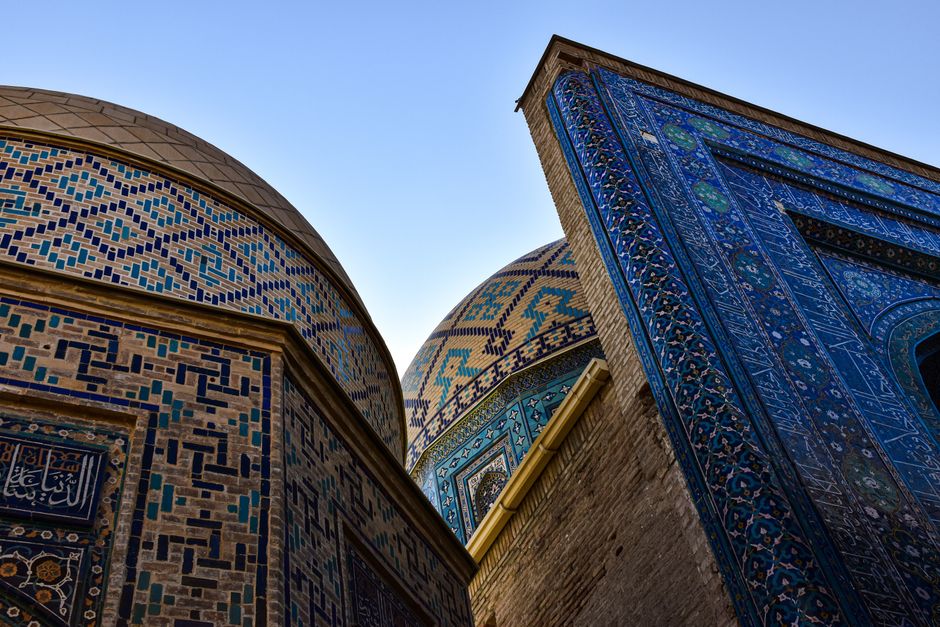
Explore the stunning mosaic patterns and domes of Shah-i-Zinda, Kashkadarya, Uzbekistan
For a sit-down meal, you cannot miss the chuchvara (Uzbek dumplings) at Osh Markazi (Abdurahman Jami Street, lunch only, 10:30am-2:30pm). These delicate parcels, filled with minced lamb and fresh dill, swim in a bowl of warm yogurt and melted butter. A portion costs 18,000 sum ($1.45), and locals recommend adding a pinch of dried mint from the shaker on every table. The owner, Abdullo, will tell you that his grandmother learned the recipe from a passing Silk Road merchant in the 1920s—true or not, the story adds flavor.
Finally, you need to try the kazy—a horse sausage that is a specialty of the Kashkadarya region. It’s not for the faint of heart, but adventurous eaters will find it smoky, rich, and surprisingly mild. You’ll find it sliced thin and served as an appetizer at Restaurant Bahor (20,000 sum/$1.60 for a plate). Pair it with a glass of vodka (yes, really) and a pickled tomato, and you’ll understand why locals call it “the food of ancestors.” The total cost for a tasting feast at Bahor—samsa, shashlik, kazy, bread, salad, and tea—will run you about 50,000 sum ($4).
Where to Stay for the Weekend
You’ll want to base yourself in the Old City (Shahrisabz neighborhood) of Qarshi, where narrow alleys wind past mud-brick houses and centuries-old mosques. The atmosphere here is intimate and authentic—you’ll hear the call to prayer from the Kok Gumbaz and the chatter of children playing in courtyards. For a budget option, Guesthouse Feruza (Nodira Street, doubles from $25/night) offers simple but spotless rooms with communal breakfasts of non, jam, and green tea. The owner, Dilnoza, is a former tour guide who can arrange taxi rides and recommend hidden spots. For mid-range comfort, Hotel Qarshi Palace (Navoi Street, doubles from $50/night) has air-conditioned rooms, a rooftop terrace with views of the bazaar, and a restaurant serving excellent plov. Travelers appreciate the English-speaking staff and the fact that it’s a five-minute walk from the train station. For a splurge, the Silk Road Boutique Hotel (Zulfiya Street, doubles from $80/night) occupies a restored 19th-century merchant’s house, with carved wooden ceilings, a courtyard garden, and a breakfast spread that includes fresh figs, clotted cream, and honeycomb. Book your stay through Booking.com or Airbnb.
Before You Go: Practical Tips
- Getting Around: In Qarshi, you’ll find that most attractions are walkable within a 15-minute radius of the bazaar. For longer trips, use shared taxis (marshrutkas)—they run fixed routes and cost 3,000 sum ($0.24) per ride. Hail one by raising your hand and shouting your destination. For countryside excursions, negotiate a private taxi for the day (about 200,000 sum/$16 for 8 hours).
- What to Pack: You’ll need comfortable walking shoes for the bazaar and the madrasah courtyards. A scarf for women is essential—not just for visiting mosques, but for covering your head when locals invite you into their homes. Sunscreen and a wide-brimmed hat are non-negotiable from May through September. Finally, bring a small notebook and pen—you’ll meet artisans and storytellers who will

