
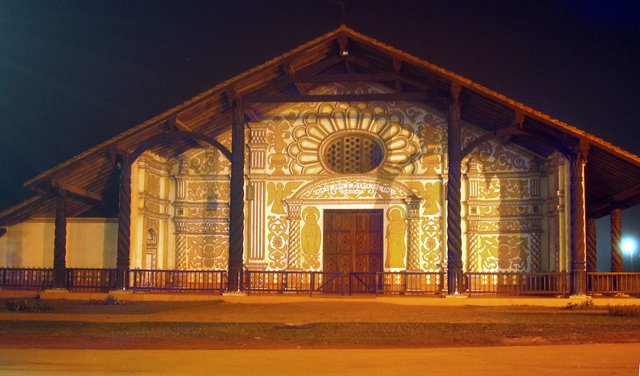
San Ignacio’s Jesuit Missions, Bolivia Weekend: Baroque Churches, Indigenous Art & Amazonian Wilderness (2026)
You step off the small plane into the thick, honey-scented air of the Chiquitania. The late afternoon sun paints the red-tiled roofs of San Ignacio de Velasco in a warm glow as a song from the mission’s baroque organ drifts from the open wooden doors. A woman hands you a clay cup of frothy chicha—the sweet, tangy corn liquor that has fueled celebrations here for 300 years. In 48 hours, you will wander through churches that hold secrets of Jesuit and Chiquitano artisans, taste dishes that blend Amazonian roots with Spanish tradition, and stand at the edge of a wilderness where the Gran Chaco meets the Amazon. This is no ordinary weekend—it is a journey into the heart of Bolivia’s forgotten cultural gem.
Quick Facts Before You Go
- Best Months: May to October (dry season, cooler days, fewer mosquitoes, clear skies for photography). Avoid December–March rains when unsealed roads become muddy.
- Currency: Bolivian Boliviano (BOB). $1 ≈ 6.9 BOB. ATMs in San Ignacio are scarce; bring enough cash from Santa Cruz.
- Language: Spanish is the primary language. Chiquitano is spoken by older generations. English is very limited; learning a few Spanish phrases will transform your experience.
- Budget: $30–$50 per day (mid-range accommodation, meals at local restaurants, entrance fees, and transport). A budget of $100 per day allows for guided tours and upscale dining.
- Getting There: Fly into Viru Viru International Airport (VVI) in Santa Cruz. From there, catch a 45-minute flight with Skyscanner to San Ignacio de Velasco’s local airstrip. Alternatively, an overnight bus from Santa Cruz (10–12 hours) costs around 150 BOB ($22).
Day 1: Baroque Stone, Chicha & the Pulse of the Plaza
You start the morning at the central plaza, where the massive Jesuit mission church of San Ignacio towers over a quiet square of jacaranda trees. The air smells of fresh empanadas frying in a nearby stall. You’ll join a small group of travelers waiting for the 8 a.m. opening—the only way to see the church before the heat and crowds arrive. Inside, the intricate carvings of native wood and gold-leaf altars will make you catch your breath.
- Morning (8–11am): Visit the Iglesia de San Ignacio de Velasco (entrance 30 BOB, includes a guided tour in Spanish). The highlight is the baroque altarpiece carved entirely from cedar by Chiquitano artists in the 1750s. Don’t miss the small museum next door (10 BOB) with original statues and musical scores from the Jesuit reducciones.
- Lunch: Head to El Viejo Tonel (Calle Sucre #123). Order the majadito de charque (dried beef with rice, plantain, and a fried egg) for 35 BOB. Locals recommend washing it down with a fresh tajín—a fruit juice made from local amazonian fruits like copuazú.
- Afternoon (1–5pm): Explore the Misión Jesuita de San Ignacio complex. Visitors can climb the bell tower (15 BOB) for a panoramic view of the red roofs and the distant forest. Then wander to the Taller de Artesanías (Calle Bolívar near the plaza) where you’ll see Chiquitano weavers making chiriguano baskets and carved wooden masks. Purchase a small mask for 40 BOB as a souvenir.
- Evening: Dinner at La Churrasquería del Misionero (Av. 6 de Agosto). Try the asado de res (grilled beef with yucca and a spicy llama pepper sauce) for 55 BOB. Afterward, join locals at Chichería La Tradición (Calle Comercio) for a clay cup of chicha—sweet, slightly sour, and only 5 BOB per glass. The atmosphere is lively with live panpipe music until 10 p.m.
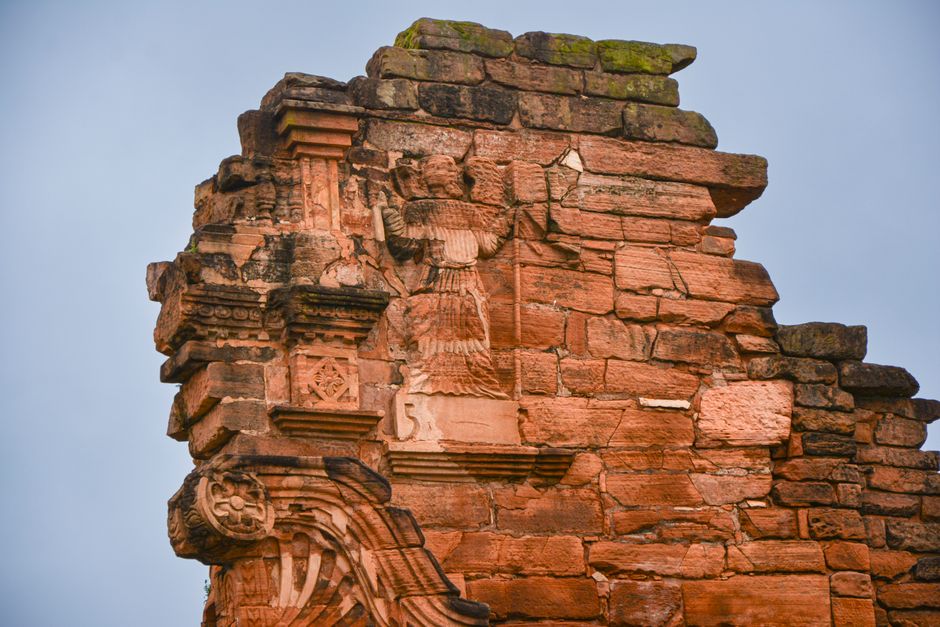
Close-up of ancient stonework at the San Ignacio Miní ruins in Misiones, San Ignacio’s Jesuit Missions, Bolivia
Day 2: The Lost Mission & Amazonian Threshold
Your second morning feels different—a soft mist clings to the streets as you drive east toward the remote Jesuit mission of San Rafael de Velasco. Travelers often overlook this gem because it’s 45 minutes off the main road, but the reward is a perfectly restored 18th-century church with no other tourists. The silence inside is broken only by the creak of wooden floorboards.
- Morning (7–10am): Drive or take a shared taxi (50 BOB round trip) to San Rafael de Velasco (entrance free, donations appreciated). The mission’s altar features unique Chiquitano paintings mixing Catholic saints with indigenous jaguar and monkey figures. A local guide named Don Carlos (tip 20 BOB) will show you the hidden carvings behind the sacristy.
- Midday (11am–12:30pm): Back in San Ignacio, stop at Mercado Central for a cheap and authentic breakfast—bufuelos de yuca (fried yucca dough with honey) for 5 BOB and a cup of café de olla (clove-infused coffee) for 3 BOB. Insider tip: arrive before 9 a.m. to avoid the crowd of shoppers.
- Afternoon (1–4pm): Visit the Parque Nacional Noel Kempff Mercado visitor center in town (free) to plan a half-day excursion. Many visitors take a guided hike to El Encanto Waterfall (20 BOB entry, guide 100 BOB for your group). You’ll walk through dry forest and see howler monkeys, toucans, and—if you’re lucky—a giant anteater crossing the path.
- Final Evening: Farewell dinner at Restaurante El Solar (Calle Santa Cruz #450). Order pacu al horno (Amazonian river fish baked in banana leaves with coconut rice) for 60 BOB. The garden patio is lit by candles and lanterns, perfect for reflecting on your weekend. Ask for a glass of singani (Bolivian grape brandy) to toast your journey.
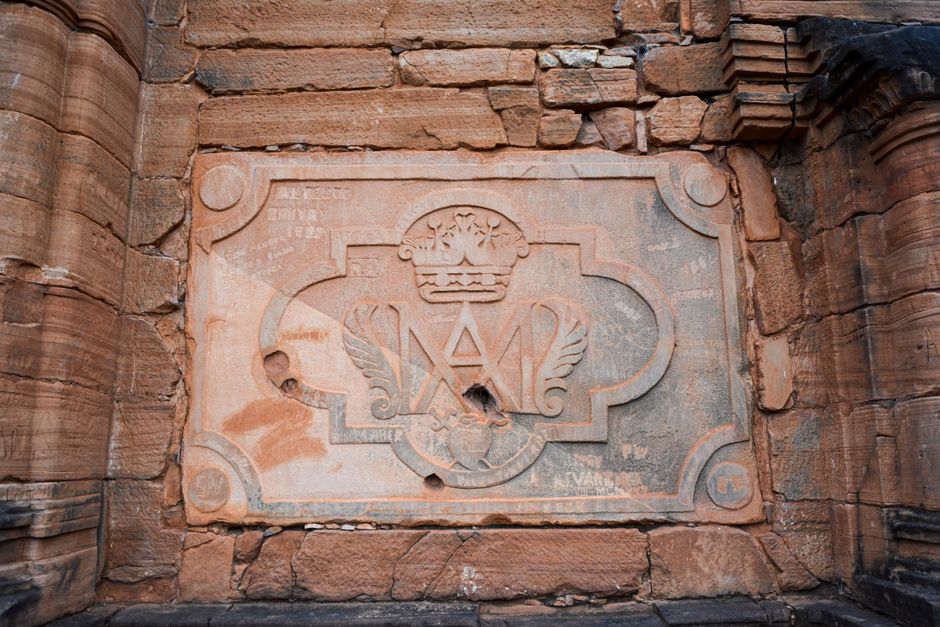
Intricate stone carving at Jesuit Mission ruins in Misiones, Argentina., San Ignacio’s Jesuit Missions, Bolivia
The Food You Can’t Miss
San Ignacio’s cuisine is a delicious collision of the Jesuit pantry and the Chiquitano forest. You’ll taste flavors you’ve never encountered—fruit pulps like achachairú and jocote, smoky dried meats, and corn in dozens of forms. Street food is the soul of this town. Around 6 p.m., vendors set up grills on the plaza selling anticuchos (beef heart skewers) for 7 BOB each—locals swear by the spicy peanut sauce. Seek out the empanadas de queso from the cart outside the church (3 BOB each), filled with local fresh cheese and deep-fried.
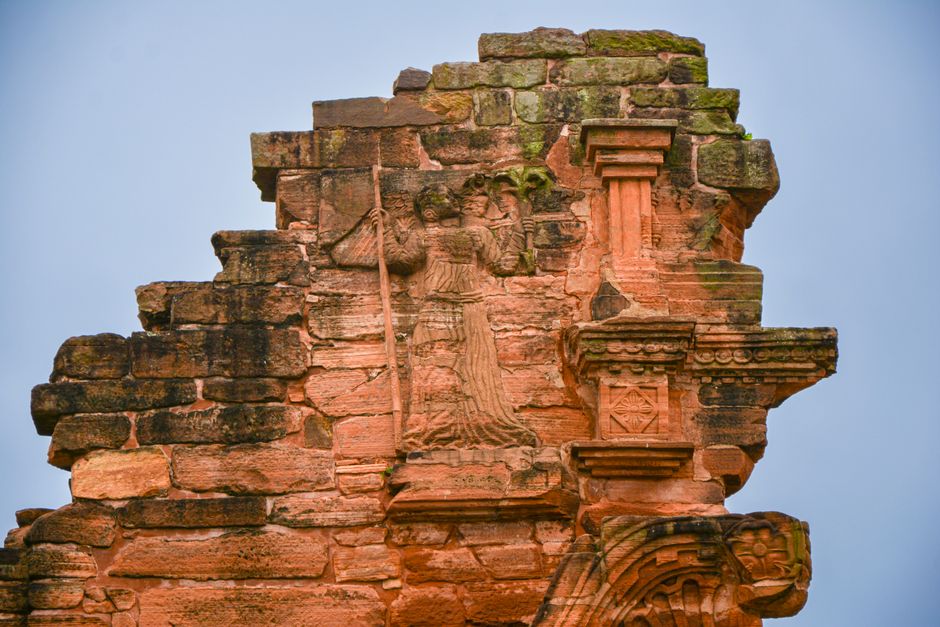
Close-up of historical stone relief at San Ignacio Mini ruins in Misiones, San Ignacio’s Jesuit Missions, Bolivia
For a sit-down meal, you cannot miss El Viejo Tonel—the same spot you had lunch on Day 1. Travelers often return for dinner to try the locro de gallina (hearty chicken and corn stew, 40 BOB). The owner, Doña Rosa, uses her grandmother’s recipe and adds an extra kick of rocoto pepper. Another favorite is La Casona (Calle Ballivián #200), where the pique macho san ignaciano (a platter of beef, sausage, fried potatoes, and boiled eggs in a spicy sauce, 50 BOB) is large enough for two.
Thirsty? Locals recommend chicha de maíz (corn beer) as the quintessential drink. It’s sold in plastic bags from homes with a red flag. Buy one liter for 10 BOB and sip it while watching the sunset from the plaza benches. For non-alcoholic, try mocochinchi—a sweet, spiced peach drink served cold from a giant glass jar, 3 BOB at any market stall.
Where to Stay for the Weekend
Your best bet is to stay within walking distance of the main plaza, where life centers. The character of San Ignacio changes block by block: closer to the church, you’ll hear morning bells; nearer to the market, the chatter of trade. Two neighborhoods stand out:
Around the Plaza Principal – Pockets of European-style colonial buildings belong to Hotel Misión de San Ignacio (Calle Sucre, doubles from 350 BOB/night). The rooms are simple but clean, with a courtyard pool and a restaurant that serves an excellent breakfast of fruit, eggs, and fresh bread. If you prefer a more intimate stay, Casa del Artesano (Calle Potosí #78) is a restored mansion with four rooms, each decorated with Chiquitano weavings (doubles from 400 BOB/night, book via Booking.com).
Near the Market (Calle Comercio) – For budget travelers, Hostal El Descanso (Calle Comercio #34, dorm beds 80 BOB, private room 200 BOB) offers a basic but friendly atmosphere. This area is noisy from 5 a.m. but puts you steps away from the best street food. Check availability on Airbnb for local homestays like Doña María’s house (two rooms, 250 BOB/night) where she teaches travelers to make empanadas.
If you want a touch of wilderness, the eco-lodge El Encanto Lodge (15 minutes outside town, doubles from 500 BOB/night) sits on the edge of the national park. You’ll sleep in wooden cabins with mosquito nets and fall asleep to the sound of howler monkeys. Book directly or through Booking.com.
Before You Go: Practical Tips
- Getting Around: The town is walkable. For the mission church of San Rafael and the waterfall, hire a shared taxi from the plaza (100–150 BOB for a half-day, negotiate before you go). A private driver for the day costs 350 BOB. Locals recommend Taxi San Ignacio (ask at your hotel for their WhatsApp number). Avoid unofficial mototaxis—they charge double to tourists.
- What to Pack: (1) A reusable water bottle (tap water is not safe; buy large 5-liter bottles at the market for 10 BOB). (2) Long pants and sleeves for evenings—mosquitoes become active in the early morning and dusk. (3) A small flashlight (power outages happen in the rainy season). (4) Spanish phrasebook or a translation app (Google Translate works offline if you download Spanish).
- Common Tourist Mistakes: Many visitors skip hiring a guide for the mission interiors—you miss the stories of hidden symbols. Pay 30 BOB for an official guide (ask at the church ticket office). Another mistake is not carrying small bills; many vendors cannot break a 100 BOB note. Change money at the bank (Banco Unión, open 8:30 a.m.–4 p.m. weekdays).
- Money-Saving Tip: Eat lunch at the Mercado Central instead of restaurants. A full menú del día (soup, main dish, and drink) costs only 20 BOB. Compare that to 50–60 BOB at tourist spots near the plaza. The food is just as authentic—try the sopa de maní (peanut soup) from stall #7.

