
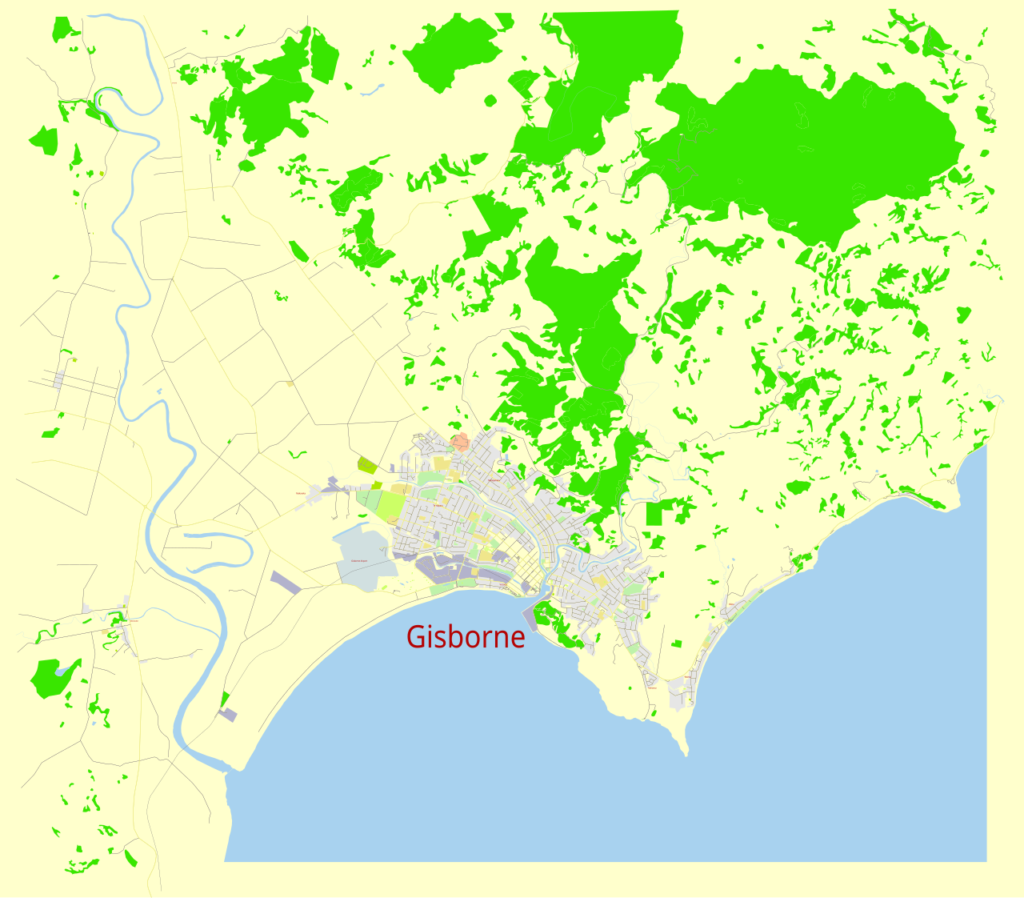
Gisborne, New Zealand Weekend: First Light, Fine Wine, and Pacific Swells (2026)
You feel it before you see it—a faint blush of pink creeping over the horizon at 5:47 am, while the Pacific Ocean whispers against the sand. The air smells of salt, damp earth, and the first espresso brewing at a nearby café. By the time the sun fully crests the water, you’ll already understand why this small East Coast city calls itself the “first city of the sun.” In the next 48 hours, you’ll taste Chardonnay that rivals Burgundy, surf uncrowded breaks, and feast on seafood that was swimming just hours before.
Quick Facts Before You Go
- Best Months: March to May (autumn) for golden weather, harvest season in the vineyards, and fewer crowds; November to February for beach days and summer festivals.
- Currency: New Zealand Dollar (NZD). As of early 2025, $1 USD ≈ $1.65 NZD; $1 EUR ≈ $1.80 NZD.
- Language: English is spoken everywhere. You’ll also hear Māori greetings like kia ora—locals love when visitors try it.
- Budget: Expect to spend $150–$250 NZD per day per person for mid-range meals, a rental car, and a wine tasting or two. Savvy visitors can do $120–$150 by sticking to markets and self-catering.
- Getting There: Fly into Gisborne Airport (GIS) from Auckland (1 hour) or Wellington (1 hour 15 min) with Air New Zealand or Jetstar. Book at Skyscanner. Alternatively, a scenic 4‑hour drive from Napier along State Highway 2.
Day 1: First Light and Vineyard Delights
You start the morning with the city’s most sacred ritual: watching the sunrise from Titirangi (Kaiti Hill). By 6 am you’re standing on the grassy summit, the only sounds are seabirds and your own breathing. As the first rays strike the ocean, you understand why Māori consider this land sacred—it’s the very tip of the Pacific receiving the dawn. After that quiet moment, you descend into the hum of Saturday morning at the Farmers’ Market.
“Timelines” sculpture in Gisborne, Gisborne, New Zealand
- Morning (8–11am): Walk five minutes from Titirangi down to the Gisborne Farmers’ Market at the Showgrounds (145 Gladstone Road). Open Saturdays 8:30 am–12:30 pm. Grab a flat white from The Coffee Guy ($5.50) and a wood‑fired flatbread from the Pizza Gisborne stall ($12). Live acoustic guitar floats through the air as you browse stalls of organic produce, local honey, and artisan cheeses. Locals recommend the Gisborne Olive Oil Co.’s infused varieties—buy a bottle to take home.
- Lunch: Head to The Marina Restaurant (29 The Esplanade, 11:30 am–2:30 pm). Order the market fish of the day, pan‑seared with a caper butter sauce ($34). Sit on the deck overlooking the inner harbour—you’ll see fishing boats unload the very fish you’re eating. Tip: the oysters (half dozen, $18) are plump and briny, direct from the coast.
- Afternoon (1–5pm): Start at the Tairawhiti Museum (10 Stout Street, open 10 am–4 pm, $10 donation). The Māori exhibits include a full‑sized wharenui (carved meeting house) from 1880. Then drive 10 minutes to Millton Vineyards (119 Papatu Road, Manutuke). Book a 2 pm tasting ($15 per person). This biodynamic estate produces stunning Chenin Blanc and Syrah. Winemaker James Millton is a legend—ask to see the clay‑amphora aging room if he’s around. End the afternoon at Matawhero Wines (8 Lytton Road, 10 minutes back toward town) for a glass of their Gewürztraminer ($12) on the sunny lawn.
- Evening: Dinner at Pacifica (50 The Esplanade, book ahead for the 6 pm or 8 pm sitting; prix‑fixe $89 per person). Chef Alistair Schultz creates a six‑course journey through the region: think kina (sea urchin) panna cotta, dry‑aged duck with local cherries, and a passionfruit sorbet that tastes like a tropical sunrise. The dining room is intimate—only 12 seats—so the atmosphere feels like a private supper club in the chef’s home.
Day 2: Surf, Sand, and Sunset Swims
Your second day has a different rhythm—salt water and a lazy afternoon. Travelers often discover that Gisborne’s east‑coast location means consistent swells and uncrowded line‑ups. You’ll trade the vineyard tour for a surfboard, then explore the rugged coastline before a farewell feast that celebrates the ocean’s bounty.

Photo of grey and brown dock, Gisborne, New Zealand
- Morning (7–10am): Meet the team at Gisborne Surf School (32 The Esplanade, Waikanae Beach). They run a 2‑hour beginner lesson every day at 8 am for $65, including wetsuit and soft‑top board. Your instructor, a local named Hemi, will teach you to paddle into the long, rolling waves that peel perfectly along the point. Even if you never stand up, the experience of floating in the Pacific while the sun warms your shoulders is worth every dollar. After your session, walk two minutes to The Common Room (29 The Esplanade) for a bacon‑and‑egg sandwich on sourdough ($16) and a cold‑brew coffee ($6).
- Midday (10am–1pm): Drive 20 minutes north to Rere Rockslide (end of Rockridge Road). This natural water slide is a 60‑metre flat granite chute with a continuous flow of cool stream water—locals have been sliding down it for generations. Insider tip: arrive before 11 am to have it almost to yourself (afternoon can be busy with families). Bring an old towel or a boogie board for extra speed. It’s free, and there’s a picnic area under the pōhutukawa trees. Pack a bag of cherries from the roadside stalls on your way back.
- Afternoon (1–5pm): Head to Gisborne Wine Centre (44 Gladstone Road, open till 6 pm). This charcuterie‑filled tasting room lets you sample 10–12 wines from over 20 local producers for a flat $20—the best value in town. Ask for a side of the smoked kahawai pâté ($12). Afterward, explore the street art scene: pick up a free map from the i‑Site visitor centre (209 Grey Street) and wander the laneways off Gladstone Road to find murals by Māori and Pasifika artists. Don’t miss the giant kiwi and the taniwha (water dragon) on the side of the old post office.
- Final Evening: Your farewell dinner is at The Rivers Restaurant (31 The Esplanade, 6 pm onward). Request a table on the outdoor deck as the sun sets over the harbour. The signature dish is the whole flounder, pan‑fried with brown butter and capers ($38). For a lighter option, the raw fish salad—ika mata—with coconut cream and lime ($24) is a classic Māori‑Pacific fusion. Finish with a glass of local pinot gris and watch the boats bob in the twilight.
The Food You Can’t Miss
Gisborne’s food story is written in the soil and the sea. The city sits at the same latitude as France’s Rhône Valley, which is why its Chardonnay and Viognier have a cult following among New Zealand wine lovers. But the real star is the kaimoana (seafood). Travelers often discover that the best way to taste it is at the Gisborne Fishermen’s Wharf (breakfast and lunch only, check Facebook for times). You can buy fresh‑caught snapper directly from the boat, or order a crayfish (spiny lobster) from the whiteboard for around $35. The fisherman himself will grill it for you on the spot, served with a wedge of lemon and a handful of potato chips.

Green grass on seashore during daytime, Gisborne, New Zealand
For a restaurant experience, Pacifica (mentioned above) is the pinnacle, but if you want something more casual, try The Barrel (51 The Esplanade). Their battered blue cod and chips ($18) is the local gold standard—crispy, not greasy, and served with a view of the waves. On Sunday mornings, head to Barkers Fruit World (58 Gladstone Road) for a giant fruit scone ($7) and a juice blend of local feijoa and apple. Warning: the feijoa taste is addictive, and you’ll end up buying a bottle of syrup to take home.
Street food wise, the Māori Food Truck (parked near the Sunday market or at the Marina on Friday evenings) does a pork and watercress hāngi pie ($10) that locals recommend as the ultimate comfort food. The pastry is buttery, the filling smokey from the traditional earth oven. Wash it down with a L&P soda (the classic Kiwi lemon drink, $3 at any dairy).
Where to Stay for the Weekend
For a weekend break, you want to be within walking distance of the Esplanade and the main cafés. The Esplanade neighbourhood (especially around Waikanae Beach) is your best bet—it’s flat, safe, and you can roll out of bed to the shoreline. Mid‑range options: Emerald Hotel (31 The Esplanade, rooms from $170 NZD per night) offers clean, motel‑style units with a small kitchenette—handy for breakfast. If you prefer a home‑away‑from‑home, Airbnb in the “Town Centre” area has studio apartments starting around $130 NZD. Book via Airbnb.
For a splurge, Pacific Harbour Lodge (11 Reads Quay, from $250 NZD) has lagoon‑side suites with private balconies overlooking the marina. The on‑site hot tub is perfect after a day of surfing. Alternatively, look at Booking.com for the Gisborne Beachfront Holiday Park—they have comfortable cabins ($100 NZD) right on the sand if you’re on a tighter budget. Whichever you choose, book early during summer months (December–February) as Gisborne fills up fast.
Before You Go: Practical Tips
- Getting Around: Rent a car from Avis or Thrifty at the airport ($60–$80 NZD per day). Buses are infrequent; taxis and Uber are available but limited. A rental gives you freedom to reach the vineyards and Rere Rockslide.
- What to Pack: (1) A swimsuit and rash guard for surfing and the rock slide. (2) A windproof jacket—coastal breezes can be chilly even in summer. (3) Sunscreen with SPF 50+—the NZ sun is brutal (most tourists underestimate it). (4) A reusable water bottle—tap water is pure and delicious.
- Common Tourist Mistakes: Don’t assume the sun rises at 6 am year‑round—check the exact time (it can be 5:20 am in December). Also, many visitors skip the Eastwoodhill Arboretum (25 min drive) thinking it’s “just trees”—it’s actually the largest collection of northern hemisphere trees in the Southern Hemisphere, stunning in autumn.
- <strong

