
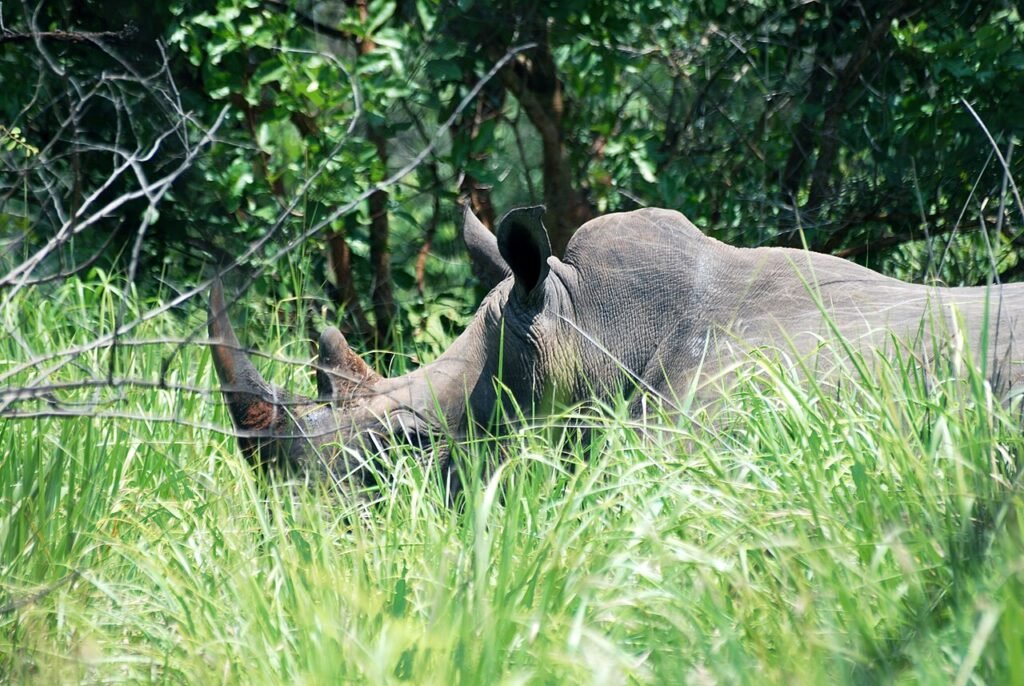
Ziwa Rhino Sanctuary, Uganda on a Budget: How to Walk with Rhinos for $55/Day (2026)
While Zambia’s South Luangwa National Park charges upwards of $150 per person for a single game drive, Ziwa Rhino Sanctuary in Uganda offers you the chance to walk within metres of wild white rhinos for just $55 per person — and that covers your full rhino tracking permit, not just a glimpse from a distant vehicle. Travelers consistently rank this as the best wildlife value in East Africa: a guaranteed sighting of one of the world’s most endangered mammals in a 70-square-kilometre protected wetland forest, with no hidden fees and no disappointment. Your best bet for a budget safari that doesn’t skimp on the magic starts right here.
7 Free Things to Do in Ziwa Rhino Sanctuary, Uganda
- Self-Guided Nature Walks: The sanctuary has several marked trails that weave through acacia woodland and papyrus swamps. Start from the main office at 7 a.m. when bird activity peaks. You’ll spot the rare shoebill stork if you’re lucky, and the trails are completely free. Your best bet is the 3-kilometre River Walk, which follows the Lugogo River and offers excellent views of waterbuck and Uganda kob grazing along the banks.
- Bird Watching at the Hide: Near the sanctuary entrance, a small wooden hide overlooks a permanent waterhole. It’s free to use at any hour, but locals recommend arriving at dawn (6–7 a.m.) when over 40 bird species come to drink. You’ll see African fish eagles, grey crowned cranes, and sometimes a pair of wattled cranes. Bring binoculars if you have them – travelers often discover they spot more species than they expected.
- Visit the Rhino Orphanage: The sanctuary’s small orphanage area houses young or injured rhinos that are being rehabilitated. You can observe them from a safe distance at no cost. The best times are 11 a.m. or 4 p.m. when the keepers talk about their care routines. It’s located 200 metres east of the main office – just follow the signs.
- Guided Ranger Walk (Free with Camping): If you camp at the sanctuary, you’re entitled to a free 1-hour guided walk with a ranger. They’ll point out medicinal plants, termite mounds, and animal tracks. This is a hidden perk that most tourists overlook. Ask at reception when you check in, and they’ll arrange a ranger to meet you at 9 a.m.
- Photography at the Sunset Point: A short 15-minute walk from the campsite leads to a raised wooden platform overlooking the open plains. It’s the best free sunset spot in the sanctuary. Bring a camera and arrive by 5:30 p.m. – you’ll capture rhinos silhouetted against orange skies. Seasoned travelers bring a small flask of tea to make the most of the hour-long golden light.
- Community Village Tour: The nearby village of Kafu, about 1 kilometre from the sanctuary gate, welcomes visitors to walk through its markets and farms. You’ll see how locals weave baskets, grind cassava, and keep goats. No fee is charged, though you’ll likely be invited to buy a handwoven basket for $2–$3. Most visitors find this free cultural exchange more memorable than any paid activity.
- Stargazing by the Campsite: With zero light pollution, the sanctuary offers exceptional night skies. The campsite has open areas where you can lie out after 8 p.m. and watch for shooting stars. The dry season (December–February and June–August) offers the clearest views. Bring a blanket and a star map app – travelers often report seeing the Milky Way with the naked eye.
Cheap Eats: Where Locals Actually Eat
Sanctuary Restaurant (Inside the Park): This simple canteen sits near the main office and serves breakfast, lunch, and dinner. Locals recommend the posho (maize porridge) with groundnut sauce for $2.50 or the chapati with beans for $1.80. It’s open from 7 a.m. to 8 p.m. daily. The coffee is $0.50 and comes with fresh goat’s milk from nearby farms. Your best bet for a filling lunch is the matoke (steamed green bananas) with beef stew for $3.20 – it’s the same dish you’d get in a Kampala restaurant for double the price.
Kafu Market Food Stalls: A 10-minute walk from the sanctuary gate, the weekly Monday market in Kafu village has three women selling home-cooked food from large pots. You’ll find rolex – a rolled chapati with eggs and vegetables – for $0.80, and fresh grilled tilapia for $1.50. The stalls operate from 8 a.m. until 2 p.m. on market days. Travelers who plan their visit around Monday mornings save up to $8 per meal compared to restaurant prices.
Nakasongola Town Eateries: About 20 kilometres south of the sanctuary, Nakasongola town has several small kikibos (simple eateries). Caltex Food Stop on the main road serves nyama choma (grilled meat) with ugali for $3.50 – the goat meat is particularly good. Mama Grace’s near the bus park offers a lunchtime buffet of beans, rice, and vegetables for $2.00. These places are busiest between 12 p.m. and 2 p.m. when local workers eat. Arrive early for the freshest options.
Self-Catering at the Campsite: The sanctuary campsite has a communal kitchen with a gas stove, pots, and running water. You can buy fresh produce at the Kafu market – tomatoes ($0.30 per kilo), onions ($0.20 per kilo), and eggs ($0.10 each). A simple pasta or rice meal costs under $1 per person. The campsite also has a small shop selling basics like cooking oil and salt for budget-friendly prices.

Ziwa Rhino Sanctuary, UGANDA
Getting There Without Going Broke
- Cheapest Route: From Kampala, take a shared taxi (minibus) from the New Taxi Park in downtown Kampala to Nakasongola town. The fare is $4.50–$5.00 per person and the journey takes about 2.5 hours. From Nakasongola, hire a boda-boda (motorcycle taxi) for $2.00 to cover the 20 kilometres to the sanctuary. Total cost: $7.00 one way. The minibuses depart every 30–45 minutes from 6 a.m. to 6 p.m.
- Pro Tip: Book your rhino tracking permit online at least 48 hours in advance through the Uganda Wildlife Authority website. Walk-in permits are sometimes unavailable on weekends, and online bookings cost the same $55 but guarantee your slot. You’ll also save $5 by not paying the last-minute booking surcharge that appears on busy days.
- From the Airport: Entebbe International Airport is about 190 kilometres from Ziwa. The cheapest option is to take a public bus from Entebbe to Kampala’s New Taxi Park for $1.50 (45 minutes), then connect to a shared taxi to Nakasongola as above. Total cost: $8.50–$9.00 per person. A taxi directly from the airport costs between $80 and $100 – you save over $70 by using public transport.
Compare flights to Uganda at Skyscanner
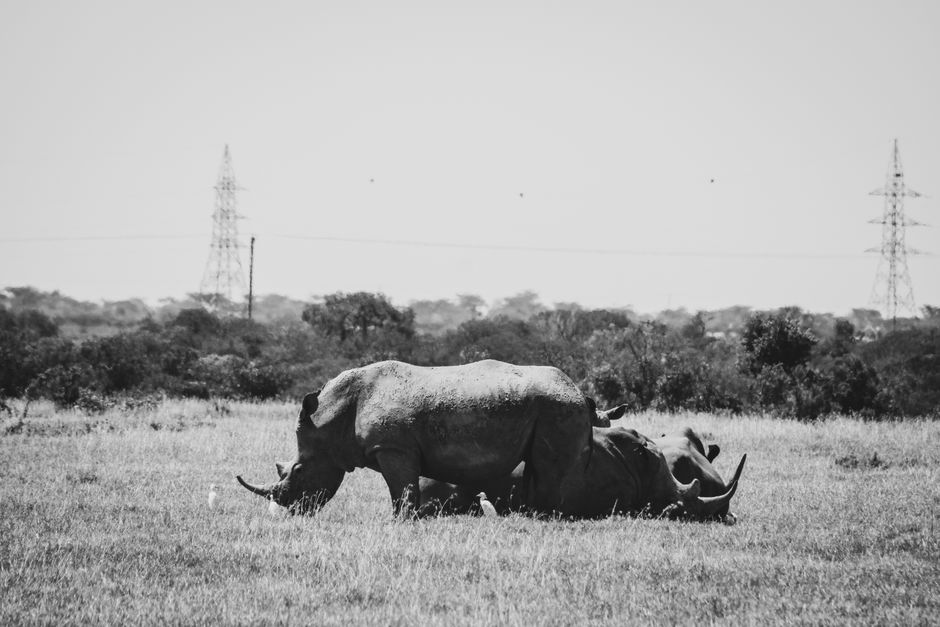
Black and white photograph of rhinos grazing in the African savanna, Ziwa Rhino Sanctuary, Uganda
Budget Accommodation Guide
Inside the Sanctuary: The Ziwa Rhino Sanctuary Campsite is your cheapest option, costing $15 per person per night for a tent pitch. You’ll have access to clean pit latrines, a cold-water shower, and a communal kitchen. The campsite is located 300 metres from the main office, near the river. You can bring your own tent or rent one for $5 extra. Travelers often discover that camping here puts you right next to the rhino enclosure – you’ll hear them breathing and moving at night.
Amuka Safari Lodge (Budget Bandas): This newly built eco-lodge sits just inside the sanctuary boundary. The budget bandas cost $35 per person per night and include a simple bed, mosquito net, and a shared bathroom with hot water. Breakfast is an extra $5. The staff are friendly and can arrange rhino tracking for you. Book directly through their website for a 10% discount. Most budget-conscious travelers prefer this over the campsite for the hot showers and proper mattresses.<!–

Detailed close-up of an endangered rhinoceros in its natural habitat., Ziwa Rhino Sanctuary, Uganda

