
Río Plátano Biosphere Reserve, Honduras Weekend:
Jungle Rivers, Waterfall Treks & Garifuna Rhythms – A Wild 48 Hours on the Caribbean Coast (2026)
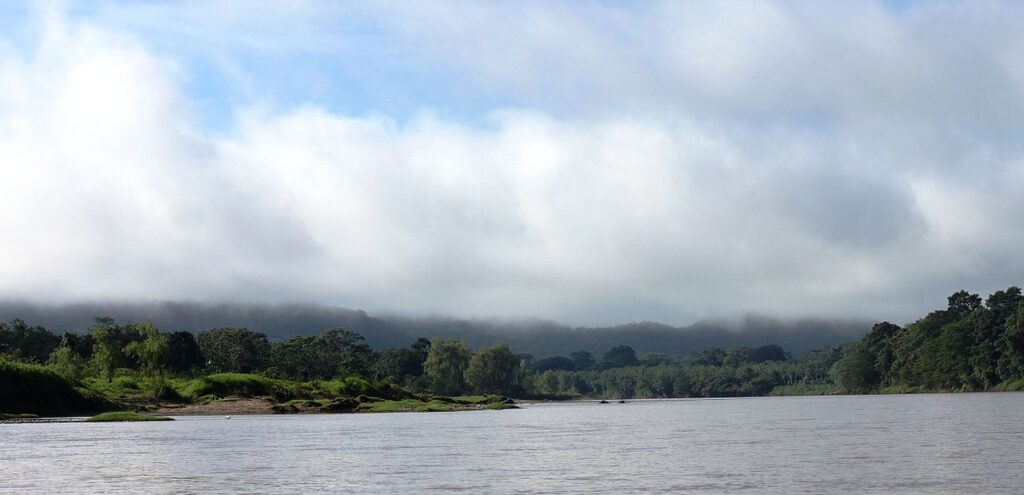
The wake-up call isn’t an alarm—it’s the deep, guttural roar of a howler monkey shaking the humid dawn air at 5:30 AM, followed by the sharp, rhythmic beat of a Garifuna drum from a village a quarter-mile up the riverbank. You push open the wooden shutters of your ecolodge cabin to see the mist rising off the Río Plátano itself, a wide, coffee-brown artery of water that has carved this rainforest over millennia. The air smells of wet earth, crushed heliconia leaves, and the faint, charcoal tang of a morning fire. This is not a relaxing beach weekend—this is an immersion into one of Central America’s last true wildernesses, and you have just 48 hours to taste it.
Quick Facts Before You Go
- Best Months: February through April (driest weather with clear trails and calm rivers) or November–January (lush green season with fewer mosquitoes and lower humidity). Avoid May–October for heavy rains and swollen rivers.
- Currency: Honduran Lempira (HNL). Exchange rate is roughly 24.5 Lempira to 1 USD. US dollars are widely accepted in gateway towns like Palacios and La Ceiba, but bring small denominations for village purchases.
- Language: Spanish is the official language. In the reserve’s Garifuna and Pech communities, local languages are spoken. English is rarely spoken beyond basic phrases in tourist-friendly areas—learning “¿Cuánto cuesta?” (how much) and “gracias” will go a long way.
- Budget: $60–90 per day per person for accommodation, meals, local guides, and transport inside the reserve. A knowledgeable community guide costs about $30–40 for a half-day. Entry fees to the reserve are about 200 Lempira ($8).
- Getting There: Fly into La Ceiba (LCE) or Tegucigalpa (TGU). From La Ceiba, take a domestic flight (Aerolíneas Sosa, about $80 one-way) to Ahuas or Palacios, or a 3-hour bus to Palacios. Book flights at Skyscanner. Plan to arrive in Palacios by midday Thursday or Friday to maximize your two days.
Day 1: The River That Owns the Jungle
Your first morning in Palacios feels like the jungle has swallowed you whole. You meet your guide, a Pech man named Carlos who has lived at the edge of the reserve for 47 years, at 7:30 AM. His boat—a narrow, wooden cayuco with a small outboard motor—is moored to a palm tree. “The river is the only road,” he says, grinning. “No traffic jams.” You push off into the Río Plátano’s main channel, the engine’s whine cutting through the thick air, and within ten minutes you are completely surrounded by rainforest. Travelers often discover that the reserve’s name—”Banana River”—comes not from the fruit but from the plantain-like leaves that line its banks. By 9 AM, you’ve already spotted a green ibis, two howler monkeys, and a caiman sunning itself on a fallen log. The river is wide here, about 60 meters across, and the water is the color of strong tea from the tannins of decomposing leaves.
- Morning (8–11am): Guided boat tour of the lower Río Plátano. Launch from Palacios at 8 AM with a licensed community guide (ask at the Palacios visitor center, 9 Lempira entry fee included in guide cost). The tour costs about 400 Lempira ($16) per person for 3 hours. You’ll travel about 12 kilometers upriver, passing the confluence with the Río Sico and stopping at a Garifuna village called Corozal, where you can watch a short drumming demonstration (tips expected, about $3–5). Bring binoculars, water, and a waterproof pouch for your phone—the spray can be sudden if the boat hits a wave.
- Lunch: At Doña Elsa’s Comedor in Palacios, a screened-in porch overlooking the river. The must-order dish is *tapado*, a Garifuna coconut-based seafood soup loaded with fresh fish, plantains, and yucca. The bowl is enormous, the coconut milk laced with a hint of Scotch bonnet pepper. Cost: 150 Lempira ($6). Drink the *agua de coco* straight from a young green coconut—she’ll chop the top off with a machete at your table. Travelers often swear it’s the best meal of their entire trip to Honduras.
- Afternoon (1–5pm): Hike into the buffer zone on the Sico River trail. Carlos leads you along a narrow path that climbs through primary forest where the canopy is so dense that only 2% of sunlight reaches the floor. You’ll spot strangler figs, mahogany trees, and if you’re lucky, the tracks of a white-lipped peccary or a Baird’s tapir. The highlight is a small waterfall called La Ruidosa (“The Noisy One”), a 12-meter cascade that drops into a deep, cool swimming hole. The 45-minute hike is moderately steep but manageable. The reward is a swim in water so clear you can see the rounded pebbles 4 meters down. Cost: free with guide (guide fee covered in morning). Return to Palacios by 4:30 PM.
- Evening: Dinner at El Estero Lodge, a family-run ecolodge on the north bank of the river. The atmosphere is magical—kerosene lanterns flicker on the wooden deck, and the sound of the river is a constant, hushing whisper. Order the *pescado entero frito* (whole fried fish, 200 Lempira/$8), caught that afternoon from a local fisherman, served with rice, beans, and fried plantains. Follow it with a Honduran *licuado* of soursop and milk. After dinner, Carlos might offer a short night walk (100 Lempira/$4 per person) where you’ll see frogs, spiders with reflective eyes, and the ghostly outline of a sleeping heron. The sky has no light pollution—the Milky Way is a visible, shimmering cloud.

Eigen werk, Rio Platano, juli 1994, Río Plátano Biosphere Reserve, Honduras
Day 2: In the Footsteps of the Pech
By the second dawn, you’ve already accepted that this place operates on its own rhythm. You wake to the sound of children laughing somewhere downstream and the rhythmic thump of a pestle grinding corn. Today, you venture deeper into the reserve’s buffer zone, to the Pech community of Las Marías, a village of about 120 people that sits on a hill overlooking a tributary. Travelers often say this is where the real magic of the reserve lies—not in the famous waterfalls or the river tours, but in the quiet, daily interactions with the people who have lived here for centuries. The trail to Las Marías is a journey itself, winding through groves of cacao and banana trees where the air is thick with the scent of ripe fruit and decaying flowers.
- Morning (6:30–9am): Start early with a local breakfast at Comedor Doña Rosa in Palacios. The specialty is *baleadas*—Honduran street food par excellence. Doña Rosa’s version is a thick, handmade flour tortilla folded around refried red beans, crumbled queso duro (hard cheese), and optional fresh avocado. You eat three, standing at her counter. Cost: 40 Lempira ($1.60) for three. You’ll drink *pinol*, a sweet roasted corn drink served cold, which is a local staple.
- Midday (9am–12pm): Visit the Pech community of Las Marías. From Palacios, it’s a 25-minute tuk-tuk ride (call ahead via your guide, about 150 Lempira/$6 round trip). You’ll arrive at the village entrance, where a community guide named Juana meets you. She shows you how to weave a basket from palm fronds, explains the use of medicinal plants (like the sap that stops a toothache, and the leaf that treats a snake bite), and takes you to the “mountain kitchen”—an outdoor cooking area where you can taste *yuca* boiled in coconut milk with cinnamon. The best part: Juana demonstrates how to grind cacao beans into a paste using a traditional stone metate. The resulting drink, *chocolate de agua*, is bitter, frothy, and unlike anything you’ve had in a café. Cost: The community charges a 100 Lempira ($4) entrance fee per person, plus a guide fee of 200 Lempira ($8). This money goes directly to the village’s education and health fund. Insider tip: Visit before 10 AM to avoid the heat and the small tour groups that sometimes arrive from La Ceiba.
- Afternoon (1–4pm): Explore the artisanal market at Palacios’s central square, a small concrete plaza with four stalls under a corrugated metal roof. Here you’ll find hand-carved wooden figurines (200–400 Lempira, $8–16), woven bags made from natural fibers (150 Lempira, $6), and bottles of *guaro*—the local sugarcane spirit—infused with wild ginger or anise (100 Lempira, $4). Locals recommend buying directly from the women who weave the textiles, not the middlemen, as prices are fairer and the bargaining is friendly. Don’t skip the stall selling *cacao nibs* and *dried jungle spices*—a bag of allspice and wild vanilla beans costs 50 Lempira ($2) and will transform your tea for months.
- Final Evening: Your farewell dinner at Casa del Río, a small restaurant built on stilts over the river’s edge. The atmosphere is pure, unscripted jungle theater: candlelight flickers on the polished wood tables, and the open walls let in the night air and the sound of the river. The signature dish is *ceviche de tilapia* made with coconut milk and lime, served in a half coconut shell (180 Lempira, $7). For a main course, order *pollo con tajaditas*—fried chicken with green plantain chips and a tangy cabbage slaw (200 Lempira, $8). Cap the meal with a glass of *crema de cacao*—a creamy, homemade chocolate liqueur that tastes like a melted truffle (50 Lempira, $2). As you sit, a bat swoops past your head, hunting insects drawn to the candlelight. The waitress, unfazed, says, “He’s a regular.”
Tranquil view of Boca Tapada’s lush landscape with a reflective lake and vi…, Río Plátano Biosphere Reserve, Honduras
The Food You Can’t Miss
Food in the Río Plátano Biosphere Reserve is not fancy—it’s the honest, bold cuisine of the rainforest and the coast. Travelers often fall hard for the Garifuna influence, which brings coconut milk, plantains, and fresh seafood together in ways that feel both exotic and comforting. You will find *tapado* at nearly every comedor, but the version at Doña Elsa’s in Palacios (150 Lempira, $6) stands out for its depth of flavor—the fish is caught that morning, the coconut milk is pressed from fresh fruit, and the broth gets a gentle kick from a whole chili simmered in the pot. It’s a meal that wraps around you like a warm blanket on a humid evening.
A tranquil view of a boat on a lake surrounded by lush mountains in Honduras., Río Plátano Biosphere Reserve, Honduras
Street food in Palacios is a revelation. Around 5 PM each day, a woman named Señora Marta sets up a cart on the road leading to the boat dock. She sells *pastelitos de carne*—small, deep-fried turnovers filled with spiced ground beef and diced potatoes, served with a smear of hot sauce and a squeeze of lime. They cost 10 Lempira ($0.40) each, and you’ll find yourself buying six. Her other specialty is *ensalada de frutas*—fresh mango, papaya, and watermelon tossed with lime juice and chili powder, served in a plastic bag with a straw. Cost: 15 Lempira ($0.60). Locals recommend buying a bag of this to eat while watching the sunset over the river—the colors are extraordinary, a mix of tangerine, magenta, and gray.
For a sit-down meal that captures the reserve’s culinary soul, head to El Estero Lodge on the north bank. Their *plato típico*—grilled fish, rice and beans, fried plantain, and a small salad—is the benchmark meal. But the secret to experience here is to order the *sopa de mondongo* (tripe soup) if it’s available. It’s a Saturday special, served with a side of limón and a pile of hot tortillas for dunking. The broth is rich, beefy, and deeply restorative after a day of hiking. Cost: 180 Lempira ($7). Trust the process.
Where to Stay for the Weekend
Your best bet is to base yourself in the small village of Palacios, the main gateway to the reserve. It’s not a resort town—think sandy streets, dogs asleep in the shade, and homes on stilts—but it offers the most convenient access to the river, guides, and community tours. Two standout options:
Casa del Río Ecolodge – This is the most comfortable spot in town. Six wooden cabins with solar-powered lights, screened windows, private bathrooms with

