
Chikhaldara, India for Adventurers: 7 Treks That Put the Alps to Shame (2026)
You push aside a fern frond dripping with morning dew, and the valley floor drops away 300 meters below. The wind carries the scent of wild turmeric and damp earth. Your boots cling to the laterite trail as a langur leaps overhead, and from the rim of the escarpment, you see the satpura hills roll on like green waves. This is not Switzerland – it’s Chikhaldara, and the real adventure hasn’t begun.
The Main Event: Mogdha Waterfall Trek
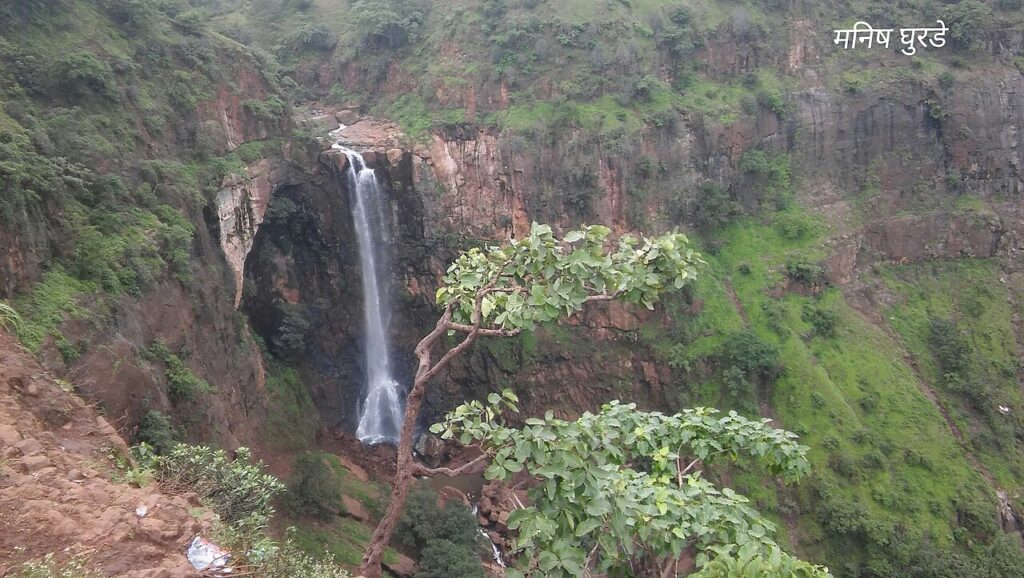
Most tourists drive straight to the viewpoints, but savvy visitors know the real pulse of Chikhaldara lies in the descent to Mogdha Falls. You start from the Mahadev Temple parking lot (just 500 meters past the Melghat tiger reserve gate). The trail drops 450 vertical meters over 3.2 kilometers, a steady gradient that will test your quads. Plan for 2.5 to 3 hours down, another 3 hours back up with breaks. Start by 7:00 AM to avoid the midday heat – by 10:30 AM the sun turns the gorge into a steam bath. You’ll need at least 2 liters of water, trail snacks, and trekking poles because the final 300 meters is a boulder scramble beside the falls.
Difficulty is moderate-hard, and you can hire a local guide for ₹800–1,000 (book through the Melghat Eco-Tourism office near the bus stand). The reward? A 60-foot multi-tier cascade that plunges into a plunge pool deep enough for a dip – locals call it “Bhim’s Bath.” The secret: stay on the left bank and climb the second level; from there you’ll get a view of the entire amphitheater that few trekkers ever see. Seasoned travelers bring a dry bag for their phone – you’ll want photos from the spray zone.
Activity #1: Mogdha Waterfall Trek – The Full Breakdown
You’ll need proper planning. The trailhead is at Gavilgarh Fort, a 17th-century Maratha stronghold that itself merits an hour. From the fort, follow the marked path downhill – it’s maintained by the Forest Department, but after the first kilometer it narrows to a single track. The best season is October to February; by March the waterfall reduces to a trickle. Book your guide through the official Melghat Forest Tourism counter (open 9 AM–5 PM, phone +91 7264 242 284) – they provide a certified naturalist who can point out sloth bear signs and the rare Malabar pied hornbill. You will want to start at 6:30 AM for the optimal light – the sun hits the falls at exactly 8:15 AM, creating a rainbow that spans the gorge. Bring waterproof hiking shoes; the last 200 meters involve crossing a stream that gets slippery. Most travelers overlook the side trail to a small cave halfway down – ask your guide to show you “Shiva’s Seat,” a natural rock formation where locals leave offerings.
Activity #2: Paragliding at Bhimkund Plateau
If trekking works your legs, paragliding fires up your adrenal glands. Bhimkund Plateau, 6 km from the main town, offers a launch site at 1,200 meters above sea level with a consistent thermal lift from the valley. You’ll book with a licensed operator like Sky Explorers Chikhaldara (₹2,500 for a 15-minute tandem flight, includes GoPro video). The best window is 9:00–11:00 AM when the winds are steady. You’ll be strapped in by an experienced pilot, then it’s a five-step run off the edge – and suddenly the entire Melghat Tiger Reserve unfolds beneath you. On clear days you can spot the Tapi River snaking to the west. The landing zone is a grassy field next to Bhimkund’s picnic spot; you’ll be back in town by noon. Locals recommend wearing closed shoes and not eating a heavy breakfast – the spiral descent can churn your stomach. Note: paragliding is weather-dependent; call the operator the night before to confirm. If conditions are poor, the zipline (Activity #3) is a worthy backup.

Chikhaldara Road, Chikhaldara, India
Refuel: Where Adventurers Eat
After a day on the trail, you’ll crave protein and spice. Start at Hotel Durga (near the bus stand, open 7 AM–10 PM) for the best sabudana khichdi in the hills – ₹120 a plate, and they serve it with a wedge of lemon and roasted peanuts. For a heavier meal, Green Valley Restaurant (just off the main square) does a fiery chicken Kolhapuri (₹280) that locals swear by; ask for the “bone-in” version. If you’re vegetarian, Shivam Family Restaurant serves a thali with seven vegetable dishes, dal, and unlimited rotis for ₹180 – come hungry. For a post-activity snack, Bhim Nagar Tea Stall (opposite the forest office) has cutting chai at ₹10 and onion pakoras that disappear by 5 PM. Travelers often discover that the best food comes from the small dhabas along the Melghat road – stop at Satpura Dhaba for paneer bhurji with soft phulkas (₹150). The key: ask for “less oil” unless you want the fiery Maratha version.
Base Camp: Where to Stay
For active travelers, proximity to the trails matters. Melghat Forest Rest House (book via mahatourism.gov.in, rooms from ₹1,500) sits 200 meters from the Mogdha trailhead and offers early breakfasts if you request the night before. They have a gear storage area and hot water from 6 AM. Wild Heaven Retreat (private, on Booking.com – check availability) is 3 km from town but has a dedicated trekking shuttle and rents tents for ₹800 per night if you want to feel closer to the forest. For budget-conscious climbers, Chikhaldara Youth Hostel (dorm beds ₹350) has lockers and a communal kitchen – perfect for pre-dawn starts. All three allow you to leave gear at reception while you’re out on multi-hour adventures.

A forest filled with lots of trees and grass, Chikhaldara, India
Getting There & Around
- Flights: Nearest airport is Nagpur (240 km, 5 hours drive). Direct flights from Delhi, Mumbai, and Bangalore. Book at Skyscanner. From Nagpur, you can hire a shared jeep (₹400 per person) or rent a car for ₹2,500 one-way.
- Local Transport: The main town is walkable, but to reach trailheads you’ll need a private auto-rickshaw ( ₹200–300 per trip to Bhimkund or Semaldoh). Most guesthouses can arrange a driver for a full day (₹1,200).
- Best Season: October to February offers clear skies, cool temperatures (5–20°C), and active waterfalls. March–April is hotter but excellent for birding. Avoid June–September; heavy monsoon makes trails dangerous and leech-infested.
Is Chikhaldara, India Worth It?
Absolutely – but with one caveat. If you’re a hardcore trekker who measures altitude in thousands of meters, Chikhaldara’s highest point is only 1,138 m, and the longest continuous trail is 12 km. That said, what it lacks in elevation it makes up for in raw, untamed beauty. The trails here feel ancient, and you’ll often have them to yourself – a sharp contrast to crowded Himalayan routes. Travelers who love wildlife viewing, forest bathing, and authentic village encounters will fall for Chikhaldara. Locals recommend it over Matheran or Khandala for those who want actual physical exertion. You might not break altitude records, but you’ll return home with a new appreciation for the Satpura mountains. If you’re looking for a weekend adrenaline fix without international flight costs, this is your spot. Go in November for the best mix of open skies, manageable trails, and empty waterfalls.

A waterfall in a green valley, Chikhaldara, India

