
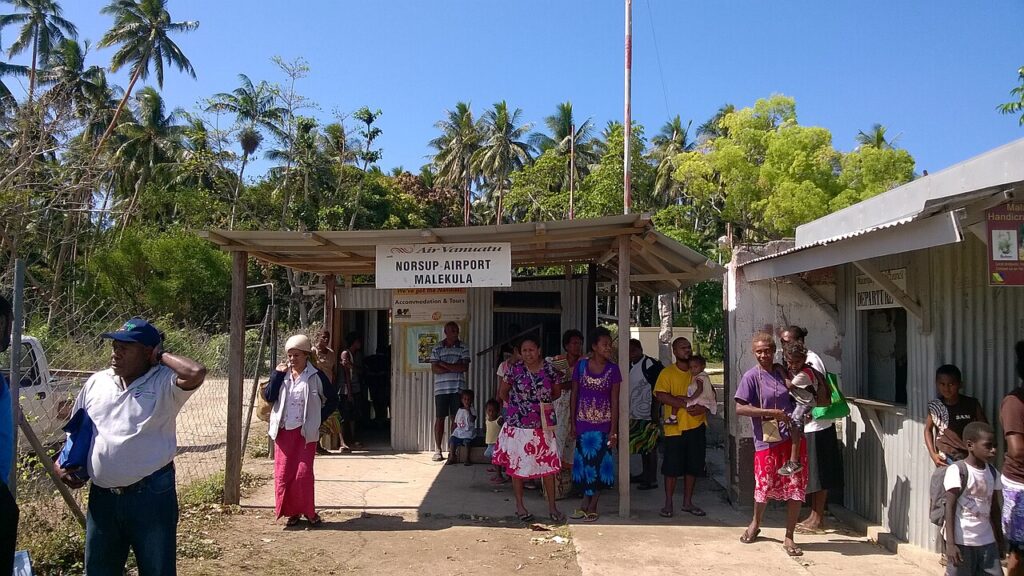
Norsup, Vanuatu Weekend: Volcano Views, Ancient Nambas & The Best Kava on Malekula (2026)
The creak of the palm fronds overhead blends with the distant rhythm of the Pacific as you step off the Air Vanuatu Twin Otter onto Norsup’s airstrip. That first inhale hits you — a thick, sweet scent of frangipani and wood smoke from a nearby village, tangled with the earthy pungency of freshly pounded kava root. Travelers often discover that this small clearing on Malekula’s eastern coast isn’t just an airport; it’s the gateway to one of Vanuatu’s most culturally intact islands. Over the next 48 hours, you’ll trade the hum of civilization for the beat of custom drums, the taste of island cabbage cooked in coconut cream, and the slow, hypnotic welcome of an island that moves entirely on its own time.
Quick Facts Before You Go
- Best Months: April to October (the dry season). You’ll avoid the sticky humidity and cyclone risk of November through March. Peak clarity for snorkeling is August and September.
- Currency: Vanuatu Vatu (VUV) — 1 AUD ≈ 85 VUV, 1 USD ≈ 120 VUV. Nearly nothing in Norsup accepts cards; bring cash from Vila.
- Language: Bislama and French, with English widely understood in tourism contexts. Locals appreciate it when you learn “Tangkyu tumas” (thank you very much).
- Budget: 8,000–15,000 VUV per day (roughly AU$95–180). Accommodation and transport are the biggest costs; food is surprisingly affordable if you eat where locals eat.
- Getting There: Fly into Norsup Airport (NUS) from Port Vila (1 hour, 12,000 VUV one-way on Air Vanuatu). Book at Skyscanner
Day 1: Into the Bush — Chiefs, Custom & the Coast
Your first morning in Norsup begins before the sun fully clears the coconut palms. You wake to the sound of roosters and the clatter of a nearby kitchen preparing laplap over an open fire. By 7am, the heat already presses against your skin. You walk the dusty road from your guesthouse toward the main junction, passing women carrying bundles of taro on their heads and children in bright school uniforms. There’s a raw, unpolished rhythm here that Port Vila lost years ago.
- Morning (8–11am): Start at the Norsup Market (near the wharf, daily 6am–noon). This isn’t a tourist market — it’s where locals trade. You’ll find piles of island cabbage, fresh coconut, papayas the size of your head, and smoking-hot samosas wrapped in banana leaf. Buy a bunch of finger bananas (100 VUV) and chat with the women selling handwoven mats and shell jewelry. Travelers often discover that a friendly smile and a few words of Bislama open doors here; try “Hemi naes tumas” (it’s very nice).
- Lunch: Head to Lakatoro Palace Restaurant (10-minute drive north along the coast road). The setting is simple — plastic tables under a tin roof — but the food is extraordinary. Order the grilled reef fish with island cabbage and coconut cream (1,200 VUV). The fish comes straight off a canoe that morning, and the cabbage is steamed in the same coconut cream that’s been cooked into a silky, savory sauce. Pair it with a fresh lime juice (200 VUV).
- Afternoon (1–5pm): This is where your weekend transforms. Arrange a guided visit to the Big Nambas villages in the hills west of Norsup (book through Malekula Treks & Tours, ask at your guesthouse, 3,000 VUV per person including guide and transport). The drive alone — an hour in a rattling 4WD up logging roads — is an adventure. You’ll arrive at a village where men still wear the traditional nambas (penis sheath made from woven pandanus or banana leaf) and women wear grass skirts. The chief will welcome you with a kastom ceremony. You’ll witness a sand drawing demonstration (UNESCO-listed, intricate patterns drawn in the dust with one continuous line) and hear stories that have been passed down for centuries. The key: go with respect. Dress modestly (shoulders and knees covered), ask before taking photos, and sit when you’re told to sit. Locals recommend bringing a small gift — a bag of rice or canned fish from the Norsup store — as a gesture of thanks.
- Evening: Return to Norsup as the sun drops, painting the sky orange and pink over the bay. For dinner, walk to Mary’s Kitchen (next to the market, no sign, you’ll find it by smell). Mary serves whatever she caught or grew that day — expect fish curry with sweet potato and rice (700 VUV). The atmosphere is pure Malekula: kerosene lamps, the sound of the tide, and Mary’s slow, warm laughter as she tells you about her grandchildren. After dinner, walk five minutes to Norsup Kava Bar (a thatched shelter near the wharf, open from 6pm). You’ll sit on woven mats with local men and a few intrepid travelers, passing a coconut shell of milky, muddy kava. It tastes like mud mixed with pepper, but the effect — a gentle, numbing calm — is the perfect end to your first day. One shell (100 VUV) is enough. Two, and you’ll struggle to find your bed.

Diabetes check-up, Norsup, Vanuatu
Day 2: The Spirit of the Island — Reefs, Ruins & Farewell
You wake with a slight kava hangover — foggy head, relaxed limbs — and the sound of rain tapping on the corrugated iron roof. It clears by 8am, leaving the air fresh and the light soft. Today is about the coast and the water, and about understanding that on Malekula, the land and the sea are not separate things. You eat breakfast on a veranda overlooking the bay, watching a dugout canoe slide across the flat water. There’s a slowness to the morning that you’ve already learned to love.
- Morning: Head to Tisbel’s Nakamal for breakfast (the blue house near the Norsup junction, open 7am). Tisbel serves the best tuluk on the island — a baked dough filled with minced beef, onion and chili, wrapped in banana leaf and cooked over hot stones. Two tuluk (300 VUV) and a cup of sweet bush tea (50 VUV) will fuel you for the morning. After breakfast, walk to Riri Beach (10 minutes north of town, free). This black-sand beach is hidden behind a coconut plantation; you’ll need to ask a local to point out the path. Travelers often discover that the snorkeling just off the rocky headland at the northern end of the beach is exceptional — you’ll see parrotfish, clownfish and, if you’re lucky, a hawksbill turtle. Bring your own mask and snorkel (no rentals in Norsup).
- Midday: By 11am, the sun is brutal. Your best bet is to retreat inland to the Norsup WWII Bunker (near the airport, free). The Japanese built this concrete bunker in 1942 during their brief occupation of Malekula, and it’s still intact. You’ll need a torch (flashlight) — your phone light works, but barely. Inside, you’ll find old ammunition crates and graffiti from American soldiers who arrived in 1943. The bunker is small and eerie, and you’ll likely have it to yourself. Locals recommend visiting before 1pm to avoid the worst of the heat and the mosquitoes.
- Afternoon (2–5pm): Head south to the village of Unmet (30-minute drive, 4WD recommended). Here, you’ll find the Unmet Pottery Cooperative, where village women shape and fire traditional clay pots using techniques passed down through generations. You can watch the process and buy a pot for 500–1,500 VUV. The cooperatives’ profits support the local school. After the pottery, walk to Wala River — a deep, cool swimming hole shaded by banyan trees. You’ll hear the water before you see it, and the first plunge is pure relief. Locals often fish here in the late afternoon; you might watch a boy haul a freshwater prawn out of the shallows.
- Final Evening: Your farewell dinner deserves the best spot on the island: Rainbow Haven Guesthouse (just south of Lakatoro, call ahead to order). They serve a full island feast — laplap (grated taro baked with coconut cream and meat, wrapped in banana leaves and cooked in an earth oven), grilled lobster (caught that afternoon), and a salad of shredded green papaya with lime and coconut. The cost is 2,500 VUV per person, and you eat on a deck overlooking the channel as the fruit bats begin their evening commute. After dinner, you’ll sit under the stars with a glass of Vanuatu rum (1,500 VUV for a bottle at the store) and listen to the waves. It’s the kind of evening that settles into your bones and makes you already planning your return.
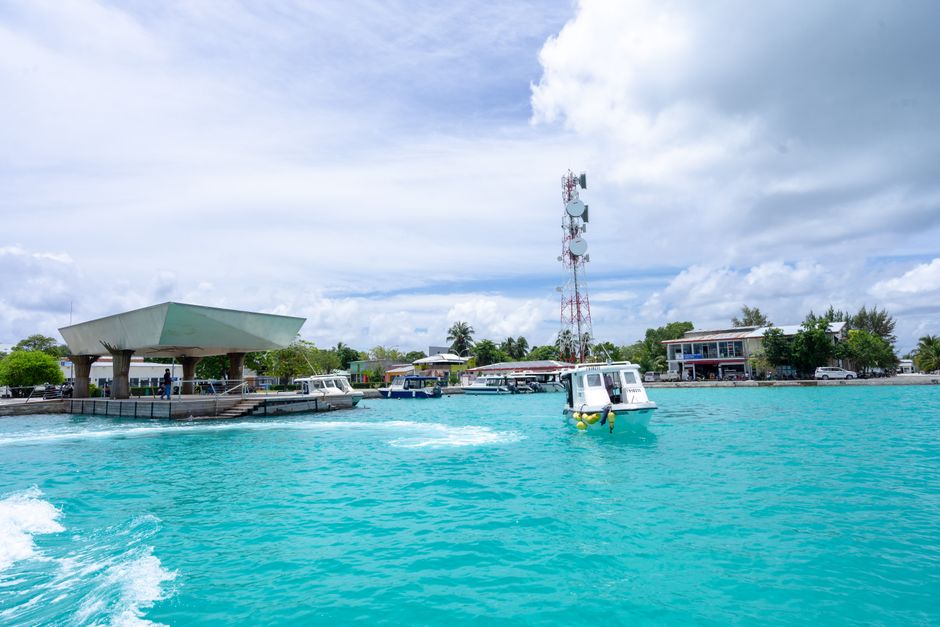
A tranquil tropical island scene featuring a dock, Norsup, Vanuatu
The Food You Can’t Miss
Your taste buds will remember Malekula long after your tan fades. The food here is not complicated — it’s direct and honest, built from what the island provides. The national dish, laplap, is the cornerstone of every celebration and every Sunday lunch. Passersby often wonder at the process: women grate taro or yam by hand on a spiked board made from a flattened tin can, then spread the paste onto banana leaves and layer it with coconut cream and pork or chicken. It’s wrapped, tied, and lowered into a stone oven (the nakamal) to cook for hours. The result is dense, savory, and faintly sweet — a starch bomb that keeps you full for the rest of the day. You’ll find the best laplap at Mary’s Kitchen in Norsup (500 VUV for a generous square) and at the Sunday market in Lakatoro (starts at 5am, sold by the slice).
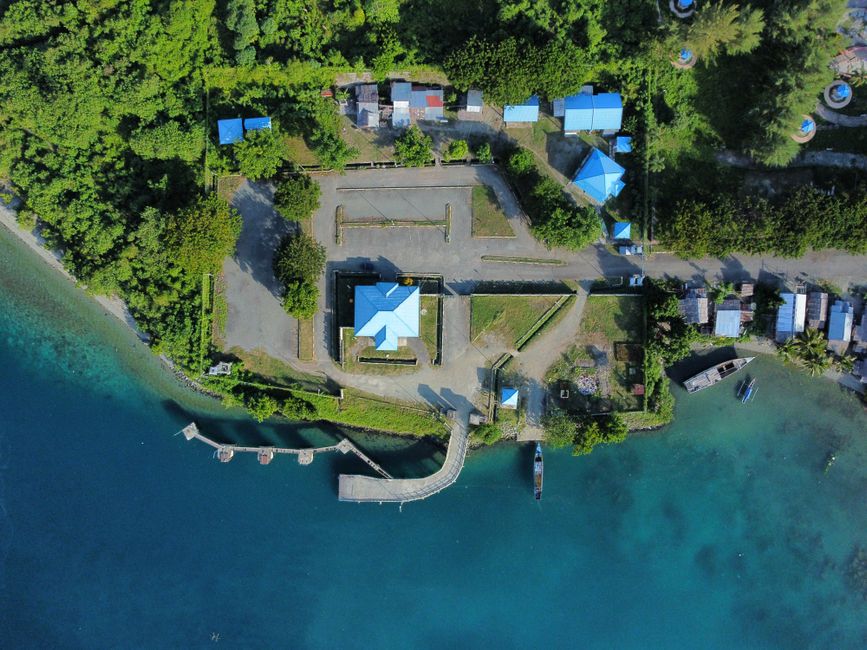
Stunning aerial shot of a coastal area with pier, buildings, and lush greenery., Norsup, Vanuatu
For something lighter, seek out flying fox in coconut milk — yes, fruit bat. It’s a local delicacy in the hills, particularly in the Maskelyne Islands just offshore. The meat is smoky and gamey, slow-cooked in rich coconut cream until it’s tender. You’ll find it at Tisbel’s Nakamal on Saturday nights (800 VUV), served with boiled taro and a wedge of lime. If that’s too adventurous, the street food at the daily market is your friend. Look for penne pins — deep-fried turnovers filled with tuna, onion and curry powder (50 VUV each), wrapped in paper and eaten hot while you walk. Locals recommend buying a bag of kumala (sweet potatoes) from the market and roasting them on the coals of your guesthouse fire pit — a cheap, delicious breakfast.
For your one proper restaurant meal, book a table at Rainbow Haven Guesthouse (see Day 2 final evening). The menu changes daily based on what’s caught and harvested, but you can always count on grilled reef fish, coconut rice, and a plate of island cabbage that tastes like it just came out of the earth — because it did. A full meal with juice costs around 2,000 VUV, and the view across the channel to the island of Ambrym (with its active volcano) is included in the price.
Where to Stay for the Weekend
In Norsup, “luxury” means a room with a fan and a mosquito net, and that’s exactly what you want. Fancy resorts do not exist here; instead, you get family-run guesthouses where the hosts treat you like a cousin who’s come home. Your best base for the weekend is Norsup River Bungalows (double bungalow with fan and private bathroom, 5,000 VUV per night). Set on the banks of the Norsup River, these basic but comfortable bungalows are a five-minute walk from the market and the kava bar. You’ll fall asleep to the sound of the river and wake to the smell of coffee being made over a fire. The owner, Sam, can arrange treks, boat trips, and village visits — book via Booking.com.
If you prefer being right on the water, try Lakatoro Seaside Lodge (double room with ocean view, 7,500 VUV per night). This is a step up in comfort — proper mattresses, a restaurant serving three meals a day, and a deck that hangs over the water. You’ll watch local fishermen cast their lines at sunset, and the snorkeling right off the lodge is decent. The catch: it’s in Lakatoro, a 15-minute drive (or 40-minute walk) from Norsup’s market and kava bars. You’ll need to arrange transport. Book through Airbnb or contact the lodge directly via their Facebook page.
For budget travelers, Norsup Guesthouse (dormitory bed, 1,500 VUV; private room, 3,000 VUV) is the cheapest option in town. It’s basic — shared bathroom, no fan in the dorms, and chickens that start crowing at 4am — but it’s clean, safe, and right next to Mary’s Kitchen. The owner, Grace, is a font of local knowledge; ask her anything, and she’ll give you a straight answer. No online booking — just show up at

