
The Ultimate Havana Guide: Vintage Cars, Salsa Rhythms & Cuban Soul
Havana isn’t just a destination—it’s a time capsule of Caribbean dreams. The scent of cigar smoke mingles with sea salt as vintage Chevrons rumble past pastel-colored colonial buildings while salsa rhythms spill from open doorways. It’s a living museum where every corner tells a story of revolution, resilience, and romance.
Why Havana Stands Out

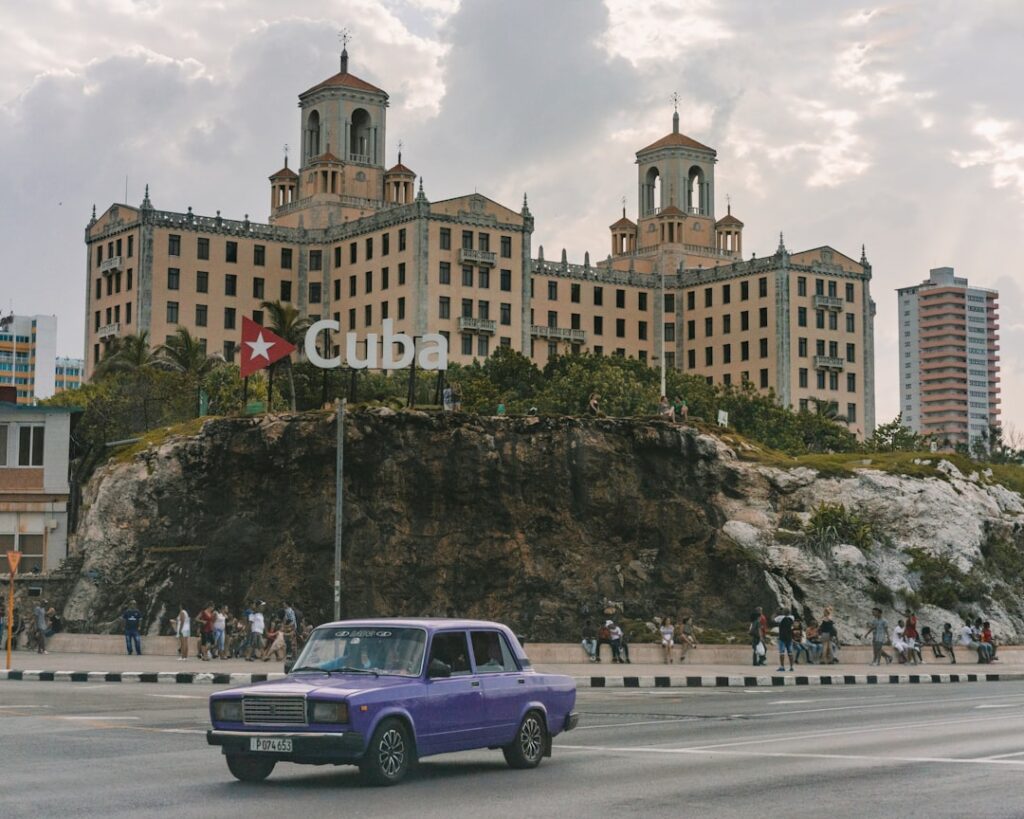
Car driving on city, Havana
- Historic Architecture: El Capitolio (1929), Havana’s nearly identical replica of Washington’s Capitol building, symbolizes Cuba’s pre-revolutionary ambitions and architectural grandeur.
- Cultural Scene: The Fábrica de Arte Cubano, a multi-disciplinary arts space in a converted cooking oil factory, represents Havana’s thriving contemporary creative scene.
- Local Specialties: Mojitos made with Havana Club rum, fresh mint, and crushed ice at La Bodeguita del Medio, where Hemingway famously declared them the best.
Pro Tip: Visit between December and April for perfect weather (75-85°F) with minimal rain, but book accommodations 3-4 months early. For fewer crowds, explore Old Havana before 10 AM when cruise passengers arrive.
Map of Havana
Use these interactive maps to explore Havana and plan your route:
📍 View Havana on OpenStreetMap
🗺️ Open Havana in Google Maps
Planning Your Trip: Practical Essentials
Getting There and Around
- By Air: José Martí International Airport (HAV) serves major airlines including American, Delta, and Copa Airlines. Taxis to city center cost 25-30 CUC, 30-minute drive. Book flights at Skyscanner for best deals.
- By Train: Limited rail connections; primary domestic service to Santiago de Cuba (15 hours). Not recommended for tourists. Reserve tickets at Trainline or the national railway website.
- By Car: Rental cars available but challenging due to poor road conditions and signage. Recommended for experienced drivers only. Compare car rentals at RentalCars.com.
- Local Transport: Classic car taxis (5-10 CUC per ride), coco taxis (3-5 CUC), and public buses (0.40 CUP). Almendrones (shared taxis) cost 10-20 CUP for locals but challenging for tourists.
Best Time to Visit
Havana’s tropical climate means warm temperatures year-round, but dry season (November-April) offers ideal conditions with lower humidity and minimal rainfall.
| Season | Weather | Highlights |
|---|---|---|
| Summer (Jun–Aug) | 85-90°F, high humidity, frequent afternoon showers | Lower prices, vibrant street life, but hurricane risk and intense heat |
| Winter (Dec–Feb) | 70-80°F, low humidity, minimal rain | Perfect exploring weather, cultural festivals, but highest prices and crowds |
| Shoulder (Apr–May/Sep–Oct) | 75-85°F, moderate humidity, occasional rain | Best value, comfortable temperatures, Havana’s International Ballet Festival in October |
Budgeting for Havana

White concrete dome building under white clouds during daytime, Havana
| Category | Budget | Mid-range | Luxury |
|---|---|---|---|
| Accommodation | $25-40 (casa particular) | $80-150 (boutique hotel) | $250+ (5-star hotel) |
| Meals | $5-10 (paladares) | $15-25 (nice restaurants) | $40+ (fine dining) |
| Transport | $5-10 (taxis/day) | $15-25 (private driver) | $50+ (vintage car tours) |
| Activities | $0-15 (museums/walking) | $20-40 (tours/classes) | $60+ (private guides) |
| Daily Total | $35-75 | $130-240 | $400+ |
Top Attractions and Must-See Sights
| Attraction | Description | Hours | Entry Fee |
|---|---|---|---|
| Malecón | 5-mile oceanfront boulevard where locals gather at sunset for music, fishing, and socializing | 24/7 | Free |
| Plaza Vieja | Restored 16th-century square with colorful buildings, breweries, and camera obscura with panoramic views | 9 AM-9 PM | Camera Obscura: 2 CUC |
| Museo de la Revolución | Former presidential palace documenting Cuba’s revolutionary history in stunning Art Nouveau building | 9:30 AM-4 PM | 8 CUC |
| Fusterlandia | Artist José Fuster’s mosaic-covered neighborhood, a vibrant explosion of Gaudi-inspired public art | 9 AM-5 PM | Free (donations accepted) |
3-Day Itinerary: Havana’s Highlights & Hidden Gems
Day 1: Historic Havana & Mojito Magic
- Morning: 7:30 AM walking tour of Old Havana’s four main plazas before crowds arrive. Start at Plaza de Armas antique market (free).
- Afternoon: 12:30 PM lunch at El Floridita (Calle Monserrate #557) for their famous daiquiris and seafood platters (25 CUC).
- Evening: 6 PM sunset on Malecón followed by dinner at La Guarida (Calle Concordia #418), Havana’s most famous paladar (40-60 CUC).
Day 2: Art, Cars & Cuban Rhythms
- Morning: 9 AM Fábrica de Arte Cubano tour (10 CUC) to see contemporary art before evening crowds. Closed Mondays.
- Afternoon: 1 PM vintage car tour (50 CUC/hour) along Malecón to Vedado, lunch at San Cristóbal Paladar (Calle San Rafael #469).
- Evening: 8 PM salsa dancing at Casa de la Música de Miramar (20 CUC entry) for authentic Cuban music experience.
Day 3: Fortresses & Local Life
- Morning: 8 AM ferry across harbor (0.40 CUC) to Morro Castle (6 CUC entry) for best views of Havana skyline.
- Afternoon: 12 PM lunch at Paladar Los Mercaderes (Calle Mercaderes #207) then cigar factory tour (10 CUC) at Real Fábrica de Tabacos.
- Evening: 7 PM farewell dinner at Ivan Chef Justo (Calle Aguacate #9) followed by drinks at Hotel Nacional’s garden terrace.
Cultural Insights & Etiquette
- Language: Spanish essential; learn “gracias” (thank you), “por favor” (please), “¿cuánto cuesta?” (how much?)
- Customs: Cubans are physically affectionate; handshakes, hugs, and cheek kisses common among acquaintances
- Tipping: 10% in restaurants appreciated; small tips (1-2 CUC) for musicians, bathroom attendants, guides
- Dress Code: Casual but respectable; Cubans dress well even casually. Beachwear only at beaches
- Business Hours: Typically 9 AM-5 PM with siesta break; many places closed Sunday; banks close at 3 PM
Where to Eat: Havana’s Best Bites
Cuban cuisine blends Spanish, African, and Caribbean influences with staples of rice, beans, pork, and tropical fruits. Paladares (private restaurants) offer the most authentic experiences beyond state-run establishments.
Must-Try Local Specialties
- Ropa Vieja: Shredded beef in tomato sauce with rice/black beans. Best at San Cristóbal Paladar.
- Moros y Cristianos: Black beans and rice cooked together. Every local home makes this.
- Yuca con Mojo: Cassava with garlic-citrus sauce. Try at Doña Eutimia near Cathedral.
Restaurant Recommendations by Budget
| Type | Restaurant | Specialty | Price Range |
|---|---|---|---|
| Budget | El Chanchullero (Teniente Rey #457a) | Best cheap Cuban classics | 8-12 CUC |
| Mid-range | La Guarida (Concordia #418) | Havana’s most famous paladar | 30-50 CUC |
| Fine dining | Ivan Chef Justo (Aguacate #9) | Creative Cuban fusion | 50-80 CUC |
Where to Stay
Casas particulares (private homestays) offer best value and authentic experiences, while luxury hotels provide colonial charm with modern amenities. Book early especially December-April.
Best Neighborhoods for Accommodation
- Habana Vieja: Historic heart with walking access to major sights, but can be noisy and touristy
- Vedado: Residential area with larger homes, quieter streets, and easier parking options
- Centro Habana: Authentic local experience between Old Havana and Vedado, more budget options

Cars on road near buildings during daytime, Havana
FAQs: Your Havana Questions Answered
1. Is Havana safe at night?
Generally safe, especially in tourist areas. Use common sense: avoid dark alleys, don’t flash valuables, and take registered taxis after dark. Violent crime rare but petty theft occurs.
2. What currency is used and are credit cards accepted?
Cuba uses two currencies: CUC (tourist currency, 1:1 with USD) and CUP (local currency, 25:1 with CUC). US credit cards don’t work; bring enough cash (Euros or Canadian dollars best) for entire trip.
3. How do I get from the airport to the city center?
Official airport taxis cost 25-30 CUC to central Havana (30 minutes). Avoid unofficial taxis. Pre-book transfers through your casa particular or hotel. Book airport transfers at GetYourGuide for convenience.
4. Do I need to speak the local language?
Basic Spanish extremely helpful as English isn’t widely spoken outside tourist areas. Learn key phrases; Cubans appreciate effort and are patient with non-speakers.
5. What’s the appropriate dress code?
Cubans dress neatly even casually. Avoid beachwear in cities. Light, breathable fabrics ideal. Bring comfortable walking shoes for cobblestone streets.
Final Thoughts: Havana Awaits
Havana offers something rare in today’s globalized world: a genuinely unique cultural experience untouched by mass tourism and corporate homogenization. Beyond the vintage cars and colonial architecture lies a city of incredible warmth, resilience, and musical soul. The challenges of travel here—currency complexities, infrastructure issues—are outweighed by the reward of connecting with a culture that has preserved its identity against all odds. Come for the photographs, stay for the people, and leave with memories that will linger long after the mojitos have faded.
Keywords
Havana travel guide, Havana attractions, things to do in Havana, Havana itinerary, Havana restaurants, Havana hotels, visit Havana, Havana tourism, Havana vacation, Havana trip planning, Cuban travel, Old Havana guide, Havana casas particulares, Havana vintage cars, Cuban cuisine
{“@context”: “https://schema.org”, “@type”: “FAQPage”, “mainEntity”: [{“@type”: “Question”, “name”: “What is the best time to visit Havanau2019s Best Vintage Cars?”, “acceptedAnswer”: {“@type”: “Answer”, “text”: “The best time to visit Havanau2019s Best Vintage Cars depends on your preferences. Generally, the dry season offers the most pleasant weather for sightseeing and outdoor activities.”}}, {“@type”: “Question”, “name”: “How many days do I need in Havanau2019s Best Vintage Cars?”, “acceptedAnswer”: {“@type”: “Answer”, “text”: “Most travelers spend 3-5 days in Havanau2019s Best Vintage Cars to see the main attractions. A week allows for a more relaxed pace and day trips.”}}, {“@type”: “Question”, “name”: “Is Havanau2019s Best Vintage Cars expensive to visit?”, “acceptedAnswer”: {“@type”: “Answer”, “text”: “Havanau2019s Best Vintage Cars can be visited on various budgets. Accommodation ranges from hostels to luxury hotels, and local restaurants offer affordable dining.”}}]}
Related Guides
Explore more destinations similar to Havana’s Best Vintage Cars:

