
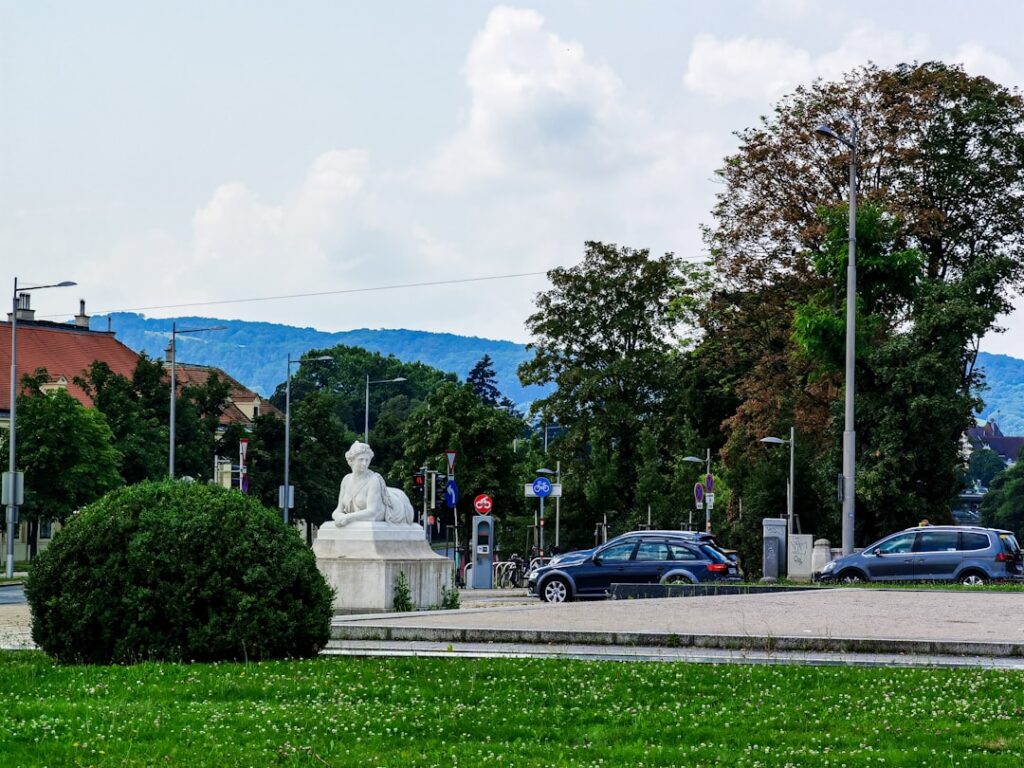
The Ultimate Zagreb Guide: Cafés, Culture & Austro-Hungarian Charm
Zagreb isn’t just a destination—it’s a living museum where Austro-Hungarian elegance meets Balkan vitality. The scent of roasting chestnuts mingles with the sound of tram bells echoing through cobblestone streets, while the colorful rooftops of the Upper Town glow golden in the afternoon light. This is Central Europe’s best-kept secret, offering world-class museums, vibrant café culture, and welcoming locals who still cherish their city’s authentic charm.
Why Zagreb Stands Out

A statue of a man on a horse in front of a building, Zagreb
- Historic Architecture: Zagreb Cathedral (completed 1217, rebuilt 1880) features twin neo-Gothic spires dominating the skyline and surviving Ottoman threats.
- Cultural Scene: The Museum of Broken Relationships offers a uniquely moving experience showcasing personal stories of love and loss through donated objects.
- Local Specialties: Štrukli – baked or boiled cheese-filled pastry dough that’s Croatia’s ultimate comfort food, best enjoyed fresh from traditional konobas.
Pro Tip: Visit in late September when summer crowds have dispersed but weather remains pleasant (18-22°C), and catch the annual Zagreb Film Festival for cultural immersion without peak season prices.
Map of Zagreb
Use these interactive maps to explore Zagreb and plan your route:
📍 View Zagreb on OpenStreetMap
🗺️ Open Zagreb in Google Maps
Planning Your Trip: Practical Essentials
Getting There and Around
- By Air: Zagreb Airport (ZAG) serves major European carriers including Lufthansa, Austrian Airlines, and Croatia Airlines. Airport shuttle bus to city center costs 30 HRK ($4.50), taxis 150-200 HRK ($22-30). Book flights at Skyscanner for best deals.
- By Train: Direct connections from Vienna (6 hours), Budapest (6.5 hours), and Ljubljana (2.5 hours). Modern trains with dining cars. Reserve tickets at Trainline or the national railway website.
- By Car: Excellent highways connect to Slovenia and Hungary. Parking challenging in center – use Parkomat system (8 HRK/hour). Compare car rentals at RentalCars.com.
- Local Transport: Efficient tram network (15 HRK per ride, 40 HRK day pass). Zagreb Card offers free transport and museum entries (24h/175 HRK, 72h/250 HRK).
Best Time to Visit
Zagreb shines brightest in shoulder seasons when mild weather complements cultural events without summer crowds. Winter brings magical Christmas markets, while summer offers long days for exploring.
| Season | Weather | Highlights |
|---|---|---|
| Summer (Jun–Aug) | 22-28°C, occasional thunderstorms | Outdoor cafes, festivals, longer days; crowded and higher prices |
| Winter (Dec–Feb) | -2 to 4°C, often snowy | Magical Advent Christmas market, cozy cafes; shorter daylight hours |
| Shoulder (Apr–May/Sep–Oct) | 12-20°C, pleasant and mild | Ideal walking weather, cultural events, fewer tourists, best value |
Budgeting for Zagreb

A street with buildings and trees, Zagreb
| Category | Budget | Mid-range | Luxury |
|---|---|---|---|
| Accommodation | Hostel: 150-250 HRK/night | 3-star hotel: 400-600 HRK/night | 5-star: 900-1500 HRK/night |
| Meals | Street food: 25-40 HRK | Restaurant: 80-120 HRK | Fine dining: 200+ HRK |
| Transport | Tram pass: 40 HRK/day | Taxis: 50-100 HRK/ride | Private driver: 300+ HRK/day |
| Activities | Free walking tours, parks | Museums: 30-70 HRK | Private guides: 400 HRK/3h |
| Daily Total | 300-400 HRK ($45-60) | 600-800 HRK ($90-120) | 1500+ HRK ($225+) |
Top Attractions and Must-See Sights
| Attraction | Description | Hours | Entry Fee |
|---|---|---|---|
| Zagreb Cathedral | Croatia’s tallest building with stunning stained glass and treasury museum | 10AM-5PM daily | Free (treasury 20 HRK) |
| Museum of Broken Relationships | Unique collection of personal objects with heartbreaking stories of failed relationships | 9AM-10:30PM | 40 HRK |
| Dolac Market | Zagreb’s vibrant open-air market since 1930, known as “Zagreb’s belly” | 6:30AM-3PM (7AM Sat) | Free |
| St. Mark’s Church | 13th-century church with iconic colorful tiled roof depicting medieval coats of arms | Mass times only | Free |
3-Day Itinerary: Zagreb’s Highlights & Hidden Gems
Day 1: Historic Heart & Culinary Delights
- Morning: 8AM Croatian National Theatre photo stop (best light) then explore Trg Bana Jelačića square. Watch the Grič Cannon fire noon shot from Lotrščak Tower (20 HRK).
- Afternoon: Lunch at La Štruk (Skalinska ul. 5) for traditional štrukli (45 HRK) then explore Dolac Market before it closes at 3PM.
- Evening: 6PM guided Upper Town walking tour (meets at St. Mark’s Square) followed by dinner at Vinodol (Teslina 10) for peka-style meat (120 HRK).
Day 2: Museums & Green Spaces
- Morning: 9AM entry to Museum of Broken Relationships (40 HRK) – arrive early to avoid crowds. The museum’s collection includes everything from wedding dresses to prosthetic limbs with poignant stories.
- Afternoon: Mirogoj Cemetery (free), Europe’s most beautiful cemetery with arcades and famous graves. Lunch at Pod Gričkim Topom (Zakmardijeve stube 5) with terrace views.
- Evening: Sunset at Jarun Lake (tram 17 from center), then traditional dinner at Agava (Tkalčićeva 39) for black risotto (95 HRK).
Day 3: Culture & Local Life
- Morning: Tram 6 to Maksimir Park (free), Zagreb’s oldest public park with five lakes and zoo (60 HRK). Don’t miss the Echo Pavilion.
- Afternoon: Technical Museum (30 HRK) with Nikola Tesla exhibit, then lunch at Mali Medo (Tkalčićeva 36) for craft beer and sausages (70 HRK).
- Evening: Final coffee at iconic Café Velvet (Teslina 6) before evening flight or train, experiencing Zagreb’s famous café culture (espresso 12 HRK).
Cultural Insights & Etiquette
- Language: Croatian is official language; learn “hvala” (thank you), “dobar dan” (good day). English widely spoken in tourist areas.
- Customs: Remove shoes when entering homes; bring small gift if invited. Direct eye contact shows respect during conversations.
- Tipping: Round up bills or leave 10% in restaurants; not expected in taxis but appreciated.
- Dress Code: Smart casual for restaurants and churches (cover shoulders/knees); comfortable shoes for cobblestone streets.
- Business Hours: Shops 8AM-8PM weekdays, close 2PM Saturday; most closed Sunday. Museums often closed Mondays.
Where to Eat: Zagreb’s Best Bites
Zagreb’s culinary scene blends Central European and Mediterranean influences, with cozy konobas (taverns) serving hearty portions. The city takes coffee culture seriously—expect to spend hours in cafes people-watching.
Must-Try Local Specialties
- Štrukli: Cheese-filled pastry that’s either boiled or baked; best at La Štruk near Dolac Market
- Zagrebački odrezak: Veal steak stuffed with ham and cheese; try at Stari Fijaker
- Kremšnita: Cream cake specialty from nearby Samobor; available at most patisseries
Restaurant Recommendations by Budget
| Type | Restaurant | Specialty | Price Range |
|---|---|---|---|
| Budget | Nokturno (Skalinska 4) | Best burek in town | 25-40 HRK |
| Mid-range | Vinodol (Teslina 10) | Traditional peka dishes | 80-140 HRK |
| Fine dining | Dubravkin Put (Dubravkin put 2) | Modern Croatian cuisine | 250-400 HRK |
Where to Stay
Upper Town offers historic charm but hills, while Lower Town provides better transport links. Donac area near market balances convenience with character. Compare prices and book at Booking.com or Airbnb for apartments.
Best Neighborhoods for Accommodation
- Gornji Grad (Upper Town): Historic area with cobblestone streets and beautiful architecture; quieter at night but hilly walking; perfect for romance and photography
- Donji Grad (Lower Town): Central location with best transport, shopping, and dining; more bustling; ideal for first-time visitors and nightlife
- Savica: Residential area near Maksimir Park; family-friendly with good value; requires tram rides to center (15 minutes)

A building with a clock tower and a fountain in front of it, Zagreb
FAQs: Your Zagreb Questions Answered
1. Is Zagreb safe at night?
Extremely safe—Zagreb has low crime rates. Normal precautions apply: avoid poorly lit areas late at night, watch for pickpockets in crowded trams, and be cautious crossing streets as trams are quiet.
2. What currency is used and are credit cards accepted?
Croatian Kuna (HRK) is official currency (approximately 7.5 HRK = 1 EUR). Credit cards widely accepted, but keep cash for markets, smaller cafes, and public toilets. ATMs readily available.
3. How do I get from the airport to the city center?
Airport shuttle bus (30 HRK, 30 minutes) runs every 30 minutes to main bus station. Taxis cost 150-200 HRK (25 minutes). Uber available but limited. Book airport transfers at GetYourGuide for convenience.
4. Do I need to speak the local language?
Not essential—most tourism workers speak excellent English, especially younger generations. Learning basic greetings (dobar dan, hvala) is appreciated and enhances interactions.
5. What’s the appropriate dress code?
Smart casual works for most situations. Cover shoulders and knees for church visits. Comfortable walking shoes essential for cobblestone streets. Pack layers as weather changes quickly.
Final Thoughts: Zagreb Awaits
Zagreb offers that rare combination of authentic charm and modern convenience that many European capitals have lost. Beyond the postcard-perfect Upper Town and innovative museums, it’s the lived-in quality that captivates—the elderly couples strolling through parks, the students debating in cafes, the market vendors proudly displaying their produce. With manageable size, outstanding value, and genuine warmth from locals, Zagreb delivers a Central European experience that feels both sophisticated and surprisingly accessible. Come for the architecture, stay for the coffee culture, and leave planning your return.
Keywords
Zagreb travel guide, Zagreb attractions, things to do in Zagreb, Zagreb itinerary, Zagreb restaurants, Zagreb hotels, visit Zagreb, Zagreb tourism, Zagreb vacation, Zagreb trip planning, Croatia travel, Central Europe destinations, Zagreb Christmas market, Museum of Broken Relationships, Zagreb cathedral
{“@context”: “https://schema.org”, “@type”: “FAQPage”, “mainEntity”: [{“@type”: “Question”, “name”: “What is the best time to visit Zagrebu2019s Cafu00e9s?”, “acceptedAnswer”: {“@type”: “Answer”, “text”: “The best time to visit Zagrebu2019s Cafu00e9s depends on your preferences. Generally, the dry season offers the most pleasant weather for sightseeing and outdoor activities.”}}, {“@type”: “Question”, “name”: “How many days do I need in Zagrebu2019s Cafu00e9s?”, “acceptedAnswer”: {“@type”: “Answer”, “text”: “Most travelers spend 3-5 days in Zagrebu2019s Cafu00e9s to see the main attractions. A week allows for a more relaxed pace and day trips.”}}, {“@type”: “Question”, “name”: “Is Zagrebu2019s Cafu00e9s expensive to visit?”, “acceptedAnswer”: {“@type”: “Answer”, “text”: “Zagrebu2019s Cafu00e9s can be visited on various budgets. Accommodation ranges from hostels to luxury hotels, and local restaurants offer affordable dining.”}}]}
Related Guides
Explore more destinations similar to Zagreb’s Cafés:
- Ljubljana’s Epic Green Spaces, Art Nouveau & Culinary Innovation (2025)
- Essau, Gambia’s Hidden History, River Life & Authentic Culture (2026)
- Elbasan, Albania’s Essential Fortresses, Thermal Springs & Ottoman Soul (2026)
- Malabo, Equatorial Guinea: Hidden Colonial Grandeur, Rainforest Adventures & Island Charm (2026)

