
The Ultimate Mumbai Guide: Bollywood, Bazaars & Beachfront Magic
Mumbai isn’t just a destination—it’s a living, breathing organism. The scent of sizzling street food mingles with sea salt as colonial-era buildings stand watch over bustling markets where merchants hawk everything from spices to saris. This is India’s maximum city, where dreams are chased and traditions thrive amid relentless energy.
Why Mumbai Stands Out

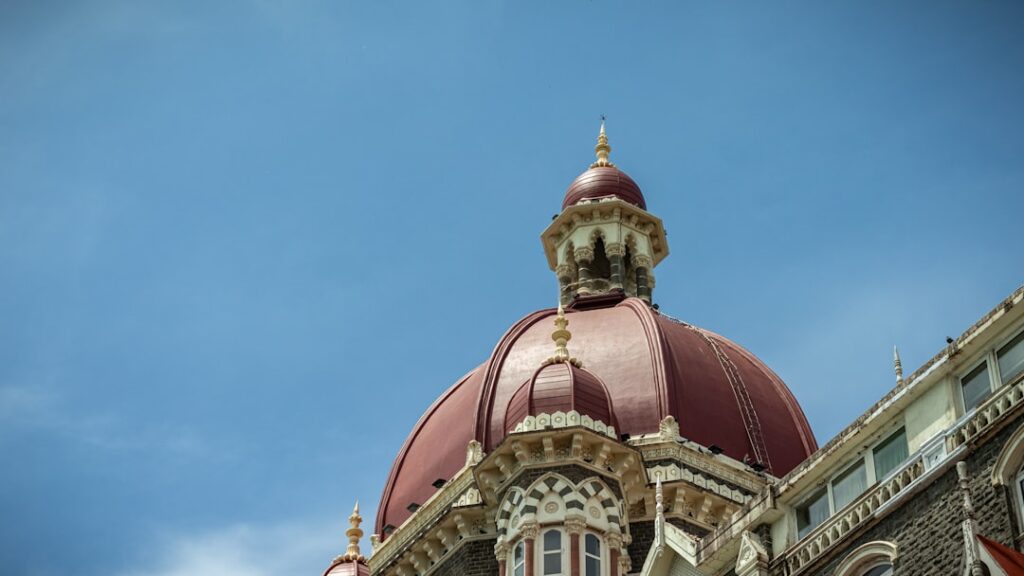
A large building with a tower on top of it, Mumbai
- Historic Architecture: Chhatrapati Shivaji Terminus (1888) – Victorian Gothic masterpiece and UNESCO World Heritage site that serves 3 million commuters daily.
- Cultural Scene: Ganesh Chaturthi festival – 10-day celebration where millions immerse elaborate idols in the Arabian Sea.
- Local Specialties: Pav Bhaji – buttery bread rolls served with spiced vegetable mash, best enjoyed at street stalls.
Pro Tip: Visit between November and February when temperatures range from 20-28°C with low humidity. Avoid monsoon season (June-September) when flooding occurs. For attractions, arrive at opening time (usually 9 AM) to beat crowds and afternoon heat.
Map of Mumbai
Use these interactive maps to explore Mumbai and plan your route:
📍 View Mumbai on OpenStreetMap
🗺️ Open Mumbai in Google Maps
Planning Your Trip: Practical Essentials
Getting There and Around
- By Air: Chhatrapati Shivaji Maharaj International Airport (BOM) served by Emirates, Air India, and Qatar Airways. Pre-book airport transfers (₹800-1200) or take Uber (₹600-900) to city center. Book flights at Skyscanner for best deals.
- By Train: Connected to all major cities via Indian Railways. Rajdhani Express from Delhi takes 16 hours (AC first class ₹4,000). Reserve tickets at Trainline or the national railway website.
- By Car: NH48 connects to Pune (3 hours). Driving chaotic – recommended for experienced drivers only. Parking scarce in South Mumbai. Compare car rentals at RentalCars.com.
- Local Transport: Local trains cost ₹10-50, BEST buses ₹5-25, metro ₹10-40. Get daily pass (₹100) for unlimited bus travel. Auto-rickshaws meter-start ₹25, taxis ₹30.
Best Time to Visit
Mumbai’s tropical climate means planning around monsoon season is essential. Winter offers perfect exploring conditions, while shoulder seasons provide fewer crowds with manageable weather.
| Season | Weather | Highlights |
|---|---|---|
| Summer (Jun–Aug) | 28-35°C, humid, monsoon rains | Lush greenery, indoor attractions, fewer tourists but frequent flooding |
| Winter (Dec–Feb) | 20-28°C, dry, sunny | Perfect beach weather, outdoor dining, festivals, peak season crowds |
| Shoulder (Apr–May/Sep–Oct) | 25-33°C, moderate humidity | Good deals on accommodation, manageable crowds, evening showers possible |
Budgeting for Mumbai

A tall building with a clock on the top of it, Mumbai
| Category | Budget | Mid-range | Luxury |
|---|---|---|---|
| Accommodation | ₹800-1,500 (hostels/guesthouses) | ₹4,000-8,000 (3-4 star hotels) | ₹15,000-40,000+ (5 star palaces) |
| Meals | ₹200-500 (street food/local joints) | ₹800-1,500 (restaurants with AC) | ₹3,000-7,000+ (fine dining) |
| Transport | ₹200-400 (local trains/buses) | ₹800-1,200 (taxis/auto-rickshaws) | ₹3,000-5,000 (private car with driver) |
| Activities | ₹0-500 (beaches/temples) | ₹1,000-2,000 (museums/tours) | ₹5,000-15,000 (private guides/spa treatments) |
| Daily Total | ₹1,200-2,900 | ₹6,600-12,200 | ₹26,000-67,000+ |
Top Attractions and Must-See Sights
| Attraction | Description | Hours | Entry Fee |
|---|---|---|---|
| Gateway of India | Iconic 26m basalt arch built in 1924 to commemorate royal visits | 24 hours | Free |
| Elephanta Caves | 6th-century rock-cut temple complex with magnificent Shiva sculptures | 9 AM-5 PM (closed Mon) | ₹40 (Indians), ₹600 (foreigners) |
| Marine Drive | 3.6km curved promenade known as the Queen’s Necklace for its night lights | 24 hours | Free |
| Chhatrapati Shivaji Maharaj Vastu Sangrahalaya | Magnificent museum housing 50,000 artifacts from Indian history | 10:15 AM-6 PM | ₹100 |
3-Day Itinerary: Mumbai’s Highlights & Hidden Gems
Day 1: Colonial Heritage & Street Food
- Morning: 7:30 AM breakfast at Kyani & Co. (est. 1904) for keema pav and Irani chai (₹250). Walk to CST Station to admire Gothic architecture before crowds arrive.
- Afternoon: 12 PM explore Colaba Causeway markets, then lunch at Bademiya (open since 1946) for legendary seekh kebabs (₹400). Visit Gateway of India and Taj Mahal Palace hotel.
- Evening: 6 PM sunset at Marine Drive, followed by dinner at Trishna (fort area) for butter garlic crab (₹1,800).
Day 2: Island Hopping & Bollywood Glimpses
- Morning: 8:30 AM ferry to Elephanta Island (₹200 return, 1 hour each way). Explore caves with guide (₹500 for 2 hours) – don’t miss the 6m Trimurti sculpture.
- Afternoon: 1:30 PM lunch at Gajalee (Vile Parle) for Malvani fish thali (₹900). Visit Film City tour (₹1,500) for Bollywood behind-the-scenes.
- Evening: 7 PM cultural show at NCPA (₹800-2,000) or jazz at The Little Door.
Day 3: Markets, Museums & Modern Mumbai
- Morning: 8 AM local train to Chor Bazaar (“Thieves Market”) for antiques (bargain hard!). Visit Dr. Bhau Daji Lad Museum (₹100), Mumbai’s oldest.
- Afternoon: 1 PM lunch at Britannia & Co. (berry pulao and caramel custard, ₹600). Explore Kala Ghoda art district galleries.
- Evening: 6 PM Bandra Bandstand walk to see celebrity homes, dinner at Pali Village Cafe (₹1,500).
Cultural Insights & Etiquette
- Language: Hindi/Marathi main languages, but English widely understood. Learn “Namaste” (hello), “Shukriya” (thank you), “Kitna hua?” (how much?)
- Customs: Remove shoes before entering homes/temples. Avoid public displays of affection. Use right hand for eating/giving items.
- Tipping: 10% in restaurants if service charge not included. ₹50-100 for hotel staff, ₹20-50 for drivers.
- Dress Code: Conservative clothing recommended, especially at religious sites. Cover shoulders and knees. Light fabrics for humidity.
- Business Hours: Shops 10 AM-8 PM, offices 9:30 AM-6 PM. Many closed Sundays. Major holidays: Diwali (Oct/Nov), Ganesh Chaturthi (Aug/Sep).
Where to Eat: Mumbai’s Best Bites
Mumbai’s food scene reflects its diversity—from Irani cafes to coastal seafood shacks, street food stalls to fine dining. Don’t miss the city’s signature dishes that tell stories of migration and innovation.
Must-Try Local Specialties
- Vada Pav: Mumbai’s burger—spiced potato patty in bun with chutneys. Best at Ashok Vada Pav near Kirti College (₹25).
- Bombay Duck: Not duck but lizard fish, fried crispy. Try at Mahesh Lunch Home (multiple locations, ₹450).
- Kulfi Falooda: Rose-flavored ice cream with vermicelli and nuts. Ideal at Rustom’s Ice Cream (₹150).
Restaurant Recommendations by Budget
| Type | Restaurant | Specialty | Price Range |
|---|---|---|---|
| Budget | Prakash Shakahari Upahar, Sion | Maharashtrian thali, missal pav | ₹200-400 |
| Mid-range | Bombay Canteen, Lower Parel | Modern Indian, cocktail pairing | ₹1,500-2,500 |
| Fine dining | Masque, Mahalaxmi | 10-course tasting menu, farm ingredients | ₹6,000-9,000 |
Where to Stay
Mumbai offers accommodation from colonial-era palaces to modern business hotels. South Mumbai provides heritage charm, while suburbs offer better value and local immersion. Compare prices and book at Booking.com or Airbnb for apartments.
Best Neighborhoods for Accommodation
- Colaba: Tourist central near Gateway, great restaurants, but noisy and expensive. Ideal for first-time visitors.
- Bandra: “Queen of Suburbs” with cafes, boutiques, and sea face. Creative vibe, good nightlife, mid-range prices.
- Juhu: Beachfront location, family-friendly, excellent street food. Slightly removed from main attractions.

A large building with a dome on top of it, Mumbai
FAQs: Your Mumbai Questions Answered
1. Is Mumbai safe at night?
Generally safe in tourist areas, but exercise normal precautions. Avoid isolated areas, don’t flash valuables, use registered taxis/Uber at night. Women should avoid empty local train compartments.
2. What currency is used and are credit cards accepted?
Indian Rupee (₹). Credit cards accepted at hotels and larger establishments, but carry cash for markets, street food, and auto-rickshaws. ATMs widely available.
3. How do I get from the airport to the city center?
Chhatrapati Shivaji Airport to South Mumbai: Pre-paid taxi ₹800-1,200 (45-90 mins), Uber/Ola ₹600-900, airport express bus ₹150 (1 hour). Book airport transfers at GetYourGuide for convenience.
4. Do I need to speak the local language?
English is widely spoken in tourist areas, hotels, and restaurants. Learning basic Hindi phrases appreciated but not essential. Most signs in English.
5. What’s the appropriate dress code?
Light, breathable fabrics due to humidity. Conservative dress for temples (cover shoulders/knees). Smart casual for finer restaurants. Comfortable walking shoes essential.
Final Thoughts: Mumbai Awaits
Mumbai delivers an intensity of experience few cities can match—a place where ancient traditions coexist with hyper-modern ambition. From the spiritual serenity of Siddhivinayak Temple to the cinematic energy of Bandra, the city offers endless layers to discover. Come prepared for sensory overload, embrace the chaos, and you’ll leave with stories that last a lifetime. Mumbai doesn’t just show you India—it shows you humanity in all its vibrant, complicated beauty.
Keywords
Mumbai travel guide, Mumbai attractions, things to do in Mumbai, Mumbai itinerary, Mumbai restaurants, Mumbai hotels, visit Mumbai, Mumbai tourism, Mumbai vacation, Mumbai trip planning
Related Guides
Explore more destinations similar to Mumbai’s Essential Bollywood:
- Port-au-Prince, Haiti’s Essential Resilience, Art & Revolutionary History (2026)
- Nyika Plateau, Malawi’s Hidden Wilderness, Wildlife & Highland Serenity (2026)
- Svaneti’s Adventure, Georgia’s Best Towers, Trails & Timeless Culture (2026)
- Jarqoʻrgʻon, Uzbekistan: Essential Minarets, Silk Road Echoes & Rural Hospitality (2026)

