
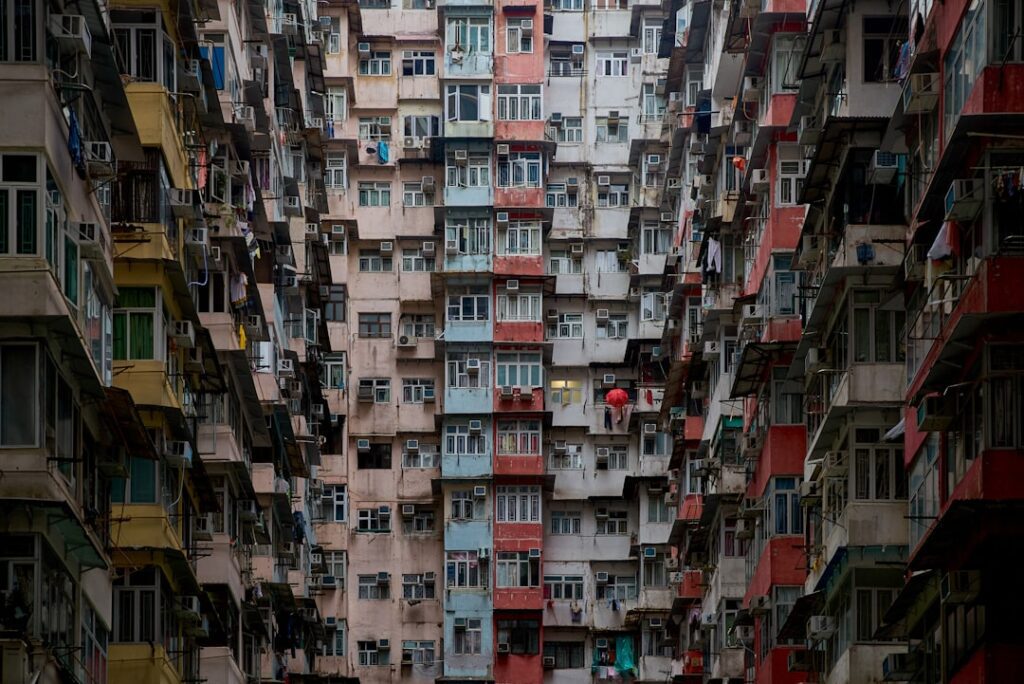
The Ultimate Hong Kong Guide: Skylines, Dim Sum & Cultural Fusion
Hong Kong isn’t just a destination—it’s a living paradox where ancient traditions meet futuristic ambition. The scent of sizzling street food mingles with the rhythmic clatter of the Star Ferry as neon signs illuminate centuries-old temples against a backdrop of towering skyscrapers. This is where East and West collide in the most delicious, dramatic fashion imaginable.
Why Hong Kong Stands Out

A view of a city from a high point of view, Hong Kong
- Historic Architecture: Man Mo Temple (1847) – Hong Kong’s oldest temple where giant incense coils spiral toward ceilings blackened by centuries of prayer smoke.
- Cultural Scene: The Mid-Autumn Festival transforms Victoria Park into a sea of glowing lanterns with mooncake tastings and dragon dances.
- Local Specialties: Egg waffles (gai daan jai) – crispy, bubble-shaped street snacks best enjoyed fresh from the iron press.
Pro Tip: Visit between October-December for perfect 22-28°C weather with low humidity, and always take the Star Ferry at 5:45 PM to catch both the daytime skyline and the Symphony of Lights show at 8:00 PM from the water.
Map of Hong Kong
Use these interactive maps to explore Hong Kong and plan your route:
📍 View Hong Kong on OpenStreetMap
🗺️ Open Hong Kong in Google Maps
Planning Your Trip: Practical Essentials
Getting There and Around
- By Air: Hong Kong International Airport (HKG) serves 120+ airlines with Airport Express train (24 mins to Central, HK$115) or taxi (HK$300-400). Book flights at Skyscanner for best deals.
- By Train: High-speed rail connects to mainland China (Guangzhou: 1 hour, HK$210). Reserve tickets at Trainline or the national railway website.
- By Car: Driving from Shenzhen takes 1 hour via Shenzhen Bay Bridge, but parking costs HK$40-80/hour downtown. Compare car rentals at RentalCars.com.
- Local Transport: Octopus card (HK$150 deposit + credit) covers MTR, buses, ferries, and convenience stores. MTR fares: HK$4-50, Star Ferry: HK$2.50-4.00.
Best Time to Visit
Hong Kong’s subtropical climate means distinct seasons with autumn offering ideal conditions for exploration, while summer brings high humidity and occasional typhoons.
| Season | Weather | Highlights |
|---|---|---|
| Summer (Jun–Aug) | 28-33°C, 80-90% humidity, typhoon risk | Beach days at Repulse Bay, indoor mall shopping, fewer tourists but uncomfortable heat |
| Winter (Dec–Feb) | 15-20°C, dry and sunny | Perfect hiking weather, Christmas markets, Chinese New Year celebrations (Jan/Feb) |
| Shoulder (Apr–May/Sep–Oct) | 22-28°C, lower humidity | Ideal outdoor exploration, cultural festivals, comfortable temperatures with smaller crowds |
Budgeting for Hong Kong

A view of a city at night from the top of a hill, Hong Kong
| Category | Budget | Mid-range | Luxury |
|---|---|---|---|
| Accommodation | HK$400-800 (hostels/guesthouses) | HK$1,200-2,500 (3-4 star hotels) | HK$3,500+ (Peninsula/Four Seasons) |
| Meals | HK$100-200 (street food/dai pai dongs) | HK$300-600 (restaurant meals) | HK$1,000+ (Lung King Heen/8½ Otto) |
| Transport | HK$50 (MTR/ferry daily) | HK$150 (taxis between areas) | HK$500+ (private car hire) |
| Activities | HK$100 (temples/markets) | HK$300 (museums/Peak Tram) | HK$800+ (helicopter tours) |
| Daily Total | HK$650-1,150 | HK$1,950-3,550 | HK$5,800+ |
Top Attractions and Must-See Sights
| Attraction | Description | Hours | Entry Fee |
|---|---|---|---|
| Victoria Peak | Breathtaking 360° city views from Hong Kong’s highest point accessible via historic Peak Tram | 7:00 AM-12:00 AM | Peak Tram: HK$52-99 |
| Star Ferry | Iconic green-and-white ferries crossing Victoria Harbour since 1888 offering cheapest skyline views | 6:30 AM-11:30 PM | HK$2.50-4.00 |
| Ngong Ping 360 | 25-minute cable car ride to Tian Tan Buddha statue and Po Lin Monastery on Lantau Island | 10:00 AM-6:00 PM | Cable car: HK$165-315 |
| Hong Kong Museum of History | Comprehensive journey through 6,000 years of Hong Kong history from geological formation to handover | 10:00 AM-6:00 PM (closed Tue) | HK$10 (free Wed) |
3-Day Itinerary: Hong Kong’s Highlights & Hidden Gems
Day 1: Island Hopping & Urban Wonders
- Morning: 7:30 AM Star Ferry from Tsim Sha Tsui to Central (HK$3.20) followed by dim sum at Lin Heung Tea House (HK$120) with elderly locals pushing trolleys.
- Afternoon: 12:30 PM Peak Tram (HK$99 round trip) and Lugard Road walk for panoramic views, then Man Mo Temple exploration.
- Evening: 6:00 PM Temple Street Night Market bargaining for souvenirs followed by claypot rice at Temple Spice Crab (HK$180).
Day 2: Cultural Immersion & Natural Beauty
- Morning: 8:00 AM ferry to Lamma Island (HK$25) for family hike to Sok Kwu Wan fishing village and fresh seafood lunch at Rainbow Seafood Restaurant (HK$250).
- Afternoon: 2:30 PM return to Central for PMQ creative arts compound browsing local designs, then egg waffles at Lee Keung Kee North Point (HK$20).
- Evening: 7:00 PM Symphony of Lights viewing from Tsim Sha Tsui waterfront followed by cocktails at Ozone Bar (HK$150-250), world’s highest bar.
Day 3: Traditions & Modern Marvels
- Morning: 9:00 AM MTR to Diamond Hill (HK$12) for Chi Lin Nunnery’s exquisite wooden architecture and Nan Lian Garden’s tranquil landscapes.
- Afternoon: 1:00 PM Wong Tai Sin Temple for fortune telling (HK$50) followed by lunch at nearby congee specialist, Congee Master (HK$80).
- Evening: 6:30 PM farewell dinner at Luk Yu Tea House (HK$300), Hong Kong’s oldest operating restaurant since 1933, preserving pre-war charm.
Cultural Insights & Etiquette
- Language: Cantonese phrases: “Nei hou” (hello), “M̀h’gōi” (thank you). English widely understood in tourist areas.
- Customs: Present and receive business cards with both hands. Avoid writing in red ink (associated with death).
- Tipping: 10% service charge usually included. Round up taxi fares or leave small change at casual eateries.
- Dress Code: Smart casual for most restaurants. Cover shoulders and knees when visiting temples.
- Business Hours: Shops 10:00 AM-10:00 PM, offices 9:00 AM-6:00 PM. Major holidays: Chinese New Year (Jan/Feb), National Day (Oct 1).
Where to Eat: Hong Kong’s Best Bites
Hong Kong’s dining scene ranges from Michelin-starred temples of gastronomy to humble dai pai dongs (open-air food stalls) serving generations-old recipes. Food isn’t just sustenance here—it’s cultural currency and social glue.
Must-Try Local Specialties
- Roast Goose: Crispy-skinned, succulent meat best at Yat Lok (HK$180 half) or Kam’s Roast Goose (Michelin-starred, HK$250)
- Pineapple Bun: Sweet bread without pineapple, named for appearance, perfect with butter at Australia Dairy Company (HK$12)
- Wonton Noodles: Thin egg noodles with shrimp-filled dumplings in delicate broth at Mak’s Noodle (HK$45) since 1960s
Restaurant Recommendations by Budget
| Type | Restaurant | Specialty | Price Range |
|---|---|---|---|
| Budget | Sing Heung Yuen (Central) | Tomato noodle soup and crispy buns | HK$40-80 |
| Mid-range | Yardbird (Sheung Wan) | Creative yakitori and Japanese-inspired small plates | HK$300-600 |
| Fine dining | Lung King Heen (Four Seasons) | Michelin 3-star Cantonese with harbor views | HK$1,200+ |
Where to Stay
Hong Kong offers accommodation from capsule hotels to legendary luxury properties. Central and Tsim Sha Tsui provide best accessibility, while Causeway Bay offers shopping convenience and Sheung Wan provides trendy boutique options. Compare prices and book at Booking.com or Airbnb for apartments.
Best Neighborhoods for Accommodation
- Tsim Sha Tsui: Tourist central with harbor views, museums, and shopping malls, ideal for first-timers but can be crowded
- Central/Sheung Wan: Business district meets hipster cafes, best for luxury stays and nightlife but pricier
- Causeway Bay: Shopping paradise with department stores and local markets, great for families but very busy

The sun is setting over a body of water, Hong Kong
FAQs: Your Hong Kong Questions Answered
1. Is Hong Kong safe at night?
Extremely safe—Hong Kong has one of the world’s lowest crime rates. Well-lit streets and efficient public transport make nighttime exploration comfortable. Exercise normal precautions in crowded areas like Mong Kok.
2. What currency is used and are credit cards accepted?
Hong Kong Dollar (HKD) is the official currency. Credit cards widely accepted in establishments, but carry HK$500-1000 cash for street food, markets, and smaller restaurants. Exchange rates approximately HK$7.80 = US$1.
3. How do I get from the airport to the city center?
Airport Express train takes 24 minutes to Central (HK$115), taxis cost HK$300-400 (45-60 minutes), or bus A21 to Tsim Sha Tsui (HK$33, 60 minutes). Book airport transfers at GetYourGuide for convenience.
4. Do I need to speak the local language?
Not essential—English is an official language and widely spoken in tourist areas, transportation, and hotels. Learning basic Cantonese phrases (hello, thank you, numbers) is appreciated but not required.
5. What’s the appropriate dress code?
Smart casual for most situations. Cover shoulders and knees for temple visits. Business attire for fine dining establishments. Comfortable walking shoes essential—Hong Kong involves considerable walking and stair climbing.
Final Thoughts: Hong Kong Awaits
Hong Kong delivers an intensity of experience few cities can match—a sensory overload where ancient incense coils spiral beside AI-powered skyscrapers, where Michelin-starred cuisine shares sidewalks with sizzling street food. Beyond the iconic skyline lies a city of surprising greenery, vibrant traditions, and relentless innovation. Come for the photographs, but stay for the moments between: the first bite of perfect dim sum, the sudden view from a hidden temple, the warmth of a night market vendor’s smile. Hong Kong doesn’t just welcome visitors—it immerses them completely.
Keywords
Hong Kong travel guide, Hong Kong attractions, things to do in Hong Kong, Hong Kong itinerary, Hong Kong restaurants, Hong Kong hotels, visit Hong Kong, Hong Kong tourism, Hong Kong vacation, Hong Kong trip planning
Related Guides
Explore more destinations similar to Hong Kong’s Hidden Skylines:

