
The Ultimate Lisbon Guide: Trams, Tiles & Atlantic Sunsets
Lisbon isn’t just a destination—it’s a golden-hued dreamscape perched above the Tagus River. The scent of grilling sardines mingles with the sound of fado music drifting from Alfama’s narrow alleys, while vintage trams rattle past buildings adorned with blue azulejos. It’s Europe’s sunniest capital, where ancient history meets vibrant modern energy in perfect harmony.
Why Lisbon Stands Out
- Historic Architecture: Belém Tower (1519) – Manueline masterpiece guarding Lisbon’s harbor where explorers embarked on global voyages
- Cultural Scene: June’s Santo António Festival transforms streets into massive neighborhood parties with grilled sardines and dancing
- Local Specialties: Pastéis de Belém – secret-recipe custard tarts created by monks in 1837, best eaten warm with cinnamon
Pro Tip: Visit major attractions like Jerónimos Monastery at 10 AM sharp before tour buses arrive, or during lunch hours (1-3 PM) when crowds thin. For the best light photography at Belém Tower, go at 4 PM when the golden stone glows against the water.
Map of Lisbon
Use these interactive maps to explore Lisbon and plan your route:
📍 View Lisbon on OpenStreetMap
🗺️ Open Lisbon in Google Maps
Planning Your Trip: Practical Essentials
Getting There and Around
- By Air: Lisbon Airport (LIS) serves major European and international carriers. Metro Red Line connects to city center (€1.50, 20 mins). Uber/taxis cost €10-15 to downtown. Book flights at Skyscanner for best deals.
- By Train: Santa Apolónia Station connects to Porto (3 hours), Madrid (10 hours), and international routes. Book in advance for 30% discounts. Reserve tickets at Trainline or the national railway website.
- By Car: A1/A2 highways connect to major cities. Parking challenging in center – use Parque das Nações (€12/day) and metro in. Compare car rentals at RentalCars.com.
- Local Transport: 24-hour metro/bus/tram pass €6.40, single tram ride €3. Tram 28 scenic route but crowded – ride early morning. Check official city transport websites for passes and schedules.
Best Time to Visit
March-May and September-October offer ideal weather with fewer crowds. Summer brings festivals but intense heat, while winter offers lower prices and mild temperatures perfect for exploring.
| Season | Weather | Highlights |
|---|---|---|
| Summer (Jun–Aug) | 25-30°C, dry and sunny | Santo António Festival, beach days, vibrant nightlife, crowded attractions |
| Winter (Dec–Feb) | 8-15°C, occasional rain | Christmas markets, cozy fado houses, 50% lower hotel rates, minimal queues |
| Shoulder (Apr–May/Sep–Oct) | 18-24°C, perfect sightseeing weather | Wildflowers blooming, comfortable walking temperatures, moderate crowds |
Budgeting for Lisbon
| Category | Budget | Mid-range | Luxury |
|---|---|---|---|
| Accommodation | €40-60 (hostels/guesthouses) | €100-150 (boutique hotels) | €250+ (5-star palaces) |
| Meals | €8-12 (tascas/local eateries) | €20-35 (restaurants with wine) | €60+ (Michelin dining) |
| Transport | €6.40 (daily transit pass) | €15-20 (taxis/ride shares) | €80+ (private driver) |
| Activities | Free walking tours, viewpoints | €20-30 (museums/tours) | €100+ (private guides) |
| Daily Total | €55-75 | €130-180 | €400+ |
Top Attractions and Must-See Sights
| Attraction | Description | Hours | Entry Fee |
|---|---|---|---|
| Jerónimos Monastery | UNESCO World Heritage site with stunning Manueline architecture where Vasco da Gama prayed before voyages | 10 AM-6:30 PM (closed Mon) | €10, free first Sun monthly |
| Belém Tower | 16th-century fortress on Tagus River that served as departure point for explorers during Age of Discovery | 10 AM-6:30 PM (closed Mon) | €6, combined ticket €12 |
| Castelo de São Jorge | Moorish castle offering panoramic city views and peacocks roaming ancient walls dating to 6th century | 9 AM-9 PM (summer) | €10, sunset recommended |
| National Tile Museum | Former convent showcasing 500 years of azulejo tile art, including stunning 130-foot panoramic Lisbon scene | 10 AM-6 PM (closed Mon) | €5, free first Sun monthly |
3-Day Itinerary: Lisbon’s Highlights & Hidden Gems
Day 1: Historic Heart & Fado Soul
- Morning: 8 AM climb to Castelo de São Jorge (€10) before crowds – bring camera for stunning city views. Watch peacocks strut through ancient Moorish walls.
- Afternoon: Wander Alfama’s labyrinthine streets and lunch at Santo António de Alfama (Rua das Escolas Gerais) for grilled octopus salad (€15). Visit Sé Cathedral (free, €2.50 cloister).
- Evening: 6 PM fado performance at A Baiuca (Rua de São Miguel 20) with traditional petiscos. Dinner at nearby Pateo 13 for authentic grilled sardines (€12).
Day 2: Belém’s Discoveries & Sweet Tarts
- Morning: Tram 15 to Belém, arrive Jerónimos Monastery at 10 AM (€10). See Vasco da Gama’s tomb. Cross to Pastéis de Belém for original custard tarts (€1.20 each).
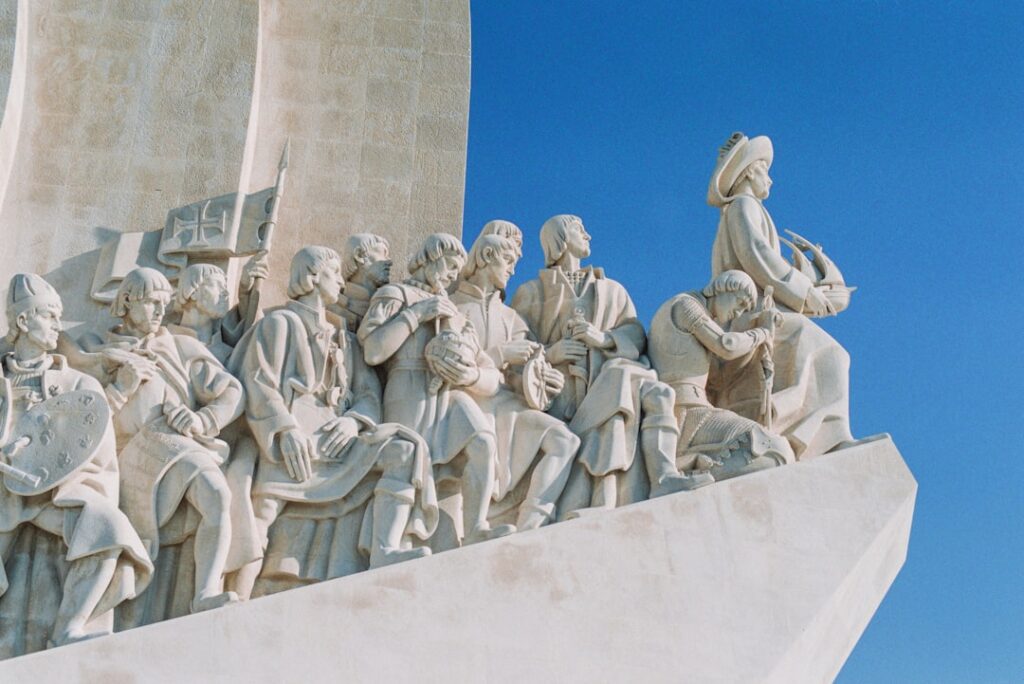
- Afternoon: Belém Tower (€6) and Monument to Discoveries. Lunch at nearby O Frade (Av. Brasília) for seafood rice (€18). Contemporary art at MAAT museum (€5).
- Evening: Sunset drinks at Park rooftop bar (Calçada do Combro) hidden above parking garage. Dinner at Cervejaria Ramiro (Av. Almirante Reis) for garlic shrimp (€22).
Day 3: Modern Lisbon & Local Life
- Morning: Metro to Oriente Station (€1.50) to explore Parque das Nações. Ride cable car over Tagus (€8). Visit Oceanário, Europe’s second-largest aquarium (€19).
- Afternoon: Time Out Market for lunch – try Marlene Vieira’s prego sandwich (€9). Explore Pink Street and climb Arco da Rua Augusta (€3) for panoramic views.
- Evening: Sunset at Miradouro da Senhora do Monte with locals. Final dinner at Taberna da Rua das Flores (Rua das Flores 103) – arrive 6:30 PM queue for innovative Portuguese tapas (€25).
Cultural Insights & Etiquette
- Language: Learn “Bom dia” (good morning), “Obrigado” (thank you – male), “Obrigada” (female). English widely spoken in tourist areas.
- Customs: Dinner typically 8-10 PM. Always greet shopkeepers when entering establishments. Don’t call Spanish and Portuguese similar – they’re distinct cultures.
- Tipping: 5-10% in restaurants if service good. Round up taxi fares. Not expected in cafes for coffee/pastries.
- Dress Code: Casual but neat – Portuguese dress well even informally. Cover shoulders/knees in churches. Comfortable shoes essential for hills.
- Business Hours: Shops 9 AM-7 PM (close 1-3 PM lunch), restaurants open until midnight. Most museums closed Mondays.
Where to Eat: Lisbon’s Best Bites
Lisbon’s food scene blends traditional tascas (taverns) with innovative chefs reinterpreting classics. Seafood dominates menus, from grilled sardines to percebes (gooseneck barnacles). Meal times run later than northern Europe – lunch 1-3 PM, dinner 8-11 PM.
Must-Try Local Specialties
- Pastéis de nata: Custard tarts best at Pastéis de Belém (original recipe since 1837) or Manteigaria (multiple locations) for €1.20 each
- Bifana: Marinated pork sandwich at As Bifanas do Afonso (Praça da Figueira 16) – €3.50 with mustard
- Grilled sardines: June-November fresh, otherwise frozen. Best at Sol e Pesca (Rua Nova do Carvalho 44) with vinho verde
Restaurant Recommendations by Budget
| Type | Restaurant | Specialty | Price Range |
|---|---|---|---|
| Budget | O Trevo (Praça Luís de Camões 48) | Bifana pork sandwiches since 1954 | €3-8 |
| Mid-range | Cervejaria Ramiro (Av. Almirante Reis 1) | Fresh seafood towers and garlic shrimp | €25-40 |
| Fine dining | Belcanto (Rua Serpa Pinto 10) | José Avillez’s 2-Michelin star modern Portuguese | €150+ tasting menu |
Where to Stay
Choose neighborhoods based on interests: Alfama for history, Bairro Alto for nightlife, Príncipe Real for design shops, or Belém for monuments. Book months ahead for June festivals. Compare prices and book at Booking.com or Airbnb for apartments.
Best Neighborhoods for Accommodation
- Alfama: Medieval quarter with fado houses and steep alleys, charming but noisy and hilly – best for photographers and romantics
- Baixa/Chiado: Central grid pattern with elegant squares, best transport links, slightly more expensive – ideal for first-timers
- Príncipe Real: Trendy area with design stores and botanical garden, quieter upscale vibe – perfect for style-conscious travelers
FAQs: Your Lisbon Questions Answered
1. Is Lisbon safe at night?
Very safe compared to other European capitals. Exercise normal precautions in Bairro Alto nightlife area and on Tram 28 (pickpocket risk). Avoid poorly lit alleys in Alfama after midnight.
2. What currency is used and are credit cards accepted?
Euro (€). Credit cards widely accepted, but carry €20-40 cash for small shops, trams, and older restaurants. ATMs widely available – use bank ATMs not Euronet for better rates.
3. How do I get from the airport to the city center?
Metro Red Line (20 mins, €1.50 + €0.50 card), Aerobus shuttle (€4, 30 mins), taxi/Uber (€10-15, 15 mins). Book airport transfers at GetYourGuide for convenience.
4. Do I need to speak the local language?
Not essential – English widely spoken in tourism. Learn basic greetings: “Bom dia” (good morning), “Por favor” (please), “Obrigado/a” (thank you). Portuguese appreciate effort.
5. What’s the appropriate dress code?
Casual but neat – Portuguese dress well even casually. Comfortable walking shoes essential for hills. Cover shoulders/knees in churches. Bring layers for evening ocean breezes.
Final Thoughts: Lisbon Awaits
Lisbon captivates with its perfect blend of ancient history and contemporary energy, all bathed in more than 300 days of annual sunshine. From the haunting sounds of fado in medieval Alfama to the modern architecture of Parque das Nações, this city offers layered discoveries at every turn. The affordable luxury, incredible seafood, and warm Portuguese hospitality make it one of Europe’s most rewarding destinations. Come for the pastéis de nata, stay for the unforgettable sunsets over the Tagus – Lisbon will steal your heart and demand return visits.
Keywords
Lisbon travel guide, Lisbon attractions, things to do in Lisbon, Lisbon itinerary, Lisbon restaurants, Lisbon hotels, visit Lisbon, Lisbon tourism, Lisbon vacation, Lisbon trip planning
Explore More Destinations
- Jozani, Tanzania on a Budget: an Ancient Forest for $35/Day (2026)
- Nsumbu, Zambia on a Budget: Wild Africa for $40/Day (2026)
- Semporna, Malaysia on a Budget: Paradise for $35/Day (2026)
- Khuzestan, Iran on a Budget: Ancient Empires for $30/Day (2026)
- Ngerulmud, Palau on a Budget: Island Majesty for $45/Day (2026)
Ready to Visit Lisbon’s Epic Trams?
Start planning your trip today. Compare hotels, find the best tours, and get insider tips.
Your adventure in Lisbon’s Epic Trams starts here →
{“@context”: “https://schema.org”, “@type”: “FAQPage”, “mainEntity”: [{“@type”: “Question”, “name”: “What is the best time to visit Lisbonu2019s Epic Trams?”, “acceptedAnswer”: {“@type”: “Answer”, “text”: “The best time to visit Lisbonu2019s Epic Trams depends on your preferences. Generally, the dry season offers the most pleasant weather for sightseeing and outdoor activities.”}}, {“@type”: “Question”, “name”: “How many days do I need in Lisbonu2019s Epic Trams?”, “acceptedAnswer”: {“@type”: “Answer”, “text”: “Most travelers spend 3-5 days in Lisbonu2019s Epic Trams to see the main attractions. A week allows for a more relaxed pace and day trips.”}}, {“@type”: “Question”, “name”: “Is Lisbonu2019s Epic Trams expensive to visit?”, “acceptedAnswer”: {“@type”: “Answer”, “text”: “Lisbonu2019s Epic Trams can be visited on various budgets. Accommodation ranges from hostels to luxury hotels, and local restaurants offer affordable dining.”}}]}
Related Guides
Explore more destinations similar to Lisbon’s Epic Trams:

