
Vanua Levu, Fiji Weekend: Waterfalls, Copra, and the Wild Heart of the South Pacific (2026)
The air smells of damp earth and crushed frangipani as you step off the plane at Savusavu Airport. A rooster crows somewhere in the dense green hills, and the distant rhythm of a wooden tapa mallet echoes from a village. This is Vanua Levu, Fiji’s second-largest island, where the pace slows to a gentle island hum and the real Fiji—untamed, authentic, and deeply warm—unfolds before you. You have 48 hours to taste its soul.
Quick Facts Before You Go
- Best Months: May to October (dry season, lower humidity, fewer mosquitoes)
- Currency: Fijian Dollar (FJD); roughly 1 USD = 2.20 FJD
- Language: Fijian and Fiji Hindi; English is widely spoken in towns and resorts
- Budget: 150–250 FJD per day for mid-range travel (meals, transport, one activity)
- Getting There: Fly into Savusavu Airport (SVU) from Nadi (1 hour, 200–300 FJD one-way). Book at Skyscanner
Day 1: Savusavu Sunrise and the Copra Coast
You wake before dawn to the sound of the Pacific lapping against the shore. The air is cool and sweet with hibiscus. Your best bet is to grab a coffee from your resort—or, if you’re staying at the budget-friendly Daku Resort, a fresh papaya from the garden—and walk the half-mile to the Savusavu Hot Springs. Locals recommend arriving by 6:30 a.m., when the steam rises through the mangroves and the only sounds are birdsong and the hiss of geothermal vents. This is your first taste of the island’s raw, volcanic pulse.
- Morning (8-11am): Head to the Savusavu Farmers Market (open daily 6am–4pm, free entry). You’ll find piles of taro, cassava, and the sweetest pineapples you’ve ever tasted. Buy a bag of fresh coconut chips (5 FJD) and chat with the vendors—many speak English and will happily explain how to cook palusami (taro leaves in coconut cream). Most tourists miss this market; you won’t.
- Lunch: Walk five minutes to Surf ‘n’ Turf Restaurant on the waterfront. Order the kokoda—Fiji’s raw fish salad marinated in lime and coconut cream (22 FJD). The view of Savusavu Bay is postcard-perfect, and the owner, a former surfer from New Zealand, will tell you stories of the local reef breaks.
- Afternoon (1-5pm): Drive 20 minutes north to Waisali Rainforest Reserve (entry 15 FJD per person). The trail winds through towering ferns and banyan trees to a series of waterfalls. You’ll hear the thunder before you see the first cascade. Swim in the cool, tea-colored pool at the base of the main waterfall—locals say it’s sacred. Plan to spend at least two hours here. Afterwards, visit the Copra Shed Marina (free) in Savusavu town—a historic building from the 1920s that once processed copra (dried coconut) for export. Today it houses small shops and a café.
- Evening: Dinner at Captain’s Café (seafood platter for two, 70 FJD). The atmosphere is casual and lively—you’ll hear Fijian hymns sung by a local choir some evenings. After dinner, walk to the Savusavu Yacht Club (free entry) for a sunset drink. The bar is a wooden deck over the water, and the regulars—yachties from around the world—will welcome you like family.

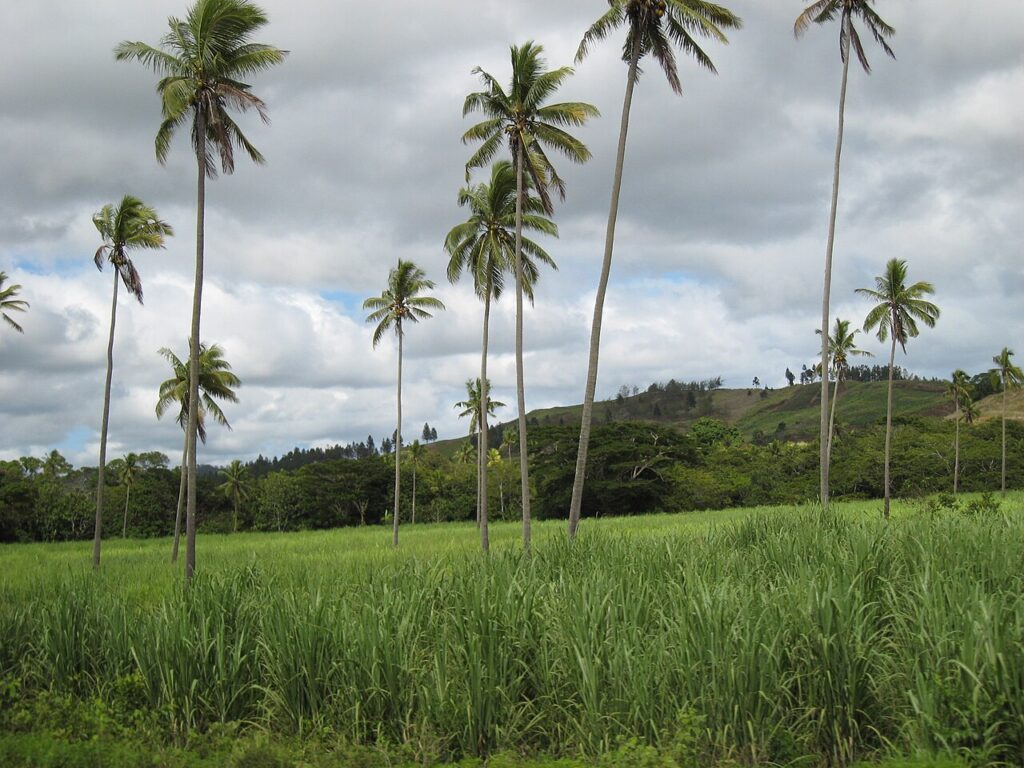
Between Naquma & Nanduri, Vanua Levu, Fiji
Day 2: The Wild North and a Farewell Feast
Your second day begins with a different energy—you’re heading inland, where the road turns to gravel and the jungle closes in. Travelers often discover that the true heart of Vanua Levu lies not on the coast but in the highland villages, where life has changed little in centuries. You’ll need a 4WD for this day; your best bet is to rent one from Savusavu Rentals (120 FJD/day) or join a guided tour with Tropical Discovery Fiji (200 FJD per person, including lunch).
- Morning (7-10am): Breakfast at Savusavu Hot Springs Bakery (fresh roti and curry, 10 FJD). Then drive 45 minutes to Vunisea Village, a traditional Fijian settlement tucked into the hills. Arrange a visit through a local guide (ask at the bakery—they know everyone). You’ll be welcomed with a kava ceremony—a ritual drink made from the ground root of the yaqona plant. Accept it with both hands and clap once before drinking. It’s a sign of respect.
- Midday (11am-1pm): Visit Nabouwalu Waterfall (entry 10 FJD per person), a 30-minute hike from the village. The trail is muddy and steep, but the reward is a 40-meter cascade plunging into a deep, emerald pool. Insider tip: arrive by 11 a.m. before the tour groups from the coast arrive. You’ll have the place almost to yourself.
- Afternoon (1-4pm): Drive to Labasa, the island’s second-largest town (1 hour from Vunisea). Explore the Labasa Market (open daily until 5pm), where you’ll find spices, woven baskets, and fresh seafood. Savvy visitors know to buy a bag of dried chili flakes (5 FJD) as a souvenir—they’re a local specialty. Walk down Main Street for a glimpse of colonial-era architecture, including the 1920s courthouse.
- Final Evening: Return to Savusavu for a farewell dinner at Kava & Curry, a family-run restaurant tucked behind the marina. Order the lamb curry with roti (25 FJD) and a fresh coconut water (5 FJD). The owner, a Fijian-Indian woman named Asha, learned the recipe from her grandmother. As you eat, the sound of the waves and the scent of frangipani will make you wish you had booked a longer stay.

A red sea anemone on a coral reef, Vanua Levu, Fiji
The Food You Can’t Miss
Fijian food is a love letter to the land and sea—simple, fresh, and deeply satisfying. You’ll find it on street corners and in home kitchens, not in fancy restaurants. The dish you must try is kokoda, a raw fish salad cured in citrus and coconut cream. Locals recommend the version at Surf ‘n’ Turf (22 FJD), where the fish is caught that morning and the lime is from the owner’s backyard. For a street-food experience, head to the Savusavu Farmers Market and look for a woman named Lita—she sells roti parcels (5 FJD each) stuffed with spiced potato and pumpkin. She’s been there for 15 years, and her secret is a pinch of ground coriander.
Another must-try is palusami, taro leaves baked in coconut cream and wrapped in banana leaves. You’ll find it at Captain’s Café (18 FJD for a generous portion), served with steamed cassava. The texture is creamy and earthy, and the coconut cream adds a sweetness that balances the slight bitterness of the taro. For dessert, seek out vakalolo, a steamed pudding made from cassava, coconut, and sugar. The best version is at Daku Resort’s Sunday buffet (35 FJD per person)—a splurge, but worth every cent.
Don’t leave without tasting fresh coconut water from a roadside stall (2 FJD). The vendors will chop the top off with a machete and hand you the whole nut. Drink it on the spot—the water is cool, slightly sweet, and tastes like the essence of the island.

A body of water with trees in the background, Vanua Levu, Fiji
Where to Stay for the Weekend
For a weekend on Vanua Levu, your best bet is to base yourself in or near Savusavu, the island’s main hub. The town is small but charming, with a waterfront promenade, a handful of restaurants, and easy access to the best attractions. For a mid-range stay, book the Daku Resort (from 180 FJD/night), a family-run property with simple bungalows set in lush gardens. You’ll wake to the sound of birds and the smell of frangipani. The owners offer free cultural tours and cooking classes, which seasoned travelers love. Check availability at Booking.com.
For a splurge, reserve a bure (traditional Fijian cottage) at Savasi Island Resort (from 450 FJD/night), a private island connected to the mainland by a short causeway. Each bure has a plunge pool and outdoor shower, and the restaurant serves exceptional seafood. It’s the perfect place for a romantic weekend. Find it on Airbnb.
Before You Go: Practical Tips
- Getting Around: Rent a 4WD from Savusavu Rentals (120 FJD/day) or use shared taxis (30 FJD per trip within town). Buses are cheap (5 FJD) but slow and unreliable. Most travelers prefer renting a car for flexibility.
- What to Pack: Reef-safe sunscreen (the local coral is fragile), a light rain jacket (sudden showers are common), sturdy walking shoes for the waterfall hikes, and a sarong or sulu (you’ll need it for village visits—it’s disrespectful to wear shorts).
- Common Tourist Mistakes: Many visitors skip the kava ceremony because they’re nervous about the taste (it’s earthy and slightly numbing). Don’t—it’s a vital part of Fijian hospitality. Also, avoid wearing hats in villages; it’s considered rude.
- Money-Saving Tip: Eat at the Savusavu Farmers Market for breakfast and lunch—you’ll spend 10–15 FJD per meal versus 25–30 FJD at restaurants. The market roti and coconut water are as good as anything you’ll find in town.
Related Guides
Explore more destinations similar to Vanua Levu:

