
Beyond the Phosphate Bones: How Nauru’s Resilient Spirit Defies a Scarred Paradise (2026)
In 1968, as Nauru hoisted its own flag for the first time, the island’s phosphate wealth had already made its 3,000 citizens among the richest per capita on Earth. Yet by the 1990s, that same treasure had stripped the interior into a lunar landscape of jagged coral pinnacles—a haunting monument to extraction. What survives today is a story not of loss, but of quiet defiance: a Micronesian nation that dances, fishes, and laughs in the shadow of its own history.
The Story Behind Nauru, Micronesia
Nauru’s history is a series of violent interruptions. First came German annexation in 1888, when the island was lumped into the Marshall Islands protectorate. Then, during World War I, Australian forces seized it without a fight. But the real transformation began in 1906, when the Pacific Phosphate Company started mining the island’s rich guano deposits. By 1920, the League of Nations handed control to Australia, New Zealand, and Britain as a mandated territory—and the phosphate flowed out, year after year, fueling farms as far away as New Zealand.
World War II brought Japanese occupation from 1942 to 1945. The Japanese forced 1,200 Nauruans to labor on Truk (now Chuuk), where many died. When the war ended, the survivors returned to find their island hollowed. Yet Nauru’s greatest irony came with independence in 1968. The Nauru Phosphate Corporation became the engine of a tiny welfare state: free housing, free electricity, free medical care. For a decade, Nauruans enjoyed a lifestyle that would make many Westerners envious. But the phosphate ran out. By 2000, the island was broke, and the government turned to hosting an Australian detention center for asylum seekers—a controversial chapter that still shapes global perceptions.
Today, you’ll find a nation of about 10,000 people living on a 21-square-kilometer speck. The scars are visible, but so is the life. Locals will tell you that Nauru is not a sad story—it’s a lesson in survival. And as you walk its single ring road, you’ll feel that tension everywhere: between the ruined interior and the turquoise lagoon, between the past and the present.
Neighborhood by Neighborhood
Yaren District: The Accidental Capital
Yaren is not a city—there are no cities in Nauru—but it functions as the administrative heart. You’ll recognize it by the Parliament House, a modest white building that looks more like a community hall, and the simple whitewashed Catholic and Protestant churches that stand side by side. The real pulse, though, is the Yaren waterfront. Here, along the coastal road, you’ll find the Nauru Local Government Council building and the tiny Nauru Museum, which holds artifacts from the German and Japanese eras. The museum is open only a few hours a week, so plan to visit on a Wednesday or Saturday morning. The air here smells of salt and crushed coral, and you’ll often see children swimming off the concrete jetty. Locals gather at the nearby Anibare Bay for weekend picnics, grilling reef fish over open fires. Your best bet is to arrive early, when the heat is still bearable, and watch the fishing boats return with their catch.
Aiwo District: The Industrial Soul
Aiwo is where Nauru’s past and present collide. This is the port district, where the phosphate ships once docked and where the giant cantilever loading arm still stands—a rusting relic against the blue sky. You’ll feel the grit of history here. The old phosphate railway tracks cross the road, and the Aiwo Boat Harbour is active with small vessels. The neighborhood has a raw, working-class energy. The Aiwo Hotel, one of the island’s few accommodations, sits here, a no-frills spot where expat workers and traveling officials share stories over tinned beer. Don’t miss the Aiwo Fish Market, which runs from 6:00 to 8:00 AM daily. You’ll find parrotfish, tuna, and the occasional lobster. It’s not a tourist attraction—it’s a slice of daily life. Savvy visitors know to bring a cooler and buy fresh fish to cook at their guesthouse.
Denigomodu District: The Community Heart
Denigomodu is where many Nauruans live, and it feels more residential than the coastal districts. The houses are simple concrete bungalows with tin roofs, surrounded by breadfruit and coconut trees. The real draw here is the Denigomodu Oval, a sports field where rugby and soccer matches happen on weekends. You’ll hear the cheers from the road. Nearby, the Nauru Secondary School stands as a testament to the island’s emphasis on education. Locals recommend the small store near the oval for cold drinks and snacks—a good spot to rest during a walk. The neighborhood also has a few small churches where you might hear hymns sung in Nauruan, a language that mixes Micronesian and Polynesian roots. If you’re curious about daily life, this is where you’ll see it: women weaving pandanus mats, children playing cricket with a tennis ball, and the slow rhythm of island time.
The Local Table: What Nauruans Actually Eat
Nauruan cuisine is a reflection of its isolation and its history. You won’t find elaborate restaurants or Michelin stars. Instead, you’ll discover a food culture built on the ocean and the land. Coconuts, breadfruit, and pandanus fruit are staples. Fish—especially skipjack tuna, yellowfin, and reef fish—is the protein of choice. But the most iconic dish is ika, a raw fish salad marinated in lime juice and coconut cream, similar to the Polynesian poke or the Fijian kokoda. Locals prepare it with freshly caught fish, diced onion, and a sprinkle of chili. It’s served at family gatherings and Sunday feasts.

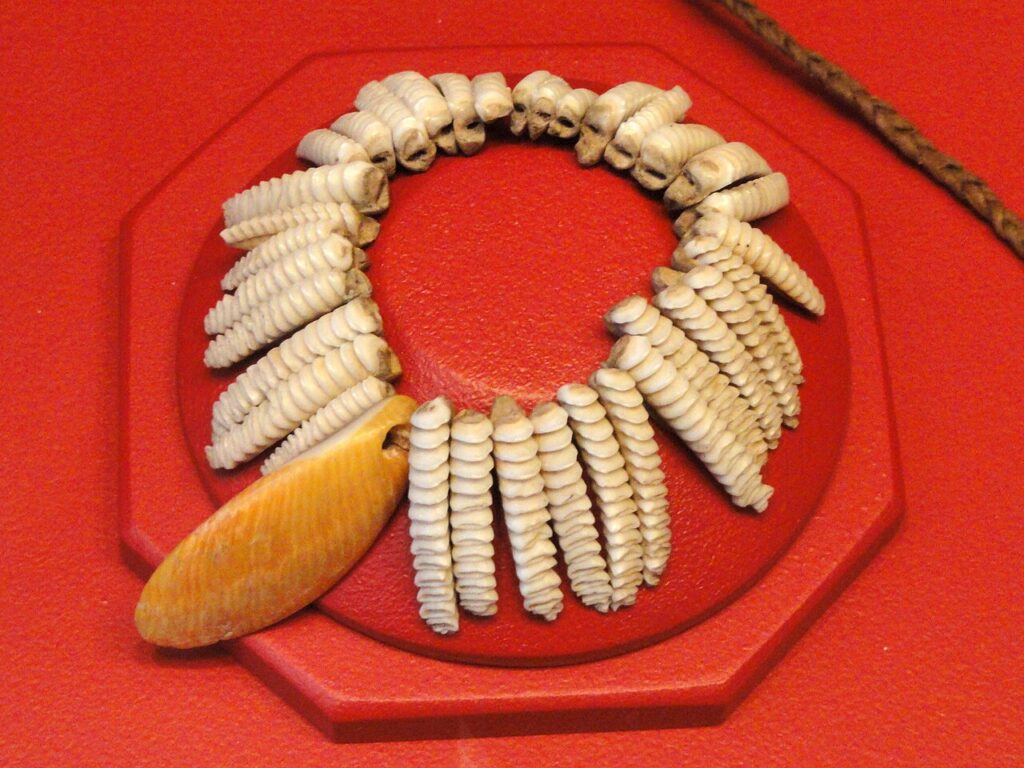
Microphotographie visible sur mon site internet personnel : http://arenophile, Nauru, Micronesia
For the full experience, head to the Nauru Local Government Council market in Yaren on Saturday mornings. Here, you’ll find women selling homemade pandanus paste—a sweet, fibrous treat made from the fruit of the pandanus tree. It tastes like a cross between dates and dried mango. Another must-try is palau, a dessert of grated cassava wrapped in banana leaves and steamed. The market is small but authentic. You’ll also find imported rice and tinned goods, a reminder that Nauru imports most of its food. For a cooked meal, the Capelle & Partner supermarket in Aiwo has a small hot-food counter where you can grab fried fish and rice for about AU$5. It’s not fancy, but it’s where locals eat.
One dish you must seek out is coconut crab, a land crab that feeds on coconuts and grows to the size of a cat. It’s a delicacy, but it’s also endangered, so locals only hunt it on special occasions. If you’re invited to a family feast and it’s served, consider yourself honored. The meat is rich, buttery, and unforgettable. Your best bet for trying it is to befriend a local—Nauruans are famously hospitable—and ask about their traditional cooking methods.
Art, Music & Nightlife
Nauru’s creative scene is small but vibrant. The national music tradition is te ibonga, a form of choral singing that blends Micronesian harmonies with Christian hymns. You’ll hear it at Sunday church services, particularly at the Nauru Congregational Church in Yaren. The island also has a strong tradition of stick dancing, a rhythmic performance where dancers use bamboo sticks to create percussive patterns. It’s performed at the annual Nauru Independence Day celebrations on January 31, a festival that includes parades, canoe races, and a massive community feast. If you’re lucky enough to be on the island during this time, you’ll see the entire population gather at the sports field.
Nightlife is minimal but friendly. The only real bar is the Reef Bar at the Menen Hotel, a beachfront spot where you can sip a cold beer while watching the sunset over Anibare Bay. It’s open from 5:00 PM to 10:00 PM most nights. The vibe is relaxed—think expats, government workers, and a few tourists swapping stories. There’s no dance floor, no DJ, just a jukebox and the sound of waves. For a more local experience, look for community gatherings at the Aiwo Oval on Friday evenings. You might find a volleyball game or a barbecue. Travelers often discover that the best night out in Nauru is a night spent stargazing on the beach—the light pollution is almost nonexistent.
Practical Guide
- Getting There: Nauru International Airport (INU) receives flights from Brisbane, Australia (via Nauru Airlines, 4 hours), and from Nadi, Fiji (via Fiji Airways, 2.5 hours). Flights are infrequent—sometimes only twice a week—so book well in advance. Check Skyscanner for options.
- Getting Around: There is no public transport. Your best bet is to rent a car from one of the few agencies (around AU$60 per day) or hire a taxi (AU$10–15 for any trip on the island). The ring road is only 19 kilometers long, so cycling is also an option—bring your own bike.
- Where to Stay: The Menen Hotel in Yaren (from AU$150/night) is the best option, with air conditioning and a restaurant. The Aiwo Hotel (from AU$100/night) is more basic but closer to the port. For budget travelers, the Od-N-Aiwo Hotel (from AU$80/night) offers simple rooms. Check Booking.com for availability.
- Best Time: Visit between June and October, when the southeast trade winds keep temperatures bearable (26–30°C). Avoid November to February, when the rainy season brings humidity and mosquitoes.
- Budget: Expect to spend AU$150–250 per day, including accommodation, food, and transport. Cash is king—ATMs are rare, and credit cards are accepted only at the Menen Hotel and Capelle supermarket.

Vibrant tropical beach with clear waves and rocky shore under a blue sky., Nauru, Micronesia
What Surprises First-Time Visitors
The first surprise is the landscape. You’ve seen photos of Nauru’s phosphate mine—a barren, otherworldly wasteland of jagged coral pinnacles. But what you won’t expect is how the island’s coast remains lush and beautiful. The ring road hugs a coastline of white sand beaches, turquoise lagoons, and swaying palms. The contrast is jarring: one side is a postcard, the other is a science fiction set. Travelers often spend their first day just driving the loop, trying to reconcile the two Naurus.
The second surprise is the people. Nauruans are incredibly warm and curious. You’ll be greeted with a smile and a “Hello, where you from?” wherever you go. But there’s also a quiet reserve—a sense that the island has been misunderstood. Locals are proud of their culture and their resilience, and they appreciate visitors who show genuine interest. Don’t be surprised if you’re invited to a family dinner or a church service. The secret is to accept every invitation; it’s how you’ll truly understand Nauru.
Finally, visitors are shocked by how quiet the island is. There are no traffic jams, no honking horns, no neon signs. The loudest sounds are the waves, the wind in the palms, and the occasional rooster. For many, this silence is a gift—a chance to slow down and breathe. But if you’re used to constant stimulation, you might feel a bit lost. The trick is to embrace it. Bring a book, a snorkel, and an open mind. Nauru rewards patience.
Your Nauru, Micronesia Questions
Is it safe to travel to Nauru? Yes, Nauru is one of the safest places in the Pacific. Violent crime is almost nonexistent, and locals are honest and helpful. The main risks are sunburn, dehydration, and the occasional stray dog. You should also be aware that the Australian detention center is located on the island, but it’s in a restricted area far from where tourists go. You won’t encounter it unless you seek it out. Just use common sense: don’t walk alone at night on unlit roads, and keep your valuables secure.
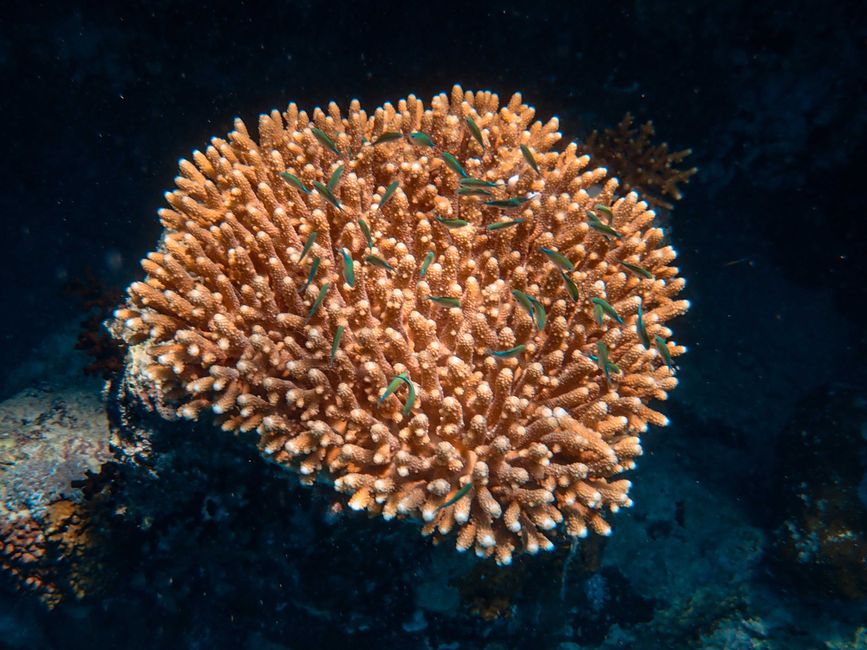
Close-up of a healthy coral colony with small fish, Nauru, Micronesia
Do I need a visa to visit Nauru? Yes, all visitors need a visa, and it’s not straightforward. You must have a confirmed hotel booking and a return ticket. The easiest way is to apply through the Nauru Government’s online visa system at least two weeks in advance. The visa costs AU$50 and is usually valid for 30 days. Note that flights are limited, so plan your itinerary carefully. If you’re transiting through Australia, you’ll also need an Australian transit visa.
What can I do for fun in Nauru? The main activities are snorkeling, fishing, and exploring. Anibare Bay is the best swimming spot, with calm, clear water and a sandy bottom. The Buada Lagoon, a freshwater lake in the interior, is perfect for a peaceful paddle. History buffs will want to visit the Japanese WWII bunkers near the airport and the old phosphate railway. But the real joy of Nauru is simply walking the ring road, stopping to talk to fishermen, and watching the sun set over the Pacific. It’s a place for reflection, not for a packed itinerary. Bring a snorkel, a good book, and a sense of adventure.

