
Saint-Malo, France Weekend: Crêpes, Corsairs & The Best Oysters North of Cancale (2026)
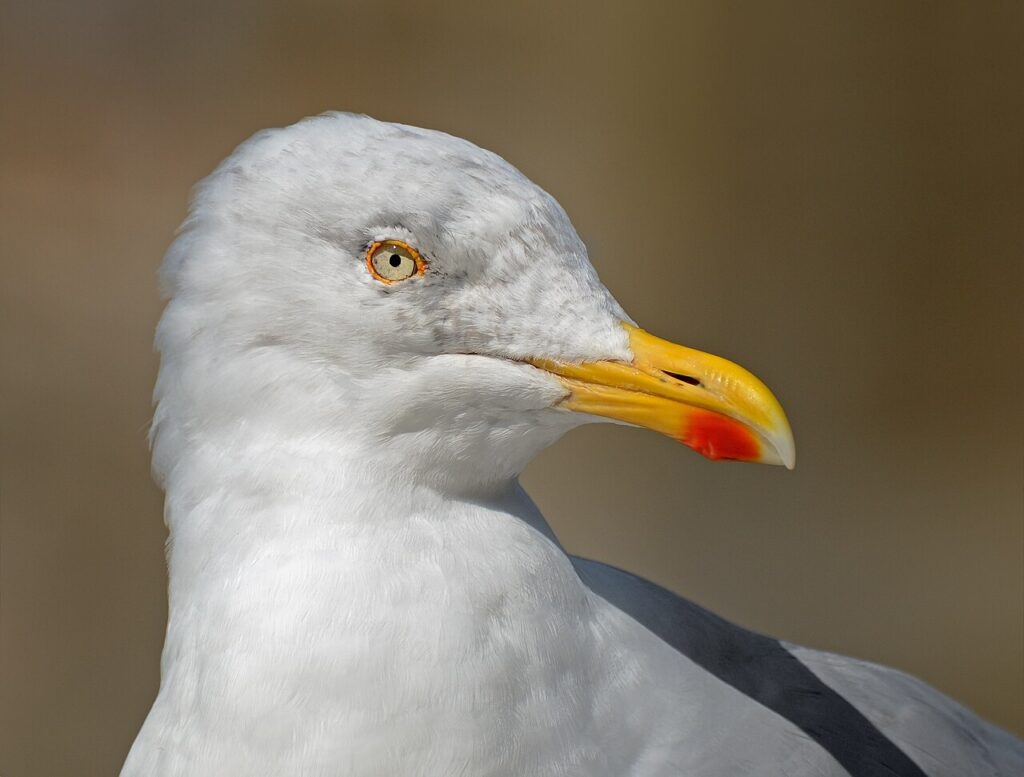
The first thing you notice is the salt—not just on the breeze, but in the air itself, thick as a maritime blanket. You’re standing atop the ancient ramparts of Saint-Malo, the tide roaring in to reclaim the beaches below, and the cry of gulls mingles with the clatter of a nearby crêperie. This is a city that has weathered centuries of storms, sieges, and secrets, and it’s all waiting for you in a single, unforgettable weekend.
Quick Facts Before You Go
- Best Months: May to September (warmest weather, festival season) or October to April (fewer crowds, dramatic tides). July and August are peak tourist season.
- Currency: Euro (€). As of early 2025, roughly €1 = $1.08 USD or £0.85 GBP.
- Language: French. English is widely spoken in tourist areas, but locals appreciate a simple “Bonjour” and “Merci.”
- Budget: €80–€150 per day (mid-range: meals at €15–€30, accommodation at €100–€200 per night).
- Getting There: Fly into Rennes–Saint-Jacques Airport (RNS) or Dinard–Pleurtuit–Saint-Malo Airport (DNR). Direct flights from London (1h15m) and Paris (1h). Book at Skyscanner
Day 1: The Ramparts & The Rising Tide
You start the morning at the Porte Saint-Vincent, the grand medieval gate that feels like stepping into a storybook. The air is cool, the cobblestones damp from the morning mist, and the first rays of sun hit the granite walls. Most tourists are still asleep, so you have the ramparts almost to yourself—a perfect moment to feel the pulse of this fortified city.
- Morning (8-11am): Walk the full circuit of the Ramparts of Saint-Malo (free, 2km loop). Start at the Bastion de la Hollande for the best panoramic views of the bay and the tidal islands. Allow 1.5 hours with stops. Insider tip: Go counter-clockwise to avoid the crowds heading to the beach.
- Lunch: Head to Crêperie Le Tournesol (12 Rue de la Corne de Cerf). Order the “Complète” galette (ham, egg, and cheese, €11.50) and a bowl of cider from the local Domfrontais region (€4.50). The buckwheat crêpe is crispy, the egg runny—pure Breton perfection.
- Afternoon (1-5pm): First, visit the Château de Saint-Malo (€6, free under 18). The museum inside details the city’s corsair history—you’ll learn about Surcouf, the legendary privateer who raided British ships. Then, at low tide, walk across the sand to the Fort National (€3, guided tours at 2pm and 4pm). Built by Vauban in 1689, this tidal fort is only accessible for 2-3 hours before the sea returns. Savvy visitors bring a tide chart from the tourist office.
- Evening: Dinner at Le Bistrot de l’Abbaye (2 Rue de la Crosse, €35–€45 per person). Order the “Plateau de Fruits de Mer” (mixed seafood platter, €28 for two) and a glass of Muscadet Sèvre et Maine (€6). Afterward, walk to the Beach of Sillon for a sunset stroll—the golden light against the granite walls is magical. Locals often bring a blanket and a bottle of cider to watch the tide roll in.

Monument to the Fallen of World War II in Saint-Malo (Ille-et-Vilaine, France)., Saint-Malo, France
Day 2: Islands, Oysters & The Old Town
- Morning: Take the 9am ferry from the Gare Maritime to Île de Cézembre (€15 round trip, 30-minute crossing). This uninhabited island was a WWII bombing target and still bears craters. You’ll find a beautiful sandy beach, a small café serving moules-frites (€12), and a chapel built by German soldiers. Bring sturdy shoes for the 2km walking trail. Insider tip: The ferry runs only between April and October; check the tide schedule online.
- Midday: Return to the mainland and head to Le Marché aux Huîtres (the oyster market) on the Quai de la Houle. Here, local farmers shuck fresh oysters for €8–€12 per dozen. Your best bet is to order a “douzaine” (dozen) of “Fines de Claire” (€10) with a squeeze of lemon and a glass of dry white wine (€3). The saltiness is oceanic, the texture silky—a true Breton ritual.
- Afternoon: Explore the Intra-Muros (the walled old town). Wander the narrow streets like Rue de la Soif (“Thirst Street”) and Rue du Boyer. Stop at La Maison du Biscuit (5 Rue de la Corne de Cerf) for a free sample of “galettes bretonnes” (butter cookies, €4 per bag). Then, climb the Tour Solidor (€4, open until 5pm) for a view of the Rance River estuary—it’s less crowded than the ramparts and offers a different perspective.
- Final Evening: For your farewell dinner, book a table at Le Coquillage (1 Rue de la Crosse, €50–€70 per person). The chef, a local legend, serves a “Saint-Malo-style” bouillabaisse (€28) with saffron, mussels, and langoustines. End with a “Kouign-Amann” (a caramelized butter cake, €9) and a glass of Pommeau (apple aperitif, €7). Afterward, walk the ramparts by moonlight—the city glows like a jewel.

Assorted board signage, Saint-Malo, France
The Food You Can’t Miss
You can’t visit Saint-Malo without diving headfirst into its seafood culture. The bay of Mont-Saint-Michel, just 30 minutes away, produces some of Europe’s best oysters—especially the “Fines de Claire” and “Spéciales de Cancale.” Locals recommend eating them raw, with just a squeeze of lemon and a crusty baguette. For a street-food twist, grab a “galette saucisse” (sausage in a buckwheat crêpe, €5) from a stall near the Porte Saint-Vincent—it’s a Breton classic that travelers often discover on late-night walks.

Gray building on seashore at daytime, Saint-Malo, France
Beyond seafood, the crêpe is king. For a sit-down meal, Crêperie La Brigantine (7 Rue de la Corne de Cerf) serves a “Chouchen” galette (with honey and caramelized apples, €13) that’s pure comfort. Pair it with a bowl of “cidre brut” (dry cider, €4) from the local Domfrontais region—it’s apple-forward, slightly fizzy, and perfect for cutting through the richness. The secret is to order the galette first, then a sweet crêpe for dessert: the “Crêpe Suzette” (€10) flambéed at your table is a showstopper.
For a truly local experience, join the Sunday morning fish market (Place de la Poissonnerie, 8am–12pm). Here, you’ll find fishermen selling the morning’s catch—sea bass, mackerel, and langoustines—at half the restaurant price. Grab a bag of “moules de bouchot” (rope-grown mussels, €4 per kilo) and cook them yourself at your Airbnb. It’s the kind of meal that makes you feel like a true Malouin.
Where to Stay for the Weekend
For atmosphere, stay inside the Intra-Muros (walled city). The streets are narrow, the buildings centuries old, and you’ll wake to the sound of church bells and gulls. Hôtel Le Nouveau Monde (2 Rue de la Crosse, €150–€250 per night) offers rooms with sea views and a rooftop terrace—perfect for watching the tide. Book via Booking.com.
If you prefer modern comfort, the Courtoisville neighborhood (just south of the walls) is quieter and more residential. Hôtel La Rance (10 Rue de la Rance, €100–€180 per night) has a family-run feel and a garden where you can eat breakfast. For budget travelers, Auberge de Jeunesse HI Saint-Malo (1 Rue de la Crosse, €30–€40 per night) is clean, central, and includes breakfast. Check Airbnb for apartments in the Intra-Muros—many have tiny kitchens and views of the ramparts.
Before You Go: Practical Tips
- Getting Around: Saint-Malo is walkable—everything in the Intra-Muros is within 15 minutes. For the beaches or the ferry terminal, rent a bike from Vélo Malouin (€15/day) or take the local bus (€1.50 per ride). The Saint-Malo–Cancale bus (line 5, €2) runs hourly for a day trip.
- What to Pack: A windproof jacket (the sea breeze is relentless), sturdy walking shoes (cobblestones are unforgiving), a swimsuit (the beaches are beautiful in summer), and a tide chart (download the “Marée” app for free).
- Common Tourist Mistakes: Don’t skip the tide schedule—you can get stranded on tidal islands like Fort National if the water comes in. Also, don’t order a “crêpe” at lunch; locals eat galettes (savory buckwheat crêpes) first, then sweet crêpes for dessert.
- Money-Saving Tip: Buy a “Carte Malouin” from the tourist office (€12). It gives you discounts on ferry tickets (20% off to Île de Cézembre), museum entry (€1 off), and a free crêpe at participating crêperies. If you’re traveling as a couple, the card pays for itself after two attractions.
Explore More Destinations
- Jozani, Tanzania on a Budget: an Ancient Forest for $35/Day (2026)
- Nsumbu, Zambia on a Budget: Wild Africa for $40/Day (2026)
- Semporna, Malaysia on a Budget: Paradise for $35/Day (2026)
- Khuzestan, Iran on a Budget: Ancient Empires for $30/Day (2026)
- Ngerulmud, Palau on a Budget: Island Majesty for $45/Day (2026)
Ready to Visit Saint-Malo?
Start planning your trip today. Compare hotels, find the best tours, and get insider tips.
Your adventure in Saint-Malo starts here →
Related Guides
Explore more destinations similar to Saint-Malo:
- Plovit Divjak, Croatia: Best Waterfalls, Medieval Mystique & Mountain Serenity (2025)
- Koh Kong, Cambodia’s Hidden Waterfalls, Mangroves & Untamed Wilderness (2025)
- Valdez, USA’s Essential Glaciers, Wildlife & Alaskan Adventure (2025)
- Stunning Seville Secrets’s Epic Best Places to Visit (2025)
{“@context”: “https://schema.org”, “@type”: “FAQPage”, “mainEntity”: [{“@type”: “Question”, “name”: “What is the best time to visit Saint-Malo?”, “acceptedAnswer”: {“@type”: “Answer”, “text”: “The best time to visit Saint-Malo depends on your preferences. Generally, the dry season offers the most pleasant weather for sightseeing and outdoor activities.”}}, {“@type”: “Question”, “name”: “How many days do I need in Saint-Malo?”, “acceptedAnswer”: {“@type”: “Answer”, “text”: “Most travelers spend 3-5 days in Saint-Malo to see the main attractions. A week allows for a more relaxed pace and day trips.”}}, {“@type”: “Question”, “name”: “Is Saint-Malo expensive to visit?”, “acceptedAnswer”: {“@type”: “Answer”, “text”: “Saint-Malo can be visited on various budgets. Accommodation ranges from hostels to luxury hotels, and local restaurants offer affordable dining.”}}]}

