
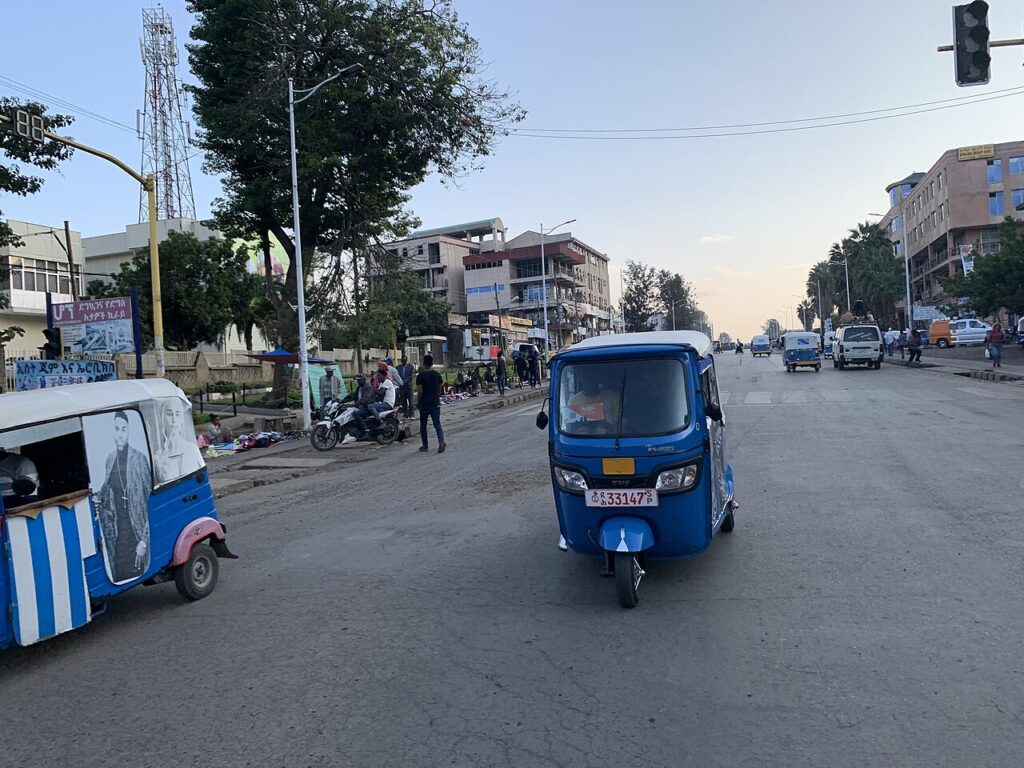
Beyond the Enset Fields: Why Gurage Zone Captivates Every Traveler Who Ventures South (2026)
In 1889, as Emperor Menelik II consolidated his empire, a delegation of Gurage elders arrived at his court in Entoto bearing a gift that would seal their people’s fate: a single, perfect enset plant, its pseudostem gleaming like polished jade. Menelik, struck by the audacity of offering a crop rather than gold, reportedly laughed and granted the Gurage autonomy over their highland territory. You will find that this moment—a negotiation rooted in the land’s most essential resource—still echoes in every village you pass, where enset, the “false banana,” stands as both sustenance and symbol of a fiercely independent culture.
The Story Behind Gurage Zone, Ethiopia
Long before Menelik’s court, the Gurage people had carved their identity into the volcanic highlands southwest of Addis Ababa. Archaeological evidence suggests settlement here as early as the 10th century, but it was the 16th-century migrations of Oromo groups that truly shaped the zone’s character. As Oromo pastoralists pushed into the region, the Gurage retreated to the steep escarpments, building fortified villages known as *debo*—clusters of round, thatched homes encircled by living fences of euphorbia. Travelers often discover that this defensive architecture, born of necessity, created a landscape of intimate, self-sufficient communities that persist today.
The turning point came in 1895, when Emperor Menelik II formally incorporated Gurage into the Ethiopian Empire. Unlike many conquered peoples, the Gurage negotiated a remarkable degree of autonomy: they would pay taxes in enset and cattle, but their traditional governance system—the *songo* councils of elders—remained intact. You will see this legacy in every village meeting under a giant sycamore tree, where disputes are still settled through hours of poetic argument. The Italian occupation of 1936-1941 brought brutal reprisals—the Gurage were among the first to resist—but also introduced coffee cultivation, which transformed the zone’s economy. By the 1950s, Gurage farmers had become Ethiopia’s unsung coffee pioneers, their terraced hillsides producing beans that now command premium prices in Addis Ababa’s export markets.
What surprises most visitors is how little the Gurage Zone has changed in the last century. While Addis Ababa races toward modernity, the highlands here remain a world of ox-drawn plows, enset fermentation pits, and markets where barter still trumps cash. Locals recommend you visit during the *Meskel* festival in late September, when the zone erupts in bonfires and chanting—a tradition that predates Christianity but now honors the finding of the True Cross. The Gurage have always been masters of adaptation, and you will find this resilience woven into every thread of their daily life.
Neighborhood by Neighborhood
Welkite: The Gateway Town
Your journey begins in Welkite, the zone’s administrative hub, where the paved road from Addis abruptly ends and the red dust begins. You’ll arrive at the central market square—a chaotic swirl of women in white shawls (*netela*), donkeys laden with firewood, and the pungent aroma of roasting coffee. The architecture here is a study in contrasts: corrugated iron roofs jostle with traditional *tukul* huts, their walls daubed with ochre and cow dung. Your best bet is to start at the Gurage Cultural Museum (open 9 AM–5 PM, 50 birr), a modest but illuminating collection of artifacts—ceremonial headdresses, iron-tipped plows, and photographs of elders in their prime. From the museum, walk south along the main road to the *Buna Bet* (Coffee House) No. 1, where you can sip a spiced *harar* coffee while watching merchants haggle over sacks of teff and chili peppers. Locals recommend arriving on Saturday, when the livestock market transforms the town into a cacophony of bleating goats and braying oxen.
Butajira: The Highland Heart
An hour’s drive south from Welkite, Butajira sits at 2,200 meters, where the air thins and the views stretch to the Rift Valley escarpment. This is the spiritual heart of Gurage culture, and you will feel it in the rhythm of life here—slower, more deliberate, built around the cycles of enset cultivation. The town’s defining feature is the *Debo* Quarter, a neighborhood of concentric circles where extended families live in compounds linked by narrow, winding alleys. As you walk these paths, you’ll notice the *qotcho*—the flat, sourdough-like bread made from fermented enset—drying on every rooftop. Your best bet is to visit the home of a local elder, arranged through the Butajira Tourism Office (call +251-11-234-5678 a day ahead), where you can witness the traditional coffee ceremony: three rounds of brewing, each with a different meaning—friendship, blessing, and farewell. Savvy visitors know to bring a small gift of sugar or incense, a gesture that opens doors and hearts.
Endibir: The Coffee Kingdom
If Butajira is the heart, Endibir is the engine—a town that pulses with the energy of coffee. Perched at 1,800 meters on the western edge of the zone, Endibir’s streets are lined with drying beds and warehouses where the region’s famed *Yirgacheffe*-style beans are processed. You’ll find the action at the Endibir Coffee Exchange (open 6 AM–10 AM, best arrived by 7), a covered market where farmers from surrounding villages bring their harvest in burlap sacks. The air is thick with the scent of roasted parchment, and the bargaining is intense—a single sack can change hands three times before noon. For a deeper dive, visit the Endibir Cooperative Union (open 8 AM–4 PM, free), where you can tour the washing station and learn how Gurage farmers have pioneered organic, shade-grown methods. Locals recommend lunch at *Tsehay’s Kitchen*, a family-run *tukul* behind the mosque, where you’ll eat *kitfo*—raw minced beef spiced with *mitmita* chili—served on a bed of *qotcho*. It’s a dish that defines Gurage cuisine: bold, earthy, and unforgettable.
The Local Table: What Natives Actually Eat
To understand Gurage food, you must first understand enset—the “false banana” that is neither false nor banana, but a unique staple that sustains over 20 million people. Travelers often arrive expecting the familiar *injera* of northern Ethiopia, only to discover that here, the daily bread is *qotcho*: a dense, slightly sour flatbread made from fermented enset pulp. Locals eat it with every meal, tearing off pieces to scoop up *wot* (stews) of beef, chicken, or lentils. The fermentation process is an art form—women dig pits lined with *enset* leaves, bury the scraped pulp, and leave it for three to six months, checking the aroma and texture with the precision of a sommelier.

Moringa stenopetala nursery in Gurage Zone – Ethiopia., Gurage Zone, Ethiopia
Your must-seek dish is *dulet*, a minced tripe and liver scramble that Gurage cooks elevate to an art. At *Mulu’s Kitchen* in Welkite’s central market (open 7 AM–6 PM, 30 birr for a plate), you’ll watch the cook chop fresh offal on a wooden block, mix it with *mitmita* and clarified butter (*niter kibbeh*), and fry it in a hot clay pan. The result is a rich, peppery hash that you scoop up with *qotcho* while sipping spiced tea. For a vegetarian option, seek out *gomen*—collard greens stewed with garlic and ginger—which locals say is best at the Monday market in Butajira, where farmers sell freshly picked leaves from woven baskets. And never skip the coffee: Gurage beans are among Ethiopia’s finest, and you’ll find them served in tiny clay cups (*jebena*) at roadside stalls for just 5 birr.
Art, Music & Nightlife
The Gurage creative scene is intimate and deeply tied to ritual. Your best bet for music is the *Fukera* tradition—a form of call-and-response chanting performed at weddings and festivals, accompanied by the *krar* (a six-string lyre) and *kebero* drums. In Butajira, the *Gurage Cultural Troupe* performs every Saturday evening at the Community Hall (7 PM, 100 birr), a show that includes the *Gurage Eskista*—a shoulder-shaking dance that mimics the movements of a bird in flight. Travelers often find themselves pulled onto the floor, the rhythm infectious and unpretentious.
For contemporary art, visit the *Woldeyes Gallery* in Welkite (open 10 AM–6 PM, free), a small space run by painter Tesfaye Woldeyes, whose bold, expressionist canvases depict Gurage life—women harvesting enset, elders in council, the red dust of market days. Nightlife is low-key: the *Buna Bet* culture means evenings are spent over coffee and conversation, but for a livelier scene, head to *Endibir Night Club* (open 9 PM–2 AM, 50 birr cover), where DJs mix Ethiopian pop with Gurage folk beats. Locals recommend the first weekend of December, when the *Gurage Festival* brings musicians, dancers, and storytellers from across the zone to Welkite’s stadium—a celebration of identity that draws thousands.
Practical Guide
- Getting There: Fly into Addis Ababa Bole International Airport (ADD). From Addis, take a minibus from the Meskel Square terminal to Welkite (3 hours, 200 birr). Book flights at Skyscanner
- Getting Around: Shared minibuses connect Welkite, Butajira, and Endibir (50–100 birr per leg). For flexibility, hire a private car and driver through Welkite’s tour agencies (1,500 birr/day). Roads are rough; plan for 4–5 hours between towns.
- Where to Stay: In Welkite, the *Gurage Palace Hotel* (800 birr/night) offers clean rooms and hot showers. In Butajira, *Sena Guesthouse* (500 birr/night) has traditional *tukul* huts. Check Booking.com
- Best Time: October to February (dry season), when skies are clear and roads passable. Avoid June–September rains, which turn tracks to mud.
- Budget: 1,000–1,500 birr per day (including transport, meals, and accommodation). Bargaining is expected at markets.
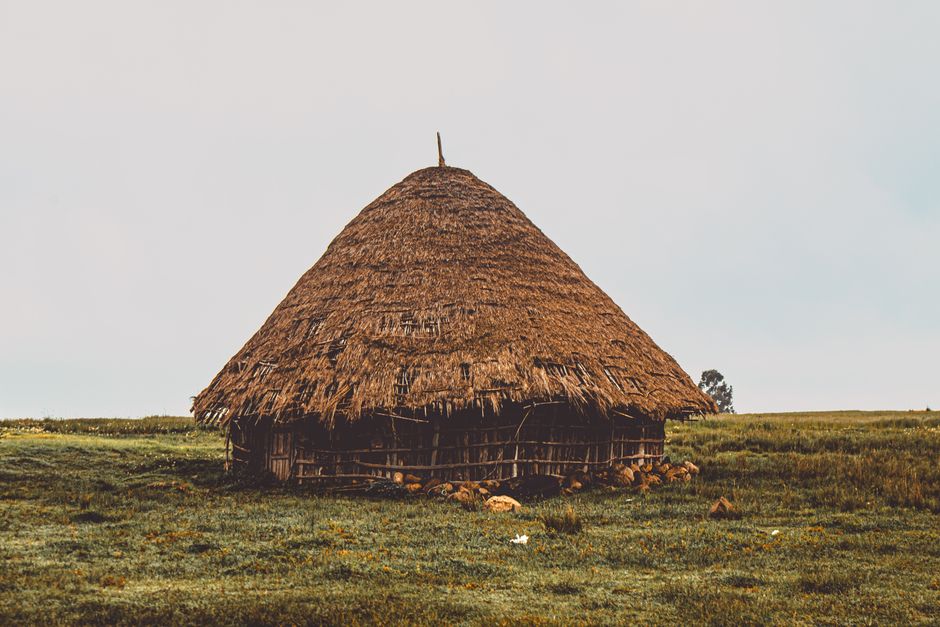
A traditional round Gurage hut set in the vibrant Southern Ethiopian countryside, Gurage Zone, Ethiopia
What Surprises First-Time Visitors
The first surprise is the silence. After the honking chaos of Addis Ababa, the Gurage highlands feel like a different planet—the only sounds are the rustle of enset leaves, the lowing of cattle, and the distant call to prayer from a mud-brick mosque. Travelers often remark on how few tourists they see; you might go an entire day without encountering another foreigner, which gives the zone a raw, undiscovered feel. But this solitude is deceptive: locals are intensely curious, and you’ll be greeted with “*Tenastalign*” (hello) and a stream of questions about your home, your family, your purpose here.
The second surprise is the food. Many visitors expect Ethiopian cuisine to be uniform, but Gurage cooking is distinct—the *qotcho* is denser and tangier than *injera*, the *dulet* richer and spicier, the coffee more floral. You’ll also discover that meals are communal: you sit on low stools around a shared platter, eating with your right hand, and it’s considered rude to refuse a second helping. The third surprise is the warmth of the welcome. In a world where tourism often feels transactional, the Gurage offer hospitality as a reflex—you might be invited into a stranger’s home for coffee, given a *qotcho* to take on the road, or offered a bed for the night. Locals say it’s the *debo* spirit: the belief that community is built through shared meals and mutual support.
Your Gurage Zone, Ethiopia Questions
Is it safe to travel to Gurage Zone? Yes, the zone is one of Ethiopia’s safest rural areas. Violent crime is rare, and locals are protective of visitors. Your main concerns will be road safety (potholes and livestock on the road) and altitude sickness in Butajira (2,200 meters). Carry a basic first-aid kit and drink bottled water. The Ethiopian government maintains a tourist police presence in Welkite; you can reach them at 911.
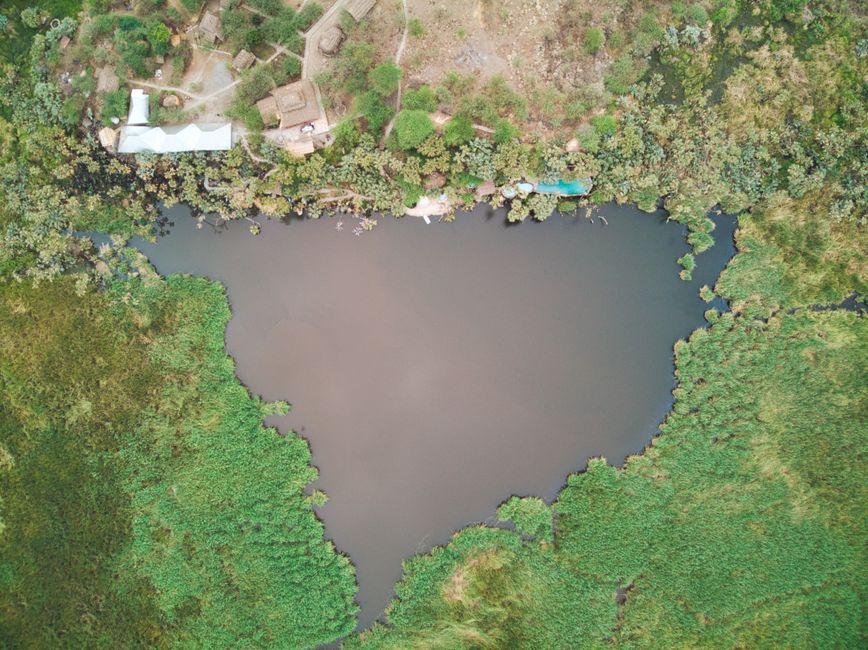
Aerial drone shot of a tranquil lake surrounded by greenery in Afar, Ethiopia., Gurage Zone, Ethiopia
Do I need a guide, or can I explore independently? You can explore independently in Welkite and Butajira, where English is spoken at hotels and markets. For deeper cultural experiences—like visiting a *debo* compound or attending a *songo* council—hire a local guide through the Butajira Tourism Office (500 birr/day). Guides speak English and Amharic, and they’ll translate the nuanced conversations that define Gurage life. Independent travelers should carry a phrasebook; Amharic is widely understood, but learning “*Amesegenallo*” (thank you) in Gurage will earn you smiles.
What should I pack for Gurage Zone? Pack layers: mornings are cool (10°C), afternoons warm (25°C), and evenings chilly. Bring sturdy walking shoes for the steep, muddy paths; a headlamp for power outages (common); and a reusable water bottle with purification tablets. Respect local dress: women should cover shoulders and knees, men should avoid shorts in villages. A small gift—sugar, soap, or a photo of your family—is appreciated when visiting homes. And leave room in your luggage for *qotcho* and coffee beans; you’ll want to take the taste of Gurage home with you.

