
Beyond the Peaks of Paradise: Why Mo’orea’s Spirit Stays with You Long After You Leave (2026)
In 1767, when the British navigator Captain Samuel Wallis first sighted Mo’orea, his crew famously mistook the island’s jagged, volcanic spires for the spires of a cathedral, naming it “York Island.” Yet the island’s true name, Mo’orea, is said to derive from a Tahitian legend: a yellow lizard, or *mo’o*, whose tail split the island from its neighboring sister, Tahiti, creating the deep channel you now cross by ferry. That myth of separation and connection is the perfect introduction to an island that feels both isolated and intimately welcoming.
The Story Behind Mo’orea, French Polynesia
Mo’orea’s history is a tapestry woven by Polynesian navigators, European explorers, and resilient local chiefs. The first settlers arrived around 900 AD from the Marquesas Islands, establishing a society built around fishing, taro cultivation, and the *marae*—sacred stone platforms where rituals and political decisions shaped life. By the 18th century, Mo’orea was a powerhouse under the rule of the Pomare dynasty, who used its fertile valleys and strategic harbors to challenge Tahiti’s dominance. In 1842, after a series of skirmishes with French missionaries, Queen Pomare IV signed a treaty that made Mo’orea a French protectorate—a moment that still echoes in the island’s bilingual street signs and the scent of baguettes mingling with frangipani.
The turning point came in the 1960s, when French Polynesia became a nuclear testing hub, and Mo’orea was suddenly thrust into the global spotlight. While the tests were conducted hundreds of miles away at Mururoa Atoll, the economic boom brought paved roads, a new airport, and the first luxury resorts. But locals will tell you that the real story is quieter: the communal fishing *faa’apu* (traditional fishing nets) still cast at dawn in the bays, and the *tamure* dances that survived both missionaries and modernization. Today, savvy visitors discover that the island’s soul lies not in its postcard-perfect beaches, but in the tangled history of its people—a mix of Polynesian pride, French influence, and a stubborn refusal to be just a resort.
Neighborhood by Neighborhood
Cook’s Bay (Paopao)
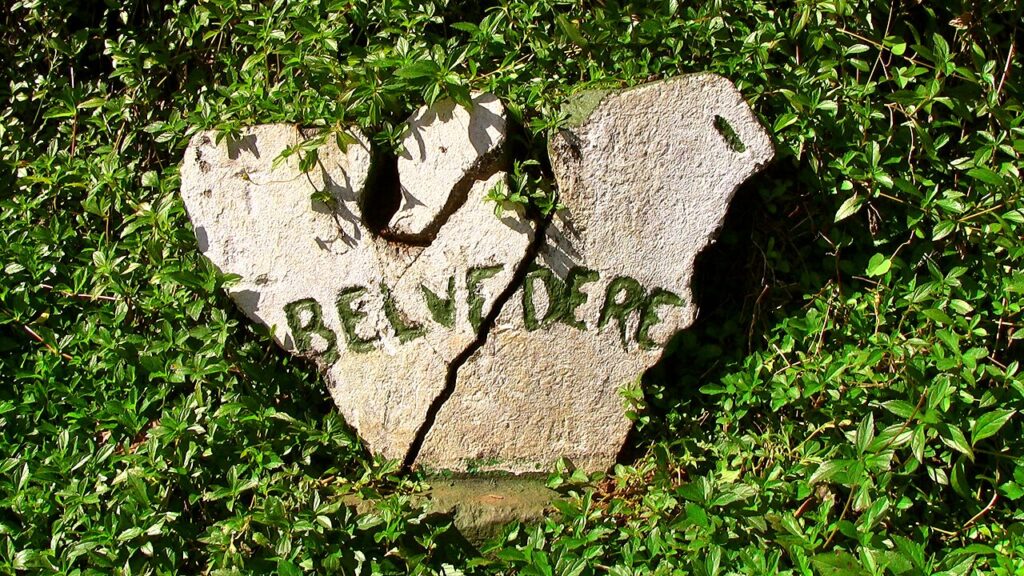
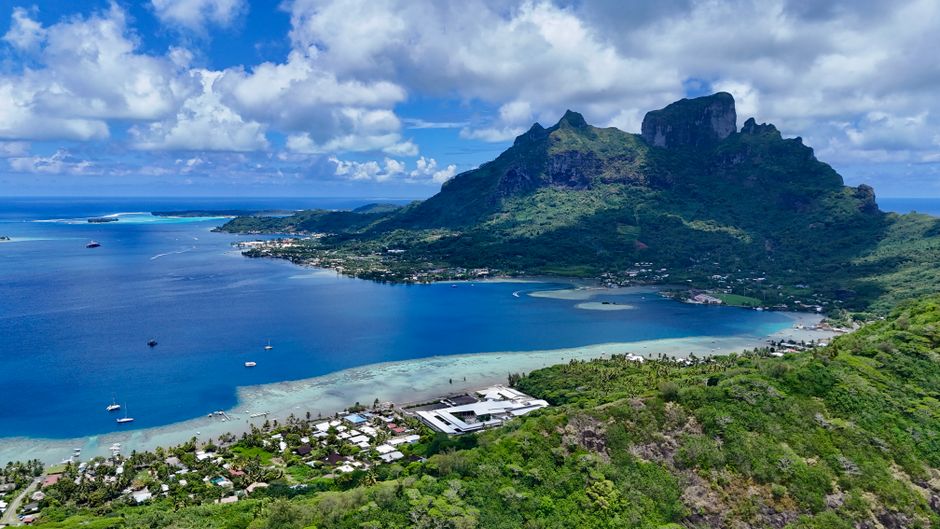
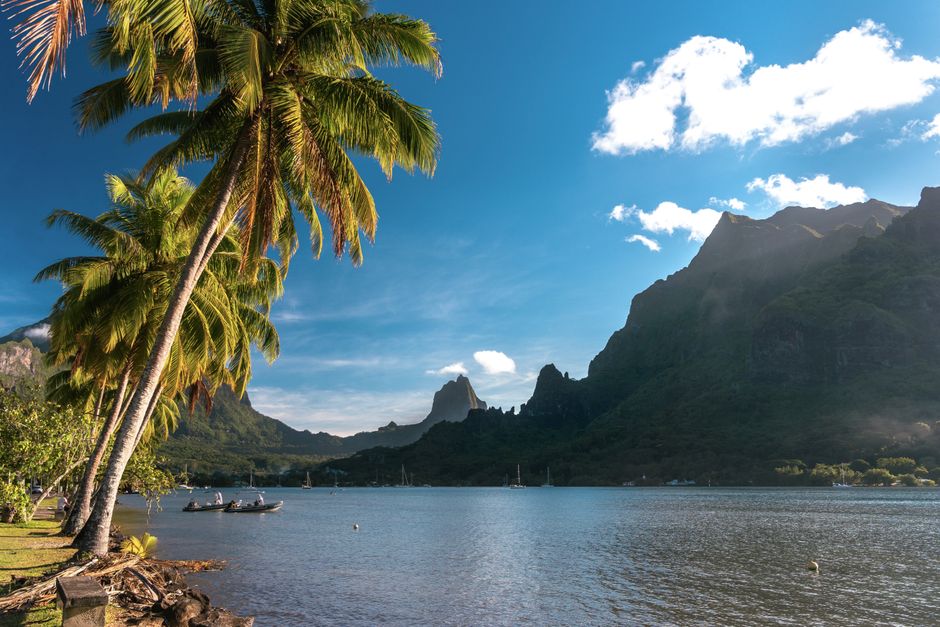
Your journey begins in Cook’s Bay, the island’s most dramatic entry point, where the jagged peaks of Mount Mou’aroa rise like a fortress from the turquoise water. The village of Paopao hugs the bay’s eastern shore, a sleepy strip of pastel-colored houses, tin-roofed churches, and the occasional rooster crossing the road. You’ll find the heart of local life at the *Marché de Paopao* (open daily 7 AM–1 PM), where vendors sell fresh *uru* (breadfruit), vanilla beans, and hand-rolled *ma’a Tahiti* (Tahitian raw fish) wrapped in banana leaves. The architecture here is low-slung and functional—wooden bungalows with corrugated iron roofs, many dating back to the 1960s tourism boom—but the real draw is the sensory overload: the sweet, earthy smell of *tiare* flowers, the rhythmic thud of a *pahu* drum from a backyard rehearsal, and the way the light hits the bay at 5 PM, turning the water into liquid gold. Don’t miss the *Belvédère Lookout* just above the bay—a 20-minute drive up a winding road that rewards you with a view that, as locals say, “makes you forget your own name.”
Opunohu Bay (Haapiti)
A 10-minute drive west from Cook’s Bay lands you in Opunohu Bay, the island’s quieter, more introspective sibling. Where Cook’s Bay buzzes with ferry traffic and tour boats, Opunohu feels like a secret—a crescent of deep blue water framed by lush, uninhabited hillsides. The village of Haapiti is the epicenter of traditional Mo’orean life, where you’ll find *Le Jardin de la Mer* (a family-run pearl farm, open for free tours at 10 AM and 2 PM) and the *Marae Titiroa*, a restored sacred platform where you can still feel the weight of centuries. The neighborhoods here are scattered, with homes tucked into coconut groves and along dirt roads that dead-end at the water. Travelers often discover that the best way to experience Opunohu is on foot: hike the *Three Pines Trail* (a moderate 3-hour loop, starting at the *Belvédère* parking lot), which cuts through pine forests and offers glimpses of the bay that most tourists miss. At dusk, you’ll hear the *tiki* drums from the *InterContinental Mo’orea Resort & Spa* across the water, but the real soundtrack is the chorus of frogs and the whisper of the trade winds.
Temae (The East Coast)
On the island’s eastern edge, Temae is where you go when you want to escape the resort crowds and find the Mo’orea that locals love. The neighborhood is dominated by *Temae Beach*, a public stretch of powdery white sand that rivals any private resort beach, but the real character lies inland. The village of *Maharepa* is a jumble of small farms, artisanal vanilla plantations, and the *Fare Tua* community center, where you can join a Saturday morning *tamure* dance class (free, 9–11 AM, all levels welcome). Architecture here is a mix of traditional *fare* (thatched-roof bungalows) and modern concrete homes painted in vibrant blues and yellows. The standout is *Le Petit Village*, a cluster of artisan shops selling hand-carved *tiki* statues and *pareu* (sarongs) dyed with local turmeric. You’ll want to stop at *Snack Mahana* (open 11 AM–3 PM, closed Sundays) for a plate of *poisson cru*—the island’s signature dish of raw tuna marinated in lime and coconut milk—served with a side of fried breadfruit that will ruin you for all other versions. The secret to Temae? Visit on a Tuesday, when the *Marché de Maharepa* sets up at 7 AM, and you can buy a fresh *uru* straight from the farmer’s truck.
The Local Table: What Mo’oreans Actually Eat
Forget the overpriced resort buffets—Mo’orea’s real food culture is a humble, communal affair rooted in the *faa’apu* (traditional fishing) and the *marae* (communal gardens). Locals eat with the seasons, and your best bet is to plan your meals around what’s freshly caught or harvested. The cornerstone of every meal is *uru* (breadfruit), which you’ll find roasted, fried, or mashed into a starchy porridge called *poi*. But the dish that defines Mo’orea is *poisson cru*—raw tuna marinated in lime juice, then tossed with coconut milk, diced cucumber, and a whisper of chili. It’s not just a dish; it’s a ritual. You’ll find it at *Snack Mahana* in Temae (a family-run stall with four plastic tables, serving it for 1,500 XPF, about $13), but the best version is at *Le Marché de Paopao* on Saturday mornings, where grandmothers sell it from coolers, the fish still glistening from the morning’s catch.

Ia Orana! I took my first real vacation in 3 years, Mo’orea, French Polynesia
Another essential is *ma’a Tahiti*, a traditional earth-oven feast where pork, chicken, taro, and *uru* are slow-cooked over hot stones for hours. You won’t find this on menus—you have to know someone. Your best bet is to join a *faa’apu* tour with *Mo’orea Adventure Tours* (book at [Viator](https://www.viator.com), $85 per person), which includes a visit to a local family’s *fare* where you help prepare the meal and then eat it on a woven mat under a thatched roof. The experience is messy, communal, and unforgettable. And don’t skip the *vanilla*—Mo’orea produces some of the world’s finest, and you’ll find it in everything from *pain perdu* (French toast) at *Café des Artistes* in Paopao to the homemade *vanille* ice cream at *Le Petit Village* in Maharepa (300 XPF, $2.50). The secret is to buy a bundle of vanilla beans directly from a farmer at the *Marché de Maharepa*—they’re half the price of the shops and twice as fragrant.
Art, Music & Nightlife
Mo’orea’s creative pulse beats strongest in its music and dance. The *tamure*—a hip-swaying, drum-driven dance that tells stories of love and war—is performed at every village festival, but the most authentic experience is at *Le Tiki Bar* in Cook’s Bay (open nightly from 6 PM, no cover), where local bands like *Te Vaka* play until midnight. Every July, the island hosts *Heiva i Mo’orea*, a two-week festival of *tamure* competitions, *himene* (traditional choral singing), and *va’a* (outrigger canoe) races—mark your calendar for the first Saturday of the month, when the main parade winds through Paopao, and the entire island smells of grilled fish and frangipani. For visual art, head to *Galerie de la Mer* in Haapiti (open 10 AM–5 PM, closed Sundays), where painter Marie-Hélène Temaiana displays her vivid, semi-abstract landscapes of the bays. She’s known for using natural pigments from crushed coral and turmeric, and you can often find her working in the back room, happy to chat about the island’s colors. Nightlife is low-key: your best bet is a sunset drink at *Le Sunset Beach Bar* at the *InterContinental Mo’orea* (cocktails from 1,800 XPF, $16), where you can watch the last light fade over Opunohu Bay while a DJ spins a mix of reggae and French pop. For something quieter, join the locals at *Chez Roger* in Paopao (open until 11 PM), a dimly lit bar where the *pétanque* games go late and the conversation is always in Tahitian.
Practical Guide
- Getting There: Fly into Faa’a International Airport (PPT) on Tahiti, then take a 30-minute ferry to Mo’orea’s Vaiare Wharf. Ferries run hourly from 5:30 AM to 5:30 PM on weekdays (less frequently on Sundays); tickets cost 1,500 XPF ($13) one way. Book flights at Skyscanner
- Getting Around: Rent a car from *Avis* at the Vaiare Wharf (4,500 XPF, $40 per day, including insurance). Gas is expensive (200 XPF, $1.80 per liter), but the island is only 60 km around, so one tank lasts a week. Alternatively, rent a scooter (3,000 XPF, $27 per day) or use the *Le Truck* public bus (200 XPF, $1.80 per ride, runs every 30 minutes from 6 AM to 6 PM). You’ll want a car to reach the *Belvédère* and the remote beaches.
- Where to Stay: For luxury, book an overwater bungalow at *InterContinental Mo’orea Resort & Spa* in Haapiti (from $600 per night) or the *Hilton Mo’orea Lagoon Resort & Spa* in Temae (from $500 per night). For mid-range, try *Fare Vaihere* in Paopao (from $150 per night, a family-run guesthouse with four bungalows). For budget, *Camping Mo’orea* in Temae (from $30 per night, with shared bathrooms and a kitchen) is a favorite among backpackers. Check Booking.com
- Best Time: May to October is the dry season, with temperatures averaging 75–85°F and low humidity. November to April is the wet season, but you’ll find fewer crowds and cheaper rates—just pack a rain jacket. Avoid January and February, when the *mara’amu* (south winds) can make the ferry crossing rough.
- Budget: Expect to spend $150–$250 per day per person for mid-range travel (car rental, two meals at local snacks, a drink at a bar, and a guesthouse). Budget travelers can do $80–$100 per day (camping, cooking your own meals from the market, and using the bus). Luxury travelers should budget $500+ per day.
Aerial view of Bora Bora’s stunning lagoon and lush mountains under a brigh…, Mo’orea, French Polynesia
What Surprises First-Time Visitors
You’ll arrive expecting paradise, and you’ll get it—the turquoise lagoons, the palm-fringed beaches, the sunsets that look like they were designed by a painter. But what catches you off guard is the *silence*. At night, away from the resorts, the island is so quiet you can hear the waves lapping against the *motu* (small islets) from a mile away. The trade winds rustle the palm fronds, and the frogs sing a chorus so loud it feels like a symphony. It’s the kind of quiet that forces you to slow down, to notice the way the stars cluster above the peaks, and to realize that you haven’t checked your phone in hours.
Another surprise is the *generosity* of the people. Travelers often worry about the “tourist tax” in French Polynesia, but on Mo’orea, locals will wave you over to their *fare* for a fresh coconut, offer you a ride when your scooter breaks down, or invite you to a *faa’apu* feast without asking for a penny. The secret is to smile, say *ia ora na* (hello) with genuine warmth, and accept the invitation—you’ll leave with a story that no guidebook can capture. And the *cost*: you’ve heard horror stories about $20 sandwiches, but savvy visitors know that if you eat at the *snacks* (local food stalls) and shop at the *marchés*, you can eat well for under $15 per meal. The real surprise is that Mo’orea is not a place you can “do” in a few days—it’s a place that asks you to stay, to sit, to let the island’s rhythm take over.
Your Mo’orea, French Polynesia Questions
Is Mo’orea safe for solo travelers? Absolutely. Mo’orea is one of the safest islands in the South Pacific, with a violent crime rate near zero. You’ll feel comfortable walking alone at night in Paopao or Haapiti, though the roads are unlit, so a flashlight is smart. The biggest risk is overestimating your driving skills on the winding mountain roads—take it slow, especially in the rain. Solo travelers often find that the *fare* (guesthouse) owners become de facto guardians, checking in on you and offering tips on the best spots to avoid crowds.
Breathtaking view of Moorea’s lagoon with palm trees and mountain backdrop …, Mo’orea, French Polynesia
How many days should you spend on Mo’orea? Plan for at least five days, but a week is ideal. In five days, you can hike the *Three Pines Trail*, snorkel in the *Lagoonarium* (a natural aquarium in Opunohu Bay), take a cooking class at *Le Jardin de la Mer*, and still have time to do nothing but float in the lagoon. A week allows for a day trip to the *Motu* islands (book a picnic with *Mo’orea Boat Tours*, $120 per person, including lunch and snorkeling gear) and a visit to the *Marae Titiroa* without rushing. Most tourists make the mistake of treating Mo’orea as a two-day stopover from Tahiti—that’s like visiting the Louvre for an hour.
What’s the best way to experience local culture? Skip the “cultural shows” at the resorts—they’re polished but hollow. Instead, attend a Sunday church service at the *Église de la Sainte-Famille* in Paopao (services at 9 AM, dress modestly). The *himene* singing is so powerful it will give you chills, and the congregation will welcome you with a handshake and a *ma’a* (blessing) afterward. For a deeper dive, sign up for a *faa’apu* experience with *Mo’orea Cultural Tours* (book at [GetYourGuide](https://www.getyourguide.com), $90 per person), where you’ll spend a day with a local family—fishing, cooking, and learning the *tamure* dance. The best part? You’ll leave with a new *oho’a* (family) on the island.

