
Nimroz, Afghanistan: Deserts, Crossroads & Ancient Resilience (2026)
What if one of the world’s most significant ancient irrigation systems wasn’t in Egypt, but in a remote Afghan desert? Nimroz, Afghanistan proves it. The remains of the 3,000-year-old *qanat* systems, underground canals that turned the Dasht-e-Margo into a breadbasket for empires, still crisscross the landscape. Today, this frontier province offers a profound sense of isolation and a living lesson in humanity’s age-old battle against the desert, seen by perhaps only a few dozen international travelers each year.
Why Nimroz, Afghanistan Stands Out
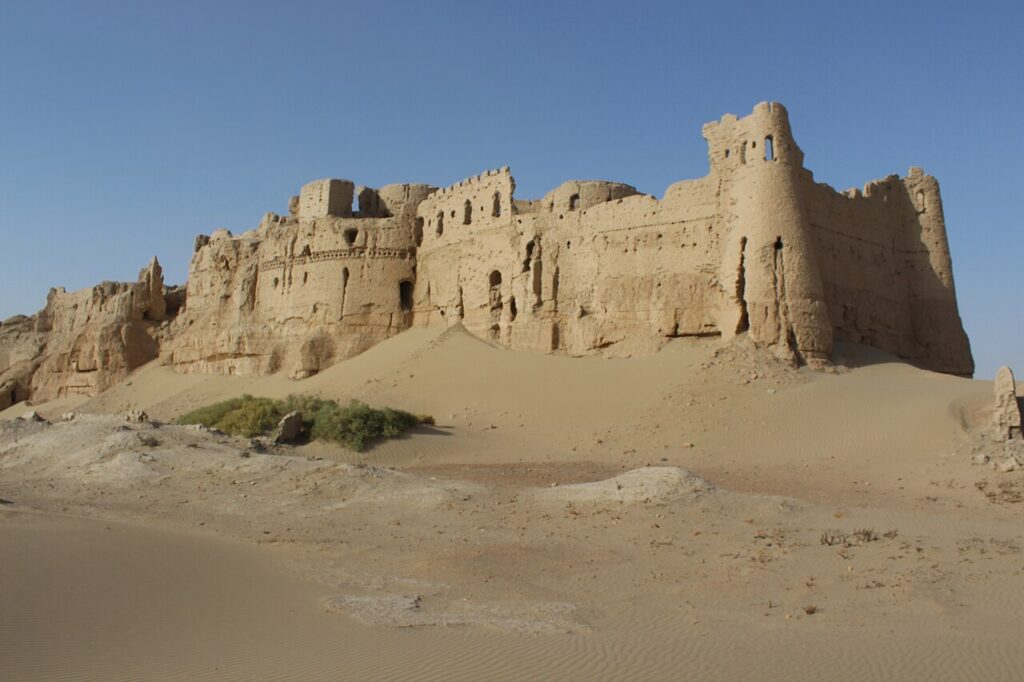
- Historic Architecture: The crumbling citadel of Chakhansur, dating back over a millennium, stands as a silent sentinel over the Helmand River, a testament to the region’s strategic importance on the Silk Road’s southern spur.
- Cultural Scene: The weekly *Gudari* (livestock market) in Zaranj is a vibrant, centuries-old tradition where Baloch and Pashtun traders barter for camels, sheep, and goats in a cloud of dust and negotiation.
- Local Specialties: You must try *Landi*, a whole lamb or goat that is salted, dried in the arid desert air for months, and then cooked into rich, flavorful stews, a preservation method born of necessity.
Pro Tip: Your only viable window for travel is during the brief, mild spring (late March to early May) or autumn (October to early November). Summers are brutally hot, often exceeding 45°C (113°F), and winters can be surprisingly cold. All travel requires extensive local coordination and permits; independent tourism as understood elsewhere simply does not exist here.
Map of Nimroz, Afghanistan
Use these interactive maps to explore Nimroz, Afghanistan and plan your route:
📍 View Nimroz, Afghanistan on OpenStreetMap
🗺️ Open Nimroz, Afghanistan in Google Maps
Planning Your Trip: Practical Essentials

Maj, Nimroz, Afghanistan
Getting There and Around
- By Air: Zaranj Airport (ZAJ) has very limited, irregular domestic flights from Kabul, typically on Kam Air or Ariana Afghan Airlines. There are no scheduled international commercial flights. Your arrival will almost certainly be part of a pre-arranged, authorized trip.
- By Train: Afghanistan has no functional passenger rail network that serves Nimroz. Overland travel is exclusively by road.
- By Car: The primary route is Highway 606 from Kandahar to Zaranj, a long, arduous journey through desert terrain. You will need a robust 4×4 vehicle, multiple spare tires, and extensive supplies of water and fuel. A local driver who knows the routes and checkpoints is absolutely non-negotiable for safety and navigation.
- Local Transport: Within Zaranj, transport is by hired car with a driver or motorcycle taxis. There is no formal public bus system. All movement should be planned with your local fixer or guide.
Best Time to Visit
Timing is not about comfort but survival in Nimroz. The extreme desert climate dictates a very narrow travel season. The shoulder months offer the only plausible conditions for travel, though “pleasant” is a relative term here.
| Season | Weather | Highlights |
|---|---|---|
| Summer (Jun-Aug) | Extreme heat, 40-50°C (104-122°F), intense sun, dust storms. | Effectively off-limits due to dangerous conditions. All outdoor activity is severely restricted. |
| Winter (Dec-Feb) | Cold, 5-15°C (41-59°F) days, can drop below freezing at night, occasional rain. | Fewer dust storms, but travel can be disrupted by rain turning clay roads to mud. A stark, quiet atmosphere. |
| Shoulder (Apr-May/Oct-Nov) | Warm to hot days (25-35°C / 77-95°F), cool nights, minimal precipitation. | The only feasible window. Ideal for early morning and late afternoon excursions to desert sites and the Helmand River basin. |
Budgeting for Nimroz, Afghanistan
Important Note: Travel to Nimroz is not a typical budget destination. Your major cost is a comprehensive, authorized guided package that includes security, permits, transport, lodging, and food. Attempting to budget independently is not safe or practical.
Top Attractions and Must-See Sights

Aerial cityscape of Kabul, Afghanistan with mountains in the background., Nimroz, Afghanistan
| Attraction | Description | Hours | Entry Fee |
|---|---|---|---|
| Helmand River & Delta | The lifeblood of the region, where you can see ancient irrigation patterns and stark desert meeting water, creating vital wetlands. | Daylight hours only | None |
| Zaranj Bazaar | The bustling commercial heart, where goods from Iran and Afghanistan mix, offering everything from spices and textiles to vehicle parts. | 8 AM – 5 PM (close for midday prayer) | None |
| Dasht-e-Margo (“Desert of Death”) | A vast, awe-inspiring desert landscape that offers profound solitude and a glimpse at the challenging environment that shaped local culture. | Sunrise to Sunset (with guide) | None |
| Historical Qanat Systems | Ancient underground aqueducts, some still in use, representing incredible pre-modern engineering that sustained settlements for centuries. | Daylight hours | None |
3-Day Itinerary: Highlights & Hidden Gems of Nimroz, Afghanistan
This itinerary assumes you are part of a pre-arranged, guided program with all necessary permissions and security protocols in place.
Day 1: Arrival & Zaranj Immersion
- Morning: Arrival at Zaranj. After settling into your accommodation, take a guided walk through the Zaranj Bazaar. Your guide will help you navigate the sections for spices, textiles, and hardware, explaining the cross-border trade dynamics.
- Afternoon: Visit a local tea house for lunch, where you’ll share a communal plate of Qabili Palau and fresh naan. Observe the social hub in action as locals discuss business and politics over endless cups of green tea.
- Evening: A quiet dinner at your guesthouse or a local restaurant, sampling ashak (leek-filled dumplings). Evening walks are limited; this is a time for discussion with your guide about the next day’s plans.
Day 2: The Life-Giving River
- Morning: Early departure (6:30 AM) by 4×4 to visit areas along the Helmand River. You’ll see agricultural plots, traditional mud-brick homes, and the stark contrast between the irrigated land and the encroaching desert.
- Afternoon: Enjoy a picnic lunch by the river. If possible, visit a site with visible qanat shafts. Your guide can explain the history and mechanics of these systems, which are far older than the region’s current political boundaries.
- Evening: Return to Zaranj. For dinner, seek out a restaurant serving Landi stew, a unique taste of desert preservation methods.
Day 3: Desert Vistas & Departure
- Morning: A short, guided foray into the edge of the Dasht-e-Margo at sunrise. The play of light on the dunes and the absolute silence are unforgettable. This is not a deep desert expedition but a respectful look at the imposing landscape.
- Afternoon: Final interactions in Zaranj, perhaps a last visit to the bazaar for souvenirs like Balochi embroidered caps or dried fruits. A late lunch of chapli kebab and yogurt.
- Evening: Preparation for departure. Travel out of Nimroz will be by pre-arranged road transfer to your next destination or for your departing flight.
Cultural Insights & Etiquette
- Language: The main languages are Dari (Persian) and Balochi. Pashto is also spoken. Learning basic greetings like Salaam alaikum (Peace be upon you) and Tashakor (Thank you) is deeply appreciated. English is not widely spoken.
- Customs: Hospitality (mehman nawazi) is sacred. If invited for tea or a meal, it is polite to accept at least a small offering. Always use your right hand for eating, greeting, and giving/receiving items. Public displays of affection are frowned upon.
- Tipping: Not a widespread practice in local establishments, but for your dedicated guide and driver, a tip at the end of your journey (in USD or Afghanis) is appropriate and expected for exceptional service. Discuss amounts discreetly.
- Dress Code: Conservative dress is mandatory. Men should wear long trousers and shirts. Women must wear a headscarf (hijab) and loose-fitting clothing that covers arms and legs. This is non-negotiable and a sign of respect.
- Business Hours: Government hours are typically Saturday-Thursday, 8 AM to 4 PM. The bazaar and shops follow a more fluid schedule, often closing for midday prayer (around 12-1 PM) and in the early afternoon. Friday is the weekly holiday.
Where to Eat: The Best Bites in Nimroz, Afghanistan
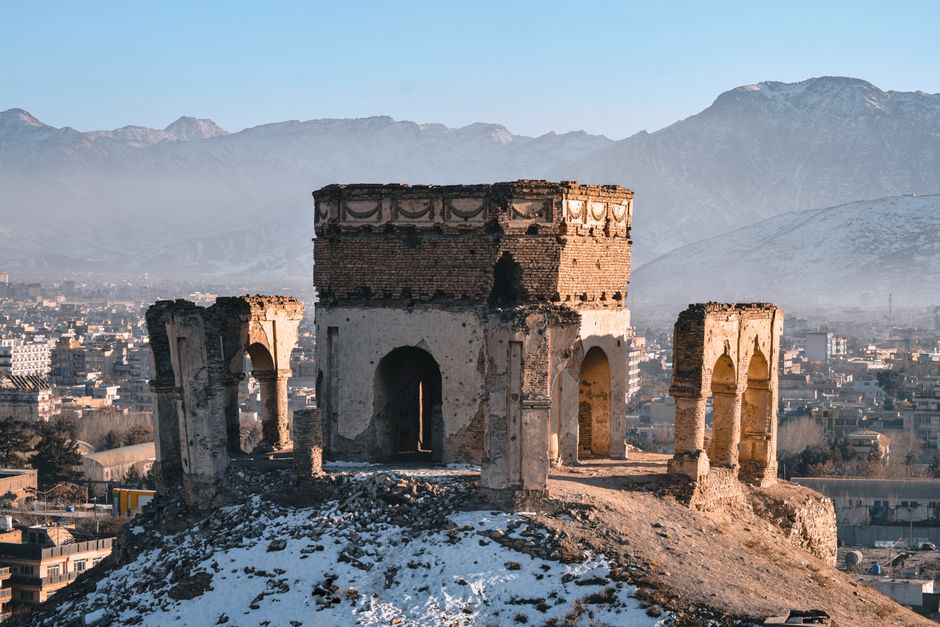
Historic ruins atop a snowy hill, Nimroz, Afghanistan
Dining in Nimroz is a functional and communal experience centered around shared plates, bread, and tea. Don’t expect menus or varied cuisine; you eat what is fresh, available, and traditionally prepared. The flavors are hearty, often centered around lamb, rice, bread, and legumes.
Must-Try Local Specialties
- Landi: The iconic dried meat of the region. It’s rehydrated and slow-cooked into a rich, savory stew, often with chickpeas and potatoes. The unique curing process imparts a concentrated, gamey flavor you won’t find elsewhere.
- Balochi Sajji: A whole lamb or chicken marinated in salt and sometimes green papaya paste, then roasted on skewers over a deep, open fire. It’s served on a bed of flatbread with a side of kachumar (onion and tomato salad).
- Dugh: A savory yogurt drink, sometimes lightly carbonated and flavored with mint or cucumber. It’s the essential accompaniment to any spicy or greasy meal, acting as a cooling agent in the hot climate.
Restaurant Recommendations by Budget
| Type | Restaurant | Specialty | Price Range |
|---|---|---|---|
| Budget | Local Chaikhana (Tea House) near the bazaar | Kebabs, rice, naan, and endless green tea. The ultimate local experience. | $2-5 per person |
| Mid-range | Zaranj Local Restaurant (ask your guide for the current best spot) | Full meals with stews (qorma), palau, and fresh salad. | $5-10 per person |
| Fine dining | N/A | Formal fine dining establishments do not exist in Zaranj. | N/A |
Where to Stay
Accommodation in Nimroz is extremely basic. Your options are limited to a handful of simple guesthouses and hotels in Zaranj, which your guide will arrange. Comfort is defined by having a private room, a fan (or heater), and possibly an attached bathroom with running water (which may not be hot). Electricity can be intermittent. Booking platforms like Booking.com or Airbnb are not operational here; all lodging is arranged locally.
Best Neighborhoods for Accommodation
- Central Zaranj: Staying near the provincial center or main bazaar area minimizes travel time for your activities and allows you to feel the rhythm of the town. This is where the few guesthouses are located.
- Note: There are no other distinct “neighborhoods” for tourist accommodation. The concept of choosing an area based on vibe or amenities does not apply. Safety, proximity to your guide, and basic functionality are the sole criteria.
FAQs: Your Nimroz, Afghanistan Questions Answered
1. Is Nimroz, Afghanistan safe at night?
Safety in Nimroz is entirely contingent on being part of a properly managed, authorized visit with trusted local guides. You should not walk around alone at any time, day or night. Your movements will be planned by your guide, who understands the local security context. Evening activities are typically confined to your accommodation.
2. What currency is used and are credit cards accepted?
The Afghan Afghani (AFN) is the currency. U.S. dollars are also widely accepted and often preferred for larger transactions. Bring crisp, newer bills ($100, $50, $20). Credit cards, debit cards, and ATMs are not available. You must bring all the cash you will need for your entire trip, secured discreetly.
3. How do I get from the airport to the city center?
Your guide or fixer will meet you at Zaranj Airport (ZAJ) with a vehicle. There are no taxis or public transport. The transfer is short (5-10 minutes) into central Zaranj. This is a pre-arranged part of any visit. Services like GetYourGuide do not operate here.
4. Do I need to speak the local language?
Yes, a guide who speaks both the local language(s) and English is absolutely essential. You cannot navigate, communicate, or manage permissions without one. Your guide is your translator, cultural intermediary, and logistical manager.
5. What’s the appropriate dress code?
As outlined, conservative dress is a strict requirement. For women, a headscarf covering the hair, and loose, opaque clothing covering arms, legs, and torso. For men, long trousers and shirts. This applies at all times in public. It respects local norms and is a critical safety measure.
Final Thoughts: Nimroz, Afghanistan Awaits
Nimroz is not a destination for casual tourism. It is a journey for the profoundly curious, the historically minded, and those seeking to understand a place entirely on its own terms, far from the globalized travel circuit. You won’t find boutique hotels or trendy cafes. Instead, you’ll
Explore More Destinations
- Jozani, Tanzania on a Budget: an Ancient Forest for $35/Day (2026)
- Nsumbu, Zambia on a Budget: Wild Africa for $40/Day (2026)
- Semporna, Malaysia on a Budget: Paradise for $35/Day (2026)
- Khuzestan, Iran on a Budget: Ancient Empires for $30/Day (2026)
- Ngerulmud, Palau on a Budget: Island Majesty for $45/Day (2026)
Ready to Visit Nimroz?
Start planning your trip today. Compare hotels, find the best tours, and get insider tips.
Your adventure in Nimroz starts here →
Related Guides
Explore more destinations similar to Nimroz:
- Dolomites, Italy’s Essential Peaks, Pastures & Alpine Magic (2025)
- Búzios, Brazil’s Best Beaches, Boutiques & Bohemian Charm (2026)
- Kitgum, Uganda’s Hidden Resilience, Rhythms & Untamed Savannah (2026)
- Olinda, Brazil: 3 Secrets to a Perfect 2025 Visit.
{“@context”: “https://schema.org”, “@type”: “FAQPage”, “mainEntity”: [{“@type”: “Question”, “name”: “What is the best time to visit Nimroz?”, “acceptedAnswer”: {“@type”: “Answer”, “text”: “The best time to visit Nimroz depends on your preferences. Generally, the dry season offers the most pleasant weather for sightseeing and outdoor activities.”}}, {“@type”: “Question”, “name”: “How many days do I need in Nimroz?”, “acceptedAnswer”: {“@type”: “Answer”, “text”: “Most travelers spend 3-5 days in Nimroz to see the main attractions. A week allows for a more relaxed pace and day trips.”}}, {“@type”: “Question”, “name”: “Is Nimroz expensive to visit?”, “acceptedAnswer”: {“@type”: “Answer”, “text”: “Nimroz can be visited on various budgets. Accommodation ranges from hostels to luxury hotels, and local restaurants offer affordable dining.”}}]}

