
Loango National Park, Gabon on a Budget: Africa’s Last Eden for $45/Day (2026)
While a single day on safari in the Serengeti can easily cost $500 per person for guided drives and park fees, Loango National Park offers a raw, unfiltered slice of African wilderness where your biggest expense is often just getting there. Here, you can witness elephants surfing Atlantic waves and gorillas on pristine beaches for a fraction of the cost, investing not in luxury lodges but in profound, untouched experiences. This is budget travel for the adventurous soul.
The Honest Budget Breakdown
| Expense | Bare Bones | Comfort Budget | Splurge Day |
|---|---|---|---|
| Accommodation | $15 – Camping at a local community site or basic homestay in a village like Setté Cama. | $35 – A simple, clean guesthouse or eco-lodge dorm in Gamba or Iguela. | $100+ – A night at a classic safari lodge with en-suite facilities. |
| Food | $10 – Self-catering with market goods and street food: bread, fruit, grilled fish. | $20 – Mix of market meals and simple restaurant plates like *poulet nyembwe* (chicken in palm nut sauce). | $40 – A full-service lodge meal with imported ingredients and wine. |
| Transport | $5 – Shared taxi (*taxi brousse*) from Lambaréné or walking/biking around the park periphery. | $15 – Chartering a shared pirogue (canoe) for a half-day on the lagoon. | $150+ – Private 4×4 vehicle with driver-guide for deep park access. |
| Activities | $0 – Beach walks, village visits, independent lagoon-side birding. | $30 – A shared guided boat trip on the Iguela Lagoon for wildlife spotting. | $80+ – A full-day guided safari drive into the savannah and forest interior. |
| Daily Total | $30 | $70 | $370+ |
7 Free Treasures of Loango: No Guide Required
- Wander the “Surfing Hippo” Beaches: The park’s 100km coastline, accessible near the Iguela area, is world-famous. You can spend hours walking the empty, driftwood-strewn sands where the rainforest meets the Atlantic. While spotting the legendary surfing elephants or hippos requires luck and timing, travelers often discover fresh tracks in the sand, a thrilling free souvenir.
- Birdwatch at the Setté Cama Lagoon Edge: Simply find a quiet spot on the southern shores of this vast lagoon at dawn or dusk. With a pair of binoculars, you can spot hundreds of species, from giant kingfishers to African fish eagles, for absolutely nothing. Locals recommend the area near the old ferry landing for the best visibility.
- Explore the Village of Setté Cama: This friendly fishing village on the park’s edge is an attraction in itself. You can stroll through, observing daily life, watching pirogues come in with the catch, and chatting with residents. The colorful houses and gentle pace offer a deep cultural immersion without a price tag.
- Hike the Periphery Trails Near Gamba: While entering the dense forest interior alone is not advised, there are well-trodden paths used by locals between peripheral villages. A safe and rewarding walk is the track from Gamba towards the coast in the early morning; you’re likely to see monkeys and hear the incredible dawn chorus.
- Visit the Gamba Complex Information Center: Though small, this center provides excellent free context. You can learn about the park’s ecosystems, conservation efforts led by the Wildlife Conservation Society since the 1990s, and see maps. It’s the perfect first stop to plan your independent explorations.
- Photograph the “Loango Landscape”: The unique mosaic of savannah, forest, lagoon, and ocean creates breathtaking vistas. Your best bet for a classic view is from the high ground around the Iguéla bridge. Capture the scene that famed photographer Michael “Nick” Nichols dubbed “Africa’s Last Eden” for *National Geographic*.
- Stargaze on the Beach: With minimal light pollution, the night sky over Loango is a dazzling free planetarium. Lay a mat on the beach after sunset and watch the Milky Way arc over the roaring Atlantic—a profoundly peaceful end to any day.
Cheap Eats: Where the Fishermen and Guides Fuel Up
Fine dining isn’t Loango’s style; incredible fresh, local food is. Your budget goes far here if you eat like a local. In **Gamba**, head to the **market near the airstrip** for the ultimate budget breakfast: beignets (fried dough) and strong coffee for about 500 CFA ($0.80). For lunch, look for the **grilled fish stalls** along the main road by the market. A whole, freshly caught capitaine (Nile perch) with a side of plantains will cost around 2000 CFA ($3.30). In **Setté Cama**, your best bet is to ask for “**Madame Rosalie**” near the water—she often cooks up massive pots of *poulet nyembwe* or *feuilles de manioc* (cassava leaves) for the community. A hearty plate is about 1500 CFA ($2.50). For a simple restaurant, **Le Relais de Setté Cama** offers basic but delicious plates of rice with sauce and fish for 2500 CFA ($4). Always carry small bills (CFA francs) as cards are useless here.

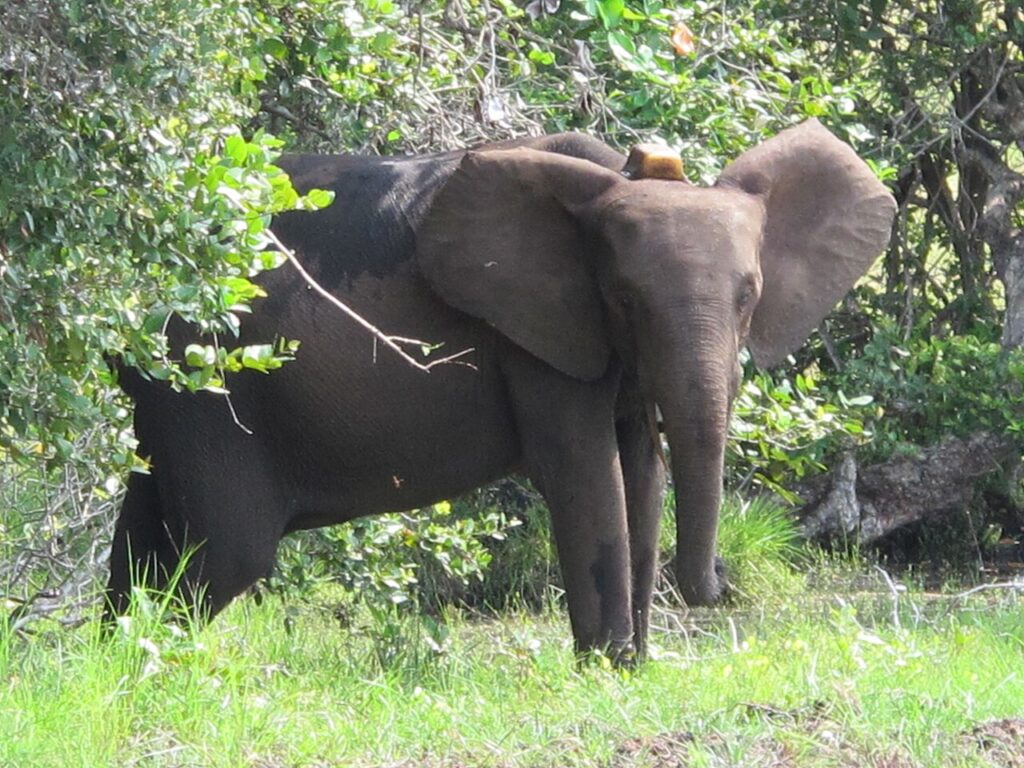
African elephants at Loango National Park, Gaboon, Loango National Park, Gabon
Getting There Without Going Broke
- Cheapest Route: Fly into Libreville (LBV) internationally. From there, take a shared taxi-brousse (bush taxi) from Libreville’s *Gare Routière* to Lambaréné (approx. 8,000 CFA / $13, 4-5 hours). From Lambaréné, another shared taxi or a negotiated private taxi to Gamba or Setté Cama is necessary (approx. 15,000-20,000 CFA / $25-33, 5-6 hours on rough roads). The total land cost is ~$40-50 but requires patience.
- Pro Tip: The true budget hack is to **fly from Libreville to Gamba on the national carrier, Air Service Gabon**. While the flight costs ~80,000 CFA ($130) one-way, it saves you 2 arduous travel days. Savvy visitors know to book this flight *in country* at the Air Service office in Libreville, as international websites often show inflated prices or no availability.
- From the Airport: If you fly into Gamba’s small airstrip, the cheapest transfer is to simply walk into town (it’s very close) or arrange a pickup with your guesthouse. A taxi from the airstrip to a Gamba lodge should be no more than 2000 CFA ($3.30). There are no formal taxis at the strip, so pre-arrangement is key.
Compare flights at Skyscanner
Budget Accommodation Guide: Sleep Deep in the Forest
You won’t find hostels here, but you will find incredible value in community-focused stays. In **Gamba**, the **Hôtel Restaurant Baie des Tortues** offers basic but clean rooms starting around 20,000 CFA ($33). It’s a social hub where travelers and expat conservationists mingle. For a more rustic experience near the park proper, the **Setté Cama area** is ideal. Here, you can find **community-run homestays** for about 10,000 CFA ($16) per night—ask at the village shop or through the park information center. A step up is **Loango Lodge’s** budget camping option; they sometimes allow independent travelers to pitch a tent for a small fee (~5,000 CFA / $8) with access to basic facilities. Booking ahead is rarely possible for the cheapest options; showing up and asking around is part of the adventure. For pre-booking in Gamba, check Booking.com. For a unique local experience, inquire about local guides who may host travelers in their villages—this is best arranged on the ground.
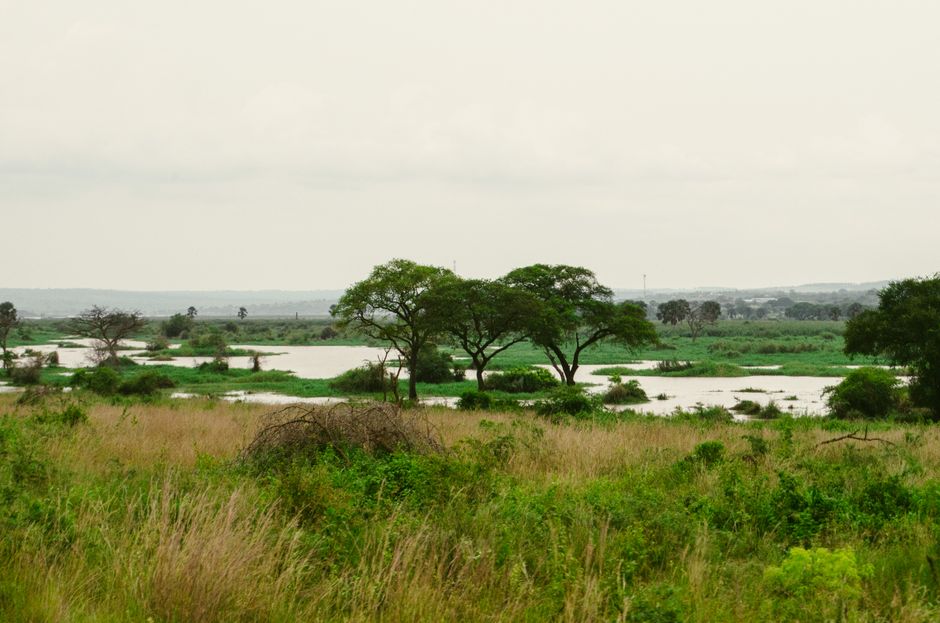
Lush greenery and river view in Murchison Falls National Park, Uganda., Loango National Park, Gabon
Money-Saving Tips Specific to Loango National Park, Gabon
- Hire a Guide Collectively, Not Individually: The single biggest expense is guided access into the park. A guide is mandatory for most areas beyond the periphery. Instead of a private tour, gather a group at your guesthouse or in Gamba and split the cost. A shared full-day boat safari can drop from $80 per person to $30.
- Carry Cash (Euros & CFA) and Bargain Politely: There are **no ATMs** in Gamba or Setté Cama. Bring all the cash you’ll need in Euros (to exchange) and CFA francs. For services like boat charters or taxi rides, polite negotiation is expected. Start at about 60% of the asking price and meet in the middle.
- Visit in the “Petite Saison”: The short dry season (mid-December to mid-January) and the long dry season (June to September) are peak. Traveling in the shoulder months (October, early December, February) means fewer tourists, more negotiation power on lodging, and lush, green landscapes. You’ll miss some migratory birds but see vibrant foliage.
- Self-Cater with Market Finds: The markets in Gamba are stocked with incredibly cheap local produce: pineapples, avocados, bananas, and bread. Buy a cheap cooler bag, some bread, canned sardines, and fruit for a day’s worth of meals under $5.
- Focus on the Lagoon, Not the Deep Savannah: The most expensive activities are 4×4 drives into the savannah interior. The lagoon systems, however, offer phenomenal wildlife viewing (hippos, crocodiles, elephants, birds) from a shared pirogue, which is significantly cheaper to charter and doesn’t require expensive vehicle fees.
Is Loango National Park, Gabon Worth It on a Budget?
Honestly, going budget here means you’ll miss the convenience of seamless, all-inclusive safari drives deep into the forest to see gorillas and buffalos up close. You’ll trade air-conditioned lodges for the hum of insects and the chatter of village life. But what you get is something purer: the authentic rhythm of a place where nature still dominates. You’ll experience the park not as a curated exhibit, but as a living, breathing ecosystem where you are a respectful guest. The value is unparalleled—where else can you watch elephants on a beach you have entirely to yourself for the cost of a bus ticket and a plate of fish? Compared to the packaged, high-cost safaris of East or Southern Africa, Loango on a budget is for the traveler who values raw discovery over luxury. It’s challenging, it’s unpredictable, and for those with a resilient spirit, it is absolutely worth every saved penny and bumpy mile.

Picturesque scenery of tree trunks with massive roots growing in national p…, Loango National Park, Gabon
Explore More Destinations
- Jozani, Tanzania on a Budget: an Ancient Forest for $35/Day (2026)
- Nsumbu, Zambia on a Budget: Wild Africa for $40/Day (2026)
- Semporna, Malaysia on a Budget: Paradise for $35/Day (2026)
- Khuzestan, Iran on a Budget: Ancient Empires for $30/Day (2026)
- Ngerulmud, Palau on a Budget: Island Majesty for $45/Day (2026)
Ready to Visit Loango National Park?
Start planning your trip today. Compare hotels, find the best tours, and get insider tips.
Your adventure in Loango National Park starts here →
{“@context”: “https://schema.org”, “@type”: “FAQPage”, “mainEntity”: [{“@type”: “Question”, “name”: “What is the best time to visit Loango National Park?”, “acceptedAnswer”: {“@type”: “Answer”, “text”: “The best time to visit Loango National Park depends on your preferences. Generally, the dry season offers the most pleasant weather for sightseeing and outdoor activities.”}}, {“@type”: “Question”, “name”: “How many days do I need in Loango National Park?”, “acceptedAnswer”: {“@type”: “Answer”, “text”: “Most travelers spend 3-5 days in Loango National Park to see the main attractions. A week allows for a more relaxed pace and day trips.”}}, {“@type”: “Question”, “name”: “Is Loango National Park expensive to visit?”, “acceptedAnswer”: {“@type”: “Answer”, “text”: “Loango National Park can be visited on various budgets. Accommodation ranges from hostels to luxury hotels, and local restaurants offer affordable dining.”}}]}
Related Guides
Explore more destinations similar to Loango National Park:

