
Where the Rivers Run Wild: Aysén, Chile’s Untamed Heart (2026)
In the winter of 1903, a lone horseman named Hans Steffen, a German geographer working for the Chilean government, pushed through a treacherous, unmapped pass in the Andes. His mission: to prove these lands belonged to Chile, not Argentina. He emerged into a vast, rain-lashed territory of labyrinthine fjords and endless forests, a place so remote it was known only to the Indigenous Tehuelche and a handful of gold prospectors. His maps would become the first claim to a region called Aysén, a land defined not by conquest, but by a slow, stubborn human whisper against the roar of wilderness.
The Story Behind Aysén, Chile
The history of Aysén is not written in grand plazas or colonial architecture, but in the deep grooves of glacial valleys and the weathered wood of pioneer homesteads. For centuries, it was a land of myth and obstacle, a blank space on maps separating the Chilean heartland from Patagonia. That changed in the late 19th and early 20th centuries with the “Fiebre del Oro” (Gold Fever). Prospectors, mostly Chilean and European, braved the impossible terrain, establishing fleeting settlements along the rivers. Their legacy is less in wealth found—which was minimal—and more in the faint trails they blazed.
The true shaping of modern Aysén began in the 1920s and 30s under President Carlos Ibáñez del Campo’s colonization policies. He offered land to settlers, primarily from Chiloé and Europe, who arrived on government-chartered ships like the “Angamos.” What they found was not empty land, but a challenging frontier. They carved out *chacras* (small farms) in the forest, a task of backbreaking labor. This era of homesteading, marked by profound isolation and a deep connection to the land, forged the resilient, self-sufficient character that defines the *Aysenino* spirit today. The region was only officially incorporated as Chile’s 11th region in 1974, making it the youngest and one of the last frontiers of the country.
Neighborhood by Neighborhood
Coyhaique Alto: The View from the Hill
Perched on the slopes overlooking the city center, Coyhaique Alto is where you’ll feel the pulse of local life. This is a residential neighborhood of winding streets, colorful clapboard houses with steeply pitched roofs (built to shed the heavy winter snow), and gardens bursting with lupines and rose hips. The air carries the scent of woodsmoke from countless stoves. Your morning walk here might be accompanied by the clucking of backyard chickens. The real prize, however, is the panoramic view. A short hike up the *Cerro Mackay* trailhead, accessible from the neighborhood’s upper reaches, rewards you with a breathtaking vista of Coyhaique nestled in the valley, encircled by the snow-dusted peaks of the Andes. It’s a perspective that instantly explains the city’s layout and its intimate relationship with the imposing landscape.
El Centro: The Crossroads of the Frontier
Descend into the heart of Coyhaique, and you arrive at the iconic pentagonal Plaza de Armas. Unlike most Chilean plazas, it’s shaped like a *mate* (the traditional gourd used for drinking yerba mate), a nod to the gaucho culture. Here, the architectural style shifts to sturdy stone buildings from the colonization era, like the former Sociedad Industrial de Aysén, a testament to the early attempts at organizing commerce. The streets radiating from the plaza, particularly Calle Horn, are where you’ll find the buzz of daily commerce: outdoor gear shops, cozy cafes like **Café Ricer** (a local institution for its massive sandwiches and wifi), and the handcrafts market. The sensory experience is of diesel engines, baking bread, and the animated chatter of locals planning their next trip into the *campo* (countryside).
Piedra del Indio & the Simpson River: The City’s Green Lungs
Follow the roar of water west from the center, and you escape into Coyhaique’s natural sanctuary. This isn’t a neighborhood of houses, but one of riverbanks, trails, and stone. The mighty Río Simpson carves a deep, emerald-green path through basalt cliffs, and a well-maintained costanera (riverside path) lets you walk alongside it. The star geological feature is the Piedra del Indio (Indian Rock), a basalt formation that, with a little imagination, resembles the profile of an indigenous face watching over the valley. Here, travelers discover a different rhythm: joggers at dusk, fishermen casting for trout at dawn, and families grilling *asado* at picnic spots on weekends. The constant, thunderous presence of the river is a powerful reminder that despite the city’s comforts, you are in the untamed heart of Patagonia.
The Local Table: What Ayseninos Actually Eat
To eat in Aysén is to taste the frontier. The cuisine is hearty, simple, and born of necessity, leveraging what the cold rivers, rich pastures, and stubborn soil provide. This is lamb country. The *cordero al palo* (whole lamb roasted on a spit over an open fire) is not just a meal; it’s a day-long social event, the centerpiece of any celebration. The flavor, infused with native hardwoods like lenga and ñirre, is incomparable. But the true daily staple is the humble *curanto*. While its origin is from Chiloé, the Aysén version, often called *curanto en olla* (curanto in a pot), is a practical adaptation for the mainland—a steaming cauldron of shellfish, meats, potatoes, and *chapaleles* (dumplings), all layered with giant nalca (Chilean rhubarb) leaves for flavor.
Your pilgrimage for authentic flavors must lead you to the **Feria Municipal de Coyhaique**, the covered market on Francisco Bilbao street. Here, you don’t just shop; you experience. Butchers display entire lambs, cheese vendors offer creamy *queso chanco* from nearby Puerto Aysén, and stalls sell jars of deep-red *calafate* berry jam, said to ensure your return to Patagonia. For a sit-down feast, locals recommend **Restaurant El Reloj** for its no-fuss, generous portions of classic Patagonian dishes. Plan to spend around 15,000-20,000 CLP ($18-25 USD) for a substantial meal with a local beer. Remember, lunch is the main event, often starting at 1:30 PM and stretching leisurely into the mid-afternoon.

Aerial view of Plaza Arturo Prat and Clock Tower in Iquique, Chile., Aysén, Chile
Art, Music & Nightlife
The creative spirit of Aysén is a direct reflection of its landscape: raw, organic, and deeply felt. You won’t find a booming gallery scene, but you will find artistry in the finely tooled leatherwork of gaucho saddles, the intricate wool patterns of local weavers, and the carved wood in rustic lodges. The **Casa de la Cultura** on Calle Prat often hosts exhibitions from regional artists, where paintings of tempestuous skies and solitary *ñirre* trees dominate. The most poignant art is found in the small museums in Cochrane or Puerto Aysén, where photographs and artifacts tell the visceral story of pioneer life.
Music is the soul of social gathering here. The sound is *folclor patagónico*, with guitars, accordions, and voices singing *milongas* and *valses* about love, loss, and the beauty of the land. From June to September, the *ramadas* during the Fiestas Patrias (national holidays) are where this comes alive, with makeshift barns hosting all-night dancing. For a more regular taste, ask at any local *quincho* (barbecue shed) or visit **Cervecería Baguales**, the local microbrewery whose taproom often has live folk music on weekend evenings. Nightlife is intimate and conversation-focused, centered on warm pubs and cafes rather than flashy clubs. The secret is to follow the sound of a guitar and the glow of a wood stove.
Practical Guide
- Getting There: Fly into Balmaceda Airport (BBA), the region’s main gateway. LATAM and Sky Airline offer daily flights from Santiago (approx. 2.5 hours). Book at Skyscanner. From the airport, it’s a one-hour transfer by van or taxi (approx. 8,000 CLP/$10 USD shared) to Coyhaique.
- Getting Around: Renting a car is highly recommended for true freedom. Expect to pay 35,000-50,000 CLP ($40-60 USD) per day. For the Carretera Austral south, a 4×4 is advisable. Local buses connect main towns but run infrequently. Within Coyhaique, taxis are affordable and everything is walkable.
- Where to Stay: In Coyhaique, stay in **El Centro** for convenience or **Coyhaique Alto** for views. For a unique experience, book a remote *estancia* (ranch) along the Carretera Austral. Check Booking.com for options ranging from hostels (from 15,000 CLP/$18 USD) to luxurious lodges.
- Best Time: Visit during the Patagonian summer, December to March, for long days, milder weather (10°C-20°C / 50°F-68°F), and accessible trails. Shoulder seasons (October-November, April) offer stunning autumn colors or spring blossoms with fewer travelers.
- Budget: A realistic daily budget for a mid-range traveler, including car rental, meals, and lodging, is 80,000-120,000 CLP ($95-140 USD). It’s not a cheap region, but the value is in the unparalleled experiences.

Elegant view of the historic Municipal Theatre in Santiago, Aysén, Chile
What Surprises First-Time Visitors
Most travelers arrive braced for relentless, harsh wilderness, and while that exists, the first surprise is the profound, gentle warmth of the people. In a land where isolation was once a matter of survival, community is everything. You’ll be greeted with a firm handshake and direct eye contact. Strangers will stop to help if your car looks stuck, and shopkeepers will happily spend twenty minutes giving you detailed directions, including which neighbor’s gate to look for. This isn’t just politeness; it’s the ingrained code of the frontier.
The second surprise is the sheer, overwhelming scale of water in all its forms. You expect mountains, but Aysén is defined by its liquid arteries: the turquoise meltwater of Río Baker (Chile’s most voluminous river), the massive glacial tongues of the Northern and Southern Ice Fields, the countless waterfalls that appear like silver threads after a rain, and the deep, silent fjords that slice into the continent. The soundscape is a constant symphony of flowing, crashing, and dripping water. You leave with a new understanding of a landscape being actively carved and shaped before your eyes.
Your Aysén, Chile Questions
Is it safe to drive the Carretera Austral? Yes, but with preparation and respect. The road is largely unpaved, often narrow, with gravel, potholes, and single-lane bridges. You must drive slowly, have a spare tire, and fill your gas tank at every opportunity, as stations can be 200km apart. Weather can change rapidly, causing delays. Savvy visitors know that the journey is the destination—plan for an average speed of 40-60 km/h and you’ll be rewarded with one of the world’s great road trips.
Do I need to speak Spanish? It is highly beneficial. While in tourist offices and higher-end lodges you’ll find some English, in the smaller towns, markets, and with local guides, Spanish is essential. A few key phrases go a very long way in showing respect and connecting with locals. Carrying a phrasebook or using a translation app for menus and complex instructions is a smart move.
What is one essential item to pack that I might not think of? Beyond your waterproof layers and hiking boots, pack a reusable water bottle. The tap water in Coyhaique and most towns is perfectly safe and delicious, coming straight from the pristine mountain watersheds. Not only is it sustainable, but filling your bottle from the tap also lets you taste the pure, clean essence of Aysén itself—something no bottled water can match.
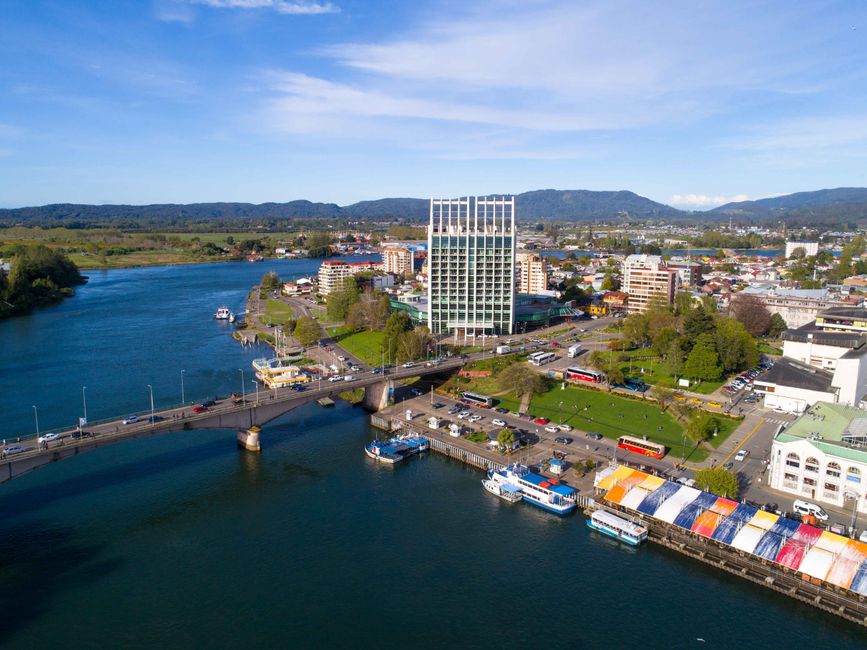
Aerial view of Valdivia, Aysén, Chile
Frequently Asked Questions About Where the Rivers Run Wild: Aysén
Is Where the Rivers Run Wild: Aysén worth visiting?
Yes, Where the Rivers Run Wild: Aysén offers unique attractions and experiences for travelers.
How many days do I need in Where the Rivers Run Wild: Aysén?
2-4 days is ideal for first-time visitors to Where the Rivers Run Wild: Aysén.
What is the best time to visit Where the Rivers Run Wild: Aysén?
Spring and fall offer the best weather for visiting Where the Rivers Run Wild: Aysén.
{“@context”: “https://schema.org”, “@type”: “FAQPage”, “mainEntity”: [{“@type”: “Question”, “name”: “Is Where the Rivers Run Wild: Aysu00e9n worth visiting?”, “acceptedAnswer”: {“@type”: “Answer”, “text”: “Yes, Where the Rivers Run Wild: Aysu00e9n offers unique attractions and experiences for travelers.”}}, {“@type”: “Question”, “name”: “How many days in Where the Rivers Run Wild: Aysu00e9n?”, “acceptedAnswer”: {“@type”: “Answer”, “text”: “2-4 days is ideal for first-time visitors to Where the Rivers Run Wild: Aysu00e9n.”}}, {“@type”: “Question”, “name”: “Best time to visit Where the Rivers Run Wild: Aysu00e9n?”, “acceptedAnswer”: {“@type”: “Answer”, “text”: “Spring and fall offer the best weather for visiting Where the Rivers Run Wild: Aysu00e9n.”}}]}
Explore More Destinations
Ready to Visit Where the Rivers Run Wild: Aysén?
Start planning your trip today. Compare hotels, find the best tours, and get insider tips.
Your adventure in Where the Rivers Run Wild: Aysén starts here →
Related Guides
Explore more destinations similar to Where the Rivers Run Wild: Aysén:

