
Tari, Papua New Guinea Weekend: Sing-Sings, Spirit Houses & The Huli Wigmen (2026)
The first sound you hear is not a car horn, but the rhythmic, guttural chant of men, their voices carrying through the crisp, highland air like a living drumbeat. As the morning mist burns off the valley floor, revealing a tapestry of impossibly green gardens and smoke rising from thatched roofs, the scent of woodsmoke and damp earth grounds you. This is Tari, the cultural heart of the Huli people, where time is measured in seasons and stories, and a weekend is a portal into a world that has danced to its own rhythm for millennia.
Quick Facts Before You Go
- Best Months: May to October, during the drier “Koroba” season. Trails are passable, skies are clear, and major cultural shows are scheduled.
- Currency: Papua New Guinea Kina (PGK). 1 PGK ≈ 0.27 USD. Cash is king; there are very few ATMs, so bring enough kina from Port Moresby.
- Language: Huli and Tok Pisin (Pidgin). Basic English is understood in guesthouses and by guides, but learning a few Tok Pisin greetings like “Monin” (Good morning) is cherished.
- Budget: $150-$300 USD per day. This covers a basic guesthouse, all meals, guide fees, and cultural contributions (which are essential and non-negotiable).
- Getting There: Fly from Port Moresby (POM) to Tari (TIZ) on PNG Air or Air Niugini. Flight time is about 1 hour. Book at Skyscanner. Ensure you have confirmed accommodation, as visitors cannot arrive unannounced.
Day 1: Becoming a Guest of the Huli
You start the morning not with coffee, but with the profound quiet of the highlands, broken by the crow of a rooster. Today is about respectful immersion. Your local guide, essential for navigation and protocol, meets you at your lodge. The air is cool, and the sense of entering a living culture, not a museum, is immediate and humbling.
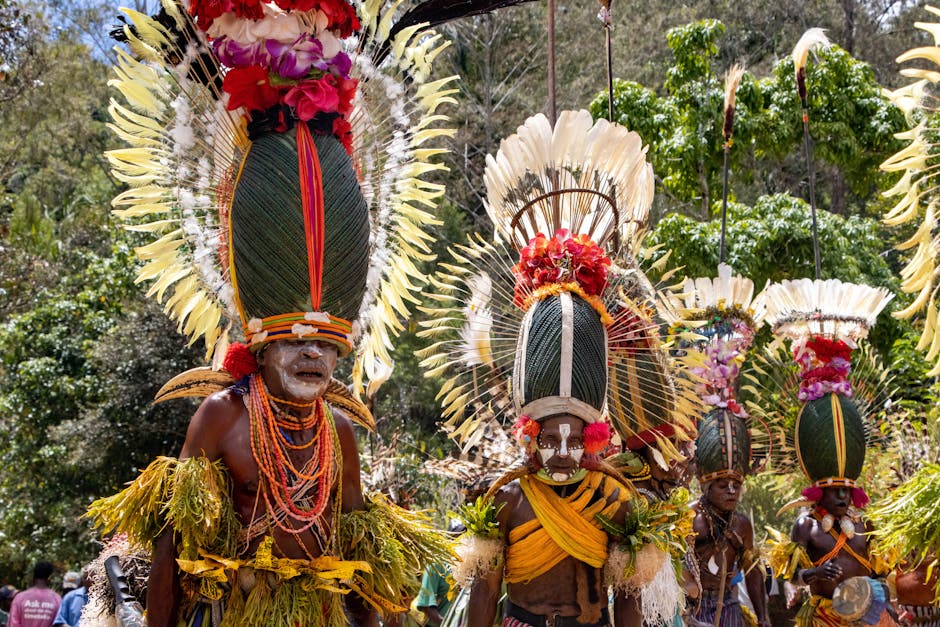
- Morning (8-11am): Visit a Huli clan at their home. You’ll be welcomed through a simple ceremony. Witness the intricate process of creating the iconic Huli wig (*tambuna*). Men spend years growing, treating, and decorating their hair with ochre, clay, and feathers. A contribution of 50-100 PGK per person to the clan is customary and supports the community.
- Lunch: Back at your lodge, typically the Ambua Lodge or a local guesthouse, you’ll have a packed lunch. Expect fresh local staples: sweet potato (*kaukau*), greens, and perhaps chicken, all cooked in a *mumu* (earth oven). Cost is included in your lodge package.
- Afternoon (1-5pm): Trek with your guide to a sacred spirit house (*haus tambaran*). Learn about the Huli’s ancestral beliefs and the *dama* (spirit) figures inside. Afterwards, visit a family garden to see the intricate agro-forestry. Your guide will explain the symbiotic planting of sugarcane, pandanus, and pitpit. Wear sturdy, muddy boots!
- Evening: Dinner is again at your lodge—a warm, communal affair. Afterwards, by kerosene lamp, your guide might share the legend of the Huli’s origin from a man named Huli, who emerged from the jungle at Tari Gap. The evening stars, unobscured by any light pollution, are a breathtaking finale.

Portrait of a Papua tribesman wearing traditional costume under clear blue sky., Tari’s Tribes, Papua New Guinea
Day 2: The Rhythm of the Sing-Sing
If you’re lucky, your weekend coincides with a smaller, local sing-sing (festival). If not, Day 2 focuses on the vibrant market and deeper craft. The energy is more communal, a chance to see the Huli in their social element.
- Morning: Head to the Tari Market. This is not for souvenirs, but for life. Women in bright bilum (string bags) sell peanuts, vegetables, and live chickens. Men discuss affairs. It’s a swirling, colorful spectacle. For breakfast, try a roasted sweet potato (2 PGK) from a vendor. Go early, around 7am, for the best atmosphere.
- Midday: Visit a master craftsman specializing in axe blades (*ogal*), arrows, or bilum weaving. A bilum can take months to make. You may have the chance to purchase one directly (200-500 PGK), which is far more meaningful than buying in a city. Insider tip: Ask your guide to take you to a specific craftsman’s home workshop, not a generic stall.
- Afternoon: Take a gentle walk to a bird-of-paradise lekking site. The Raggiana bird-of-paradise is the national symbol, and at dawn or dusk, males perform incredible displays. With a local spotter (arranged by your guide for ~50 PGK), you might witness this natural marvel. Alternatively, visit a school or health clinic to understand community life (always ask permission via your guide).
- Final Evening: Your farewell dinner will likely feature a *mumu* feast at the lodge. The earth-oven cooked pork and vegetables are incredibly tender. As a final gesture, your guide and some community members may perform a short, intimate sing-sing just for your group—a powerful, unforgettable farewell gift of sound and movement.
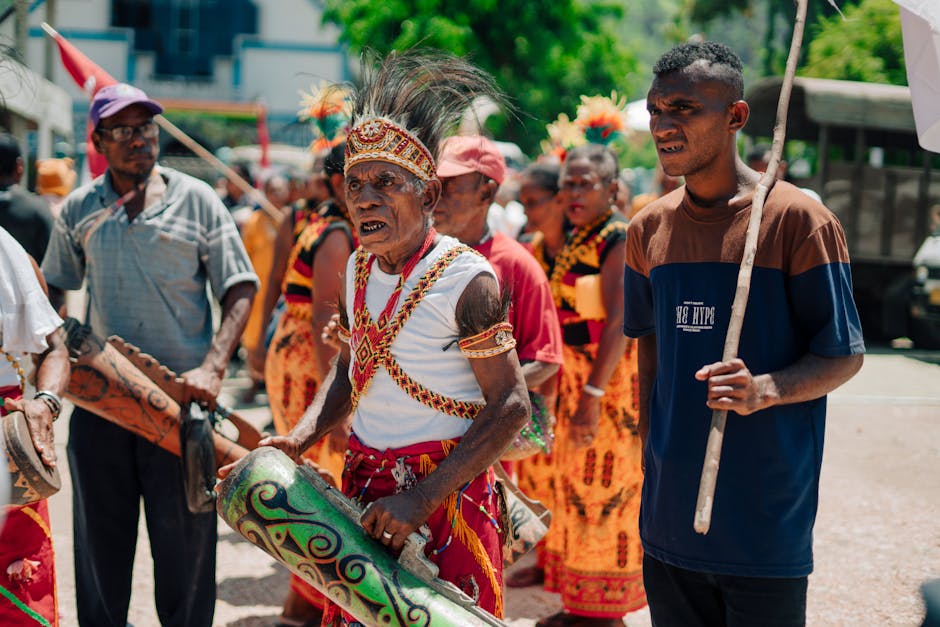
Vibrant cultural parade featuring traditional Papua costumes and instruments., Tari’s Tribes, Papua New Guinea
The Food You Can’t Miss
Forget fancy restaurants. In Tari, food is about sustenance, community, and earth. The cornerstone is the *mumu*, an earth oven. A pit is lined with hot stones, filled with layers of meat (pork or chicken), sweet potatoes, taro, greens, and bananas, covered with banana leaves and soil, and left to steam for hours. The result is a uniquely smoky, tender feast you’ll likely experience at your lodge (included in stay).
For everyday eating, you’ll live on *kaukau* (sweet potato), often roasted over an open fire—your best bet for street food. At market, look for bundles of sugar cane to chew on (5 PGK). Protein comes from the excellent local chicken and freshwater fish. A must-try is *pitpit* (a native asparagus-like shoot) cooked with coconut. Your lodge cook will prepare these. Plan to spend 0 PGK on extra food if you’re on a full-board package, but have 50 PGK handy for market snacks and betel nut (if you’re curious to try the mild stimulant, a bundle costs 1 PGK).

A senior woman stands smiling amidst vibrant traditional Papua New Guinean …, Tari’s Tribes, Papua New Guinea
Where to Stay for the Weekend
Accommodation in Tari is functional and focused on the experience, not luxury. Your choice is your basecamp.
Ambua Lodge is the most well-known, perched on the ridge of the Tari Valley with stunning views. It consists of traditional-style bungalows. It’s comfortable, with en-suite bathrooms and includes all meals and guided tours. This is the most seamless, if pricier, option. Rates start around $250 USD per person per night. Book well in advance via their website or a specialized tour operator.
Local Guesthouses (like Tari Gap Lodge or community-run stays) offer a more direct, rustic experience. You’ll have basic rooms (shared facilities), and your presence directly benefits a family or clan. Meals are simple and communal. This is for the more intrepid traveler. Costs range from 150-400 PGK per night including meals. Arrangements are often made via email or phone directly with the host; a local travel agent in Port Moresby can assist. For broader searches, you can look for regional options on Booking.com (filter for “Tari”) or explore other Highlands options on Airbnb, though listings are very rare in Tari itself.
Before You Go: Practical Tips
- Getting Around: You will walk. For longer distances, your lodge will arrange 4WD vehicle transport. There are no taxis. All movement outside your lodge must be with a known local guide. This is for your safety and cultural respect. Guide fees are typically 100-200 PGK per day.
- What to Pack: 1) Sturdy, waterproof hiking boots (trails are muddy). 2) A quality rain jacket and layers for cool evenings. 3) A headlamp or flashlight (power can be unreliable). 4) Small denomination kina notes (20, 10, 5 PGK) for market purchases and contributions.
- Common Tourist Mistakes: 1) Photographing people without explicit permission. Always, always ask. A smile and a gesture to your camera is enough. Some may request a small fee (5-10 PGK). 2) Wandering off alone. This is culturally insensitive and can be unsafe. You are a guest; act like one by staying with your guide.
- Money-Saving Tip: Travel as a small group of 2-4. You can split the cost of a private guide and vehicle, which are fixed costs. This can bring your daily per-person cost down significantly compared to solo travel. Also, bring all the cash you’ll need from Port Moresby to avoid extortionate exchange rates locally.

