
Where the Spirit Birds Dance: Journey into the Heart of Tari, Papua New Guinea (2026)
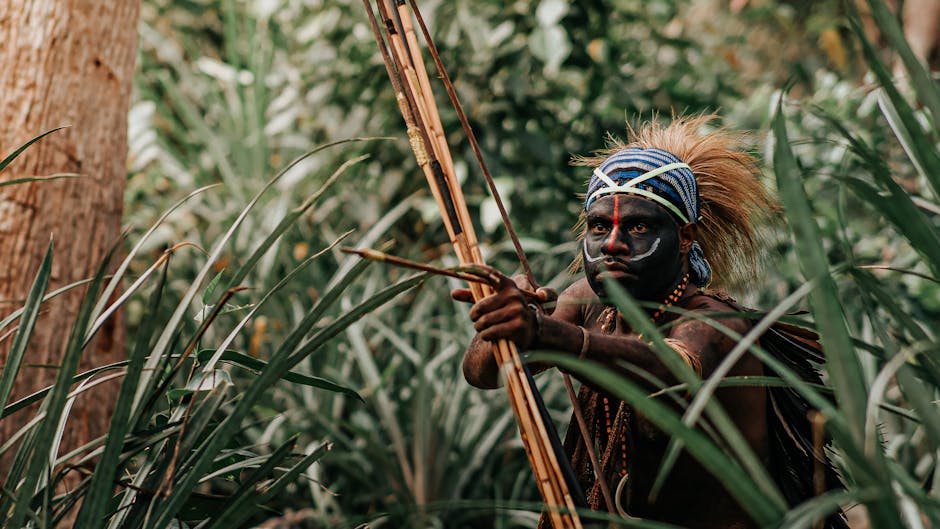
In 1935, Australian gold prospector Mick Leahy, one of the first outsiders to enter the Tari Basin, stood atop a ridge and witnessed a sight that would define this place for the world. Below him, in a misty valley, hundreds of Huli Wigmen, adorned in towering headdresses of human hair, bird-of-paradise plumes, and ochre paint, performed a mesmerizing sing-sing. He didn’t find the gold he sought, but he had stumbled upon a living cultural treasure, a moment of first contact that revealed a world where human expression was woven directly into the fabric of the wilderness.
The Story Behind Tari’s Wilderness, Papua New Guinea
For over a thousand years, the Huli people have shaped and been shaped by the dramatic highland valleys of Tari. This is not a history written in stone monuments, but in cultivated gardens, intricate clan alliances, and sacred stories passed down through generations. The Huli are master agriculturalists, their relationship with the land defined by the sweet potato, a staple that arrived in the highlands centuries ago and allowed their complex society to flourish in isolation. Their history is a tapestry of tribal territories, carefully negotiated through elaborate compensation ceremonies and, at times, conflict, all governed by a deep spiritual connection to the forest and their ancestors.
The outside world arrived abruptly in the 1930s with the Leahy brothers’ expeditions, but true integration was slow. Missionaries and colonial administrators followed, but the remote, rugged terrain of what is now Hela Province ensured that Huli culture remained fiercely resilient. The construction of the Highlands Highway in the 1960s brought change, yet Tari remained a frontier. The discovery of vast natural gas reserves in the 2000s introduced modern wealth and complex challenges, creating a stark juxtaposition between billion-dollar resource projects and timeless traditional lifestyles. Today, travelers discover a society in dynamic equilibrium, where men still dedicate years to growing the elaborate wigs that are their pride and where the rhythms of the *sing-sing* ground are as vital as any town square.
Neighborhood by Neighborhood
Tari Station
This is the administrative and commercial heartbeat, a sprawling settlement along the Highlands Highway. Don’t expect a quaint town center; Tari Station is a vibrant, often muddy, and utterly fascinating ribbon of activity. Your senses are immediately engaged: the scent of diesel and woodsmoke, the vibrant chatter in Tok Pisin and Huli, and the constant flow of PMVs (Public Motor Vehicles) packed with people and produce. Key spots include the bustling market, where you’ll find piles of brilliant orange *kaukau* (sweet potato), bundles of greens, and betel nut. The police station and government offices stand as reminders of the modern state, while just beyond the last trade store, the endless gardens and forest begin. The character here is one of pragmatic transition, where mobile phone credit is sold from thatched stalls and men in business shirts share the road with warriors in full ceremonial regalia heading to a festival.
The Sing-Sing Grounds
Scattered around the valleys near Tari are numerous cleared, sacred grounds—the true cultural epicenters. The most famous is at Ambua, but many clans have their own. These are not neighborhoods of dwellings, but neighborhoods of the spirit. When quiet, they are simply large, grassy fields. But during a *sing-sing*, they explode into a living museum of sound and color. The architecture here is human: the incredible *ambua* (wig) headdresses, some over a meter tall, adorned with feathers of the Raggiana and Count Raggi’s bird-of-paradise, cassowary plumes, and bright yellow daisies. Your experience here is one of overwhelming spectacle—the deep, rhythmic chanting, the synchronized stomping that shakes the ground, and the mesmerizing swirl of color. It’s a place where history is performed, not read.
The Garden and Forest Hamlets
To understand Huli life, you must venture down the winding footpaths away from the highway into the network of scattered hamlets. Each cluster of traditional round houses, with their steep thatched roofs and low doorways, sits amidst a meticulously managed landscape. This “neighborhood” is defined by agro-forestry: sweet potato mounds, sugarcane, pit-pit, and cordyline hedges marking boundaries. The air is cooler, filled with birdcall and the quiet sounds of daily life. Women tend cooking fires, children play, and men discuss clan affairs. Visitors are often welcomed with quiet curiosity. The sensory detail shifts to woodsmoke, rich earth, and the profound, enveloping green of the rainforest that presses in from all sides, a reminder that here, human settlement is a partnership with an ancient and powerful wilderness.
The Local Table: What the Huli Actually Eat
Huli cuisine is a direct, earthy reflection of their environment, centered on the “mumu” earth oven and the bounty of their gardens. The culinary philosophy is one of communal sharing and simplicity, where the quality of the ingredient is paramount. The star is unequivocally the *kaukau* (sweet potato), which comes in myriad varieties with flesh ranging from white to deep purple. It provides the foundational carbohydrates, while protein comes from the cherished pork, reserved for significant celebrations and compensation ceremonies, and smaller amounts of chicken, freshwater fish, and marsupials like the tree kangaroo or bandicoot.
For the most authentic experience, you must seek out a “mumu.” Layers of hot stones, banana leaves, meat, *kaukau*, taro, greens, and sometimes pit-pit (a local asparagus-like shoot) are stacked in a pit, covered with more leaves and earth, and left to steam for hours. The result is incredibly tender, smoky, and flavorful food. While you won’t find a restaurant called “Mumu Hut,” your lodge will often prepare one for guests. For daily sustenance, locals recommend the Tari Market for the sheer spectacle and to see the raw ingredients. Try simple roasted *kaukau* bought from a vendor—it’s sweet, satisfying, and costs about 2 Kina (approx. $0.50). The one dish you must experience is a proper ceremonial pork mumu, where the social ritual of sharing is as nourishing as the food itself.
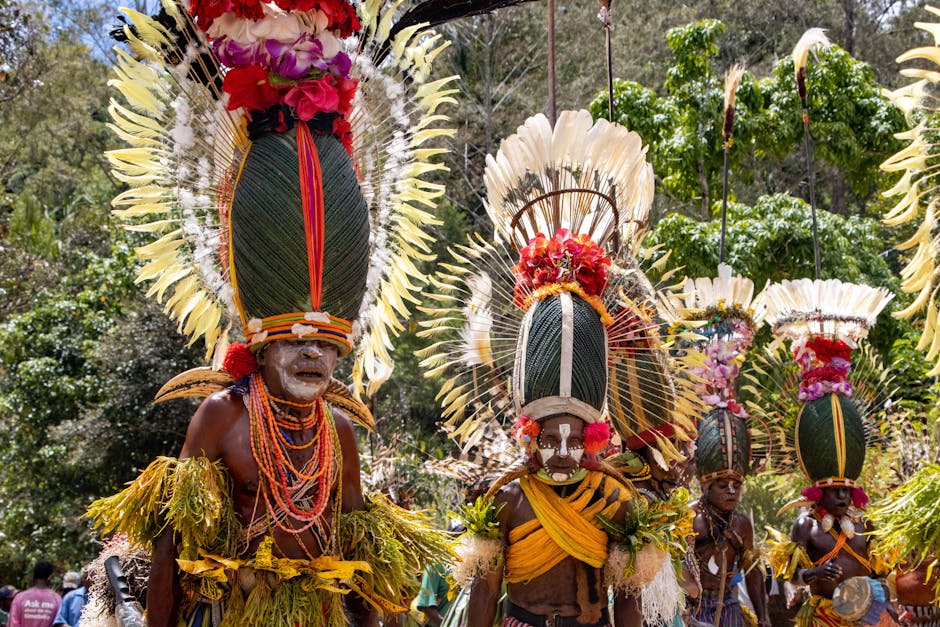
Colorful tribal dancers in traditional attire at a cultural festival in Pap…, Tari’s Wilderness, Papua New Guinea
Art, Music & Nightlife
The creative expression in Tari is inseparable from daily and ceremonial life. The most iconic art is the transformative body adornment of the Huli Wigmen. This is a years-long process; boys enter special “wig schools” (*Harambe*) to learn the secrets of growing and decorating their *ambua* under the guidance of a master. The wigs are decorated with feathers, flowers, and ochre paints in patterns that denote clan, status, and occasion. You’ll also find intricate string bags (*bilums*), woven by women with patterns representing their clan, and carved wooden arrows and axes.
Music is predominantly vocal and rhythmic, centered around the *sing-sing*. The deep, haunting group chants and the pounding of kundu drums are not performance for an audience but a powerful, participatory invocation of ancestral spirits and tribal pride. As for “nightlife,” forget bars and clubs. After dark, life retreats to the family hearth. Your evening will be spent by a kerosene lamp or fire, listening to stories, sharing a simple meal, and gazing at a sky ablaze with stars unobscured by city lights. The major festival to plan for is the annual Tari Show, usually held in August, when dozens of clans gather at the Ambua showground for the most spectacular concentration of singing, dancing, and cultural display in the region.
Practical Guide
- Getting There: Fly into Port Moresby (POM), then take an Air Niugini or PNG Air flight to Tari (TIZ). Flights are daily but weather-dependent. Book flights well in advance at Skyscanner.
- Getting Around: On foot or by 4WD vehicle with a local guide. Walking is essential for visiting hamlets. PMV trucks ply the highway for a few Kina, but for safety and convenience, hire a vehicle and driver through your lodge (approx. 300-500 Kina/day).
- Where to Stay: Stay at the renowned Ambua Lodge, about 30 minutes from Tari Station, for comfort and incredible views. For a more basic, community-based experience, ask your guide about guesthouses in Tari Station. Check Booking.com for Ambua Lodge availability.
- Best Time: The drier months from May to October offer the best trekking and festival conditions (the Tari Show is in August).
- Budget: A realistic daily budget for a guided experience, including lodge stay, meals, guide, and vehicle, starts at $250-$400 USD per person. Independent travel is not recommended and would be logistically very challenging.

Couple in traditional dress stands in lush grassland with mountainous background, Tari’s Wilderness, Papua New Guinea
What Surprises First-Time Visitors
Most travelers are stunned by the sheer intensity and authenticity of the cultural encounters. This isn’t a performance put on for tourists; you are a guest witnessing living traditions. The meticulousness of the Huli appearance is a common surprise—the careful application of face paint, the precise arrangement of every feather, and the pride taken in personal adornment speak of a deep aesthetic code. Visitors often remark on the quiet dignity and gentle nature of the Huli people in daily life, which contrasts with the fierce warrior persona seen in *sing-sings*.
The physical landscape is another shock. Expecting dense jungle, you find instead the breathtaking, open “bald hills” and deep valleys of the highlands, often shrouded in ethereal morning mist. The altitude (around 1,600 meters) means cool, refreshing nights. Finally, the juxtaposition of the ancient and modern is constant and uncontrived. You’ll see a man using a smartphone to show photos of his wig to a relative, or a warrior with a bone through his nose discussing local politics. It challenges the misconception of a “lost” tribe and reveals a people navigating their own path through the 21st century.
Your Tari’s Wilderness, Papua New Guinea Questions
Is it safe to travel to Tari? Safety requires careful planning. Tribal conflicts (*raskolism*) can occur in the region. Savvy visitors never travel independently. Your safety is ensured by traveling with a respected, locally-owned tour operator and guide who understands the current clan dynamics and can navigate permissions and protocols. Staying at established lodges like Ambua, which have long-standing community relationships, is also key. Follow your guide’s advice explicitly.
What is the etiquette for taking photographs? This is paramount. Never, ever take a photograph without explicit, prior permission. A smile and a nod are not enough. Ask your guide to translate your request. Be prepared to pay a small fee (usually 5-10 Kina) for portraits, especially of the Wigmen. This is a standard and respectful practice, acknowledging their artistry and time. Turn your camera away during sensitive moments or if asked.
How physically demanding is a visit? It can be moderate to challenging. The highland air is thin, and exploring involves walking on uneven, often muddy paths with significant elevation changes. A visit to a wig school or remote hamlet may require a hike of an hour or more. Travelers should have a reasonable level of fitness. The rewards—pristine waterfalls, hidden valleys, and authentic cultural immersion—are well worth the effort, but come prepared with sturdy, broken-in hiking boots and a sense of adventure.

Dancers in traditional Papuan attire performing under night lights in Jayapura, Tari’s Wilderness, Papua New Guinea

