
Caçapava do Sul, Brazil: Geologic Wonders, Gaúcho History & Starlit Skies (2026)
In 1839, the cannons of the Ragamuffin War fell silent, and a new capital was declared. Not in a grand coastal city, but here, in the rolling hills of the Pampa. For two tumultuous years, Caçapava do Sul served as the capital of the short-lived Piratini Republic, a bastion of gaúcho rebellion. The echo of that defiant spirit—of a people who dared to dream of their own republic—still whispers through its cobblestone streets and ancient stone walls.
The Story Behind Caçapava do Sul
Your journey into Caçapava’s past begins long before the 19th century. The region’s name itself is a Tupi-Guarani word meaning “clearing in the forest,” a testament to the indigenous peoples who first navigated its unique landscape of flat-topped hills, or *cerros*. But the story that truly forged the town’s identity is one of conflict and cattle. In the 1700s, Portuguese settlers, drawn by the promise of land and mineral wealth, established a military outpost. This was frontier territory, a buffer zone between Spanish and Portuguese claims, and the hardy, independent *gaúcho*—the South American cowboy—became its defining archetype.
The town’s defining moment arrived with the Ragamuffin War (1835-1845), a decade-long revolt where the ranchers of Rio Grande do Sul fought against the central Brazilian Empire. In 1839, the rebel forces, led by General Antônio de Sousa Netto, moved their capital from Piratini to the more defensible Caçapava. For two years, the town’s streets bustled with the politics of a nation-in-arms. Though the republic ultimately fell, this period cemented Caçapava’s place as a symbol of regional pride and self-determination. Travelers today aren’t just visiting a quiet town; they’re walking the former streets of a rebel capital.
The 20th century brought a different kind of treasure to light: copper. The Minas do Camaquã became one of Brazil’s most important mines, drawing workers and shaping the local economy for decades until its closure. This layered history—indigenous, imperial, rebellious, and industrial—gives Caçapava a profound depth. Locals speak of their heritage with a quiet pride, knowing their home has played an outsized role in the story of the Brazilian south.
Neighborhood by Neighborhood
Centro Histórico: Echoes of a Republic
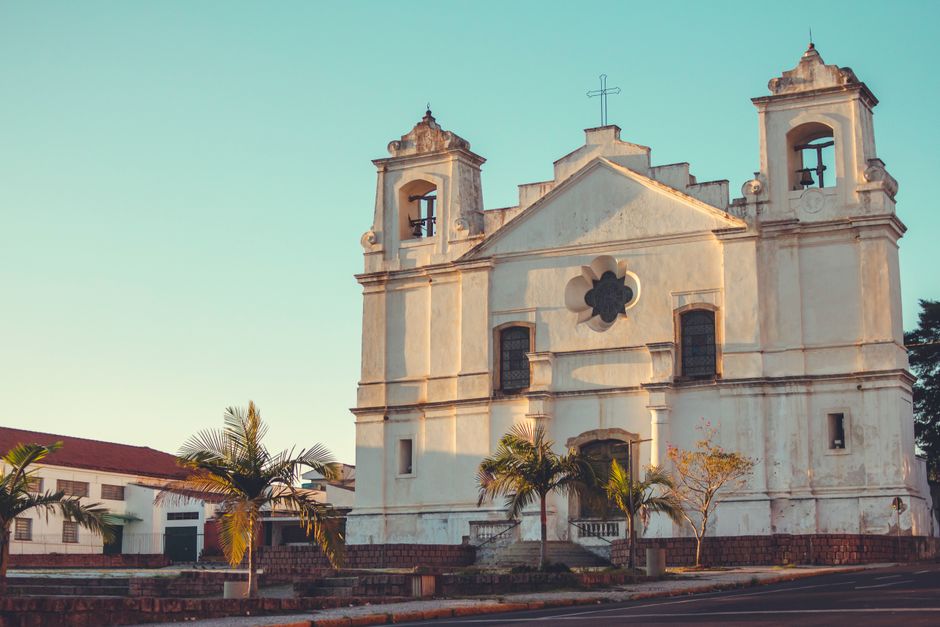
Your exploration naturally begins in the Centro Histórico, where the weight of history is palpable in the uneven cobblestones underfoot. This is the heart of the old rebel capital. You’ll spend hours wandering around Praça Dr. Ruben Becker, the main square, where the imposing **Igreja Matriz Nossa Senhora da Assunção** stands guard. Its construction began in 1815, and its simple, sturdy lines speak to the era. On Rua General Netto, you’ll find the **Casa do Ministro**, a well-preserved 19th-century building that once housed government officials of the Piratini Republic. The neighborhood isn’t a manicured museum; it’s a living, breathing community where antique doors open onto modern shops and the scent of roasting coffee mixes with the sound of distant tractor engines. The architecture is a humble, beautiful mix of Portuguese colonial influences and vernacular styles, with thick stone walls and colorful window frames.
Bairro da Serra: Vistas and Village Life
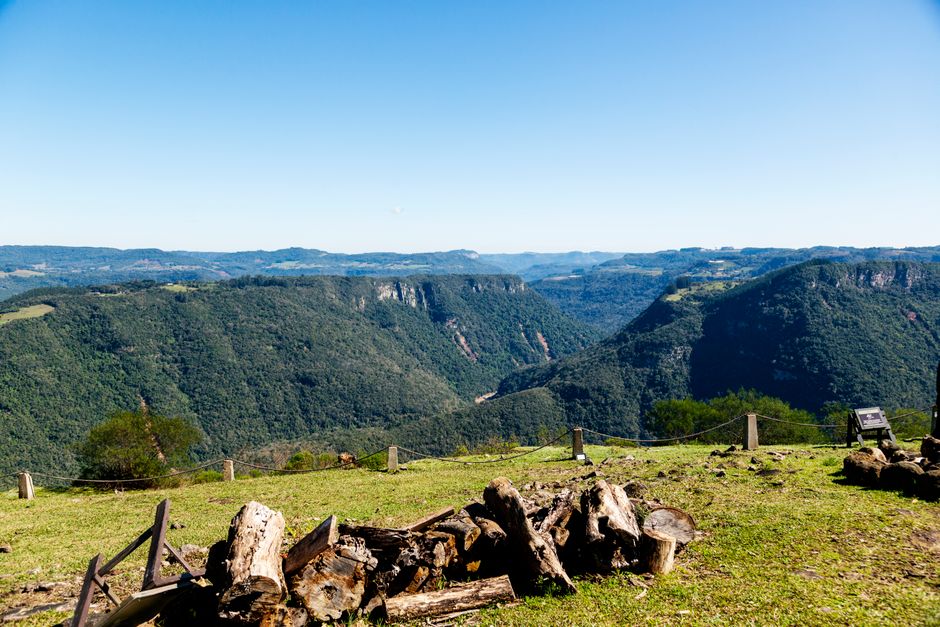
For a dramatic change of perspective, head to Bairro da Serra, nestled against the slopes of the iconic **Cerro do Botucaraí**. The air feels different here—cleaner, scented with pine and earth. The streets climb steadily, revealing postcard-perfect views of the town’s red-tiled roofs set against the vast, green expanse of the Pampa. This neighborhood feels more like a secluded village, with cozy homes and winding lanes. Your destination here is the path leading up the *cerro* itself. The climb is gentle, and from the summit, at the **Mirante do Botucaraí**, you’ll understand why the rebels chose this place. The 360-degree panorama is breathtaking, a sea of rolling hills under an immense sky. Locals come here at sunset, a daily ritual of quiet contemplation. The pace is slower, the greetings warmer; it’s where you go to feel the town’s connection to its majestic natural surroundings.
Bairro Jardim: The Pulse of Daily Commerce
To see the vibrant, modern heartbeat of Caçapava, you dive into Bairro Jardim. Centered along the bustling Avenida Santos Dumont, this is the commercial and social hub. Here, the history is contemporary: the buzz of motorbikes, the animated conversations spilling out of cafes, and the well-stocked shops lining the streets. This is where you’ll find the **Mercado Público**, a symphony of local life where butchers, bakers, and farmers sell their wares. The architecture shifts to functional mid-20th century buildings, but the energy is timeless. In the evening, families and friends gather at the casual *churrascarias* and pizza parlors, filling the air with laughter and the irresistible smell of grilled meat. While the Centro holds the past and the Serra holds the view, Bairro Jardim holds the present—a testament to the town’s enduring, resilient community spirit.
The Local Table: What Gaúchos Actually Eat
In Caçapava, food is not just sustenance; it’s a ritual of fire, family, and the land. The cuisine is the hearty, unpretentious fare of the Pampa, built to fuel a day of work under the open sky. The undisputed king is **churrasco**—barbecue—but here it’s less about all-you-can-eat temples and more about backyard gatherings. The meat, often seasoned with nothing but coarse salt, is slow-cooked over embers of native wood. Locals don’t just eat cuts like *picanha* (rump cap); they savor the lesser-known, intensely flavorful *costela* (ribs) and *coração de galinha* (chicken hearts).
Beyond the grill, you must seek out **arroz carreteiro**. This is the gaúcho’s historical travel meal: a robust, one-pot dish of rice cooked with *charque* (sun-dried beef), onions, garlic, and sometimes beans. It’s a flavor of history in a bowl. For the full experience, savvy visitors head to **Churrascaria e Restaurante Gralha Azul** on Avenida Santos Dumont. It’s a local institution where the *churrasco* is exceptional and the *arroz carreteiro* is legendary. Arrive hungry around 1:00 PM for lunch, and plan to spend about R$ 50-70 (USD $10-14) for a feast. Start your day like a local with a strong *chimarrão* (yerba mate tea) from a shared gourd, a bitter, caffeine-rich tradition that symbolizes friendship and is offered everywhere, from park benches to shop counters.
Stunning view of a historic church in Viamão, Brazil, captured in daylight., Caçapava do Sul, Brazil
Art, Music & Nightlife
The creative spirit of Caçapava is deeply folkloric, rooted in the traditions of the *gaúcho*. This isn’t a city of trendy galleries, but of living culture. The sound you’re most likely to hear is **vanerão** or **chamamé**, traditional musical styles played on the accordion, guitar, and *viola* (a Brazilian guitar). You can experience this authentically at a **CTG (Centro de Tradições Gaúchas)**, like **CTG Sentinela da Serra**, where locals gather to dance, sing, and keep their customs alive. Visitors are always welcomed with open arms to these gatherings, often held on weekend evenings.
The town’s artistic highlight is the **Museu Municipal Major Tancredo Fernandes de Mello**, housed in a historic building. It thoughtfully curates artifacts from the Ragamuffin War, indigenous archaeology, and the mining era, telling the town’s layered story. For nightlife, don’t expect thumping clubs. Instead, the social scene revolves around the *churrascarias* and botecos (pubs) in Bairro Jardim, where cold beer flows and conversations last for hours. The true calendar highlight is the **Rodeio Internacional de Caçapava do Sul**, usually held in April or May. This is a massive, authentic celebration of gaúcho skills with rodeo competitions, folk music, and parades, drawing participants from across South America.
Practical Guide
- Getting There: The nearest major airport is in Porto Alegre (POA), about a 3.5-hour drive away. You can rent a car there or take a comfortable intercity bus (companies like Unesul) directly to Caçapava, which takes about 4 hours and costs around R$ 80-100 (USD $16-20) one-way. Book flights at Skyscanner
- Getting Around: The town center is very walkable. For sites like the Minas do Camaquã or distant *cerros*, renting a car is your best option (from ~R$ 150/day). Local taxis are affordable for short trips.
- Where to Stay: Opt for a charming pousada in the **Centro Histórico** for atmosphere (like Pousada Histórica) or a practical hotel in **Bairro Jardim** for convenience (like Hotel Villa Real). Check Booking.com
- Best Time: March to May (autumn) and September to November (spring). The weather is mild, perfect for hiking, and you avoid the summer heat (Dec-Feb) and occasional chilly winter fog (June-Aug).
- Budget: Caçapava is very affordable. Savvy travelers can manage on R$ 200-250 (USD $40-50) per day, covering a comfortable pousada, restaurant meals, local transport, and entrance fees.
Explore the stunning aerial view of Cambará do Sul’s lush green cliffs enve…, Caçapava do Sul, Brazil
What Surprises First-Time Visitors
The first surprise is the profound silence. After the urban roar of Brazil’s coasts, the quiet of Caçapava is a physical sensation. At night, you hear crickets and the distant bark of a dog, not traffic. The immense, star-crammed sky, free from light pollution, leaves visitors awestruck. It’s a reminder that you’re in the heart of the vast, empty Pampa.
Secondly, travelers often discover that the town’s historical significance is worn lightly. There are no grandiose monuments shouting about its past as a capital. Instead, history is embedded in the fabric of the place—in the name of a pharmacy, the stone of a wall, the story a shopkeeper tells you when you buy a coffee. You have to listen for it, which makes the discovery all the more rewarding. Finally, the warmth of the people defies expectation. This isn’t the performative hospitality of a major tourist destination. It’s a genuine, curious kindness. You’ll be asked where you’re from, why you came here of all places, and then be given a recommendation for the best *pastel* in town or an invitation to share a *chimarrão*. In Caçapava, you don’t just visit a place; you’re briefly welcomed into a community.
Your Caçapava do Sul Questions
Is it worth visiting the old mine (Minas do Camaquã)? Absolutely, but with the right expectations. The mine is an immense, surreal landscape of rust-colored open pits and decaying industrial architecture, about a 20-minute drive from town. It’s not a polished attraction; it’s a haunting, beautiful monument to a bygone industrial era. You can walk along the edges (with caution) and feel the scale of it. Go in the late afternoon for the best light and photographs. There is no formal tour, so it’s a self-guided exploration.
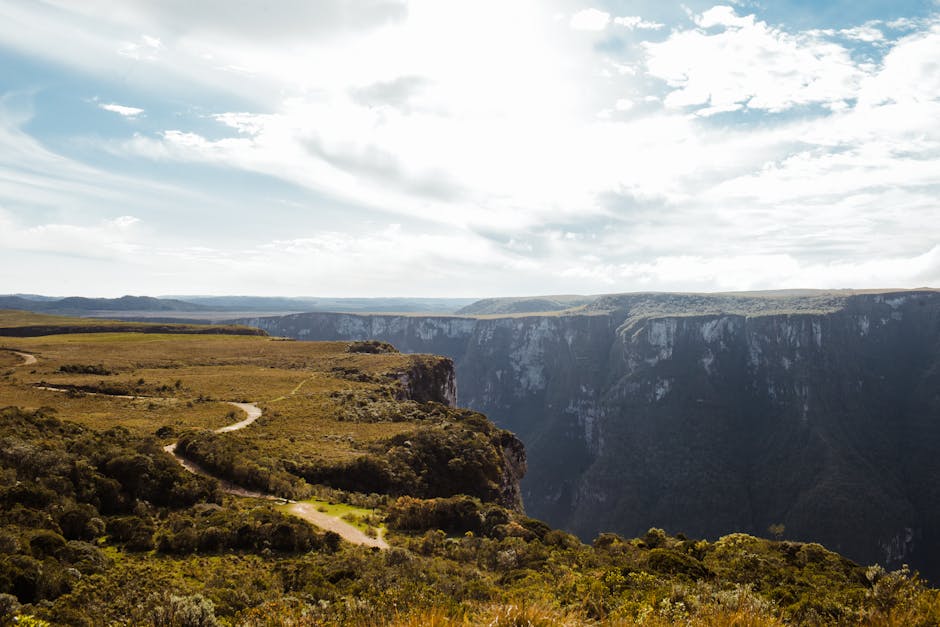
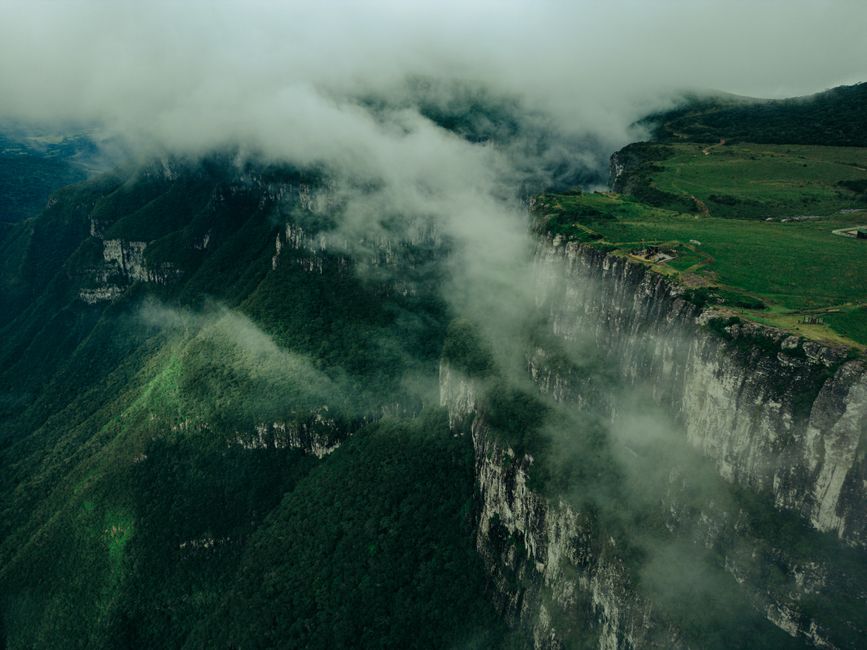
I’m not a history buff. What else is there to do? Plenty. The main draw for many is the stunning natural geography. Hiking the various *cerros*—like Botucaraí or do Salso—offers some of the best views in Rio Grande do Sul. The region is also known for its geodes and amethysts; you can visit small, family-run mines or shops selling beautiful, raw crystals. Simply driving the rural roads, past herds of cattle and historic *estâncias* (ranches), is a captivating experience.
How many days should I spend here? Most travelers find that two to three full days is perfect. This gives you one day to explore the historic center and museums, one day to hike the *cerros* and visit the mine, and a third to relax, delve deeper into the local food, or take a scenic drive into the surrounding countryside. It’s an ideal stop on a wider gaúcho road trip between Porto Alegre and the Serra Gaúcha.
Explore the breathtaking view of green valleys and rugged hills under a cle…, Caçapava do Sul, Brazil
Explore More Destinations
- Jozani, Tanzania on a Budget: an Ancient Forest for $35/Day (2026)
- Nsumbu, Zambia on a Budget: Wild Africa for $40/Day (2026)
- Semporna, Malaysia on a Budget: Paradise for $35/Day (2026)
- Khuzestan, Iran on a Budget: Ancient Empires for $30/Day (2026)
- Ngerulmud, Palau on a Budget: Island Majesty for $45/Day (2026)
Ready to Visit Caçapava do Sul?
Start planning your trip today. Compare hotels, find the best tours, and get insider tips.
Your adventure in Caçapava do Sul starts here →
Related Guides
Explore more destinations similar to Caçapava do Sul:
- Rankin Inlet, Canada’s Best Northern Lights, Inuit Art & Arctic Wilderness (2026)
- Bajawa, Indonesia’s Essential Volcanoes, Megaliths & Ancient Ngada Culture (2026)
- Lake Mweru, Zambia’s Ultimate Fishing, Frontier Spirit & Untouched Shores (2026)
- Khorol, Mongolia: Ultimate Nomadic Spirit, Volcanic Lakes & Untamed Wilderness (2025)
{“@context”: “https://schema.org”, “@type”: “FAQPage”, “mainEntity”: [{“@type”: “Question”, “name”: “What is the best time to visit Cau00e7apava do Sul?”, “acceptedAnswer”: {“@type”: “Answer”, “text”: “The best time to visit Cau00e7apava do Sul depends on your preferences. Generally, the dry season offers the most pleasant weather for sightseeing and outdoor activities.”}}, {“@type”: “Question”, “name”: “How many days do I need in Cau00e7apava do Sul?”, “acceptedAnswer”: {“@type”: “Answer”, “text”: “Most travelers spend 3-5 days in Cau00e7apava do Sul to see the main attractions. A week allows for a more relaxed pace and day trips.”}}, {“@type”: “Question”, “name”: “Is Cau00e7apava do Sul expensive to visit?”, “acceptedAnswer”: {“@type”: “Answer”, “text”: “Cau00e7apava do Sul can be visited on various budgets. Accommodation ranges from hostels to luxury hotels, and local restaurants offer affordable dining.”}}]}

