
Nuquí, Colombia’s Hidden Whales, Waterfalls & Untamed Pacific Coast (2026)
At 5:30 AM in Nuquí, the jungle canopy erupts with the guttural chorus of howler monkeys, a sound that has echoed here for millennia. This is the Chocó Biogeographic Region, one of the planet’s wettest and most biodiverse places, receiving over 30 feet of rain annually. While most travelers head to Colombia’s Caribbean coast, you’ll find a different world here—a place where the dense rainforest meets the wild Pacific, accessible only by small plane or boat, and where the rhythm of life is set by the tides and the migration of 50-ton humpback whales.
Why Nuquí, Colombia Stands Out

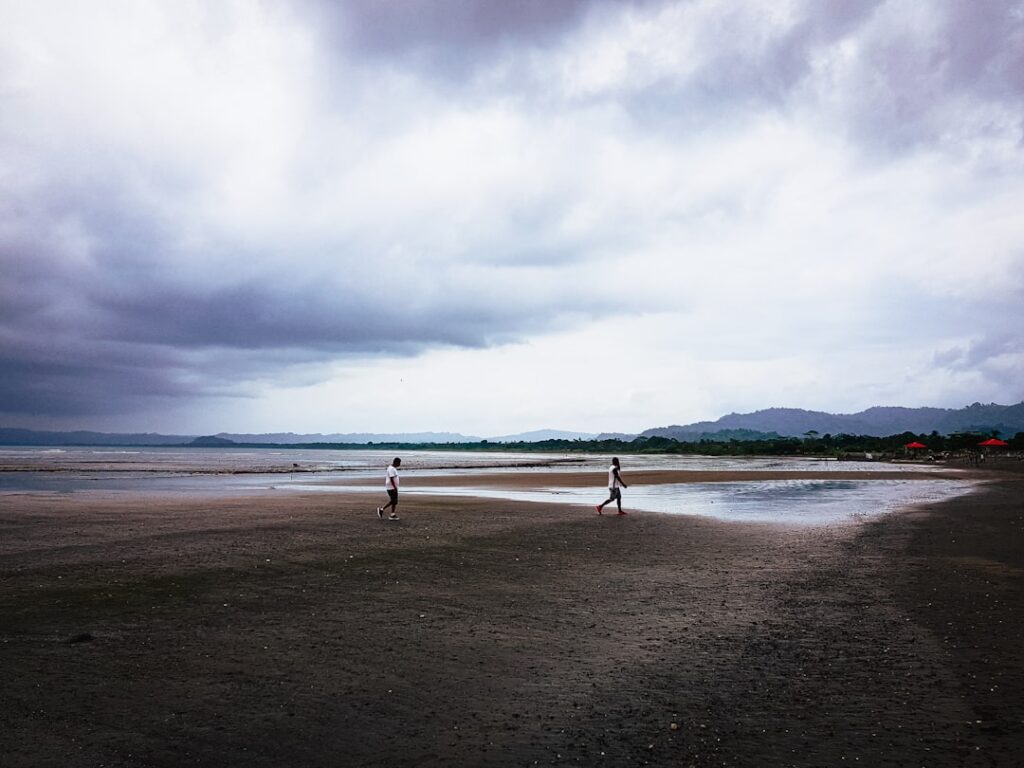
A close up of a wave on a beach, Nuquí, Colombia
- Historic Architecture: The simple, stilted wooden architecture of the Afro-Colombian communities, built to withstand the tides and rains, reflects a centuries-old adaptation to this challenging environment.
- Cultural Scene: The annual Festival de la Bahía in September celebrates the region’s Afro-Colombian heritage with traditional currulao music, dance, and vibrant processions.
- Local Specialties: You must try the fresh pescado sudado, a steamed fish dish cooked with coconut milk, lime, and local herbs, often served with patacones (fried plantains).
Pro Tip: The absolute best time to visit is from July to October. This is the dry(er) season, with more sunshine and, crucially, the arrival of the humpback whales. You’ll have the best chance for whale watching, hiking, and enjoying the beaches without constant downpours.
Map of Nuquí, Colombia
Use these interactive maps to explore Nuquí, Colombia and plan your route:
📍 View Nuquí, Colombia on OpenStreetMap
🗺️ Open Nuquí, Colombia in Google Maps
Planning Your Trip: Practical Essentials
Getting There and Around
- By Air: The only practical way in is via a 1-hour flight from Medellín’s Olaya Herrera Airport (EOH) to the Nuquí Airport (NQU) on an SATENA or ADA Airlines turboprop. Book flights at Skyscanner for best deals.
- By Train: There are no train services to this remote Pacific region. All travel is by air or sea.
- By Car: Road access is virtually non-existent due to the impenetrable Darién Gap and dense jungle. Driving is not an option.
- Local Transport: Water taxis (lanchas) are the highways here. Expect to pay 20,000-50,000 COP ($5-$12 USD) for trips between beaches and towns. Your lodge will typically arrange all necessary boat transfers.
Best Time to Visit
Nuquí’s climate is tropical and humid year-round, but timing your visit is key for specific experiences. The “dry” season offers the most reliable weather for exploration.
| Season | Weather | Highlights |
|---|---|---|
| Whale Season (Jul–Oct) | Warmer, less rain, temps 75-85°F (24-29°C) | Humpback whale watching is prime, best beach days, ideal for hiking; this is peak season. |
| Green Season (Dec–Mar) | Heavier rainfall, but sunny breaks, humid | Lush, vibrant rainforest, excellent birdwatching, fewer visitors, and lower prices. |
| Shoulder (Apr–Jun/Nov) | Transitional, unpredictable showers | A mix of weather, quiet lodges, good for surfing (consistent swells), and a more solitary experience. |
Budgeting for Nuquí, Colombia

A small bug is hidden among green leaves., Nuquí, Colombia
| Category | Budget | Mid-range | Luxury |
|---|---|---|---|
| Accommodation | COP 80,000-150,000/night (hostel/guesthouse) | COP 250,000-400,000/night (eco-lodge) | COP 600,000+/night (all-inclusive luxury lodge) |
| Meals | COP 15,000-25,000 (local eateries) | COP 30,000-50,000 (lodge restaurant) | COP 70,000+ (multi-course meals) |
| Transport | COP 20,000-50,000 (water taxi trips) | Included in most lodge packages | Private boat charters (COP 300,000+) |
| Activities | Free hikes, beach time | COP 60,000-120,000 (whale watching tour) | Private guided tours, spa treatments |
| Daily Total | COP 115,000-225,000 (~$30-$60 USD) | COP 340,000-570,000 (~$85-$145 USD)* | COP 970,000+ (~$250+ USD) |
*Mid-range is most common, typically as an all-inclusive lodge package.
Top Attractions and Must-See Sights
| Attraction | Description | Hours | Entry Fee |
|---|---|---|---|
| Humpback Whale Watching | Witness mothers and calves breaching in the warm Pacific waters from July to October. | Tours at 8 AM & 2 PM | COP 60,000-120,000 per person |
| Termales de Jurubirá | Natural hot springs where volcanic-heated water meets the cool river, creating perfect thermal pools in the jungle. | Daylight hours | COP 10,000 |
| Playa Guachalito | A stunning, serene black-sand beach backed by rainforest, often dotted with rustic eco-lodges. | Always open | Free |
| Cascada del Amor | A breathtaking 30-meter waterfall hidden in the jungle, with a refreshing pool for swimming. | Daylight hours | Free (guide recommended) |
3-Day Itinerary: Nuquí, Colombia’s Highlights & Hidden Gems
Day 1: Arrival & Immersion in Jungle Rhythm
- Morning: Catch the early flight from Medellín (EOH) to Nuquí (NQU). Your pre-arranged lodge transfer will meet you for a 30-45 minute boat ride along the coast to your accommodation on Playa Guachalito or nearby.
- Afternoon: After settling in, take a guided jungle walk from your lodge. Your guide will point out medicinal plants, colorful poison dart frogs, and the towering canopy. Enjoy a late lunch of fresh grilled fish at your lodge’s open-air restaurant.
- Evening: As dusk falls, listen for the nocturnal sounds. After a dinner of coconut seafood stew, head to the beach for a surreal experience: bioluminescent plankton often glows in the wet sand underfoot.
Day 2: Whales & Thermal Waters
- Morning: 8 AM whale watching tour (COP 80,000). Boats head out to where spouts are sighted. The thrill of seeing a 40-foot whale launch itself from the water is unforgettable. Keep an eye out for sea turtles and dolphins too.
- Afternoon: Boat to Termales de Jurubirá (transport ~COP 40,000 roundtrip). Spend a few hours moving between the series of rocky, naturally heated pools, alternating with dips in the cool river. Pack a simple picnic lunch.
- Evening: Return to your lodge. For dinner, ask if they can prepare *encocado de camarón* (shrimp in coconut sauce). Relax in a hammock, lulled by the sound of the Pacific.
Day 3: Waterfalls & Local Culture
- Morning: Hire a local guide (COP 50,000) for the 45-minute hike to Cascada del Amor. The trail is muddy and involves river crossings—wear sturdy water shoes. The powerful, secluded waterfall is your reward.
- Afternoon: Boat to the town of Nuquí itself. Wander the few sandy streets, visit the small market, and have lunch at **Restaurante Mar y Río** for a massive *cazuela de mariscos* (seafood casserole).
- Evening: Your final night calls for a sunset beach walk. Reflect on the raw beauty you’ve experienced over a farewell dinner at your lodge, perhaps trying the local *agua de pipa* (fresh coconut water) straight from the shell.
Cultural Insights & Etiquette
- Language: Spanish is key. Learn basics: “Buenos días” (Good morning), “Gracias” (Thank you), “¿Cuánto cuesta?” (How much?). In Afro-Colombian communities, you might hear the local Chocó Spanish dialect.
- Customs: Life moves slowly here—practice patience. Always greet people before asking for help or directions. The communities are tight-knit and respectful; ask permission before taking photos of individuals.
- Tipping: Not universally expected but greatly appreciated for good service. For guides, 10-15% of the tour cost is standard. In restaurants, rounding up the bill or leaving 5-10% is a kind gesture.
- Dress Code: Practical and modest. Quick-dry clothing, swimsuits, and sandals are fine for beaches and lodges. In the town of Nuquí, slightly more covered attire (t-shirts and shorts) is respectful.
- Business Hours: Everything runs on “Colombian time.” Shops in town may open late and close for a long lunch. Lodges operate on their own schedules, typically aligned with meal and activity times.
Where to Eat: Nuquí, Colombia’s Best Bites
Dining in Nuquí is defined by the bounty of the sea and the forest. Most visitors eat at their eco-lodge, which serves fresh, family-style meals. Venturing into town offers a more local, rustic experience.
Must-Try Local Specialties
- Pescado Sudado: The quintessential dish—fish steamed with tomatoes, onions, cilantro, and coconut milk. Best tried at any local home-kitchen restaurant in town.
- Patacones con Hogao: Thick, fried green plantains served with a savory tomato and onion sauce (*hogao*). The perfect side dish or snack.
- Jugo de Borojó: A thick, energizing juice made from the borojó fruit, believed to have aphrodisiac properties. You’ll find it at small juice stands.
Restaurant Recommendations by Budget
| Type | Restaurant | Specialty | Price Range |
|---|---|---|---|
| Budget | Comedor Doña Mary (Nuquí town) | Huge, affordable plates of daily catch with rice and patacones | COP 15,000-20,000 |
| Mid-range | Your Eco-Lodge Kitchen | Multi-course dinners featuring the day’s freshest seafood and local produce | Included/COP 30,000-50,000 |
| Fine dining | El Cantil Lodge Restaurant | Gourmet interpretations of Pacific cuisine with stunning ocean views | For guests/COP 70,000+ |
Where to Stay
Accommodation is almost exclusively in eco-lodges or guesthouses, ranging from rustic to luxurious. Most are clustered along the beaches south of Nuquí town, like Guachalito, Coquí, and Joví. Compare prices and book at Booking.com or Airbnb for apartments (limited in town).
Best Neighborhoods for Accommodation
- Playa Guachalito: The epicenter for eco-tourism, with a string of beautiful lodges along a pristine beach. Pros: Stunning setting, variety of lodges. Cons: Isolated, you’ll rely on your lodge for everything. Suits travelers seeking nature immersion.
- Nuquí Town: The main settlement. Pros: More local interaction, cheaper guesthouses, access to shops. Cons: Less picturesque, no beachfront lodges. Suits budget travelers and those wanting a cultural base.
- Playa Coquí/Joví: Similar to Guachalito but often slightly more remote. Pros: Extreme tranquility, unique lodges. Cons: Very limited services. Suits those on a digital detox or romantic getaway.
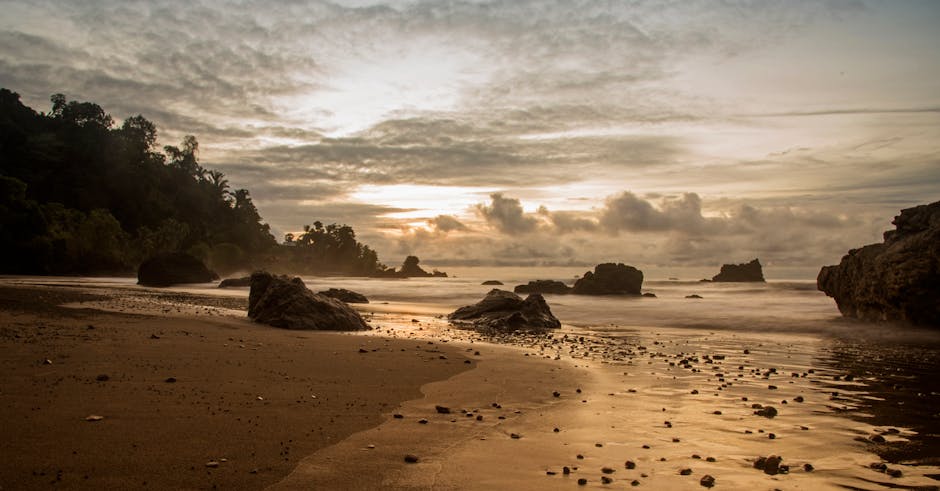
Scenic view of Nuquí beach, Chocó at sunset with rocky shoreline., Nuquí, Colombia
FAQs: Your Nuquí, Colombia Questions Answered
1. Is Nuquí, Colombia safe at night?
Yes, the areas tourists frequent (beach lodges, the main town) are generally safe. The primary risks are natural—slippery trails, strong ocean currents, and mosquitoes. Always heed your guide’s advice. In town, use common sense: don’t flash valuables and stay in well-lit areas after dark.
2. What currency is used and are credit cards accepted?
The Colombian Peso (COP) is the currency. This is a cash-based economy. **You must bring enough Colombian Pesos in cash for your entire stay**, as ATMs in Nuquí are unreliable or empty. Some high-end lodges may accept credit cards, but assume you cannot use them. Plan accordingly before flying in from Medellín.
3. How do I get from the airport to the city center or my lodge?
Your lodge will almost always include an airport pickup and boat transfer in their package. If you’re staying in town, it’s a short 5-minute tuk-tuk ride (COP 5,000). If you haven’t arranged this, you can negotiate a boat at the dock, but it’s not recommended. Book airport transfers at GetYourGuide for convenience if your lodge doesn’t offer.
4. Do I need to speak the local language?
Basic Spanish is extremely helpful. While staff at lodges often speak some English, boat captains, local guides, and restaurant staff in town generally do not. Learning key phrases will greatly enhance your experience and is a sign of respect. A translation app can be a lifesaver.
5. What’s the appropriate dress code?
Functional over fashionable. Pack quick-dry clothing, a swimsuit, a rain jacket, sturdy sandals or water shoes, and light long sleeves/pants for bug protection. There’s no need for fancy attire. A sun hat, sunglasses, and reef-safe sunscreen are non-negotiable.
Final Thoughts: Nuquí, Colombia Awaits
Nuquí is not a destination for checklist tourism; it’s a place for profound connection. You come here to feel the mist from a hidden waterfall, to hold your breath as a whale’s fluke disappears into the deep, and to fall asleep to a symphony of jungle rain. It challenges you with its remoteness and rewards you with its untouched majesty. For the traveler seeking to trade crowds for canopy, and noise for the sound
Explore More Destinations
- Jozani, Tanzania on a Budget: an Ancient Forest for $35/Day (2026)
- Nsumbu, Zambia on a Budget: Wild Africa for $40/Day (2026)
- Semporna, Malaysia on a Budget: Paradise for $35/Day (2026)
- Khuzestan, Iran on a Budget: Ancient Empires for $30/Day (2026)
- Ngerulmud, Palau on a Budget: Island Majesty for $45/Day (2026)
Ready to Visit Nuquí?
Start planning your trip today. Compare hotels, find the best tours, and get insider tips.
Your adventure in Nuquí starts here →
{“@context”: “https://schema.org”, “@type”: “FAQPage”, “mainEntity”: [{“@type”: “Question”, “name”: “What is the best time to visit Nuquu00ed?”, “acceptedAnswer”: {“@type”: “Answer”, “text”: “The best time to visit Nuquu00ed depends on your preferences. Generally, the dry season offers the most pleasant weather for sightseeing and outdoor activities.”}}, {“@type”: “Question”, “name”: “How many days do I need in Nuquu00ed?”, “acceptedAnswer”: {“@type”: “Answer”, “text”: “Most travelers spend 3-5 days in Nuquu00ed to see the main attractions. A week allows for a more relaxed pace and day trips.”}}, {“@type”: “Question”, “name”: “Is Nuquu00ed expensive to visit?”, “acceptedAnswer”: {“@type”: “Answer”, “text”: “Nuquu00ed can be visited on various budgets. Accommodation ranges from hostels to luxury hotels, and local restaurants offer affordable dining.”}}]}
Related Guides
Explore more destinations similar to Nuquí:
- Lake Tahoe, USA’s Hidden Alpine Lakes, Epic Slopes & Year-Round Adventure (2026)
- Lake Inle, Myanmar: Ultimate Floating Gardens, Leg-Rowing Fishermen & Golden Pagodas (2026)
- Sinatra, Portugal’s Essential Coastal Trails, Fado Music & Golden Beaches (2025)
- Namib Desert, Namibia’s Hidden Dunes, Desolation & Starlit Skies (2025)

