
Yubeng’s Trails, China: Incredible Sacred Peaks, Glacial Lakes & Tibetan Culture (2026)
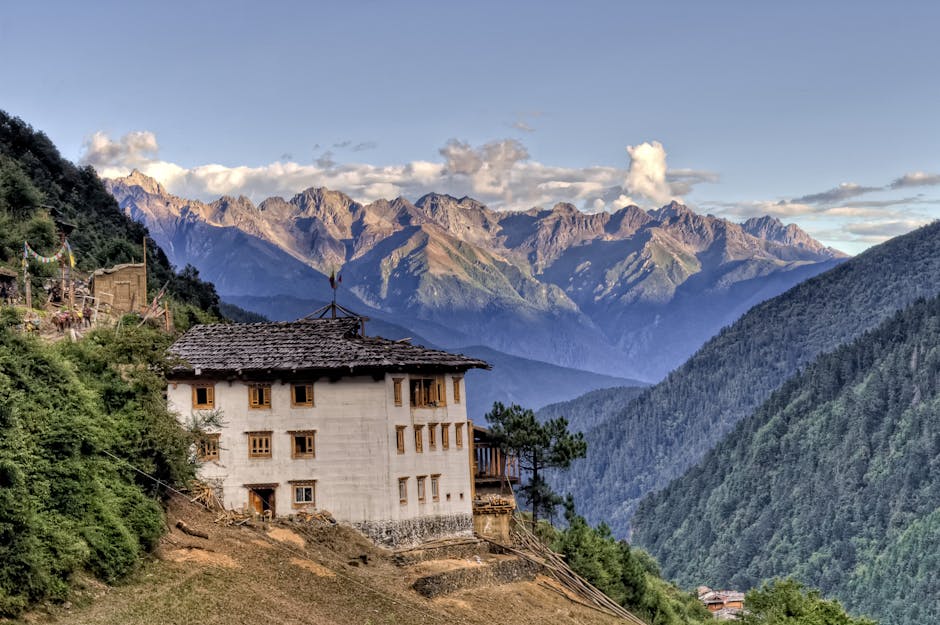
Ask a local Tibetan pilgrim about Yubeng, and they’ll whisper of its status as a *neixi*, a sacred, hidden valley within the Meili Snow Mountain range, accessible only by foot or horse. This isn’t a curated tourist trail; it’s a pilgrimage route to a village suspended at 3,100 meters, where prayer flags whip in the Himalayan wind and the roar of glacial waterfalls is a constant companion. While thousands trek Nepal’s Annapurna Circuit, a fraction find this more intimate, spiritually-charged alternative on the Tibetan Plateau’s edge, where the journey is as profound as the destination.
Why Yubeng’s Trails, China Stands Out
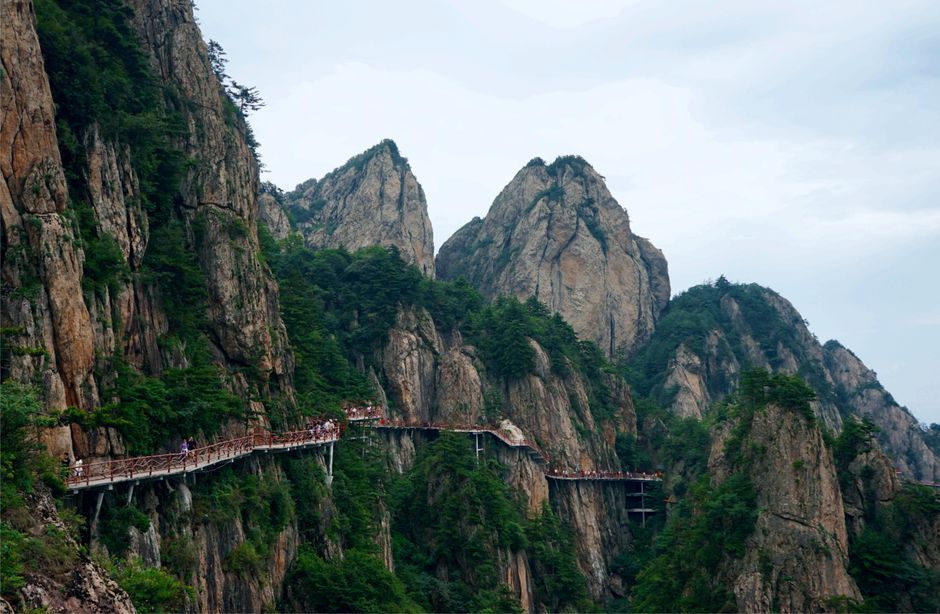
Panoramic view of a mountain pathway in Luoyang, Yubeng’s Trails, China
- Historic Architecture: The sacred Yubeng Village itself, a cluster of traditional Tibetan timber homes with prayer flag-draped roofs, has been a destination for pilgrims for centuries, serving as a base for kora (circumambulation) around the sacred Kawagarbo peak.
- Cultural Scene: Witness the devout practice of full-body prostration by pilgrims along the trails, a powerful, moving display of faith against the backdrop of some of the Himalayas’ most revered peaks.
- Local Specialties: Warm up after a long hike with a bowl of hearty *thukpa* (Tibetan noodle soup) or savor a plate of *momo* (dumplings), often filled with yak meat, at a simple village guesthouse.
Pro Tip: Your best bet is to visit during the shoulder seasons of **late April to early June** or **September to October**. You’ll avoid the heavy monsoon rains of July-August and the deep snows and potential trail closures of winter, while enjoying clearer skies, stable trails, and vibrant autumn colors or spring blooms.
Map of Yubeng’s Trails, China
Use these interactive maps to explore Yubeng’s Trails, China and plan your route:
📍 View Yubeng’s Trails, China on OpenStreetMap
🗺️ Open Yubeng’s Trails, China in Google Maps
Planning Your Trip: Practical Essentials
Getting There and Around
- By Air: Fly into Diqing Shangri-La Airport (DIG). From there, it’s a 4-5 hour drive to Feilaisi or Xidang, the trailheads. Book flights at Skyscanner for best deals.
- By Train: The nearest major rail hub is Lijiang. From Lijiang, take a 4-hour bus or private car to Shangri-La, then another 3-4 hours to the trailhead. Reserve tickets at Trainline or the national railway website.
- By Car: Driving yourself is challenging due to mountain roads; most travelers hire a private driver from Shangri-La or Lijiang for the journey to Xidang. Compare car rentals at RentalCars.com for exploration before/after the trek.
- Local Transport: Once at the trailhead (Xidang or Ninong), your only transport options are your own two feet or hiring a local horse/mule (approx. 200-300 CNY for the ascent to the pass). There are no roads into Yubeng Village.
Best Time to Visit
The trekking window is narrow, dictated by high-altitude weather. Savvy visitors target the dry, stable periods for the safest and most scenic experience.
| Season | Weather | Highlights |
|---|---|---|
| Summer (Jun–Aug) | 10°C to 18°C, monsoon season with frequent, heavy rain and leeches on trails. | Lush greenery, full water flow at waterfalls; however, trails are muddy, views are often obscured by clouds, and landslides are a risk. |
| Winter (Dec–Feb) | -5°C to 10°C, very cold with heavy snow at high passes. | Extremely quiet, stunning snowy landscapes; but the Nanzeng Pass is often closed, and trekking requires mountaineering experience and gear. |
| Shoulder (Apr–May/Sep–Oct) | 5°C to 15°C, generally dry, sunny days and cold, clear nights. | Ideal trekking conditions. April-May offer rhododendron blooms; September-October provide crystal-clear mountain views and golden autumn hues. The most reliable and recommended time. |
Budgeting for Yubeng’s Trails, China
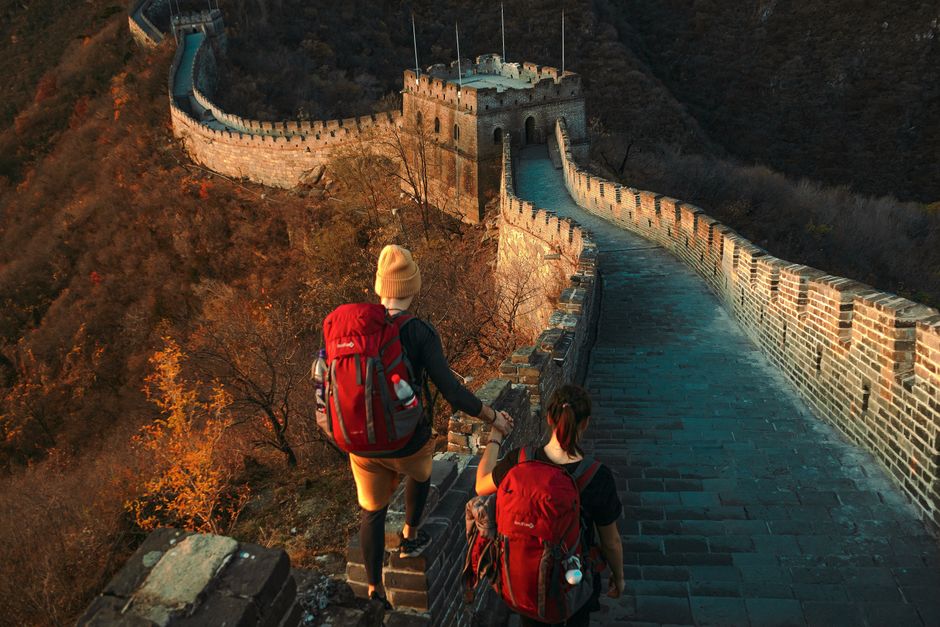
Two hikers on Great Wall, Yubeng’s Trails, China
| Category | Budget | Mid-range | Luxury |
|---|---|---|---|
| Accommodation | 50-80 CNY/night (basic guesthouse dorm) | 150-300 CNY/night (private room in guesthouse) | 500-800 CNY/night (best lodge in village) |
| Meals | 30-50 CNY/meal (simple noodle soup, momos) | 50-80 CNY/meal (guesthouse set meal) | 80-120 CNY/meal (multi-course dinner at top lodge) |
| Transport | Public bus from Shangri-La (80 CNY) | Shared van to trailhead (150 CNY) | Private car from Lijiang (1000+ CNY) |
| Activities | Free hiking on main trails | Horse ride for one section (250 CNY) | Private guide for entire trek (400+ CNY/day) |
| Daily Total | 150-250 CNY/day | 400-600 CNY/day | 800-1200+ CNY/day |
Top Attractions and Must-See Sights
| Attraction | Description | Hours | Entry Fee |
|---|---|---|---|
| Sacred Waterfall (Xianneng) | A powerful glacial cascade considered immensely sacred; pilgrims complete a ritual walk underneath it. | Daylight hours | Free (part of village area) |
| Ice Lake (Mingyong) | A stark, turquoise glacial lake nestled directly beneath the sheer face of Kawagarbo peak. | Daylight hours | Free |
| Holy Lake | A high-altitude alpine lake (4,700m) requiring a strenuous full-day hike, offering unparalleled solitude and views. | Daylight hours | Free |
| The Nanzeng Pass | The dramatic 3,700-meter mountain pass on the classic trek in, offering your first breathtaking panorama of Yubeng village below. | Daylight hours | Free |
3-Day Itinerary: Yubeng’s Trails, China’s Highlights & Hidden Gems
Day 1: The Pilgrimage In & Village Immersion
- Morning (7-9 AM): Start early from **Xidang Hot Springs**. The 5-6 hour hike begins with a steady, forested climb. Your best bet is to take it slow to acclimatize. The final grueling ascent of 1,000+ stone steps to the Nanzeng Pass (3,700m) is legendary.
- Afternoon (12-3 PM): Descend from the pass into the valley. The first glimpse of Yubeng Village is magical. Check into your guesthouse, like **Yubeng First Tribe Inn**, and have a late lunch of *thukpa* to recover.
- Evening (6-8 PM): Take a gentle stroll through **Lower Yubeng Village**, visiting the small white stupa. Enjoy a hearty dinner at your guesthouse and rest early; the air is thin at 3,100 meters.
Day 2: The Sacred Waterfall & Glacial Vistas
- Morning (8 AM): Hike to the **Sacred Waterfall** (approx. 2-3 hours one way). The trail is moderate, passing through pristine forest. At the waterfall, observe or participate in the pilgrim ritual of walking three clockwise circles before passing behind the thundering cascade—a profoundly spiritual experience.
- Afternoon (1 PM): Return to Upper Yubeng for lunch at **Meeting You Guesthouse**. Then, take the trail toward **Ice Lake**. Hike as far as the **Base Camp Meadow** (1.5 hours), a stunning grazing spot with yak herds and direct views of the glacier. The full hike to the lake itself is very strenuous (6-7 hours round trip).
- Evening (7 PM): Share stories with fellow trekkers over a communal dinner. On clear nights, the star-gazing here, far from light pollution, is absolutely breathtaking.
Day 3: The Journey Out & A Hidden Valley
- Morning (8 AM): Instead of returning the way you came, savvy travelers take the **Ninong Valley route out**. It’s longer (18km vs 14km) but has a gentler, consistent descent with spectacular, open canyon views. Pack a lunch from your guesthouse.
- Afternoon (12-3 PM): The trail follows a roaring river through the dramatic, deep Ninong Gorge. You’ll end at the **Ninong trailhead**, where you can arrange a pre-booked car (approx. 200 CNY to Feilaisi) or catch a local ride back to your starting point.
- Evening (6 PM): Reward yourself with a comfortable night in **Feilaisi** or **Deqin**. Treat yourself to a hot shower and a celebratory meal with a view of the Meili Snow Mountains’ famous “Sunshine over Golden Summit” sunset if you’re lucky.
Cultural Insights & Etiquette
- Language: Mandarin is understood; learn a few Tibetan phrases: “Tashi delek” (hello/good luck), “Thuk je che” (thank you). Guesthouse staff often speak basic English.
- Customs: Always walk clockwise around stupas, mani stone piles, and temples. This is the direction of kora. Never touch or climb on mani stones. Be respectful and ask permission before photographing pilgrims.
- Tipping: Not a standard practice, but rounding up a bill or giving a small gift to a helpful guide or horse handler is appreciated.
- Dress Code: Dress modestly. While trekking gear is fine on trails, in the village, avoid overly revealing clothing out of respect for local Tibetan Buddhist sensibilities.
- Business Hours: Everything runs on “mountain time.” Guesthouses serve meals based on trekker arrivals. Small shops have limited supplies (snacks, water).
Where to Eat: Yubeng’s Trails, China’s Best Bites
Dining in Yubeng is all about hearty, restorative fuel. Meals are served in your guesthouse’s communal dining room, which becomes a social hub. Don’t expect variety; expect warmth, carbs, and protein to power your days.
Must-Try Local Specialties
- Yak Meat Momos: These steamed dumplings are a trekker’s staple. The yak meat filling is rich and gamey, perfect after a cold hike. Try them at almost any guesthouse kitchen.
- Butter Tea: A salty, oily tea made with yak butter and salt. It’s an acquired taste but is the traditional drink for energy and warmth at high altitude. It’s polite to take at least a sip if offered.
- Tsampa: Roasted barley flour. Often eaten mixed with butter tea into a doughy paste. It’s the ultimate high-energy, portable Tibetan food.
Restaurant Recommendations by Budget
| Type | Restaurant | Specialty | Price Range |
|---|---|---|---|
| Budget | Your Guesthouse Kitchen (e.g., Yubeng Time Hostel) | Set menu dinners, fried rice, noodle soups | 30-50 CNY per dish |
| Mid-range | Meeting You Guesthouse (Upper Yubeng) | Slightly more varied menu, better cooking quality | 40-70 CNY per dish |
| Fine dining | There is no fine dining. The “luxury” option is the set meal at the most upscale lodge, like Yubeng Snowman’s Inn. | Multi-course dinner with better presentation | 80-120 CNY for set meal |
Where to Stay
Accommodation is in simple, family-run guesthouses. Lower Yubeng is slightly more spread out and quiet; Upper Yubeng is more compact and social, closer to the waterfall trailhead. Book your first night in advance during peak season, either directly via phone (if you speak Mandarin) or through a Chinese travel agent. Compare prices and book at Booking.com for hotels in Feilaisi/Deqen, but note Yubeng village listings are limited.
Best Neighborhoods for Accommodation
- Upper Yubeng (Shang Yubeng): More central to the waterfall and ice lake trails, with a denser concentration of guesthouses. It feels more like a trekking hub. Ideal for those who want convenience and social interaction.
- Lower Yubeng (Xia Yubeng): A 20-minute walk downhill from Upper, this area is more spread out, pastoral, and quieter. You’ll get a stronger sense of village life here. Better for peace and tranquility.
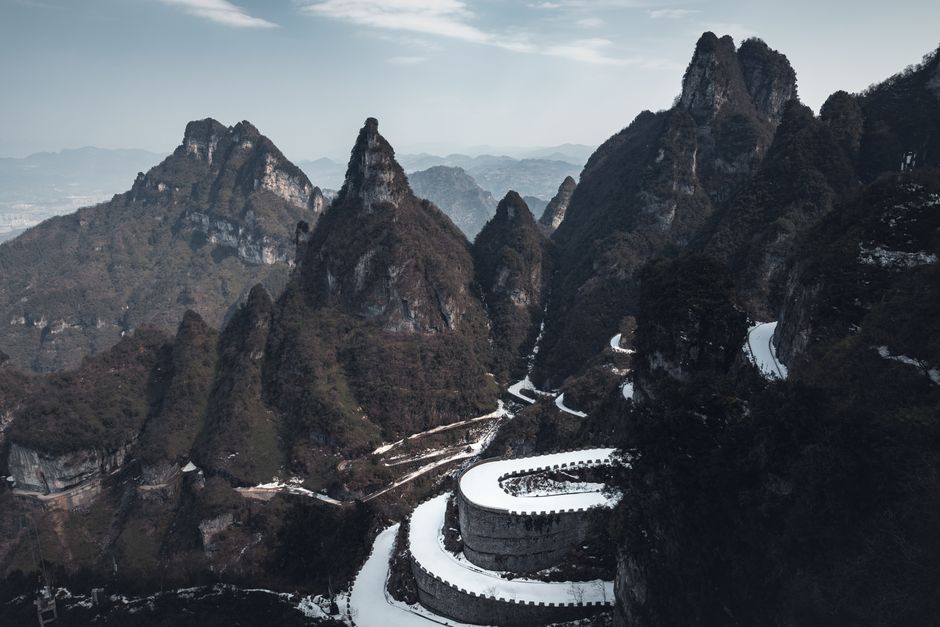
Aerial view of Zhangjiajie’s dramatic mountainous landscape and serpentine road., Yubeng’s Trails, China
FAQs: Your Yubeng’s Trails, China Questions Answered
1. Is Yubeng’s Trails, China safe at night?
Yes, the village is extremely safe. The main concerns are altitude sickness and trekking safety. Always hike with a partner, carry a headlamp, and let your guesthouse know your planned route. Crime is virtually nonexistent in this small, close-knit community.
2. What currency is used and are credit cards accepted?
The Chinese Yuan (CNY/RMB) is the only currency. **Bring enough cash for your entire stay in Yubeng.** There are no ATMs in the village, and credit cards are not accepted. Guesthouses, food, and any horse hires are cash-only transactions.
3. How do I get from the airport to the trailhead?
From Diqing Shangri-La Airport (DIG), take a taxi to the long-distance bus station (30 CNY, 15 mins). Catch a bus to Deqin (4-5 hours, ~80 CNY). From Deqin, take a shared van to Xidang Hot Springs trailhead (1 hour, ~30 CNY). For seamless travel, book a private transfer from Shangri-La to Xidang through a local tour operator on GetYourGuide for convenience.
4. Do I need to speak the local language?
No, but it helps immensely. Basic Mandarin phrases for directions, food, and numbers are very useful. In guesthouses, pointing at menus or using translation apps works. English is limited to a few words among younger staff. A phrasebook or app is a savvy traveler’s best tool.
<h
Explore More Destinations
- Jozani, Tanzania on a Budget: an Ancient Forest for $35/Day (2026)
- Nsumbu, Zambia on a Budget: Wild Africa for $40/Day (2026)
- Semporna, Malaysia on a Budget: Paradise for $35/Day (2026)
- Khuzestan, Iran on a Budget: Ancient Empires for $30/Day (2026)
- Ngerulmud, Palau on a Budget: Island Majesty for $45/Day (2026)
Ready to Visit Yubeng’s Trails?
Start planning your trip today. Compare hotels, find the best tours, and get insider tips.
Your adventure in Yubeng’s Trails starts here →
Related Guides
Explore more destinations similar to Yubeng’s Trails:
- Kitab, Uzbekistan’s Essential Fossils, Silk Road Echoes & Mountain Serenity (2026)
- Kamakura, Japan’s Amazing Temples, Trails & Seaside Serenity (2026)
- Butare, Rwanda’s Ultimate History, Academia & Living Culture (2025)
- Tangier, Morocco: Hidden Mediterranean Vistas, Mystical Medinas & Literary Legends (2025)
{“@context”: “https://schema.org”, “@type”: “FAQPage”, “mainEntity”: [{“@type”: “Question”, “name”: “What is the best time to visit Yubengu2019s Trails?”, “acceptedAnswer”: {“@type”: “Answer”, “text”: “The best time to visit Yubengu2019s Trails depends on your preferences. Generally, the dry season offers the most pleasant weather for sightseeing and outdoor activities.”}}, {“@type”: “Question”, “name”: “How many days do I need in Yubengu2019s Trails?”, “acceptedAnswer”: {“@type”: “Answer”, “text”: “Most travelers spend 3-5 days in Yubengu2019s Trails to see the main attractions. A week allows for a more relaxed pace and day trips.”}}, {“@type”: “Question”, “name”: “Is Yubengu2019s Trails expensive to visit?”, “acceptedAnswer”: {“@type”: “Answer”, “text”: “Yubengu2019s Trails can be visited on various budgets. Accommodation ranges from hostels to luxury hotels, and local restaurants offer affordable dining.”}}]}

